
Last week I received an email from Amazon, letting me know that they’ll be discontinuing support for a number of old Kindles. I happen to have a 2nd generation Kindle. No touchscreen, no backlight, not a single ad. I have to use the arrow buttons to move around the keyboard. It was given to me years ago and although I often read ebooks through an app on a much newer tablet, I still regularly use my old style Kindle. I’m nowhere near maxing out the storage on it, either.
On May 20th, I will no longer be able to order or download any books to it. It will be a read-only device–as long as it works. Even now, I have to insert the charging cord “just so” in order for it to charge.
In case you’re thinking rather smugly, my fellow reader, that I should never have jumped into the digital book world in the first place, I’ll explain. My use of a Kindle has had nothing to do with eliminating shelves of books, the convenience and portability, the thrill of nearly running out of battery and the smell of a screen (ha). My purpose has simply been to read old, out-of-print, nearly forgotten books. There are hundreds, if not thousands, of obscure books available for cheap or free on Amazon and thousands upon thousands available for free on archive.org. I’ve been binging on this treasure trove for the last decade with no end in sight.
Don’t misunderstand me–I still own physical books. Boy, do I. I’ll inventory them at some point, but I’m estimating about 2,000. A vast majority of them are from the 1960s and before. I still have a dozen or so boxes awaiting bookshelves. I’m running a rest home for elderly books and clearly, I don’t have the heart to turn any away.
I believe this is the first time Amazon has retired any Kindle models. If this doesn’t affect you and your Kindle this time around, it will happen again. After all, what better way to get people to upgrade when they have no reason otherwise, especially with a $20 coupon incentive?
We shouldn’t be surprised. It’s a fragile game we’ve been playing for years. We’ve come to feel like we “own” books we’ve purchased digitally but we really never have. If something should happen to our Kindle, we know our books are stored on the Amazon website so we can transfer them to another Kindle or just read them from our computer screen. Heaven forbid there’s a website glitch or the grid ever goes down.
As Amazon has demonstrated, we’re at the mercy of any whim or system failure. As it is, even with full access, we have no control over the contents. The book can be edited and updated without our knowledge. It’s happened to me.
We’re not ultimately in control of our digital libraries.
Not too many years ago, people were delighted to discover that instead of spending $15-$20 for a physical book, they could buy the digital version for a couple of dollars. Such a bargain! Less clutter! Fast forward to now and what do you know? Digital copies aren’t as cheap as they were. And in the case of many books, especially older ones, printed editions aren’t even available anymore. They’ve just stopped printing them.
Are we really OK with that? I think it’s alarming. Don’t assume you can just rely on your local library to find any books you may want to read, even classics.
I’ll spare my local library the embarrassment of calling it out, but it’s nearly worthless as a place to get a book. The shelves are half full and they only have the latest books and a few token classics. I’d like to believe that C.S. Lewis is so popular they can’t keep them on the shelf but actually, they just don’t have any of his adult books. It’s essentially a community center. I spend more time there at the granny square a month club than finding a book to read.
The town where I formerly lived overhauled their fantastic library to make it more of a teen hangout space a few years ago. The new director told her staff to cull every book that “looked old.” Yep, that was the criteria. The librarians were in tears. Except one, who shrugged and told me that she didn’t care, she only read ebooks anyway. She should have had her library card confiscated and shown the door for that comment, imo. They had a sale and practically gave the books away. I bought piles. It felt selfish to buy them to tuck away on my personal shelves, but at least they wouldn’t wind up in a dumpster.
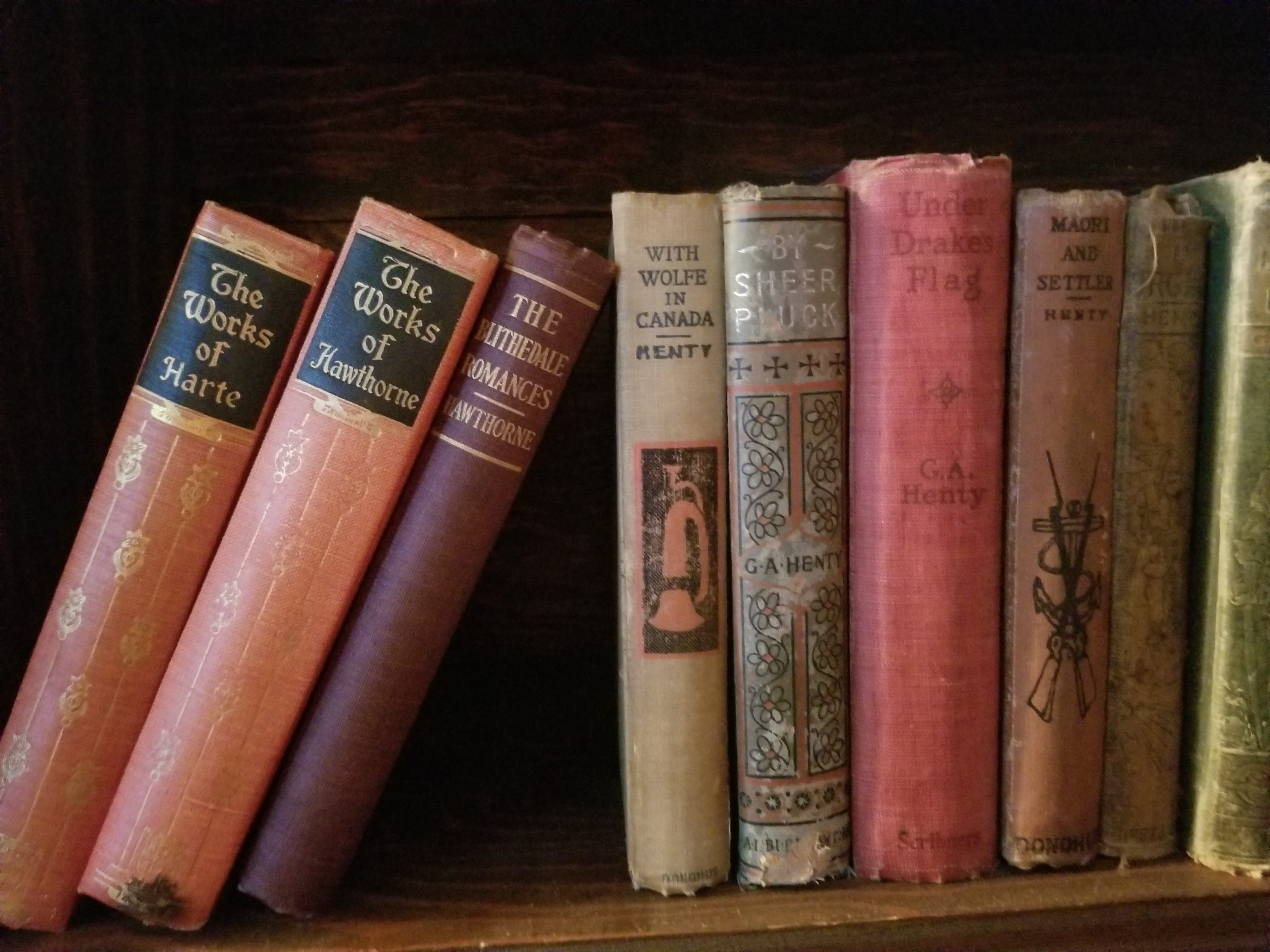
I’m not saying that printed books are disappearing any time soon, but they will get more expensive. Books that I used to buy for $1 at the thrift store are now in the glass display case for $15. After all, as of the end of 2025, mass-market paperbacks are no longer being distributed.
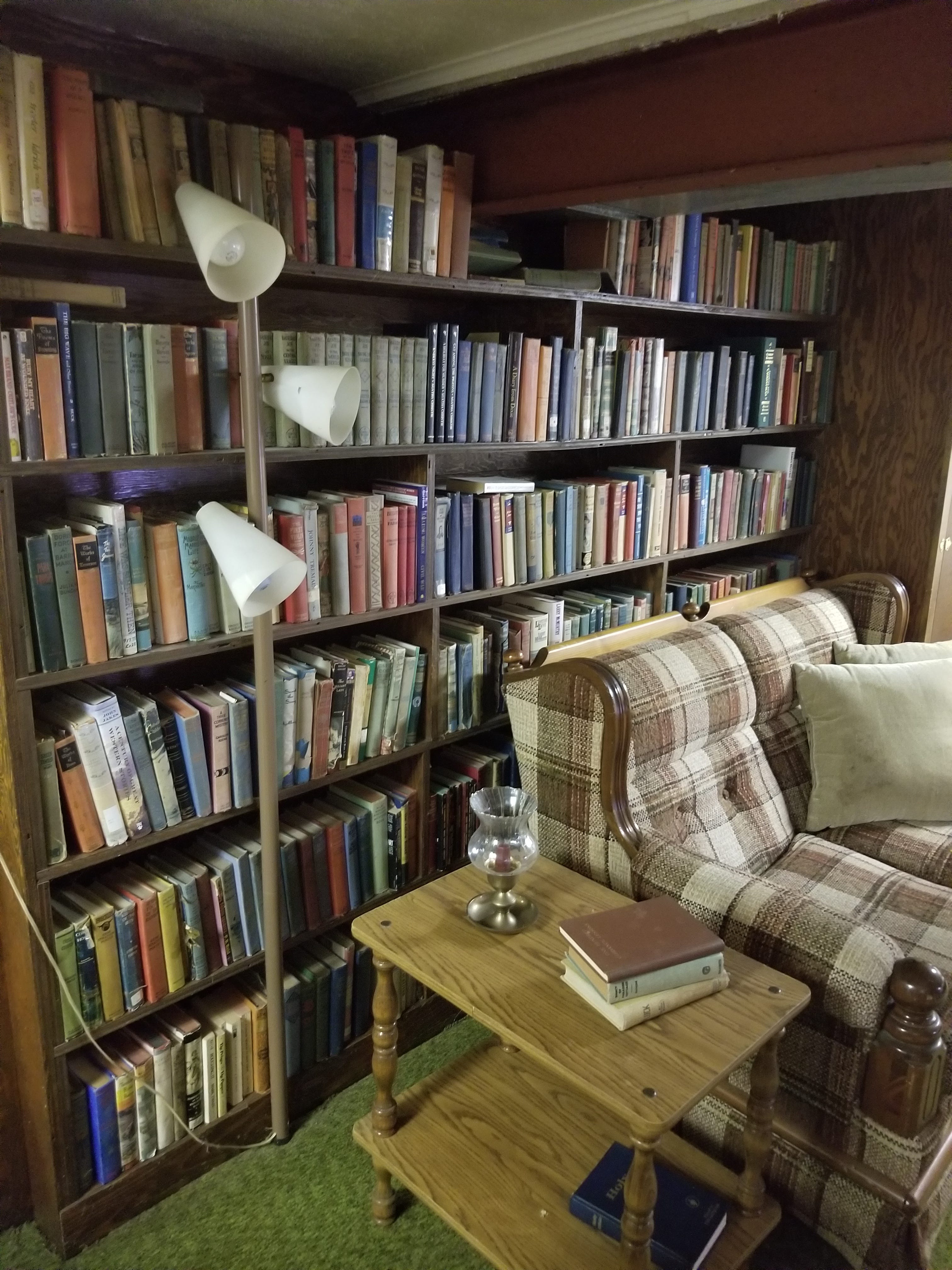
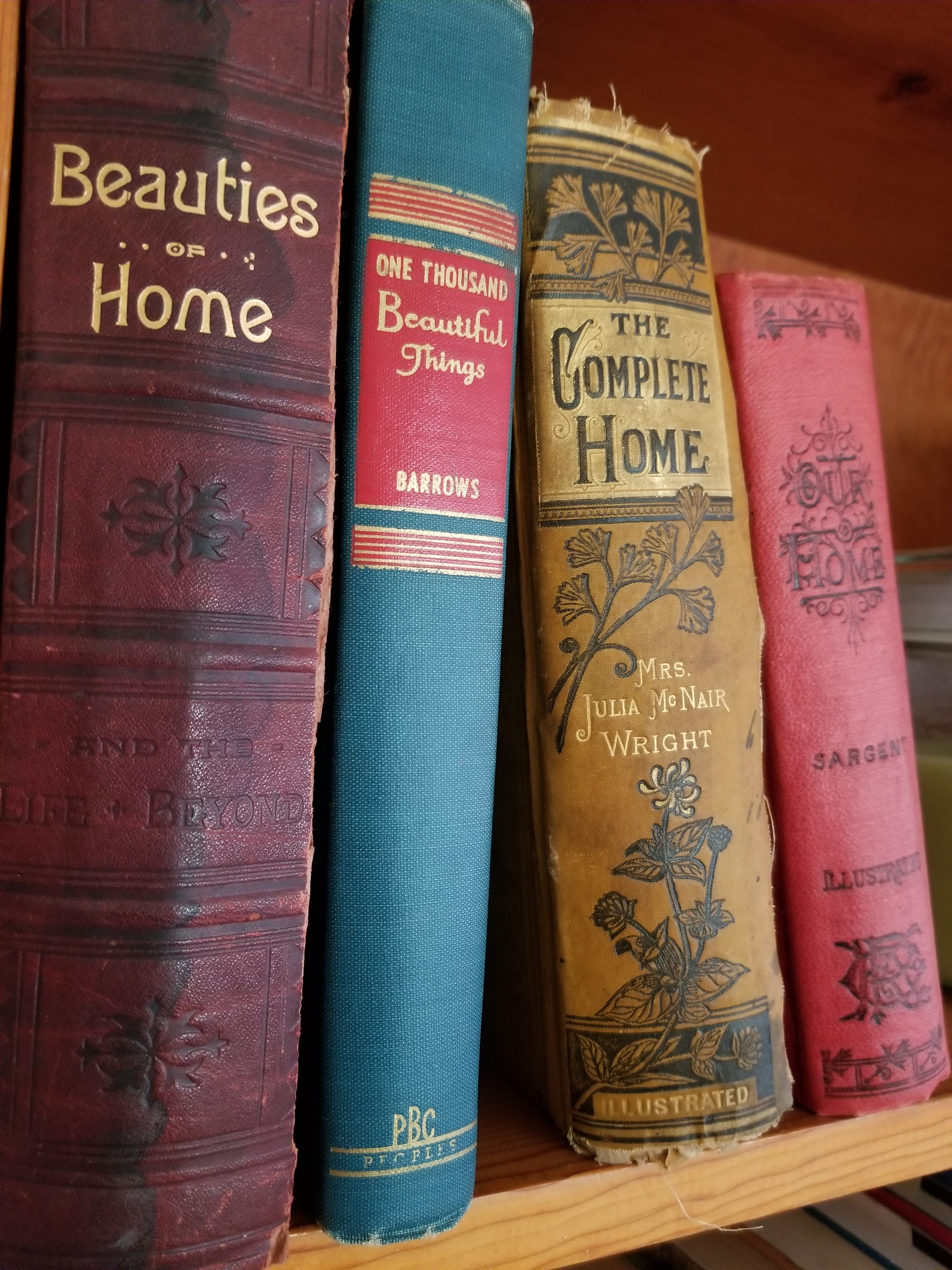
I’ve had brief moments of wondering if I have “enough” books. But I’ve decided I’m not buying books for me. I’m building a collection to preserve them. I enjoy sharing my books with others and often wonder if private lending libraries can become a thing. (My husband’s grandpa loved to pick for treasures at the city dump back in the 1940s and 50s and brought home old books for his avid reader wife. Talk about a keeper.) We inherited many of those books. They’re not all masterpieces of literature. But they are snapshots of history and I think that makes them just as valuable in their own way.
It’s good to have a reality check. Similar to the way that rising streaming costs have people seeking out physical media, I hope people will begin valuing a home library and start building (or expanding) their own.
Pick up another bookshelf and buy the books!
I’m the co-author of A Housewife Writes and author of Two Years as an Amish Schoolteacher, available on Amazon. (affiliate link) I love history and learning about the lives of our grandmothers who loved their families and managed their households. I share their stories and wisdom that are still meaningful as well as ways of keeping a modern home in the spirit of past times.
Comments
Nothing yet. Say the first thing.
Sign in to join the conversation.