As a frugal housewife, it’s tempting to want to save all the money you can by making things yourself. It seems like a sure-fire way to save a buck and another step to being one of those self-sufficient homesteader types.
You can DIY everything you eat, but should you? Will you be able to pay off the house early because you make your own ketchup? Will making your own potato chips really make a difference in your budget? And most importantly, does your time investment in these ventures make it worth it?
Actually, I have done both those things and can promise you it won’t. After I canned dozens of jars of stewed tomatoes, sauce, salsa, tomato soup, spaghetti and pizza sauce one summer, I still had buckets of tomatoes ripening every day. So I made ketchup, which uses a lot of tomatoes. Unfortunately, I got about four jars of ketchup for my wheelbarrow of tomatoes and shovel of sugar. If that alone wasn’t enough to cure me of that DIY silliness, it didn’t taste that good. I ended up hiding most of it in meatloaves and barbecue sauces.
Similarly, when I had a windfall of homegrown potatoes, I experimented with frying my own potato chips. They were delicious. However, if I had to pull out a vat of oil and go through all the work for a bowl of chips, I’d be too tired to cook dinner. But the thing is, I never buy them anyway. They’re an extra, not something that makes a meal, so it really wouldn’t save me money.
In both examples, I had the extra produce on hand to be able to experiment, but it wasn’t the greatest use of my time or resources. But there are things that I make that actually DO save me money.
Here’s a list of 7 things that I consistently make from scratch. None of these are difficult in the first place. By this point, I’ve made them often enough that they’re second nature so they don’t take long for me to make. The key to building a good from-scratch repertoire is for it to be so natural and easy that making it is the cheapest and fastest option.
Chicken broth. I almost always buy bone-in chicken. I cook it off in the oven, debone the meat and use it in meals over the next several days or freeze what I won’t use right away. Bone-in chicken tends to be cheaper than boneless, partly because you’re paying for less meat.
But if you use the bones to make broth, you get a bonus with extra food value. I store the bones in a bag in the freezer until I cook them off with frozen vegetable scraps, like onion ends and wilty spinach.
I usually have a jar or two of broth in the fridge that I find myself using regularly. Whenever I cook off a large batch of bones, I pressure can the extra broth so it’s shelf-stable. That means I never, ever have to buy chicken broth.
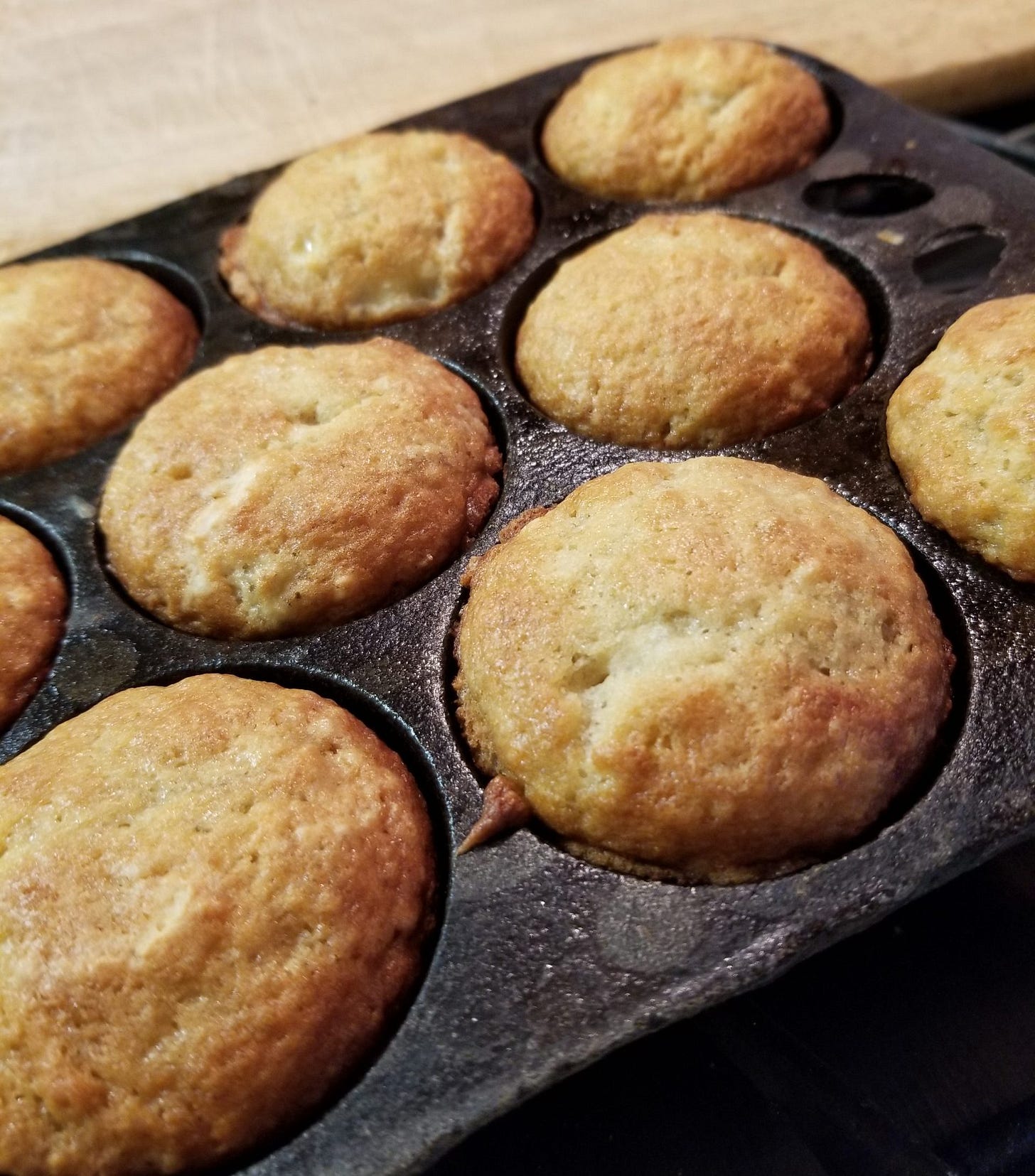
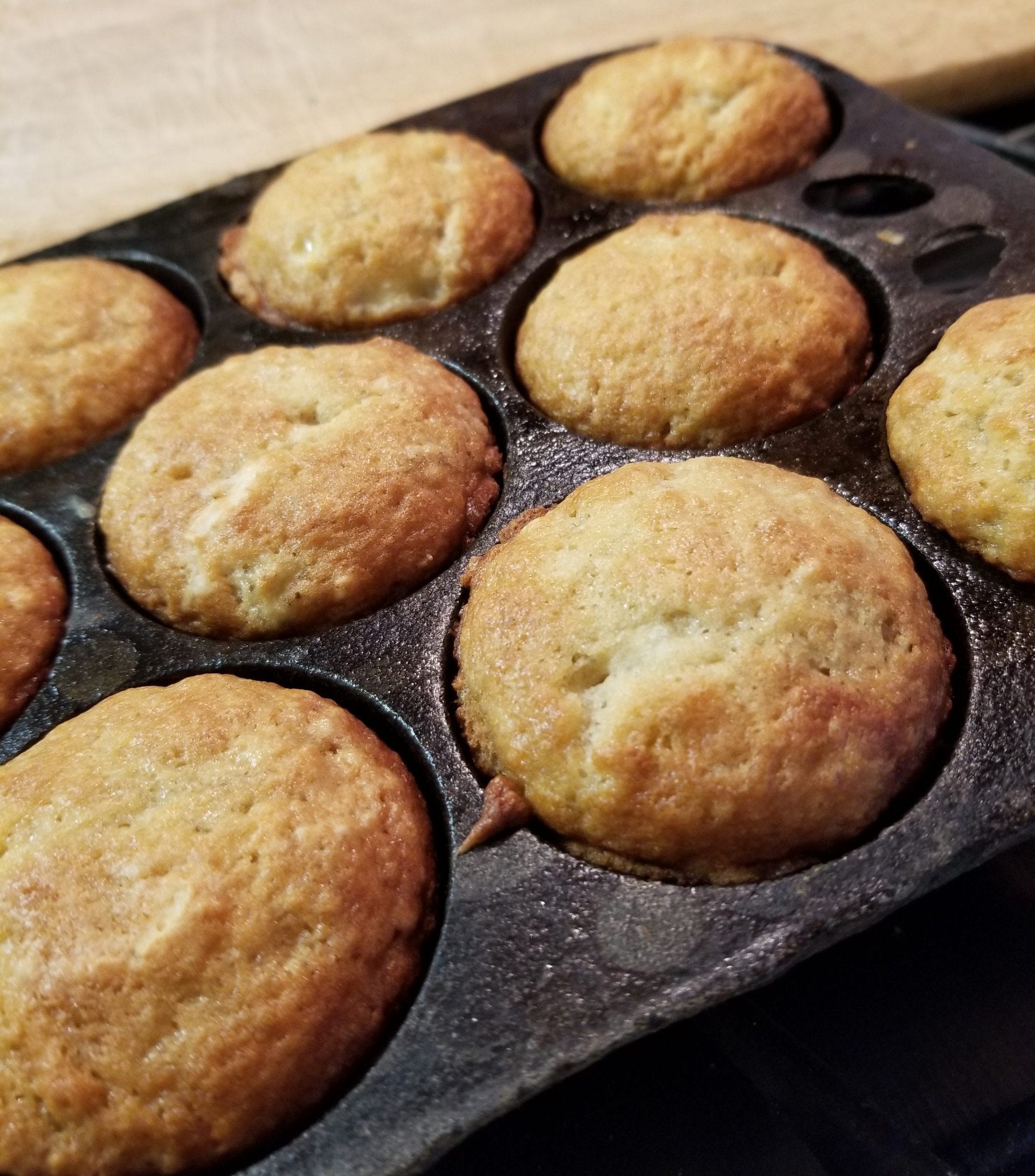
Quick breads. Things like pancakes, crepes, muffins, biscuits, cornbread, etc. Most of these are ridiculously overpriced when bought ready-made or as a mix and full of fake flavors, preservatives, etc. Not only do homemade versions taste better, but they’re incredibly fast and easy to whip up.
In some situations, they stretch or fill out a meal and other times, they are the meal. Quick breads all use the same staple ingredients that I always keep in my pantry and can mean the difference between a cheap, fast meal at home or a desperation run for expensive junky fast food.
Here’s one example. My basic pancake recipe:
1 c. milk
1 egg
¼ c. oil
2 T. sugar
1 ¼ c. flour
1 t. baking soda
1 heaping T. baking powder
This is a small batch (serves 2-3) but you get the idea. It’s nearly as fast as measuring Bisquick and will fill a belly longer than a McBreakfast sandwich and for much cheaper.
Yogurt. I make full batches of yogurt in my Instant Pot and strain it for a thick Greek-style yogurt and store it in quart jars. For the price of a gallon of milk, we have days of breakfasts. I often use it as a substitute for sour cream, too. (Along the same lines, I make my own kefir at least once a week. It doesn’t need cooking and is basically idiot-proof, which is amazing considering how expensive it is in the store.)
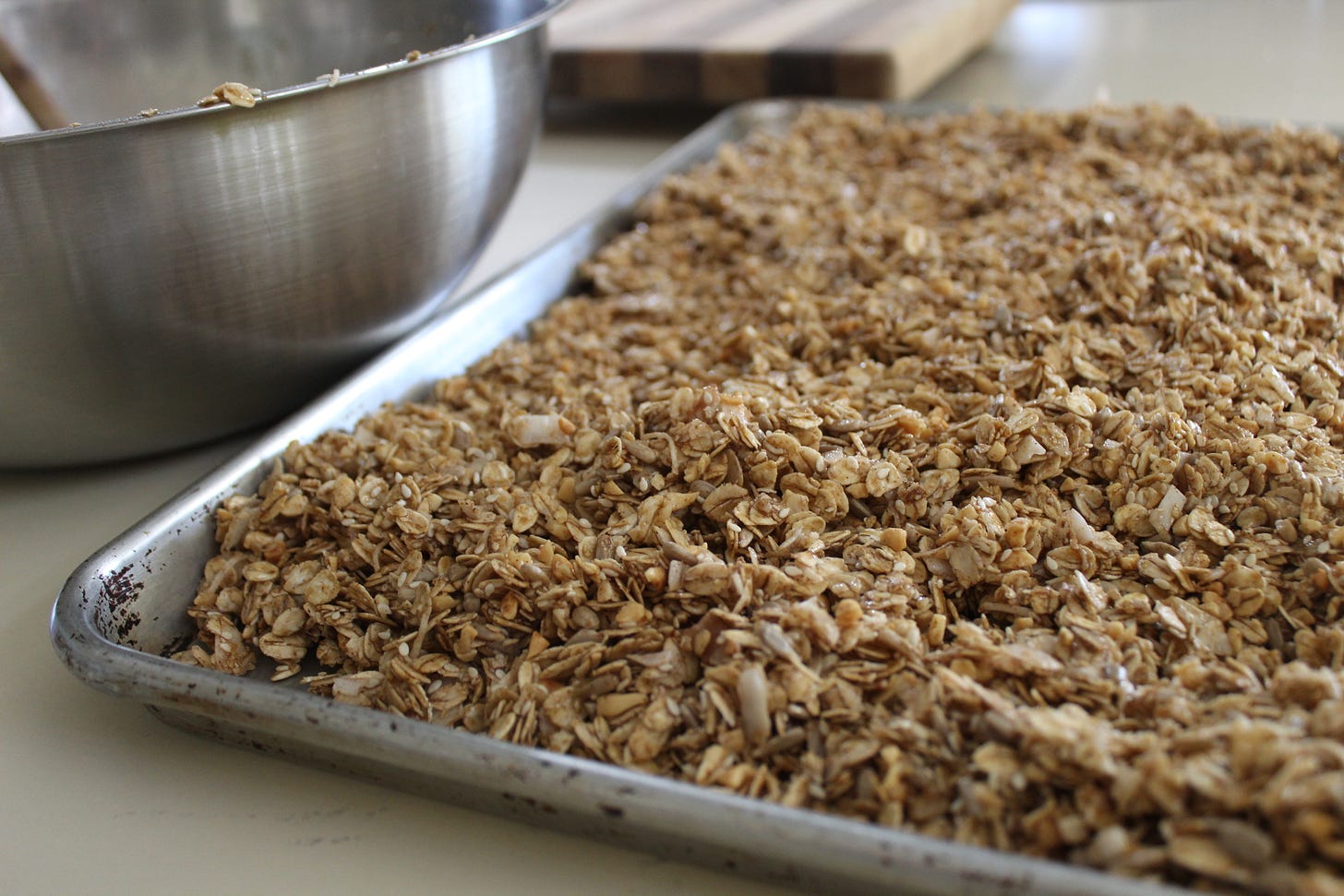
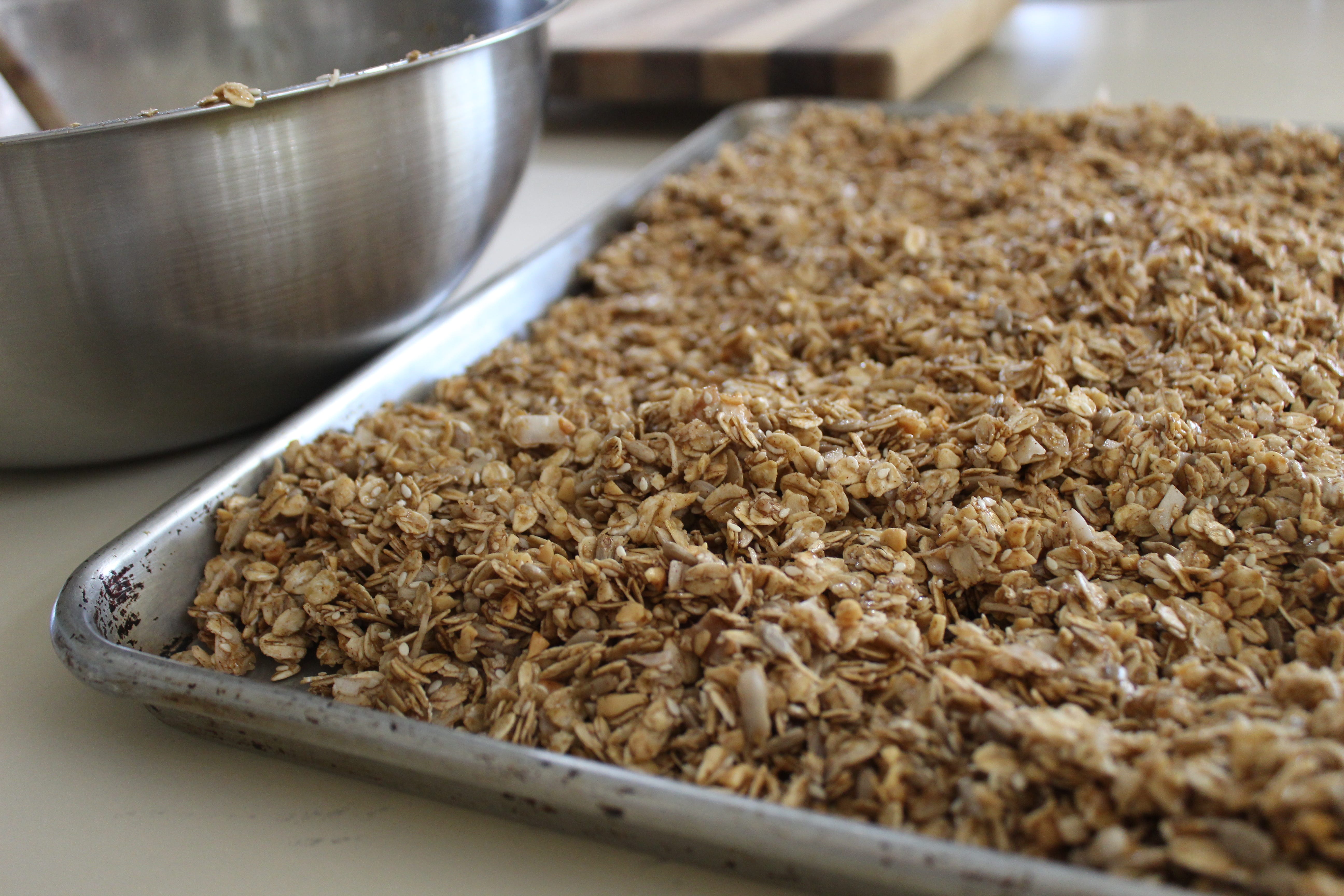
Granola. Cold cereal has to be one of the worst buys out there. Granola is more substantial than those boxes of crunchy marshmallows and air-popped candy-coated grains. Still, if we were eating big bowls of granola with a splash of milk, it would get expensive. Instead, we eat bowls of high protein yogurt, with jam and granola as the toppings. Each batch stretches far.
I’ve settled on a basic formula that allows me to swap out ingredients as I have them. I timed myself last week. It took me 15 minutes from the time I walked into the kitchen to the time it was on the baking sheet, ready for the oven.
Salad dressings and sauces. I have a repertoire of dressings and sauces that are truly easy. No long list of weird ingredients necessary. It also means I don’t have an entire shelf in my refrigerator door dedicated to partial bottles of this and that.
My most basic go-to salad dressing is a vinaigrette made of equal parts oil and vinegar and (roughly) half a part sweetener. You’ll never make it the same way twice! There are so many vinegar options. For the sweetener, you can use honey or maple syrup or my new favorite, jam. And then the additional ingredients you can add are limitless–mustard, herbs, garlic, even yogurt for a creamy version.
Cream soup. When I need a can of “cream of something” soup or a white sauce, I skip the canned version and use ingredients I keep on hand all the time. Here’s the basic recipe:
2 T. butter
2 T. flour
½ t. salt
Melt the butter in a small saucepan and make a roux with the flour and salt. Add in any extra ingredients–onions, celery, mushrooms. Add 1 c. of a liquid (milk, broth, water from a can of mushrooms) and whisk until thickened.
(This homemade version doesn’t work in crockpot recipes.)
Canned beans. We eat a lot of beans. The price of canned, pre-cooked beans isn’t going to put us in the poorhouse. But it is kind of a rip-off when you’re just paying for the convenience of having them cooked, which is basically a hands-off process. Instead, I buy dried beans in bulk, which have a long shelf life. I can cook them on the stovetop if I remember ahead of time or in an Instant Pot if I’m in a hurry. I usually cook more than I need and then freeze the leftovers for another meal.
Most often though, I pressure-can them so I have beans ready to go, on my pantry shelf. If you know how to pressure can, (and if you don’t, all you need is a 20 minute lesson and a canner and the world is your oyster) they’re one of the easiest things to can. Just fill jars with raw, dried beans and hot water and in an hour or two, they’re cooked perfectly and sealed in jars.
Sometimes the hardest part of cooking is deciding what to make and which recipe to use. Do yourself a favor and settle on some basic recipes that you can memorize and vary with your mood and available ingredients. Save the new Pinterest recipes you’ve collected for the days you have extra time and energy, not when you just need to get food on the table. Then you’ll be able to streamline your cooking in a way that you really can save your budget and not at the expense of your time.
I’m the co-author of A Housewife Writes and author of Two Years as an Amish Schoolteacher, available on Amazon. (affiliate link) I love history and learning about the lives of our grandmothers who loved their families and managed their households. I share their stories and wisdom that are still meaningful as well as ways of keeping a modern home in the spirit of past times.

Comments
Nothing yet. Say the first thing.
Sign in to join the conversation.