
A while ago, the YouTube algorithm showed me a video of a woman who apparently fancies herself an expert in frugal living. Of course I had to watch to see if there were any angles I’d overlooked. In this video, she was addressing gardening and canning and their usefulness as money-saving strategies. The woman recommended that people have a garden and can only if they enjoyed them as hobbies, because they were some of the poorest strategies for saving money on groceries.
I was surprised, to say the least. Isn’t having a garden the most classic frugal advice? Everyone, it seems, had a garden and worked them hard during the Great Depression. Victory Gardens, anyone? This woman went on to say that if you factor in the cost of canning jars, lids, seeds, fertilizer, tiller, plus your time, you might as well just buy a few cans of vegetables and save yourself a lot of hassle and hours and hours of work.
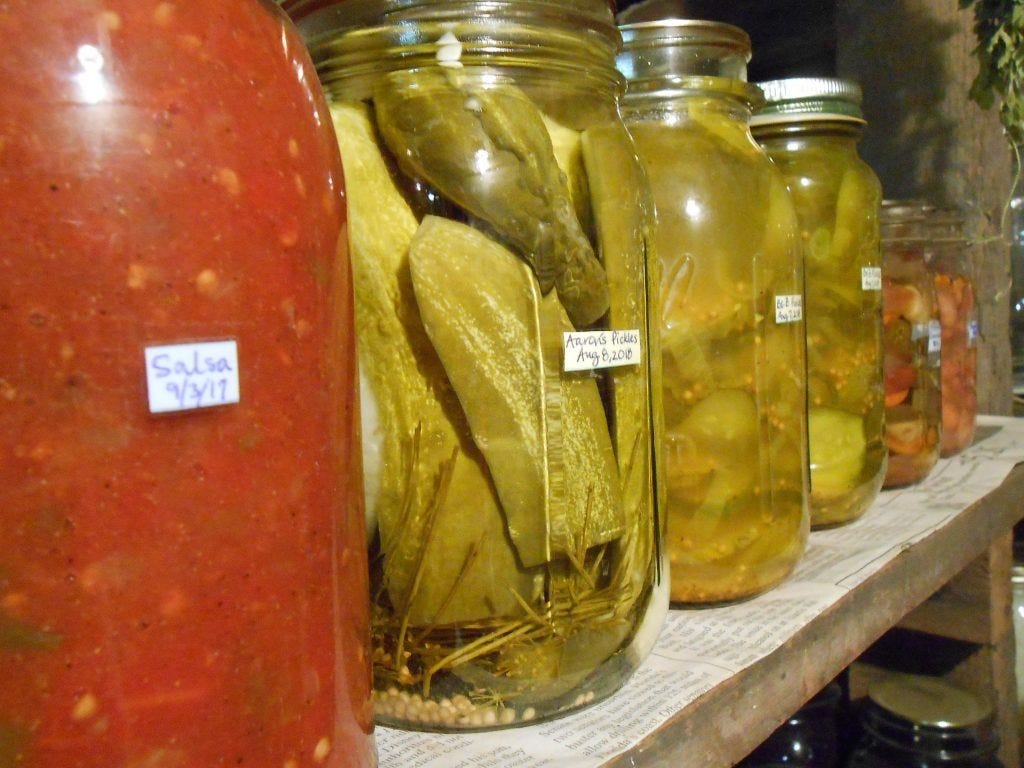
Um, no. Just no. 1000x no. It’s like saying that it’s not worth cooking meals at home once you figure in the cost of pans, the stove, and cookbooks. But in case she’s not the only misguided person out there, I’ll say it:
If you’re looking for ways to live frugally, gardening IS a good way to save money.
There’s no getting around it: everything in life has an initial cost. But you have to play the long game. With a little knowledge and strategy, gardening and preserving your harvest WILL save you money, and quite a bit, too! I’ll die on that potato hill.
Nothing is a financial certainty. I’ll be honest, if you’re new to gardening, you probably won’t have a great harvest your first season. Like every skill, there’s a learning curve. And we’re dealing with nature here—late frosts, droughts, never-ending rain, pests. Every harvest is a victory no matter how experienced you are.
We’ve all seen people who’ve bought a flat of strawberries at full retail price, ingredients, and all the canning gear, only to make 6 jars of jam, at a cost of $10 a jar. Those are the folks who complain (rightly so) that canning is expensive. After their first attempt, they decide it’s all nonsense and give away their supplies. (To me, actually. True story.)
You can go all-in and do all the most expensive things—buy a tiller, put in raised beds, or hire a landscaper to do the work for you. It will take you a long time to make up for that investment. On the other end of the spectrum, you can collect 5 gallon plastic buckets or flower pots to use as planters, dig up a patch of ground with a shovel or borrowed tiller, or just re-purpose a flower bed.
Here are a few ways to do it well and frugally:
Avoid buying starter plants. They’re becoming more expensive every year to the point of being a rip-off and more ridiculous. Not every plant needs to be started ahead of time. The only people buying zucchini and lettuce starts are the brand-new gardeners who don’t know how easily they grow from direct seeding. There are many different ways to start your own seeds, but on the cheapest side, you can start seeds on a sunny windowsill in recycled yogurt cups covered with plastic wrap. It just takes planning and patience.
Seed packets seem to hold fewer seeds and cost a little more every single year, so learn how to harvest and save your own seeds for the next season. Not all seeds can be harvested and saved easily, but many can. Seed libraries are great resources.
Your best strategy is to learn all you can. Ask around for plant cuttings and learn to propagate your own plants. Make your own sweet potato slips.
If you do buy plant starts, by them small, not in big pots. Be the person who looks them all over to find one with two plants in a single cavity. BOGO for you!
Grow the produce that saves you the most money, especially if space is an issue. Potatoes, onions, and carrots are relatively cheap in the store and frankly, don’t always yield the best return for the space.
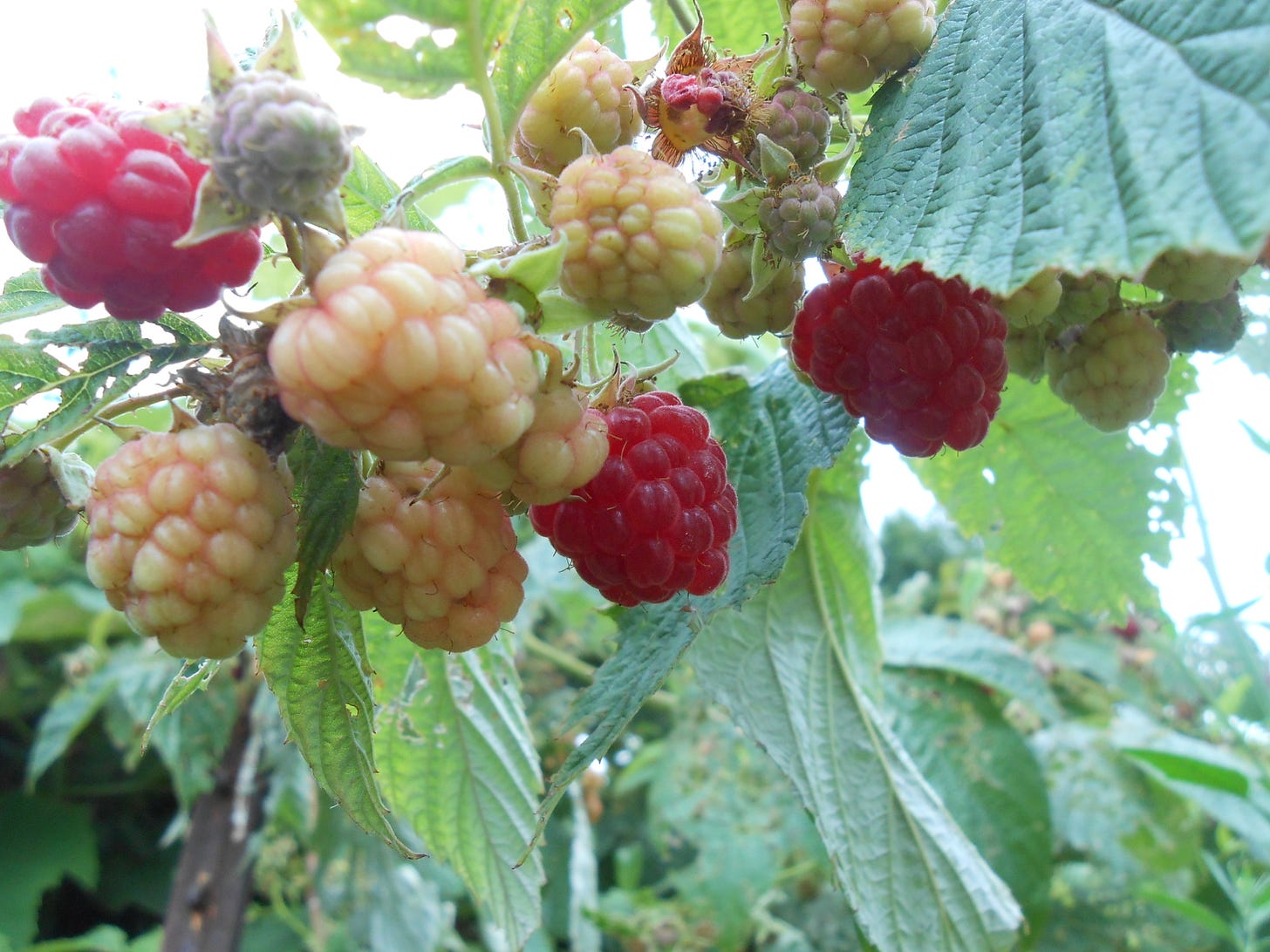
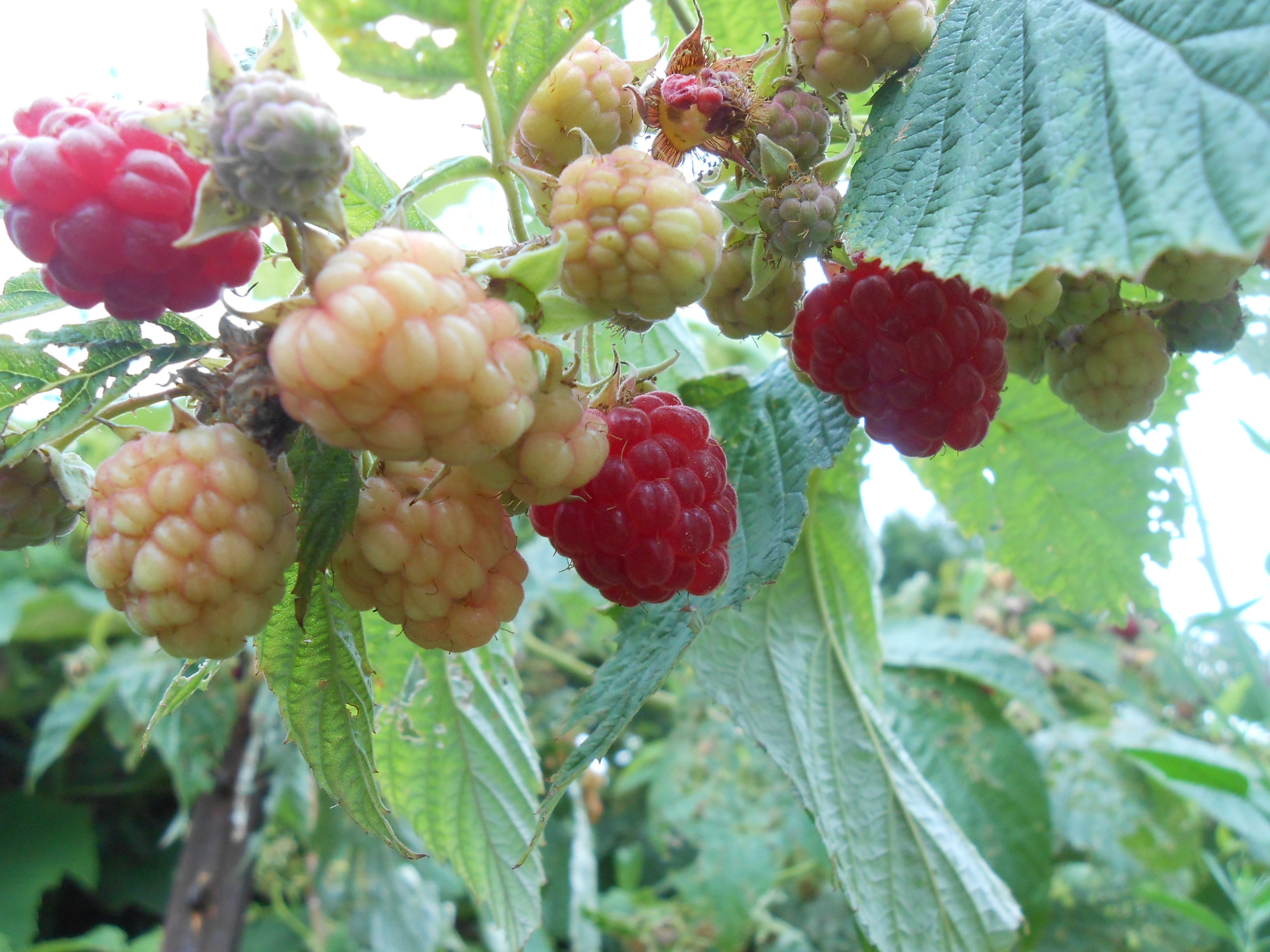
Raspberries, on the other hand, give you a huge bang for the space. I couldn’t afford to buy all the fresh, organic raspberries we harvest from our small patch. Kohlrabi, beets, and okra are expensive to buy fresh. Certain peppers and ground cherries, for example, are specialty items that grow easily for me that I couldn’t even buy locally if I wanted.
A package of basil seeds costs a couple of dollars. Just one of those seeds can grow to a plant the size of a small bush. For literally a few cents, you have enough basil to make several batches of pesto, plus plenty for fresh and dried use, all from that one plant.
In the same way, a single packet of lettuce seeds will provide you days, or more likely, weeks of summer salads. (And you can let a few plants go to seed and collect them in an envelope, making next year’s harvest free!)
Use your produce in ways that maximize your savings. A can of generic store-bought whole tomatoes is pretty cheap. A can of tomatoes with added jalapenos is slightly more expensive. Tomato sauce with herbs added becomes spaghetti sauce, which costs a little more. If I didn’t have the space to grow many tomatoes, I would focus on using them to make things like spaghetti sauce and salsa. As a bonus, every jar of spaghetti sauce represents a meal during the winter. It’s an efficient way to meal prep!
In the same way, a few cups of berries might make one small jar of jam that would save you a couple of dollars. That’s a win. But those same berries you infuse in balsamic vinegar or make into a syrup is a bargain compared to the ridiculously expensive specialty store product. (They also make ideal gifts—special and one-of-a-kind for the recipient and frugal and creative for you.)
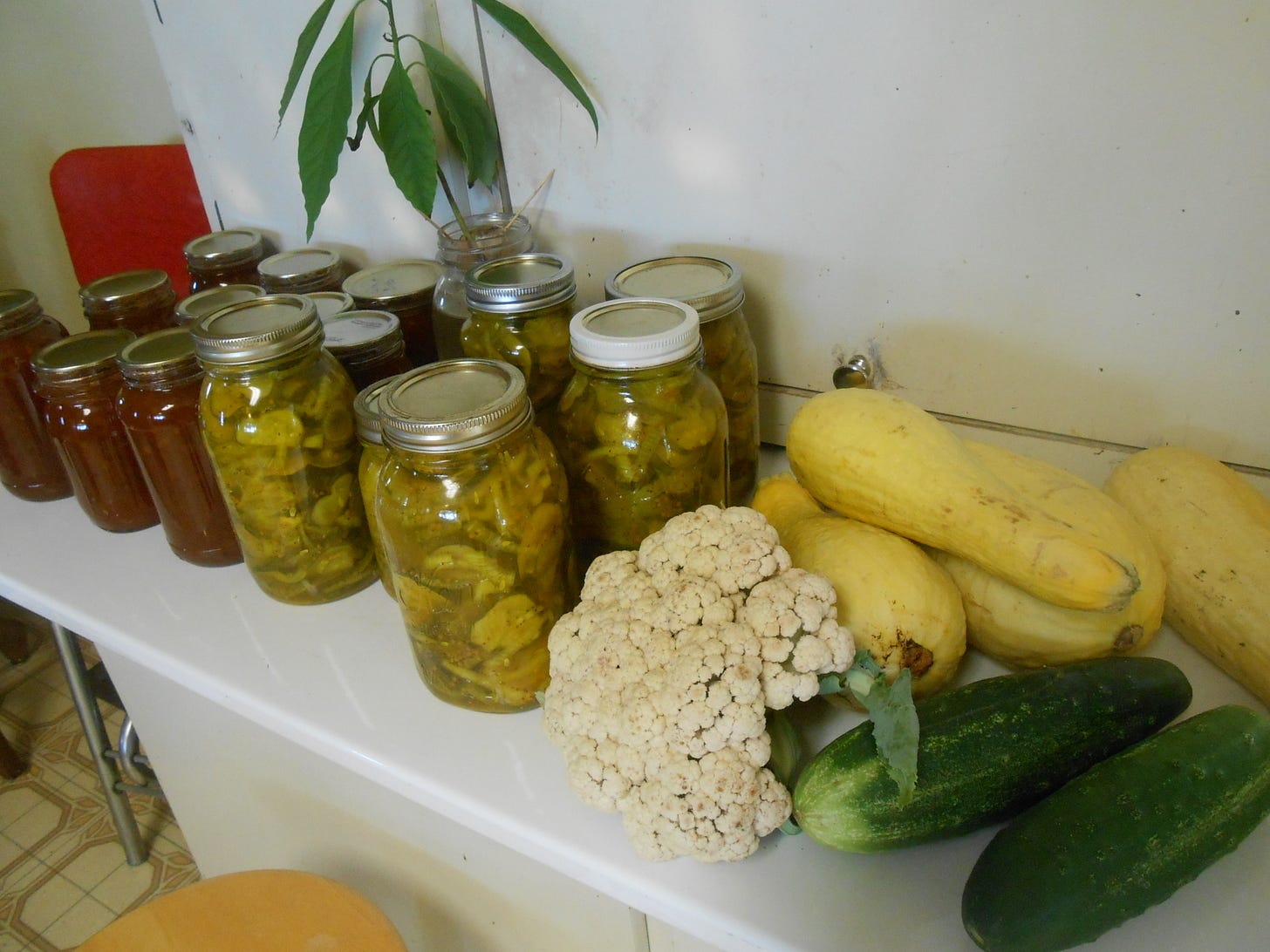
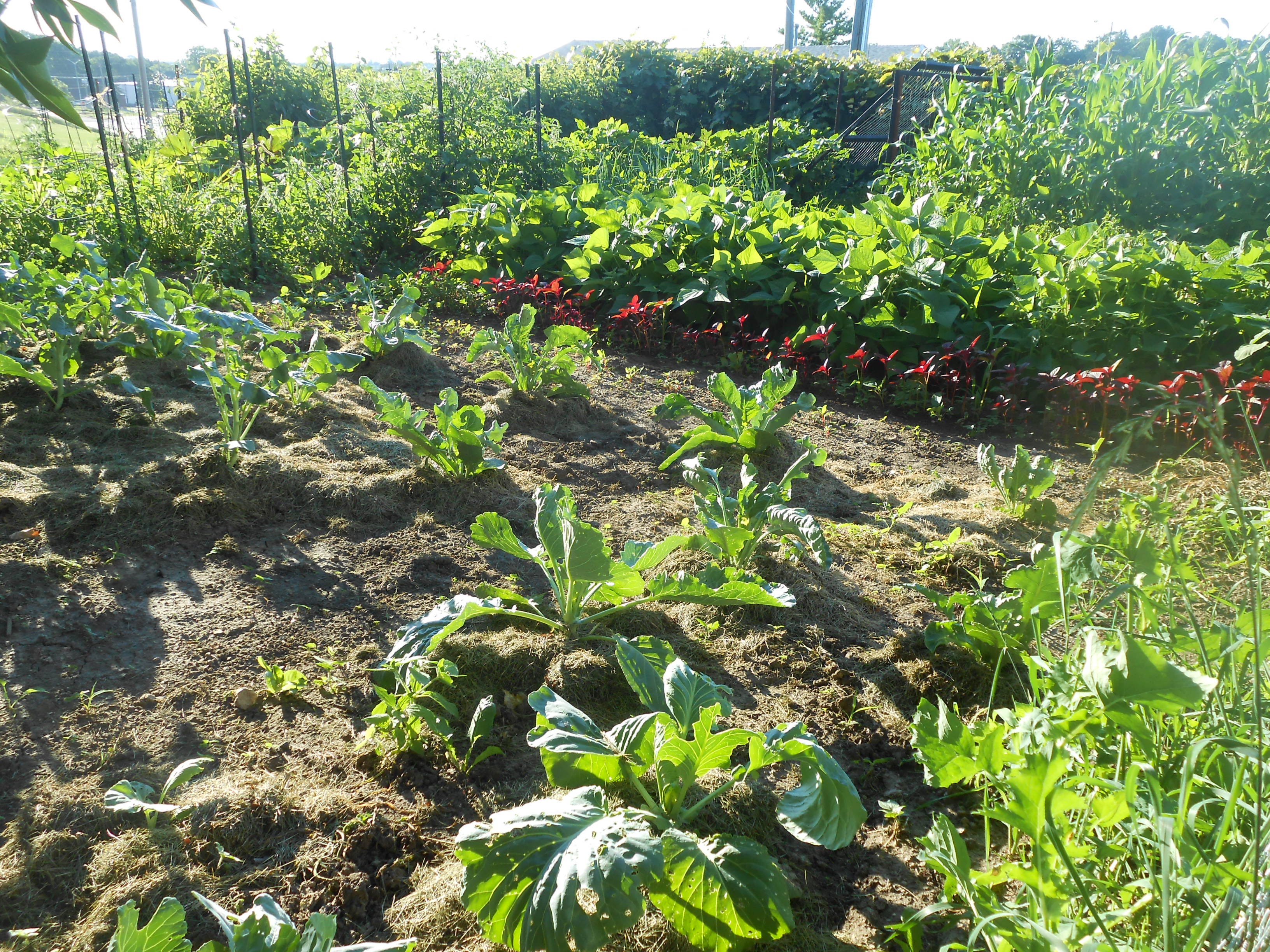
Incorporate edibles in unexpected places. Maybe you can’t plow up your yard but have flower beds around your home. Why not put in edible plants? Only someone in the know will realize that all the different bits of greenery among the flowers are herbs. And vegetables like kale, chard, and carrots are visually interesting. Artichokes, peas, and even okra have beautiful flowers. Just plant them in clusters, not rows.
Produce doesn’t have to be canned or preserved. That eliminates even more expenses. You can eat straight out of your garden from spring through fall and not preserve anything.
Other produce doesn’t require special preservation. Your harvest of pumpkins or winter squash can be stored on a basement shelf, carrots can go in the fridge or in trays of sand, onions can be stored in a cool, dark corner, etc.
Only grow what you’ll eat and eat what you grow. It’s obvious, but sometimes it’s easy to get swept up in all the dazzling varieties at the garden center. Be intentional and only plant what you know you’ll use. And if you’ve grown it, find a way to eat it all. If your zucchini plant has gone wild, find different recipes and commit to preserving or eating it every day for a month if you need to. You grew it to save money, after all.
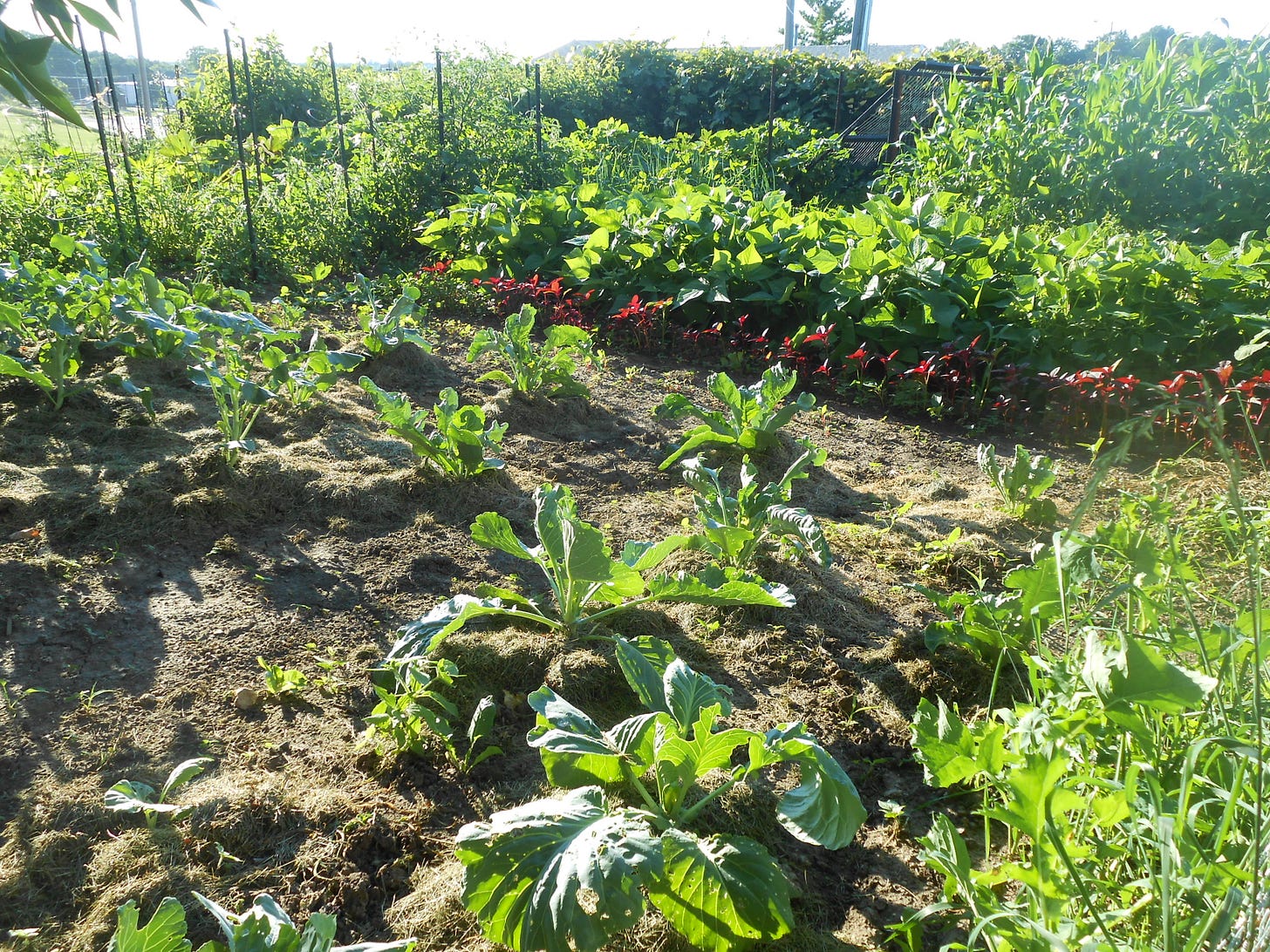
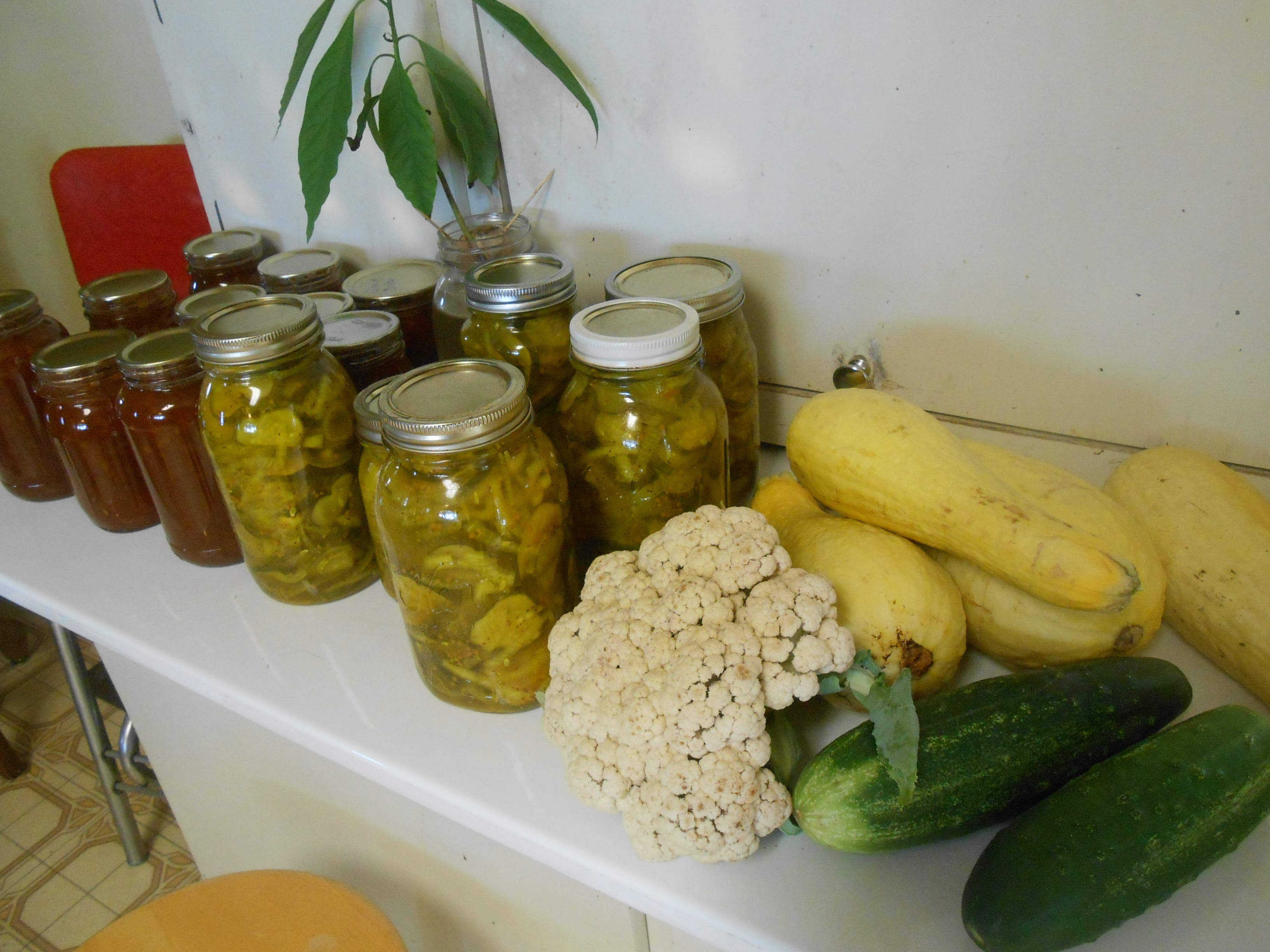
Source used jars. If you want to can your abundance, you need jars and new ones are not cheap these days. Put the word out that you’re looking for used jars. They’re getting harder to find for a good price but it’s certainly not impossible. Every day, somewhere, a elderly housewife is hanging up her apron and calling an end to her canning career. She wants to see the tools that she used to provide for her family help another generation of women care for theirs. When people know that you can, they’ll keep you in mind when they’re looking to downsize their stash of jars.
Invest in reusable lids (like the Tattler brand). They’re initially more expensive, but if you use them regularly, you’ll decrease their cost with every use. (I bought most of mine for a song from someone who didn’t like them.) I’ve been using them, along with regular metal lids, for the past 10+ years. I’ve only had one gasket grow brittle and crack. On the occasional red-letter day, you can find unused lids at garage sales and thrift stores, too.
To dip my toe into a potentially controversial topic, many people reuse regular canning lids. No, the USDA doesn’t recommend this and the canning lid companies are in horror of the practice (obviously). You do you, but just know that many old-timers get more than one use from a used, undamaged lid and every Amish woman I know does the same.1
Freeze produce instead of canning. Freezer bags are super cheap, and like canning jars, the cost of a large freezer (if you even need one) will decrease with every year of consistent use. You’ll run out of space if you try to freeze a year’s worth of produce, but if you’re new to gardening and preserving, it’s an easy start.
Don’t overlook drying. Dehydrators are relatively cheap and easy to find in thrift stores and at garage sales. Tomato slices, fruit of all kinds, fruit and squash purees, celery, green beans, zucchini, corn… they all dry well and take up little space. Potato slices and shredded hash browns are some of my dehydrated favorites— they reconstitute beautifully.
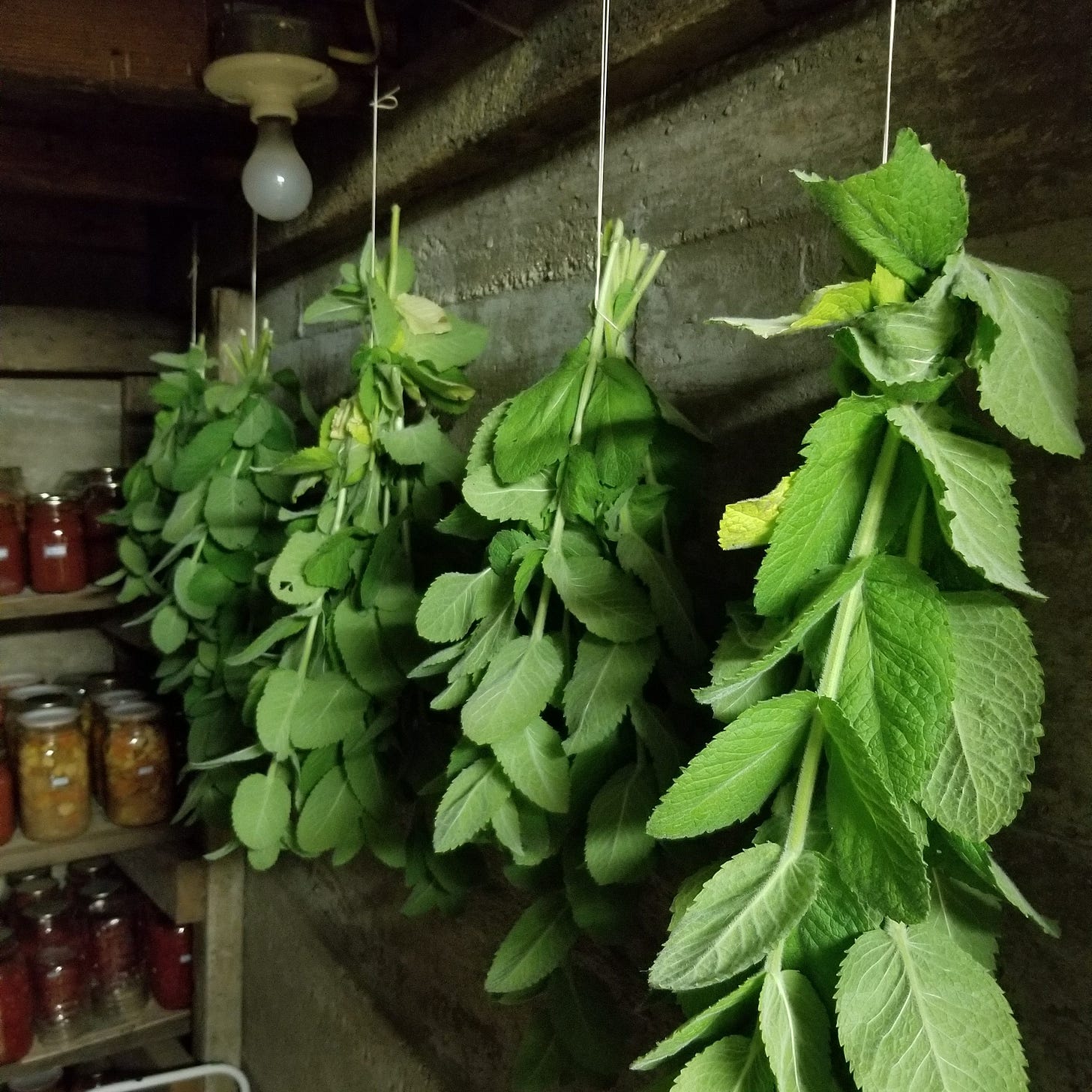
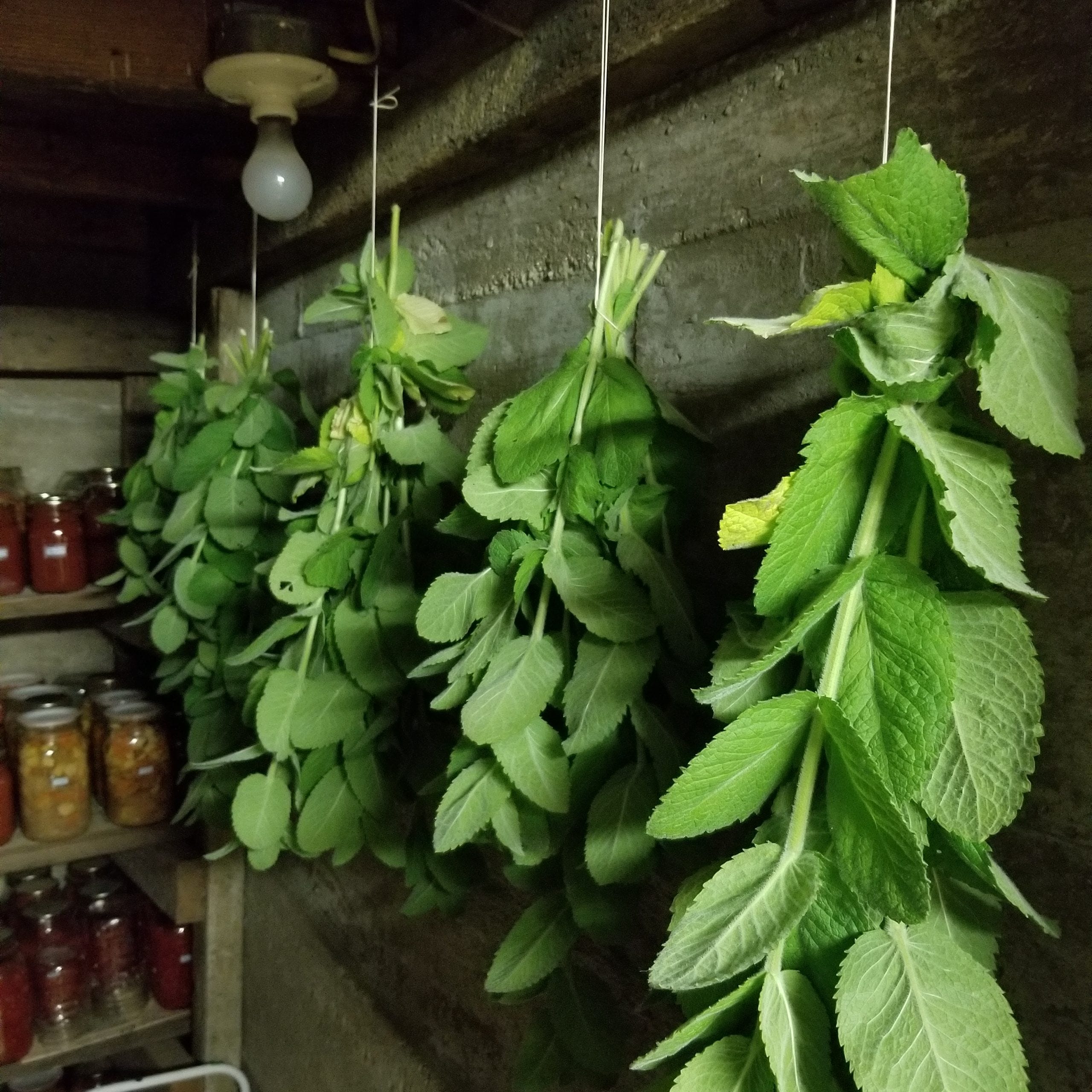
You don’t even need a dehydrator for everything. The mint plant I got as a cutting from my neighbor years ago still provides me with more than enough tea for the winter. I just cut the stems, tie them together, and hang them upside down until they’re dry and crumble easily.
I’ve focused on the dollars-and-cents aspects of gardening in this article. But don’t think that the value of a garden is purely economic.
There’s the time outdoors in the sunshine working and cheering your harvest along. There’s the food that’s better quality than you’d get from the grocery store. There’s the never-ending education gardening brings. There’s the satisfaction of walking steps into your yard or patio and providing food for yourself. There’s the satisfaction in developing self-reliance, even if it’s for only a smidge of your grocery needs.
For all that, why wouldn’t you try growing some of your food?
I’m the co-author of A Housewife Writes and author of Two Years as an Amish Schoolteacher, available on Amazon. (affiliate link) I love history and learning about the lives of our grandmothers who loved their families and managed their households. I share their stories and wisdom that are still meaningful as well as ways of keeping a modern home in the spirit of past times.
They go a little more rogue than that, actually. Many of them can using store-bought food jars with the metal lids they came with, like jam or spaghetti sauce or salsa.
Comments
Nothing yet. Say the first thing.
Sign in to join the conversation.