
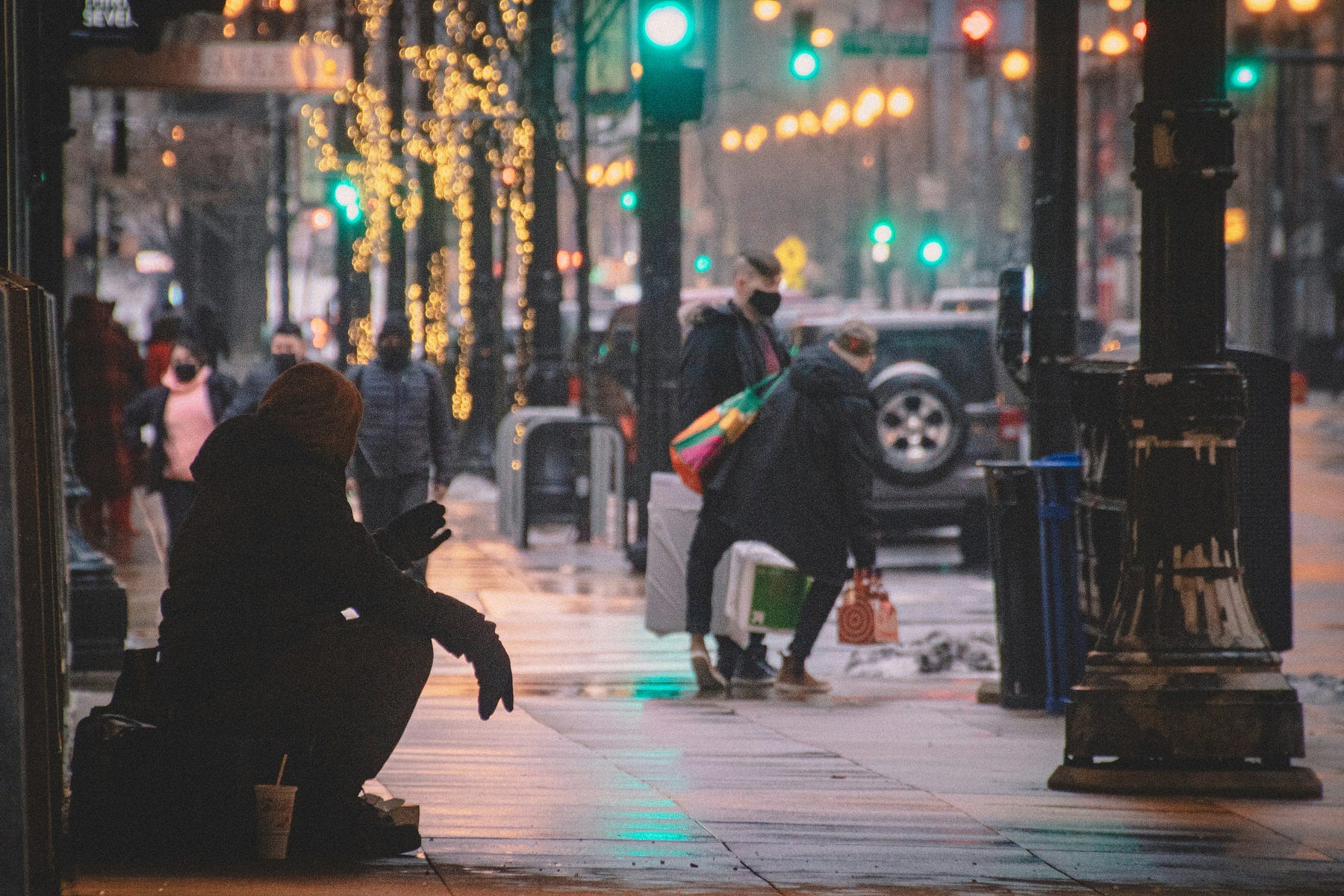
Powerlessness. That’s the most prevalent feeling these days.
Fear for the future, no stability, no safety, long hours, living paycheck to paycheck, trapped by debt and rising costs, and the feeling that our lives are going nowhere.
Behind the rhetoric there is just one core concept: survival mode.
When the system we live in is exploitative, we need to find ways to either survive it or escape it.
Reduce dependence. On anything.
The more your survival depends on a single employer, landlord, bank, or corporation, the more vulnerable you are.
When one income source covers rent, food, healthcare, debt payments, your child, and your dog, losing that job is a sudden catastrophe.
Here are some scary figures that paint a grim picture of the job market:
Last year, the number of total jobs created was revised down to just 181,000 — about 15,000 per month — the weakest non-recessionary year since 2003. (Groundwork Collaborative)
AI was cited as a factor in roughly 55,000 US layoffs, and total job cuts topped 1.17 million — the highest since the Covid-19 pandemic in 2020. (CNBC)
If we tie the job market to the trajectory of our lives, of course the future looks grim.
If you don’t have a job, how are you going to pay rent? And if you have a job, how long will it be until you lose it and can’t afford to pay rent?
Housing should be the center of the independence strategy, because rent is usually the largest monthly expense. When you rent, you’re paying for the landlord’s mortgage, taxes, and profit, while you stay locked into needing steady income.
I’m a landlord — I should know.
Every time I think of my tenants I’m praying they don’t lose their jobs, because I won’t have the heart to throw them out if they can no longer afford to pay, so we’re all screwed.
Comments
Nothing yet. Say the first thing.
Sign in to join the conversation.