
A few weeks ago, I virtually dialled into New Jersey to chair a public panel discussion marking the culmination of a project I’ve been consulting on for the past seven months at Stockton University, New Jersey, USA. Having consulted on and facilitated a range of intergenerational and age-inclusive initiatives over the years, I can honestly say it was one of the most moving and meaningful initiatives I’ve had the privilege to be part of.
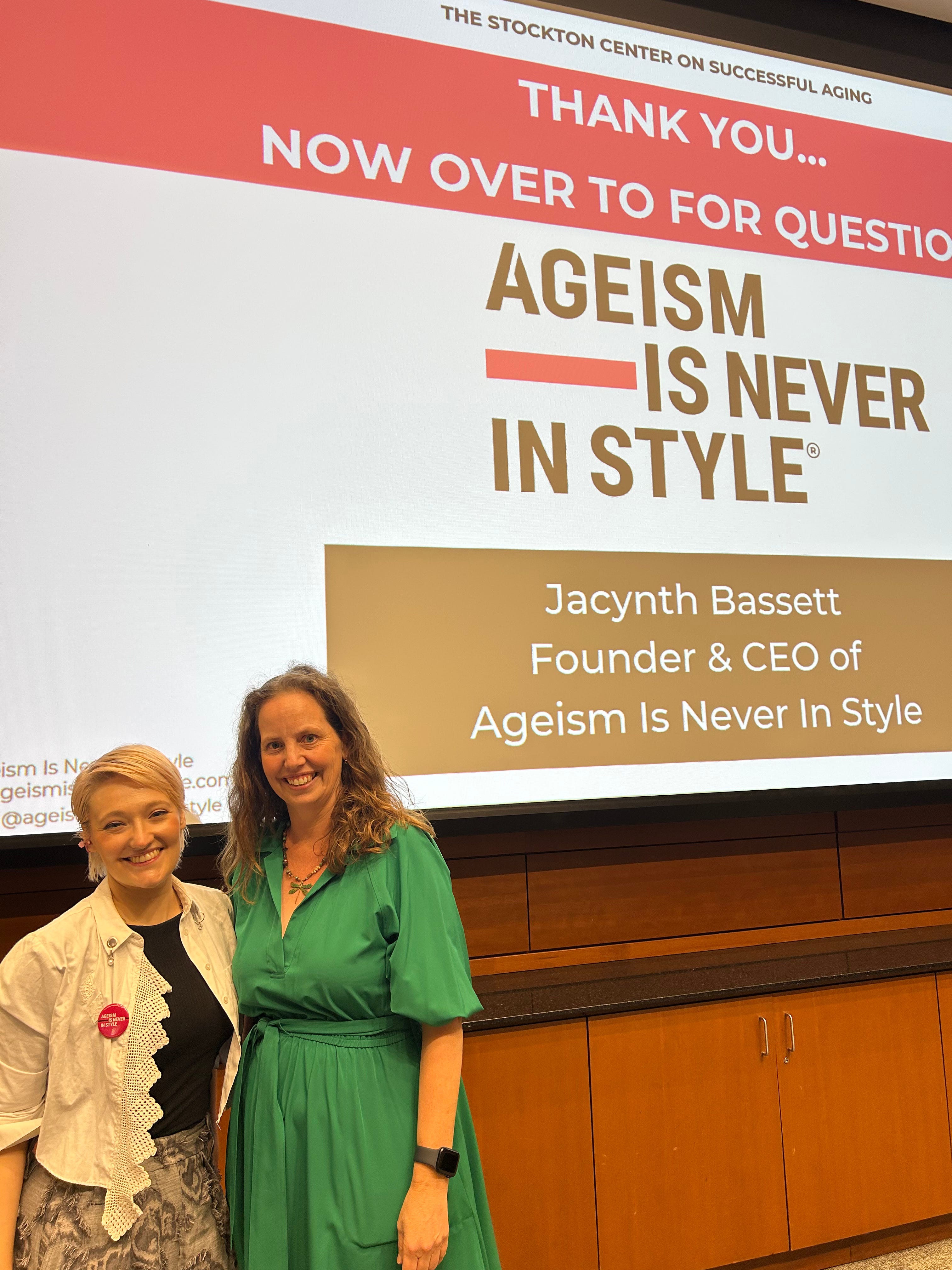
The project piloted was an intergenerational service-learning programme through the Stockton Center on Successful Aging (SCOSA) at Stockton University. SCOSA itself is a university-based organisation focused on research, education and community outreach to enhance quality of life for older adults, with intergenerational programming sitting at the heart of its work.
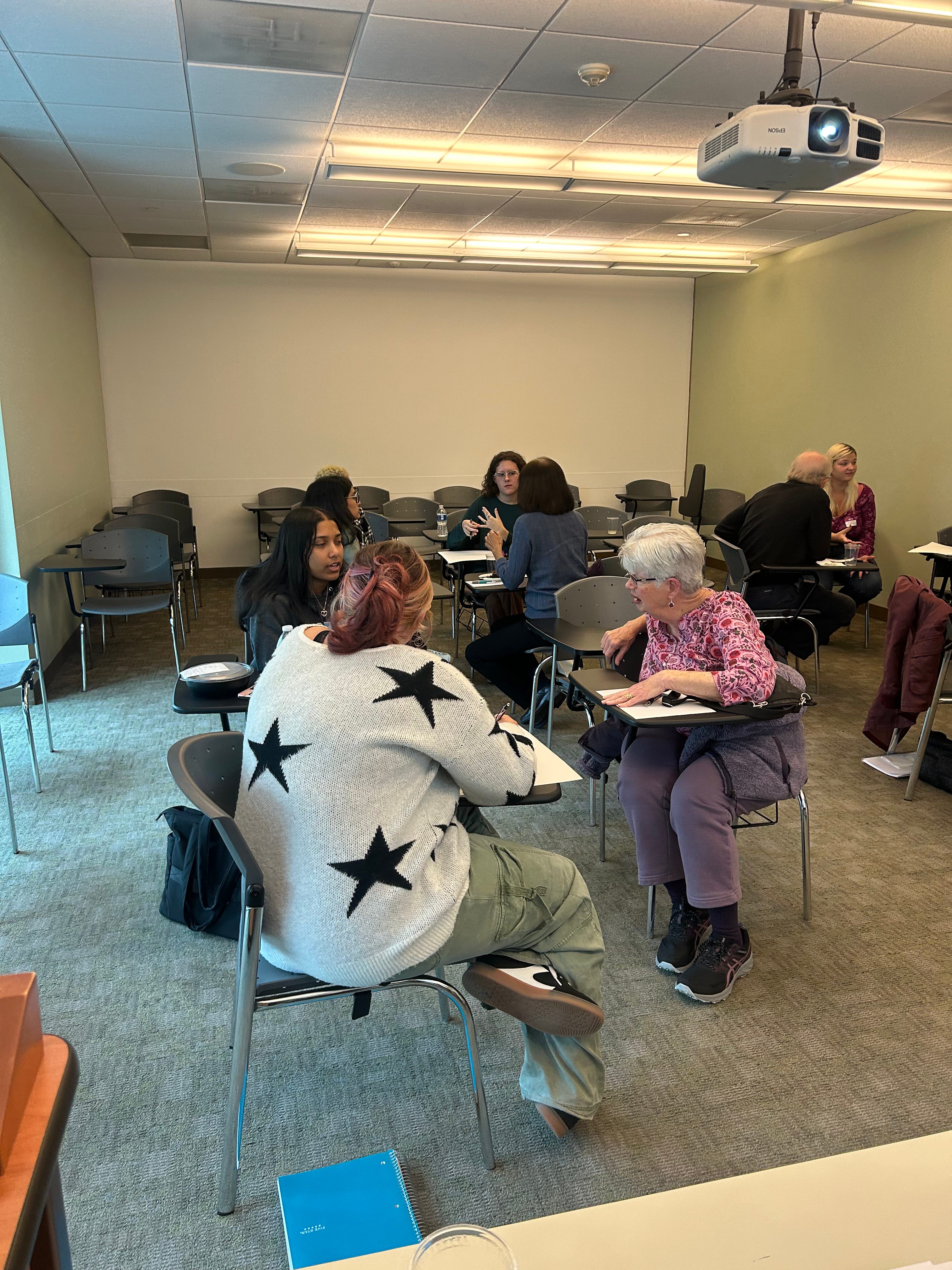
Service learning projects combine education with meaningful community engagement, by offering a hands-on practical way for students to actively participate and learn as part of their courses. And this particular project sought to create structured, sustained opportunities for reciprocal learning and collaboration - spaces where younger students and older adults could work with one another rather than simply learn about one another, in service of others.
So when Dr Christine Ferri, Director of SCOSA and Associate Professor of Psychology at Stockton University, first reached out to invite me to deliver a in person keynote on the power of intergenerational connection for Ageism Awareness Day in October 2025 - followed by facilitating an in-person workshop to help shape the initiative, and then ongoing consultancy support - I was on board.
The keynote and workshop themselves were a huge success, with a fantastic turnout from both students and community members alike (particularly impressive, I’m told, for a Friday afternoon).
But what followed became something far more powerful than I could have anticipated
Over the following seven months, a small steering committee made up of students, community members, Christine, her colleague Fionna Janson, and myself met once a month on Friday afternoons to take the project from concept to execution. It became a beautiful demonstration of intentional intergenerational collaboration in action, brilliantly led by Christine and Fionna, whilst I supported in helping facilitate the process and shape the thinking behind it.
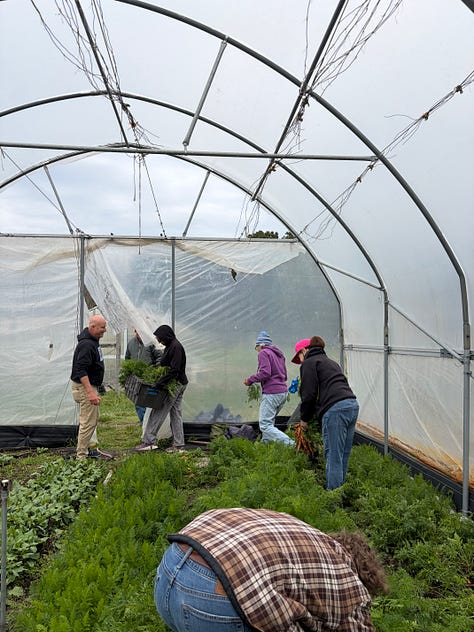
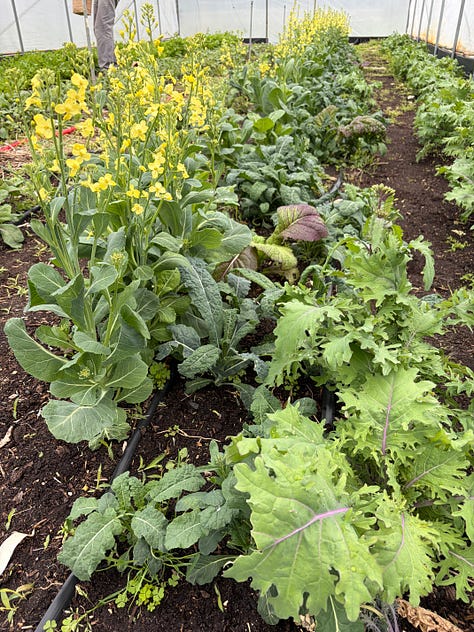
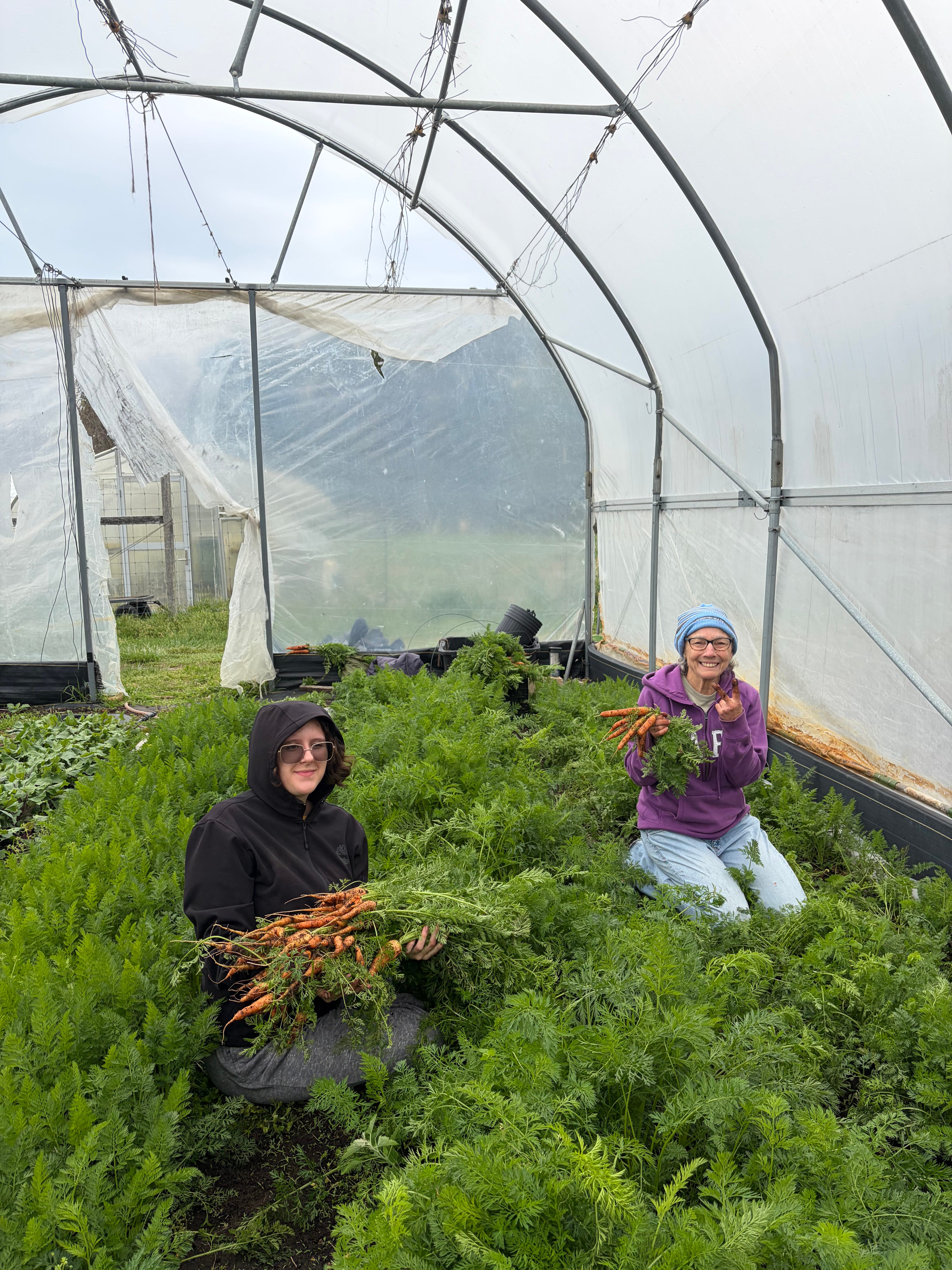
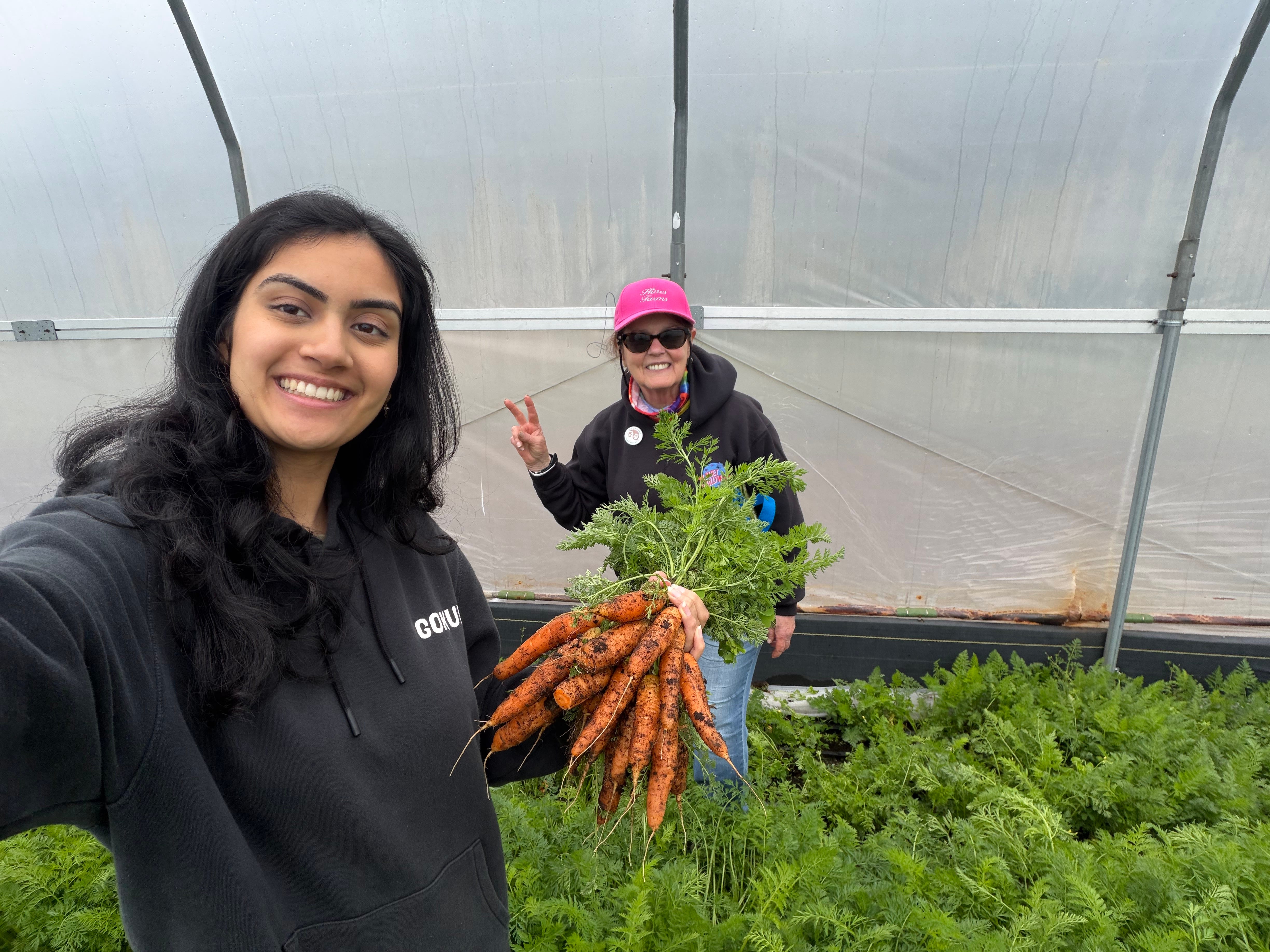
What emerged were projects centred around health, nature and shared learning. There was a book club where participants explored Laurie Zaleski’s extraordinary animal sanctuary in Mays Landing, New Jersey, and others took part in actively working on and supporting Stockton University’s community farm.
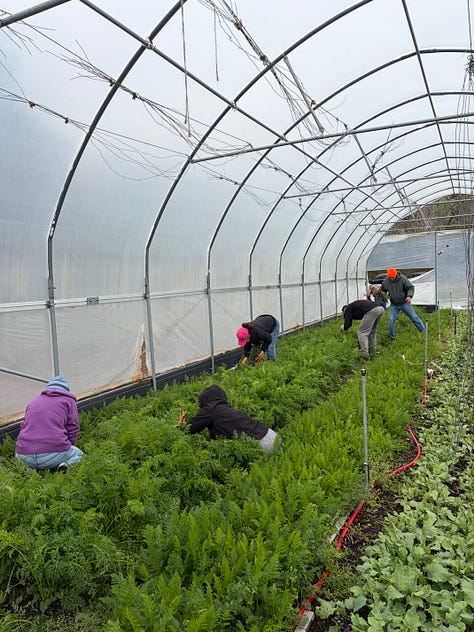
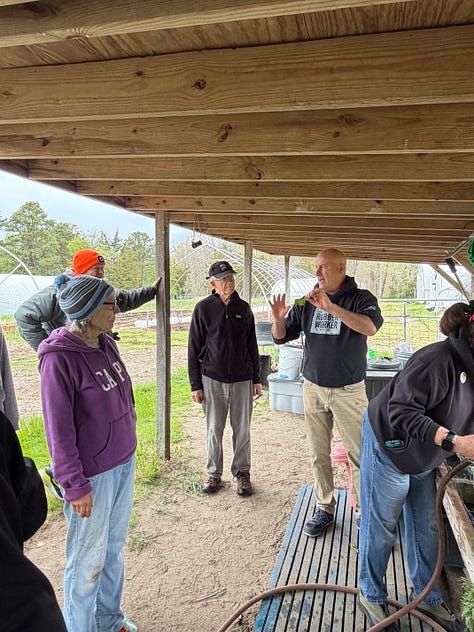
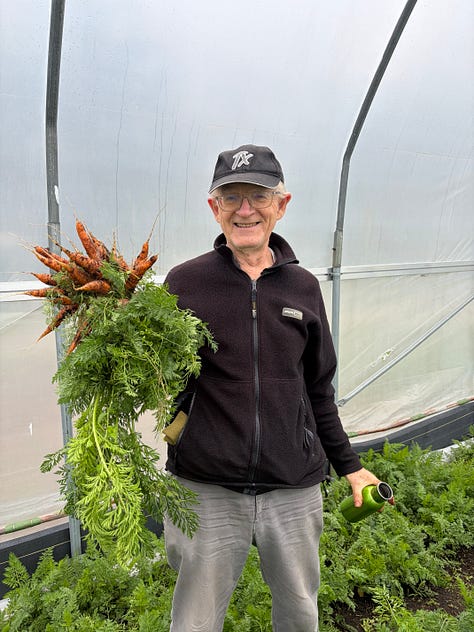

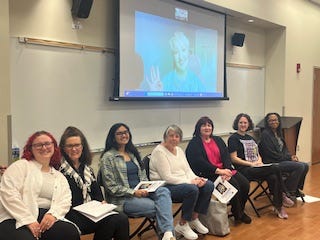
But rather than walk you through the mechanics of the project itself, I want to share some of the key insights that have emerged - from my experience working on it, as well as other intergenerational projects, and from the panel discussion I chaired in May, where participants reflected on what the initiative had meant to them.
Because if we genuinely want to build more age-inclusive workplaces, communities and cultures, these are lessons all of us can learn:
1. Intergenerational connection has to be designed intentionally
One of the most important observations made during the panel was that intergenerational collaboration doesn’t just happen organically. We have to create structures that intentionally bring different age groups together - especially because modern life is increasingly siloed by age (something you know myself and Avivah Wittenberg-Cox championed in our joint 2025 campaign Intentionally Intergenerational).
But how you do this can vary depending on the environment and audience.
In some cases, being explicit works well. And that’s what we did here. Openly framing something as “intergenerational” can attract people who already understand the value of generational connection and are actively seeking it out. That was certainly helped by my October keynote establishing why this work matters.
But in other settings, a more subtle approach can actually be more effective. Some people don’t immediately connect with - or even fully understand — the term “intergenerational”. So instead, you design programmes around shared goals: learning, upskilling, development, wellbeing, creativity, volunteering, mentoring etc. The intergenerational element is embedded intentionally within the structure, rather than being the headline.
I’ve found this approach particularly powerful in environments where there may be more resistance or tension between generations due to stereotypes or assumptions. Because what people often resist conceptually, they embrace experientially once they’re actually in the room together.
2. Incentives are not the enemy
There’s often an assumption that people should engage in intergenerational initiatives purely out of altruism or goodwill. But the reality is, many people initially join for practical reasons - and that’s completely fine.
For some students in this project, participation aligned with future career aspirations in medicine and healthcare. Others may have joined for academic credit or professional development. And, in other intergenerational settings, incentives might even be financial, as we see with many intergenerational housing schemes.
There is absolutely nothing wrong with leveraging incentives to encourage participation.
Because what I’ve consistently found is that while incentives may open the door, they are rarely what people walk away talking about afterwards.
The real impact comes from the unexpected human connection, the perspective shifts, the empathy, the friendships and the sense of shared purpose participants gain along the way. The initial motivation may be practical, but the lasting impact becomes deeply personal.
3. Shared learning is one of the most powerful connectors and levers we have
Both the book club and the community farm initiative were grounded in shared learning: people of different generations coming together not simply to socialise, but to collectively engage in something meaningful, and learn something new.
And that shared purpose and common ground mattered enormously.
As one participant beautifully put it during the panel discussion: “We all want fulfilment, and we all want to learn. This gave us a space to learn from each other, and with each other.”
Shared learning creates unusually fertile ground (pardon the pun) for intergenerational connection because it places everyone on equal footing. Of course, people bring different experiences, skills and perspectives - that’s precisely the value of intergenerational collaboration - but everyone starts the journey together. And it’s that opening of opportunity to learning together that builds connection.
What emerged was an environment participants described as “intimate, collaborative and deeply supportive”. There was shared stewardship over the projects because everyone felt invested in them equally, having begun at the same starting line, and with the shared appreciation and commitment that they wanted to:
a) learn from others,
b) share their own insights and wisdom and,
c) learn something new together.
One participant reflected that the “magic” and uncertainty of learning together:
“You don’t know where you’re going, you don’t know what to expect. So everything you learn together is a plus. You start and finish together.”
(note: a similar theme has equally emerged from our upcoming global report on longevity, multigenerational workforces and AI with Kantar - stay tuned).
4. Intergenerational connection matters beyond family structures
When we talk about intergenerational relationships, we often default to family dynamics - grandparents, parents, children. And of course those relationships are important, and can often be the root of where intergenerational connection begins.
But an important live insight from this project was the reminder that meaningful intergenerational connection does not have to exist solely within familial structures.
One student shared that she hadn’t grown up particularly close to her grandparents. But through the programme, she realised the older adults she connected with were not simply “surrogate grandparents”. They were people. Friends. Humans. Individuals she could speak openly with about topics that may be less comfortable or appropriate in family dynamics. And perspectives on life, relationships and uncertainty were less reserved and more objective.
Another participant explained that her grandmother had passed away shortly before the programme began and, as a result, she nearly declined participating because she didn’t want to spend time with what she described as “other people’s grandparents”.
But, as she reflected later, that assumption itself was rooted in stereotype. The people she met weren’t defined solely by age or family roles. They were complex, interesting individuals. And she needed to bond with older people beyond a family context because the experience not only transformed how she viewed older adults, but it made her feel more comfortable approaching people generally, and it genuinely helped her process grief in the process.
5. Intergenerational work teaches you about yourself, not just others
Perhaps the most striking theme that emerged from the panel was that participants were often most surprised not by what they learned about other ages, but by what they learned about themselves.
Of course, the project challenged stereotypes and assumptions across age groups. It fostered empathy, compassion and understanding. One older participant spoke about being able to relate to the struggles a younger student was experiencing because she remembered navigating similar feelings herself. And another noted how it helped younger participants appreciate and be exposed to the skill and labour required to produce food - and realise, yes, you really can have a life over 50!
But participants also repeatedly described the experience as creating space for reflection, how it helped them address their own sense of loneliness and isolation (which one commented is one of the hardest parts of getting older), and how the program brought out their own courage and curiosity.
What’s more, it was an opportunity to recognise that, despite differences in age or life stage, we are often far more alike than we imagine.
As one participant, Elizabeth, put it so simply and beautifully:
“Whatever age you are, whatever life stage you are at - this is everyone’s first life. We are all learning. There’s really not that much difference between us.”
And honestly, I think that captures the heart of intergenerational work.
I’ve spoken and consulted on for years the value and richness of intergenerational initiatives, both personally and professionally. And witnessing this one evolve in real time from early conversations and workshop sessions through to genuine human connection and transformation - was incredibly impactful.
There was such mutual respect, admiration and care between everyone involved. And perhaps most importantly, nobody wanted it to end.
So it’s safe to say the pilot was a success, and will be continuing. As one student said during the panel, the experience had been “life-changing”.
And at the close of the discussion, everyone agreed: “Let’s continue to grow what we planted together.”
Comments
Nothing yet. Say the first thing.
Sign in to join the conversation.