
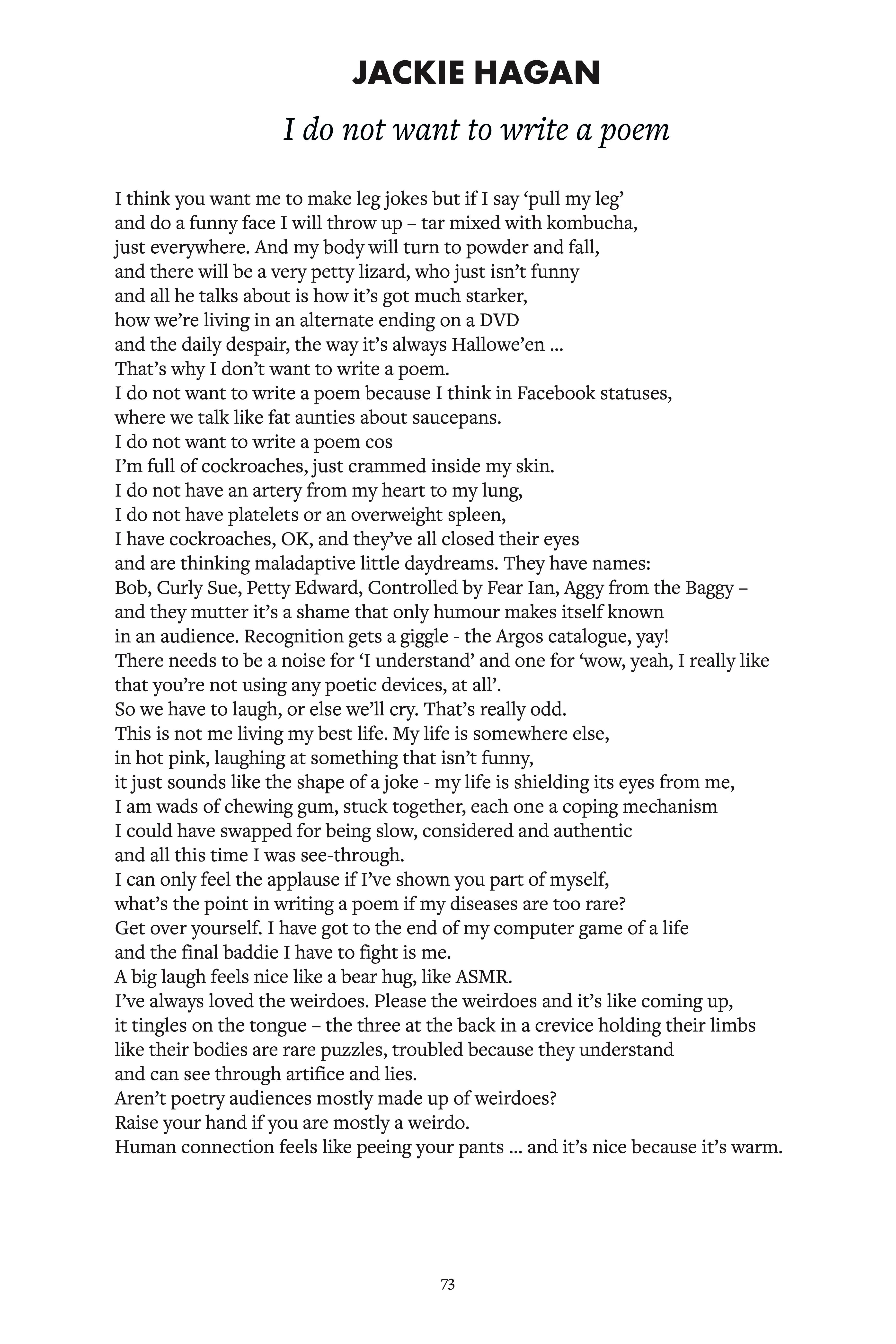
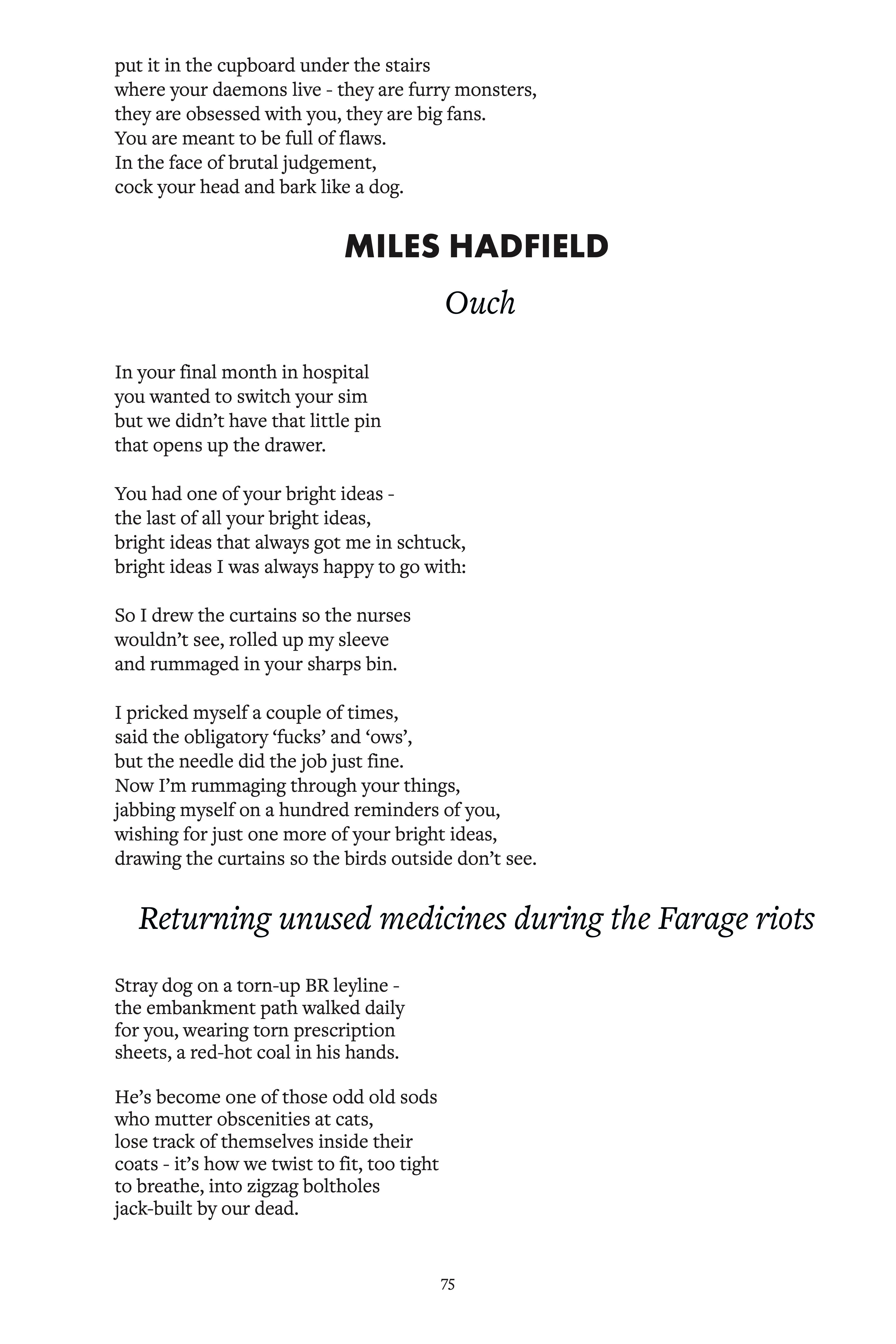
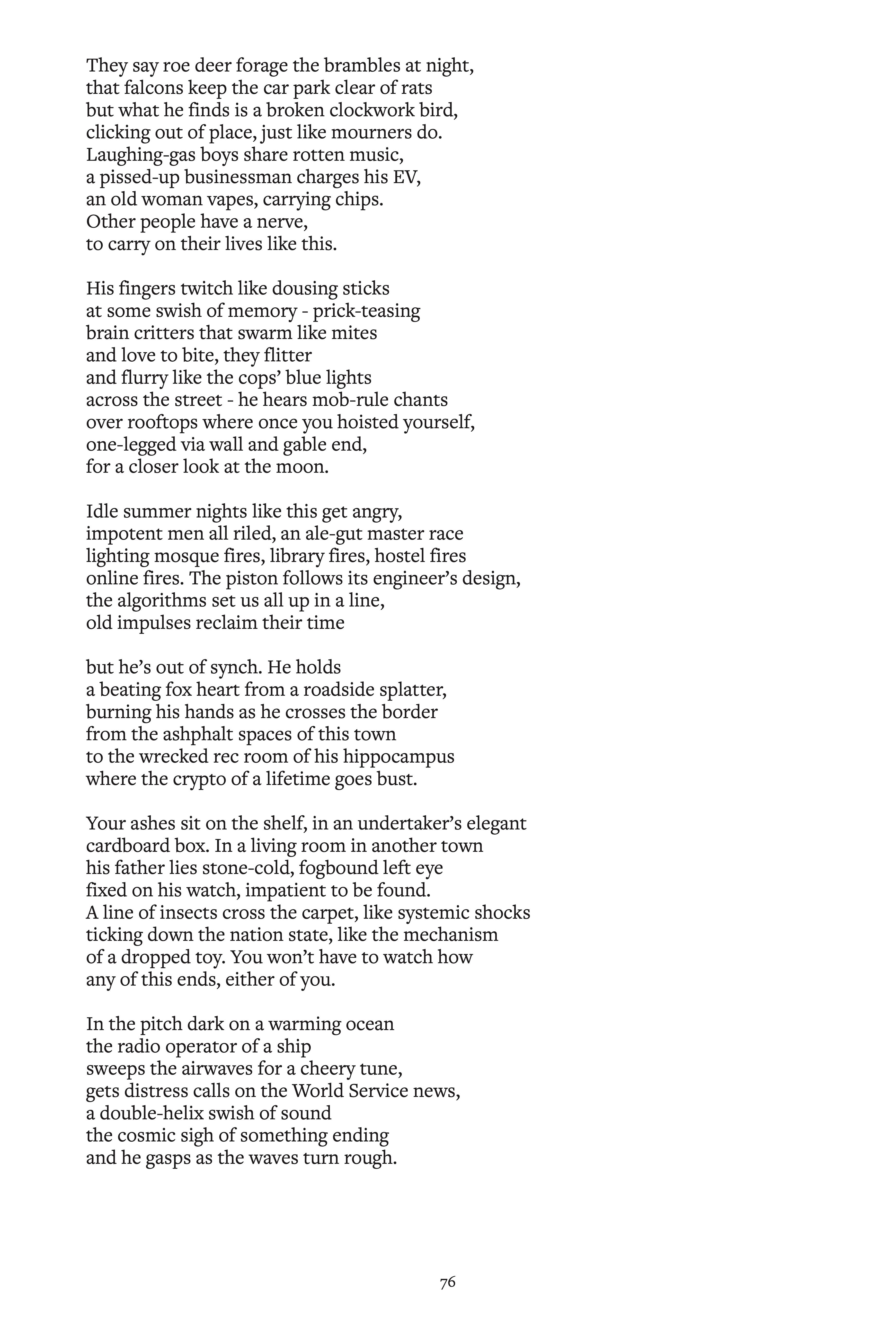
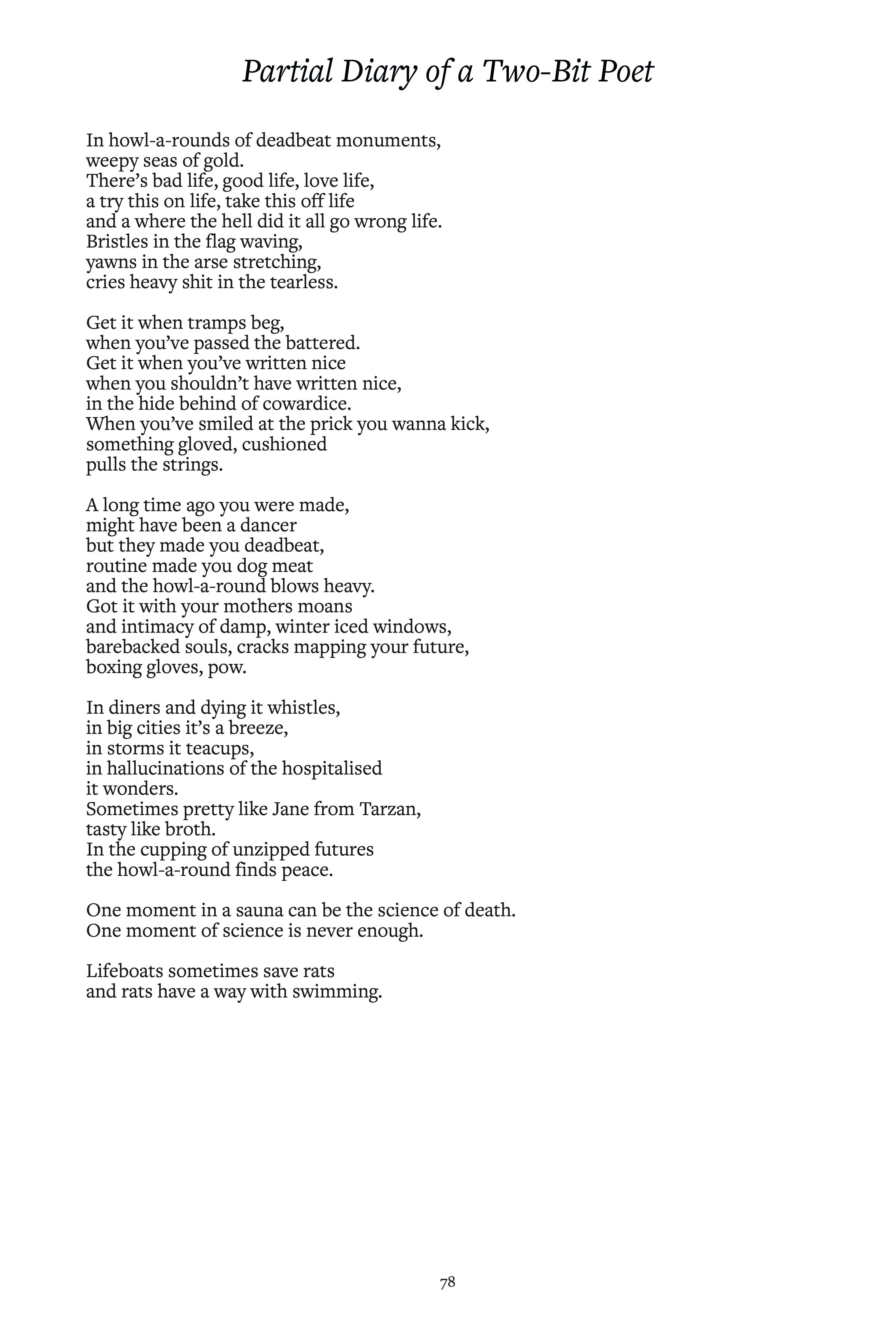
As we become ever bigger at Aftershock HQ I am streamlining certain things. One way is to upload more of the poems from Issue One so we can move beyond it. A good way to start that is to publish the eighth section in memory of Jackie Hagan in full here below.
When I came back from London, sober and clean, after twelve years away from much of my poetry community, I found myself thinking about the people I wanted to reach out to. Jackie was one of them.
The Aftershock Review is a reader-supported publication. To receive new posts and support my work, consider becoming a free or paid subscriber.
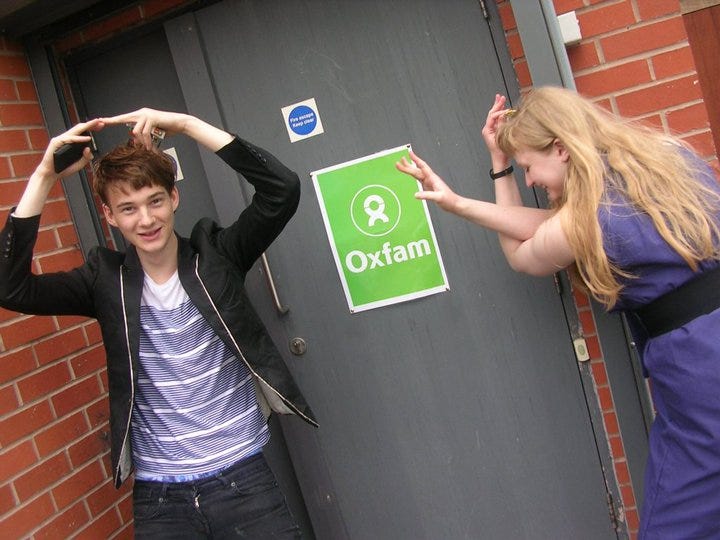
Me and Anna outside Oxfam.
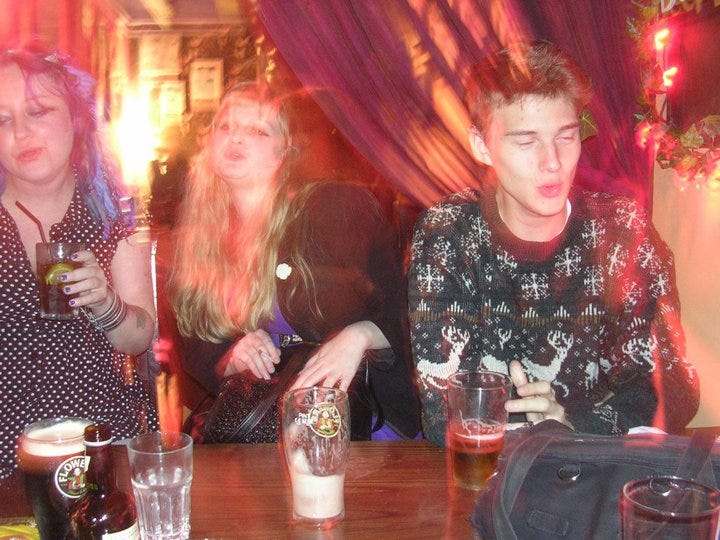
(A lifetime, before a lifetime, ago.)

I had known her through the poetry world, through performance, through that wild, generous, northern ecosystem of poets. I thought, one day, I would message her. I thought there would be time.
Then Jackie died, around the time I was beginning to imagine getting back in touch.
That is one of the brutal lessons of returning to a life after a long absence. You come back changed, full of intention, full of apologies, full of hope, and discover that the world has not waited. People have moved, suffered, died, survived, disappeared, become ill, become famous, become parents, become ghosts. The old rooms are still there, but not everyone is in them.
In part, though, Jackie’s death also brought people back together. Anna and I reconnected. Others circled. The poetry community, in its strange, fractured, stubborn way, remembered how to gather.
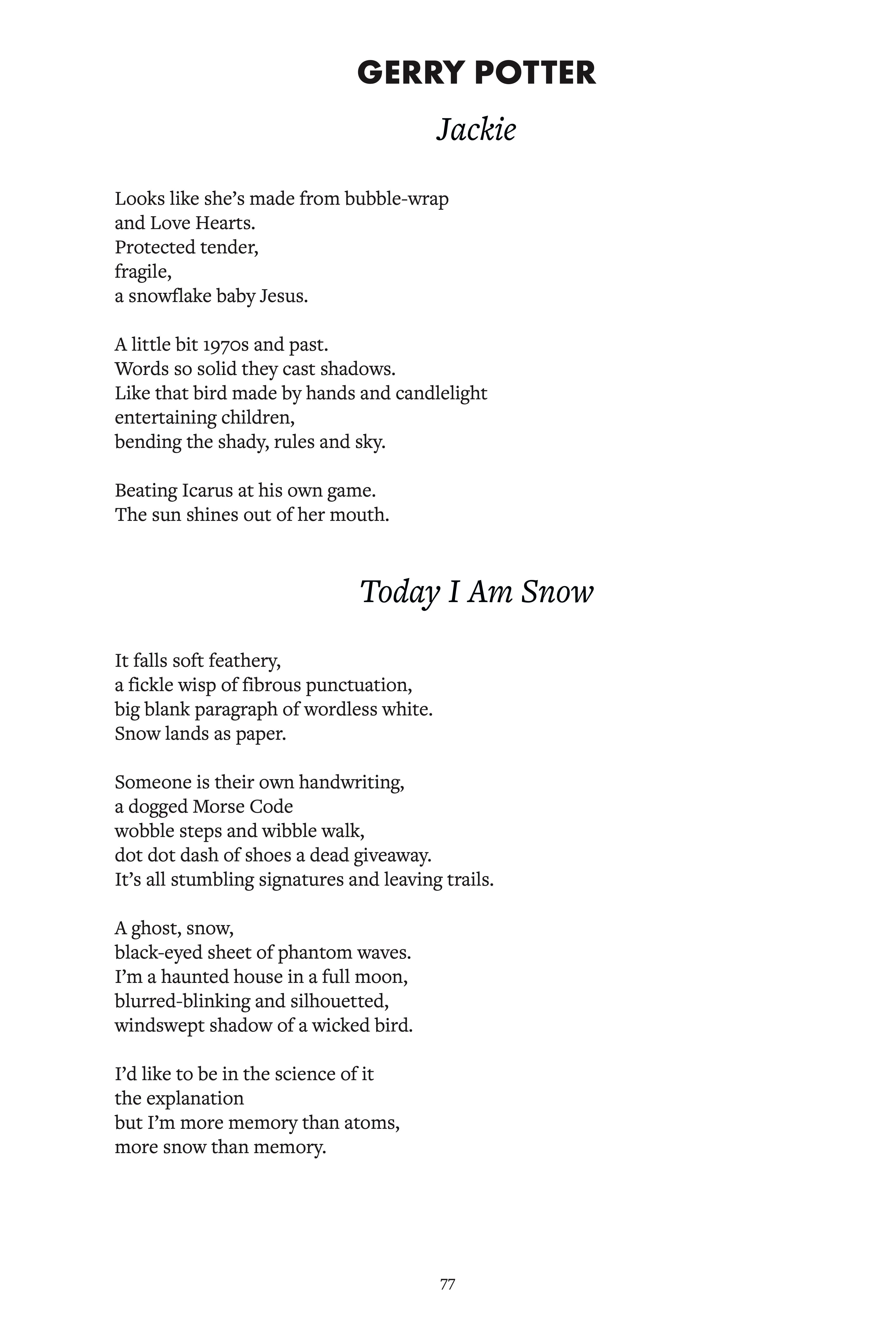
I wanted to devote part of Issue One to Jackie not because The Aftershock Review could somehow contain what she meant, but because it could make a space around her. A little orbit. A place where her own final poem could sit beside Miles’s grief, beside Gerry Potter’s tribute, beside poems that understood illness, survival, humour, rage, love and the body as things that cannot be tidied into one clean category.
Jackie’s work mattered because it refused that tidiness. She could be funny without being light. Devastated without being defeated. Political without becoming abstract. Tender without becoming soft. She knew the body as a site of pain, performance, comedy, indignity, fury and brilliance. She made language out of what many people are taught to hide.
That feels central to Aftershock.
Issue One was about naming the damage. But this section was also about naming love. The love that remains after illness. The love that survives the bureaucracies of hospitals, the absurdities of care, the little pins for SIM cards, the impossible errands of grief. The love between poets. The love inside communities that do not always know how to hold each other until loss forces their hands open.
Publishing this section now feels like a way of saying: here she is. Here we are. Here is one of the emotional centres of the first issue.
And here, too, is the beginning of our movement beyond it.
Much love,
Max Wallis
Comments
Nothing yet. Say the first thing.
Sign in to join the conversation.