
Existence in Ruins
Poems by Katy Evans-Bush, Rhian Elizabeth and Gwyneth Lewis from Issue One of The Aftershock Review
I began The Aftershock Review when my own existence was very much in ruins. Addiction had done its long, freezing work, and sobriety was the cold-plunge, bolt-upright shock that made me reel: suddenly aware of what my life had become, with no clue what it might become next.
So I turned to poetry, trying to find a home again. And I did. It was a whole house at night with the light still on, waiting, door unlocked, ready.
I contacted poets. I scrambled with ideas. I built the thing from what I had left: grief, nerve, panic, tenderness, a printer’s quote, a Substack page, a Crowdfunder and a Duotrope and an inbox full of poems, all bound together with the stubborn belief that the aftermath deserved a language, and place, of its own. Not to mention my two contributing editors, Suzi Feay and Dr Anna Percy.
In Existence in Ruins, the poems move through broken landscapes of the self, of others, and of the world around them with exacting clarity and nerve.
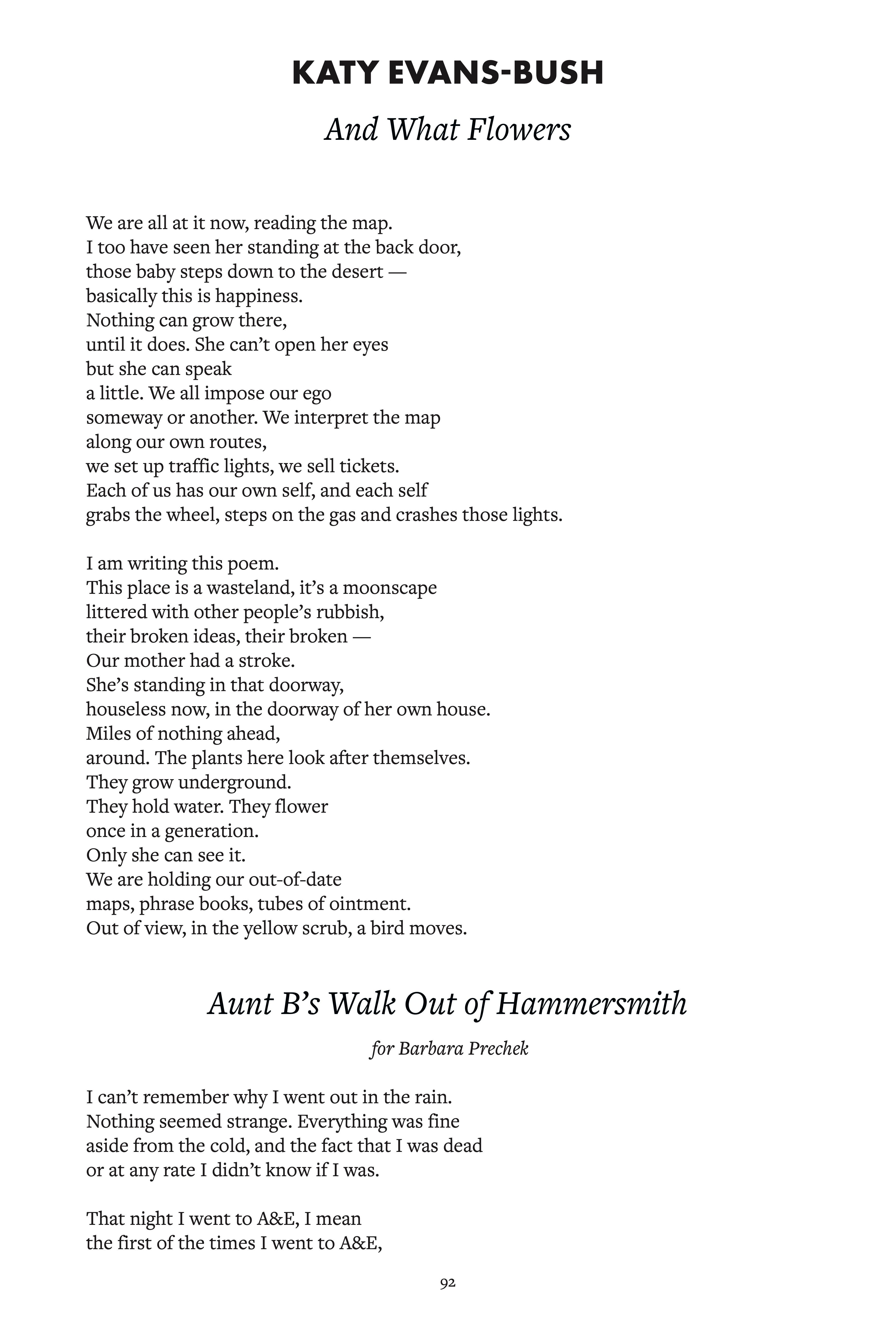
Katy Evans-Bush’s “And What Flowers” gives us a mother after a stroke, standing “houseless now, in the doorway of her own house,” while those around her hold “out-of-date / maps, phrase books, tubes of ointment.” It is a poem about care, failure, bewilderment, and the private life still going on inside a person others cannot fully reach.
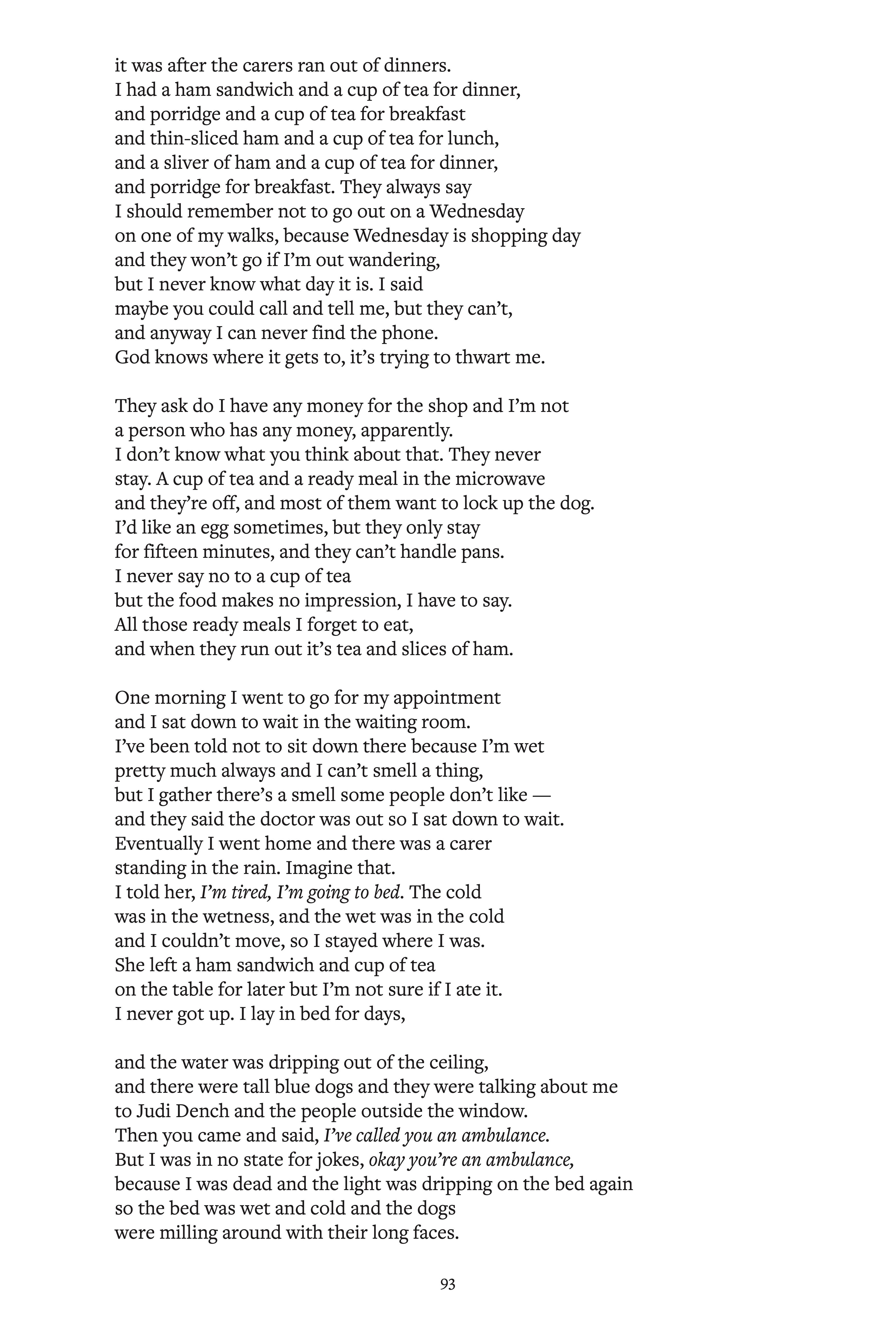
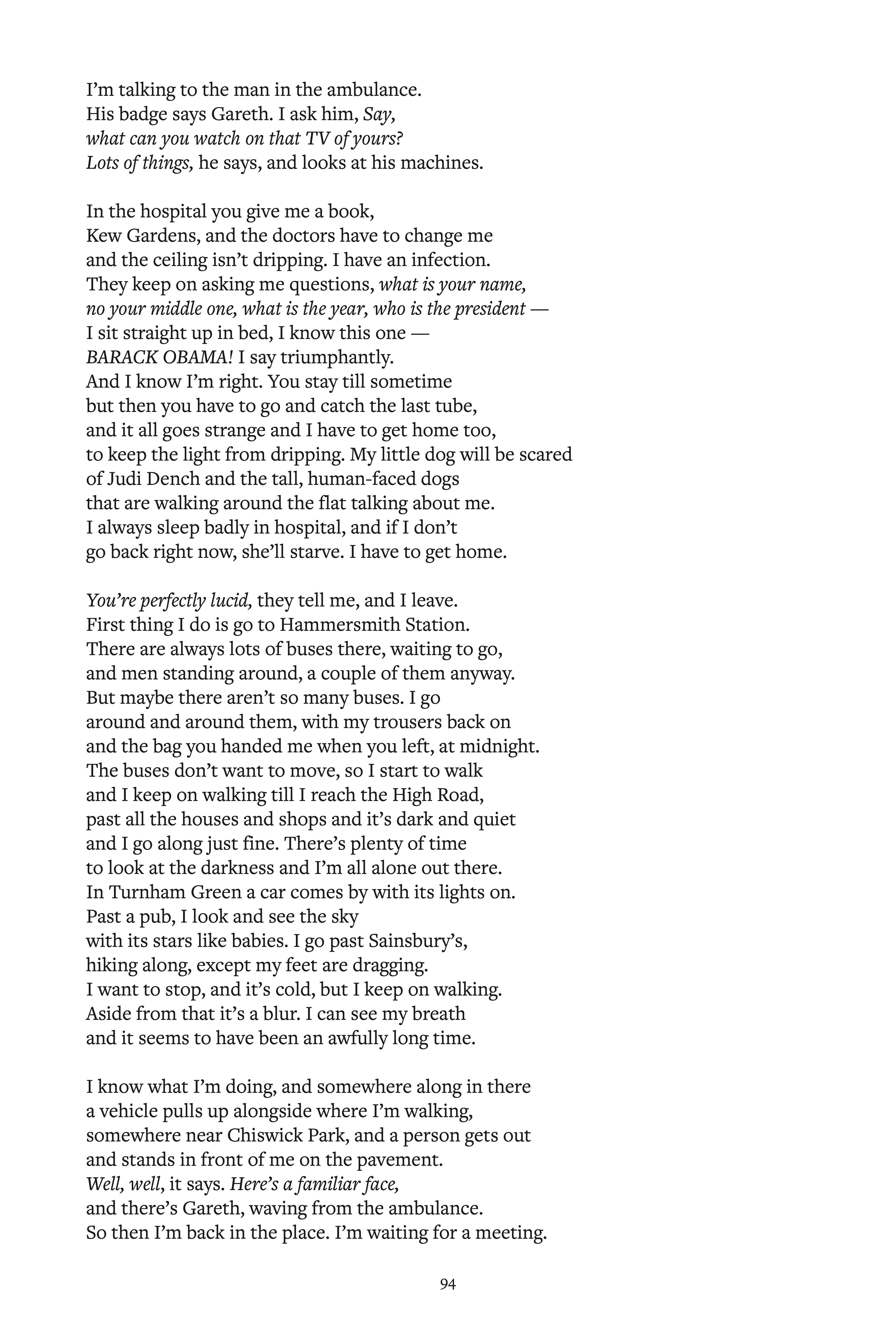
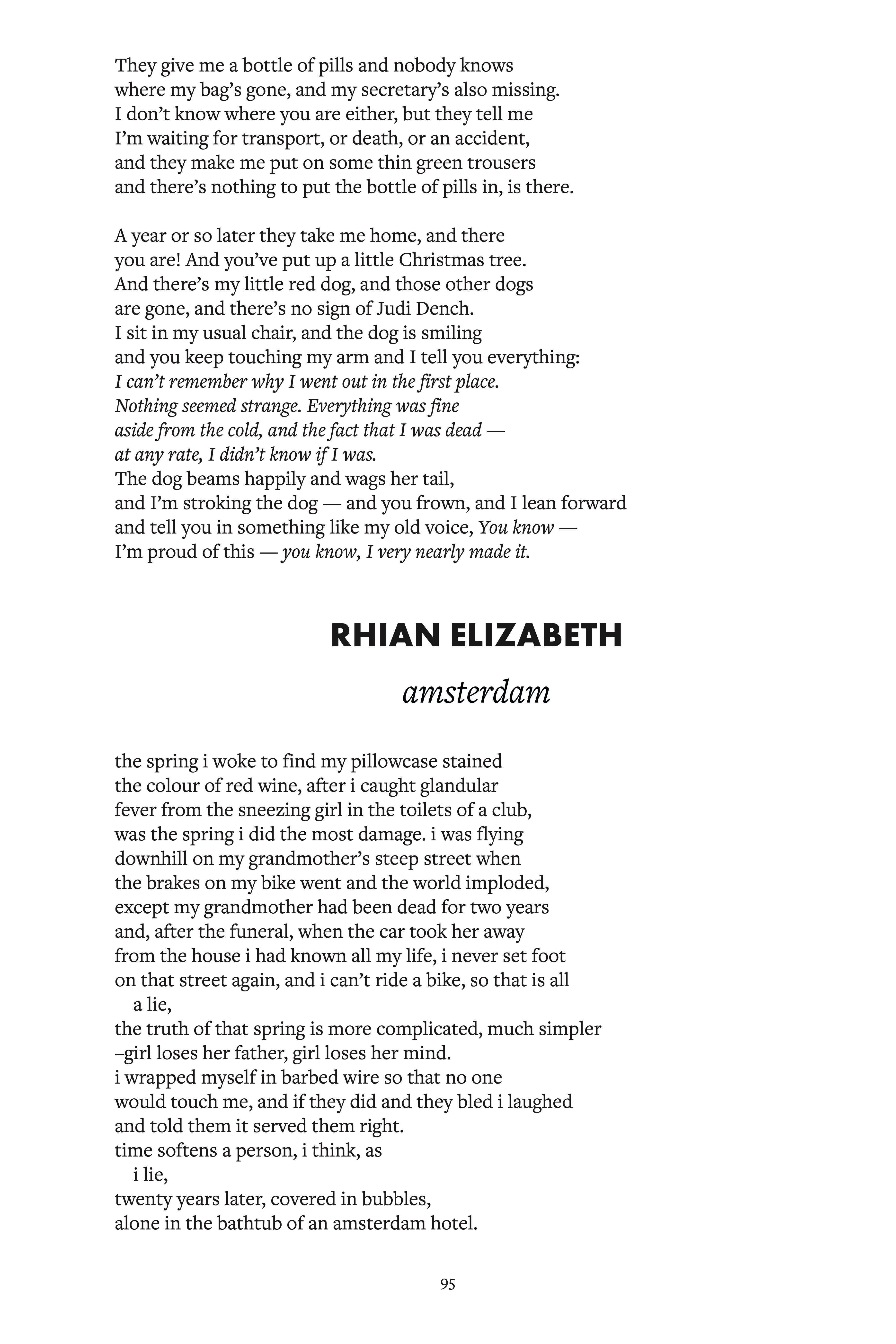
Her “Aunt B’s Walk Out of Hammersmith” enters the frightening logic of illness and cognitive disorientation: food forgotten, days slipping, carers coming and going, the body cold and wet, the mind making its own urgent sense of collapse. “Nothing seemed strange. Everything was fine / aside from the cold, and the fact that I was dead.” It is devastating because Aunt B is never only vulnerable. She is funny, stubborn, vivid, still trying to get somewhere.
Rhian Elizabeth’s “amsterdam” cracks grief down to its simplest, hardest truth: “girl loses her father, girl loses her mind.” The poem understands how grief can make a story lie before it can tell the truth. Its violence turns inward, then outward, then softens years later into the strange solitude of a bath in Amsterdam. I adore this poem so much, and Rhian latterly became a good friend partly because of our kinship over ridiculous cats.
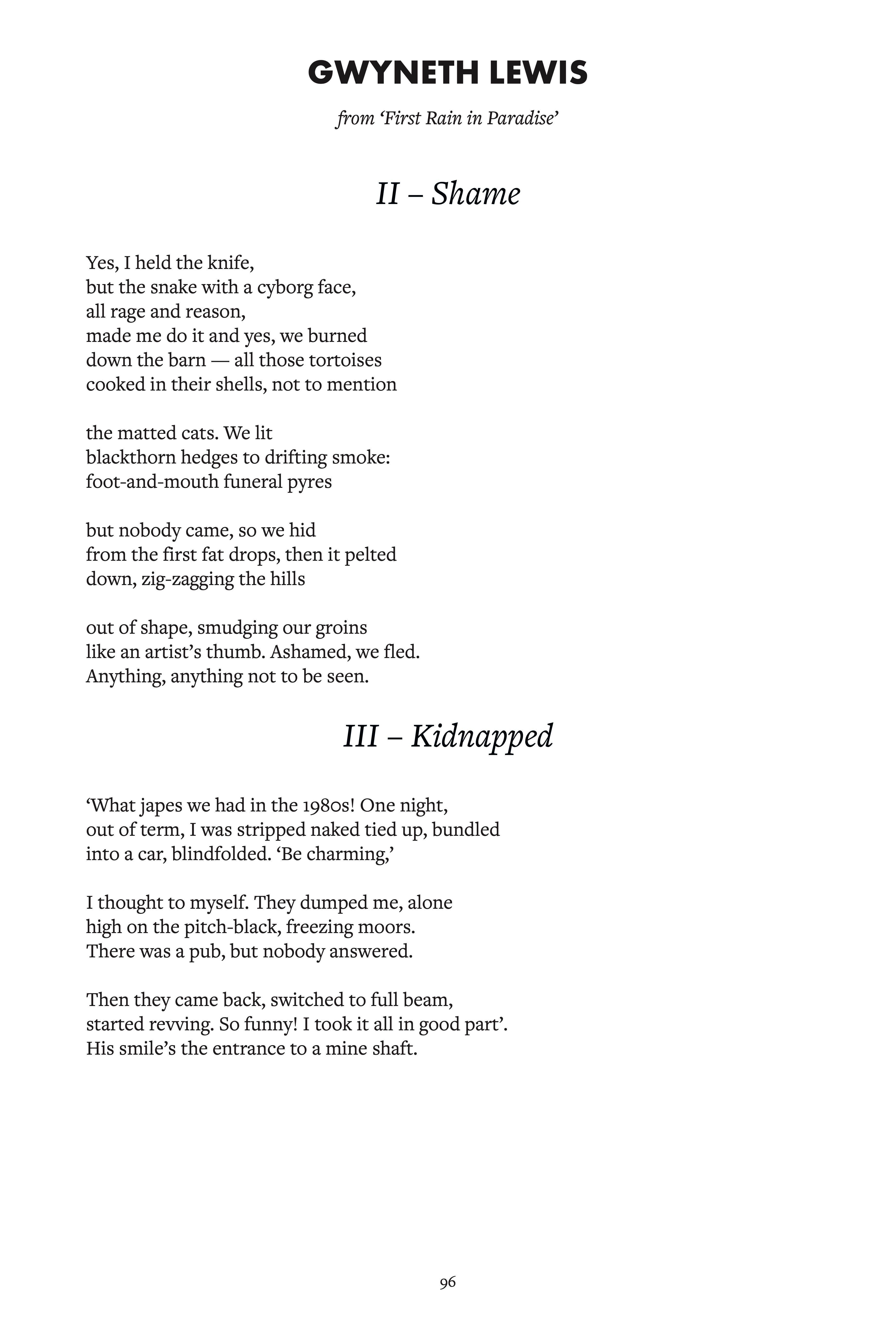
Gwyneth Lewis’s “II – Shame” and “III – Kidnapped”, both from “First Rain in Paradise”, bring shame and violence into the open. In “II – Shame”, shame sends the speaker fleeing: “Anything, anything not to be seen.” In “III – Kidnapped”, violence is carried as anecdote, polished into social performance, until the final image opens underneath it: “His smile’s the entrance to a mine shaft.”
Still, life moves under the rubble.
Max Wallis, June 2026
Comments
Nothing yet. Say the first thing.
Sign in to join the conversation.