

Welcome back to this weeks’ news. Here are the headlines:
AAG Cardiff (Sept 29, UK): AAG opened a new 115,000-sq-ft Cardiff hub, doubling capacity and boosting next-day delivery.
Apec Truck (Sept 26, UK/Europe): Apec Truck added seven new R90-certified brake pads with a 12-month warranty.
NAPA Truck (Sept 23, UK/Europe): NAPA Truck launched seven new R90-approved brake pads tested to 300,000 km.
Brembo (Sept 26, IT): Brembo unveiled 100% recycled-aluminium calipers, cutting CO₂ by 70%.
ATR / OSRAM (Sept 25, DE): ATR’s Berlin forum celebrated suppliers, while OSRAM’s LED Speed won Product of the Year.
Tariffs (Sept 22, US): US demand for EU aftermarket parts fell 24% amid tariff uncertainty.
UK EV Workshops (Sept 24, UK): Over 80% of UK independents are now EV-ready, trade bodies urge data access.
GSF (Sept 22, UK): GSF opened new branches in Leigh and Swindon, growing its network to 205.
AD Auto Total (Sept 26, RO): AD Auto Total was named a finalist in Romania’s BVB Arena financing program.
SAG (Sept 12, CH): Swiss Automotive Group gained a new anchor shareholder for long-term stability and growth.

September 29, 2025 – United Kingdom
Alliance Automotive Group (AAG) announced the relocation of its Cardiff regional distribution centre to a purpose‑built 115,000‑sq‑ft facility near Junction 34 of the M4 motorway. The new hub provides twice the capacity of the previous site and features improved racking, loading bays and energy‑efficient lighting.
AAG said the move will enable faster order processing and allow it to broaden the product ranges of its key brands—Apec, NAPA, Valvoline, Brembo, NRF, Bosch and Osram. The Cardiff site forms part of AAG’s UK logistics network alongside hubs in Leeds, Glasgow and Southampton. The company aims to optimise next‑day delivery service across Wales and south‑west England.1
What this means: AAG’s investment underscores the importance of modern distribution infrastructure in the independent aftermarket. By increasing warehousing space and improving motorway access, the group can stock a wider range of parts and deliver them more quickly to workshops. The move is also a signal of confidence in regional demand and may intensify competition with other distributors. Companies operating in central and eastern Europe should note that improved UK logistics could enhance cross‑border supply and set a precedent for similar upgrades elsewhere.
September 26, 2025 – United Kingdom / Europe
Apec Truck expanded its commercial‑vehicle brake programme with seven new brake pad references covering major truck and bus manufacturers. The pads are constructed from high‑quality steel and incorporate noise‑reducing shims, chamfers and slots for improved performance.
They carry ECE R90 certification and a 12‑month warranty. The launch comes alongside Apec’s broader braking solution that includes discs, drums, caliper repair kits and ABS sensors.2
What this means: The introduction of new pad references reinforces Apec Truck’s OE+ positioning and gives independent workshops broader coverage for fleet repairs. For distributors in Poland, Czechia and other CEE markets, the certified pads provide an alternative to OE components and could help service providers maintain regulatory compliance. The 12‑month warranty also signals confidence in durability, an important consideration for commercial operators.
September 23, 2025 – United Kingdom / Europe
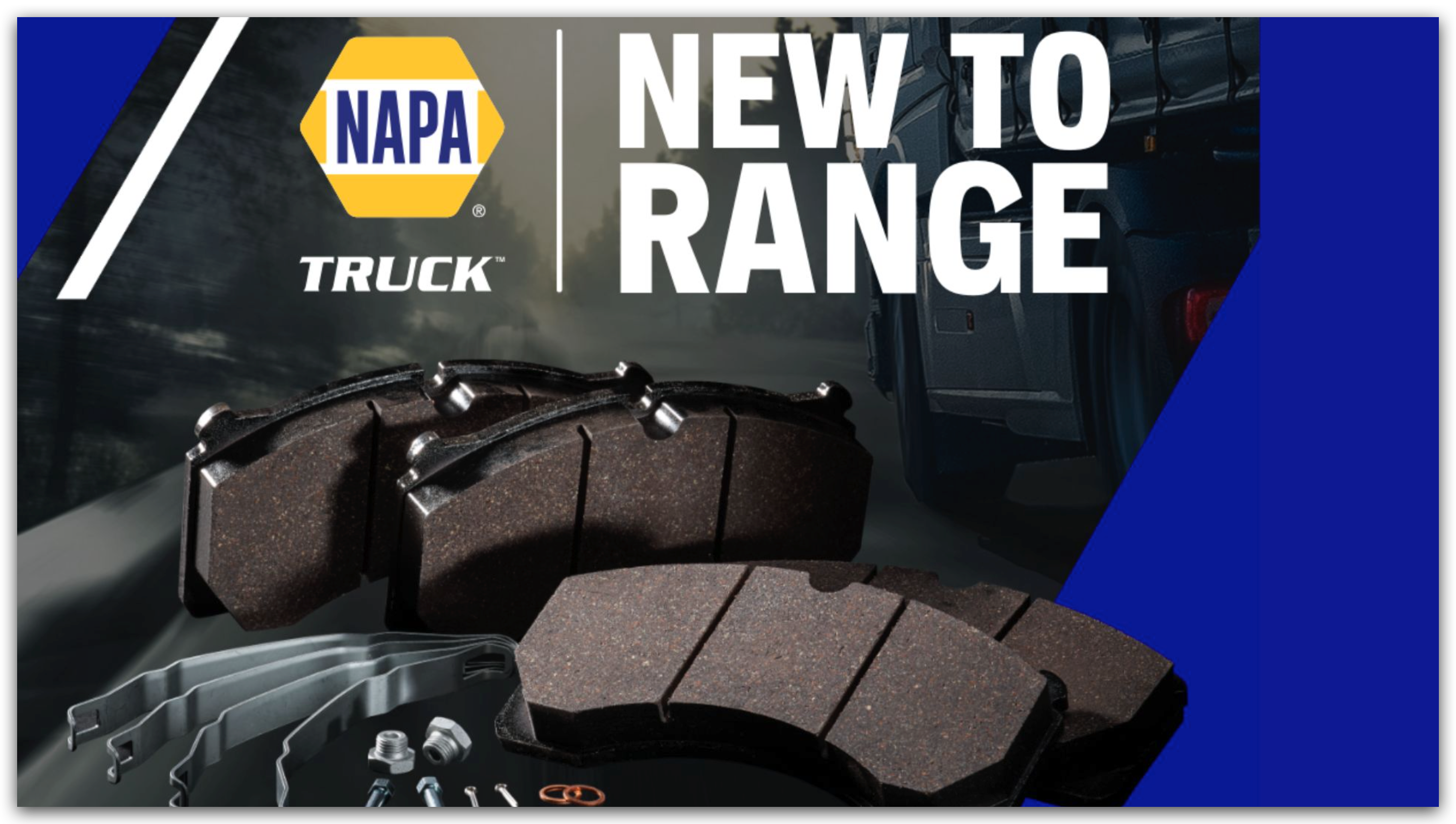
NAPA Truck introduced seven new brake pad parts, each designed to meet or exceed original‑equipment standards. Like Apec’s pads, the parts are ECE R90‑approved and carry a one‑year warranty. They are manufactured from high‑quality steel and tested to 300,000 km under severe road conditions.
The launch complements NAPA’s existing range of brake chambers, slack adjusters, ABS sensors and other components.3
What this means: NAPA’s expansion signals intensifying competition in the commercial‑vehicle braking sector. Workshops in Central and Eastern Europe can benefit from the broader aftermarket choice and potentially more competitive pricing. The presence of two major launches in the same week suggests strong demand for quality brake pads and an arms‑race among suppliers to capture market share.
September 26, 2025 – Italy
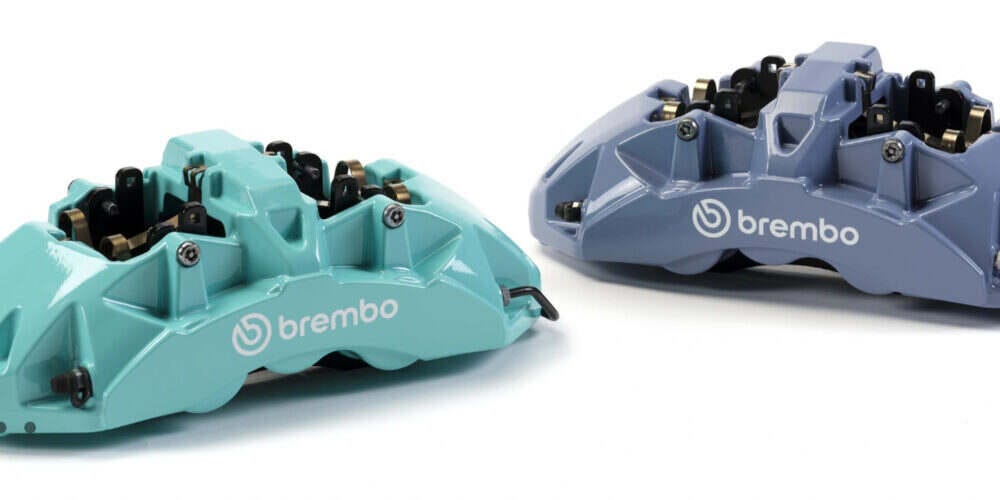
After five years of research, Brembo unveiled calipers manufactured entirely from recycled aluminium. The calipers achieve a 70 % reduction in lifecycle CO₂ emissions compared with conventional aluminium calipers and maintain the same performance and flexibility in design. Brembo will identify the calipers with a new ALU trademark and plans to scale production globally.4
What this means: This milestone demonstrates how sustainability is becoming a differentiating factor even in performance‑oriented aftermarket parts. The reduction in emissions aligns with tightening EU regulations and growing customer demand for eco‑friendly products. Distributors and workshops in Europe may increasingly consider environmental credentials when choosing components. Brembo’s innovation could also spur rivals to adopt circular‑economy materials.
September 25, 2025 – Germany
In a post dated 25 September, ATR International recapped its IPAS Forum 2025, a private event held 16–18 September in Berlin. The forum gathered ATR shareholders and suppliers from around the world to discuss strategic collaboration and recognize outstanding supplier performance.
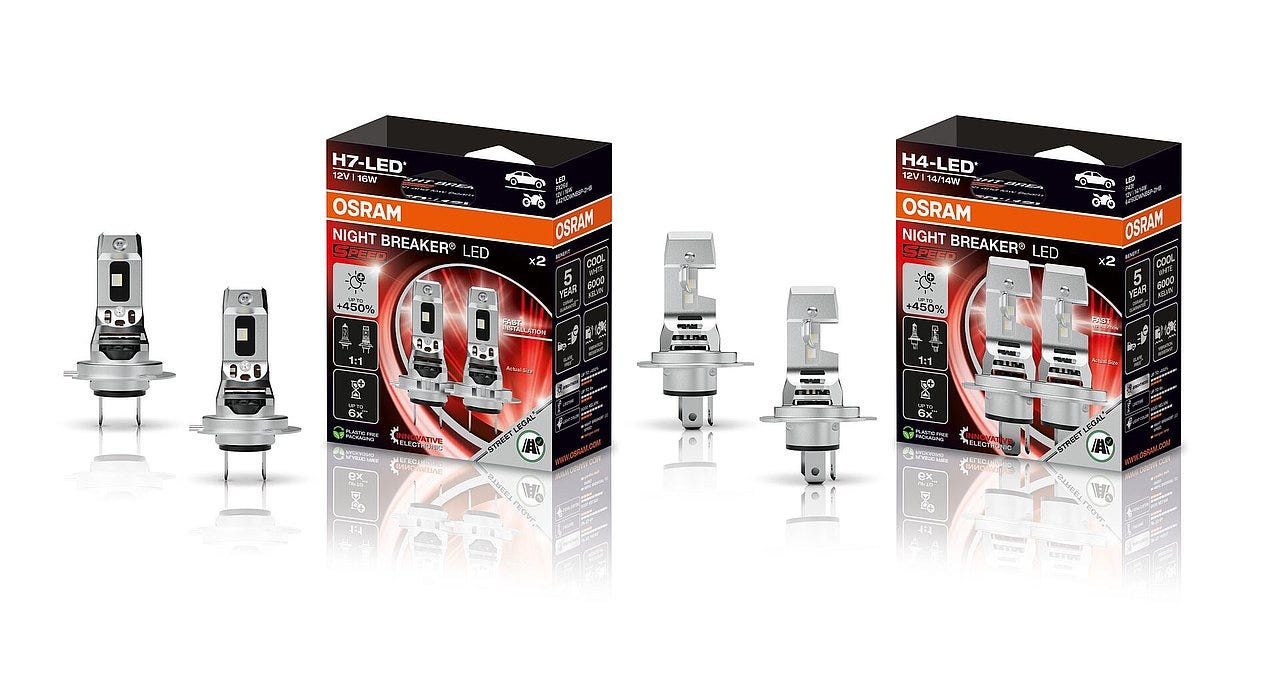
Earlier in the week, ATR announced that the OSRAM NIGHT BREAKER LED Speed won the German Institute for Service Quality’s “Product of the Year 2025” award, presented during the Big Bang KI Festival in Berlin on 11 September.5
What this means: ATR’s forum highlights the importance of close partnerships between distributors and suppliers—especially as supply chains are strained by tariffs and regulatory uncertainty. Recognition of OSRAM’s LED technology underscores growing demand for high‑performance, energy‑efficient lighting in both OE and aftermarket sectors. For Central‑European markets, these events could translate into preferred supplier status or increased marketing of award‑winning products.

September 22, 2025 – United States
Reports on 22 September highlighted that U.S. consumption of European aftermarket parts has fallen sharply since proposed U.S. tariffs. Data from MOTORMIA showed a 24 % decline in consumption of German parts between May and August 2025 compared with the preceding six months; French, Italian and British parts saw similar drops. Distributors and retailers attributed the decline to uncertain pricing and supply delays caused by the tariffs, prompting enthusiasts to shift to U.S.-made alternatives. European manufacturers were said to be reducing export stock to avoid financial exposure.6
What this means: Even though this story centres on the U.S. market, it carries implications for European suppliers, especially those in Central and Eastern Europe that export to North America. Reduced demand could lead to inventory surpluses and price pressure. It may also accelerate the diversification of export markets and encourage suppliers to focus on sustainability and innovation to justify premium pricing.
September 24, 2025 – United Kingdom
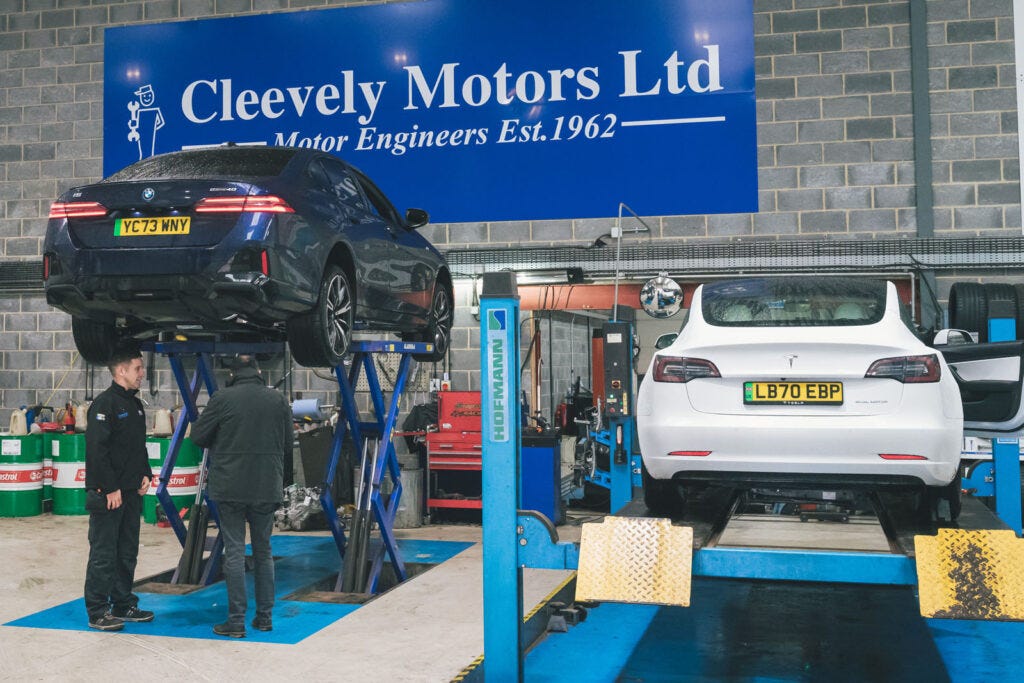
A survey by the Independent Garage Association and the National Franchised Dealers Association found that 81.2 % of independent U.K. workshops have already invested in training and equipment for electric‑vehicle repairs. The associations urged the government to ensure independent garages have access to repair and maintenance information and to consider mandating the SERMI (Vehicle Security & Repair Maintenance Information) scheme, which would standardize data sharing.7
What this means: As EV adoption accelerates across Europe, independent workshops must be ready to service battery‑electric and hybrid vehicles. The high investment level reported in the U.K. suggests a proactive industry but also underscores the need for regulatory support. For markets like Poland, Romania or Hungary, similar initiatives could help businesses stay competitive and reassure consumers about service availability.
September 22, 2025 – United Kingdom
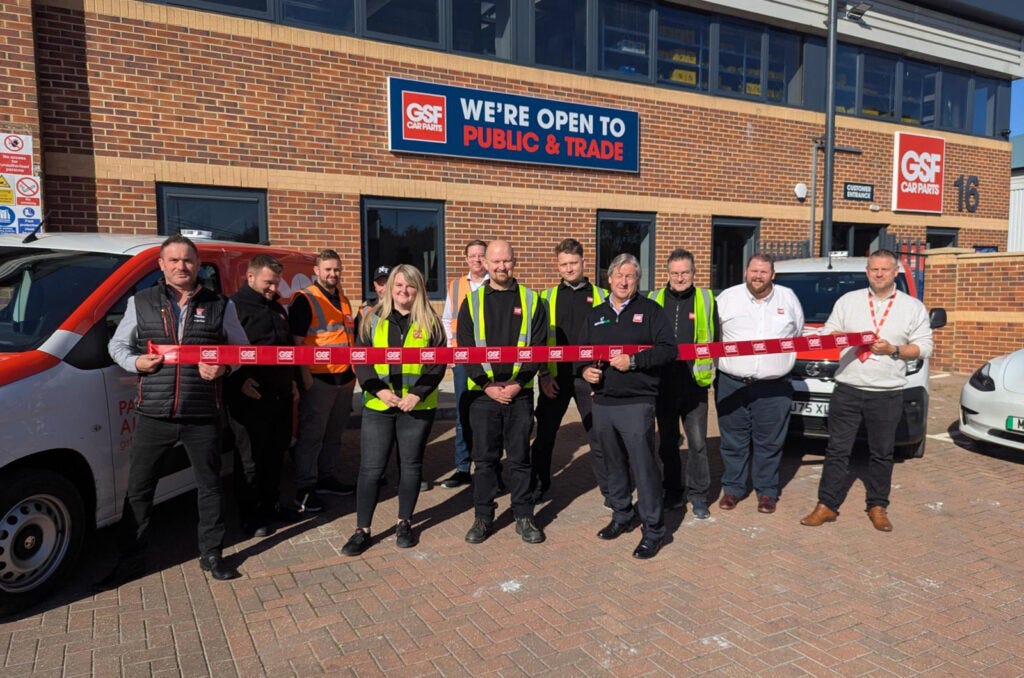
GSF Car Parts opened two new branches in Leigh and Swindon on 22 September. Each branch is supported by multiple delivery vans and aims to offer same‑day parts deliveries to local workshops. The additions bring GSF’s UK network to 205 branches.8
What this means: Continued expansion by national distributors like GSF reinforces the trend toward greater local accessibility of parts. While GSF primarily operates in the UK, similar network growth strategies could be adopted by distributors in Central and Eastern Europe seeking to improve service levels and capture market share.

September 26, 2025 – Romania
During the BVB Arena Gala on 26 September, 15 Romanian companies were named finalists in a financing programme sponsored by the Bucharest Stock Exchange. Among the finalists was AD Auto Total, a major automotive parts distributor in Romania.
The programme provides exposure to investors and aims to help SMEs accelerate growth. Organisers noted that the companies come from diverse sectors such as food, IT and education and that finalists will receive mentorship and access to capital.9
What this means: AD Auto Total’s selection signals confidence in Romania’s automotive aftermarket and offers potential funding for expansion. The recognition also highlights the growing importance of capital markets in supporting SMEs. Distributors and repair networks in neighbouring countries may find inspiration to pursue similar programmes or investment to modernise operations.
![Company Overview] Swiss Automotive Group - by Titi Piftor](https://substackcdn.com/image/fetch/$s_!egqZ!,f_auto,q_auto:good,fl_progressive:steep/https%3A%2F%2Fsubstack-post-media.s3.amazonaws.com%2Fpublic%2Fimages%2F02c6b114-5d36-4d4c-84fd-43cd94d828e8_1600x1009.jpeg "Company Overview] Swiss Automotive Group - by Titi Piftor")
September 12, 2025 – Switzerland
Although slightly earlier than our week, a notable development on 12 September was the Swiss Automotive Group (SAG) securing a new anchor shareholder from a Swiss entrepreneurial family office. Law firm Kellerhals Carrard announced that the investment would provide long‑term stability and support succession planning for SAG. While the size of the stake was not disclosed, the transaction suggests continued consolidation within Europe’s distribution landscape.10
What this means: Fresh capital and stable ownership can enable SAG to expand in Central and Eastern Europe through acquisitions or organic growth. Competitors should expect increased competition and potentially more resources devoted to digitisation and customer service. The move also underlines investor confidence in the aftermarket sector’s long‑term prospects.
Comments
Nothing yet. Say the first thing.
Sign in to join the conversation.