
I spent years in rooms where the vibe was the only line item on the budget nobody questioned.
Founders dropping six figures on launch parties for products that didn’t work yet. Executives spending more time on their panel outfit than on the business they were supposed to be running. It was genuinely fascinating to watch. The professional equivalent of the 2023 New York Mets.
If you don’t follow baseball: the 2023 Mets carried a record payroll of $353 million, had some of the flashiest stadium upgrades in the league, and ran marketing campaigns promising a dynasty. They finished 75-87. Twenty-nine games out of first place. Mets owner Steve Cohen proved that you can spend your way to maximum attention and still have no authority when the game is on the line.
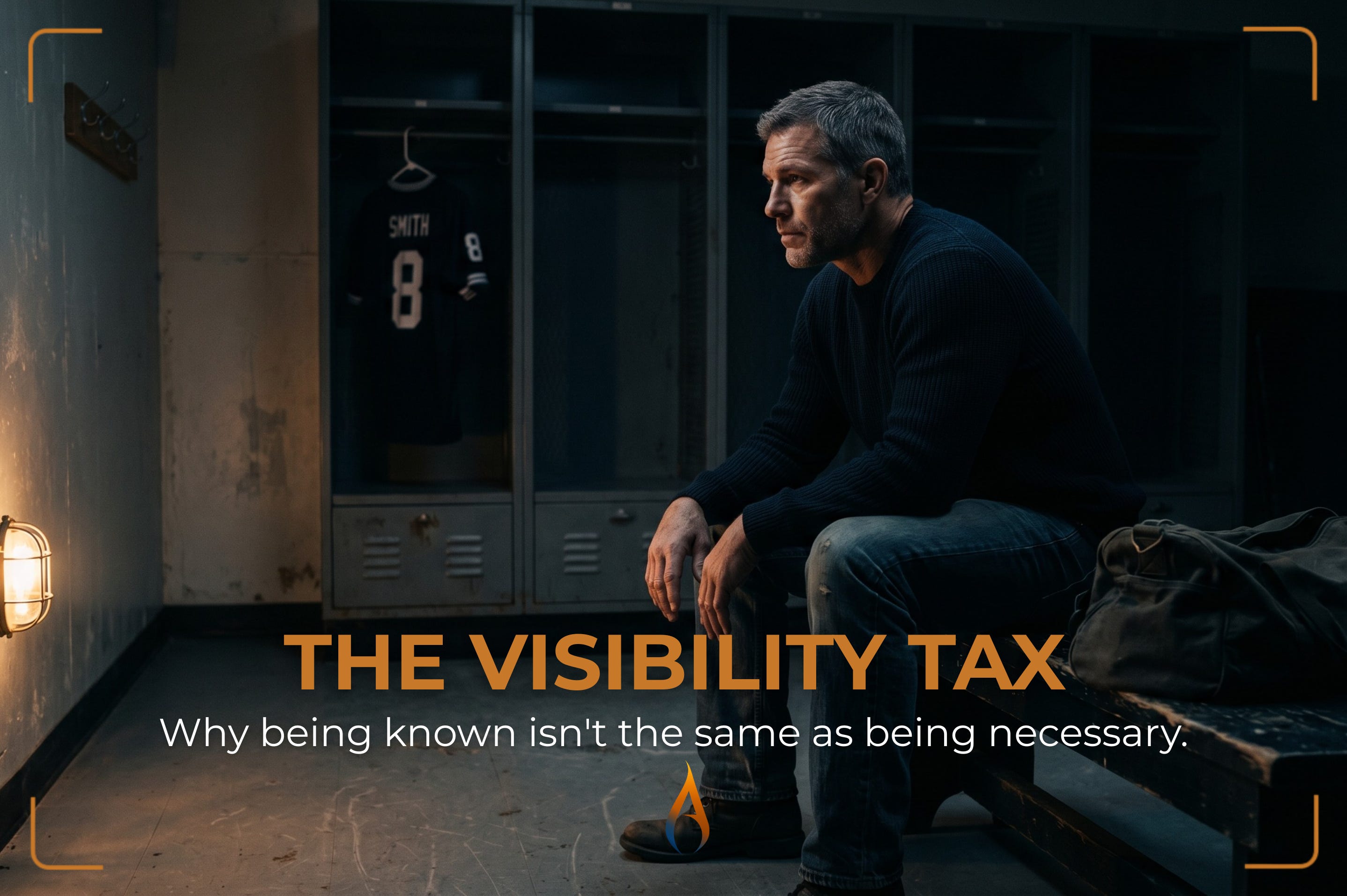
That’s the Visibility Tax. The high cost of being known without being necessary.
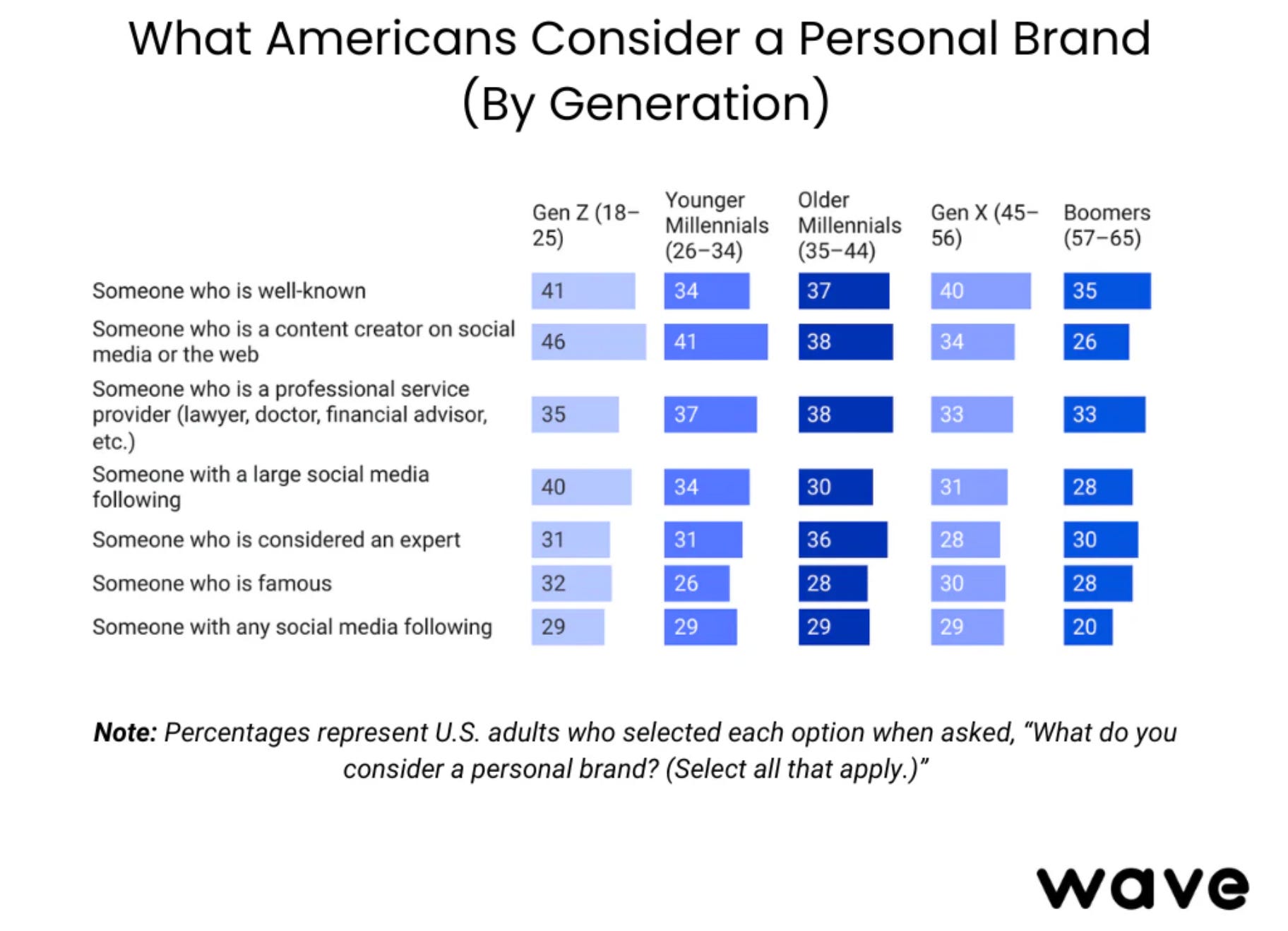
Here’s what’s interesting: 70% of professionals say personal branding is important, but only 15% have a defined strategy for it. And while 48% say they’re actively working on their brand, only 20% regularly generate leads from that work.
So the majority of people are investing real time and money into visibility, and most of them are getting nothing back for it except a LinkedIn follower count that doesn’t convert to anything. That’s not a brand. That’s an expensive hobby.
The personal branding market hit $4.5 billion in 2024 and is projected to reach $7.2 billion by 2028. Most of that money is going toward visibility. Very little of it is going toward authority. The market is enormous and largely producing nothing of consequence, which is either alarming or a tremendous opportunity, depending on where you sit.
There’s a type of player who lands on SportsCenter every night but consistently misses his defensive rotations. He’s known. He’s also a liability.
The veteran who controls the pace of the game doesn’t need a highlight reel. When he speaks, the front office listens. That’s the difference between visibility and authority, and it’s not subtle once you’ve seen both up close.
Most executive branding today is chasing the highlight reel. Reach treated like an asset, as if likes are convertible into something at an ATM. They’re not. Visibility is rented. You pay for it every day with your time or your budget. Stop posting and it evaporates. That’s not a brand. That’s a treadmill with a better camera angle.
In 2025, 91% of LinkedIn creators posted at least every three days just to maintain their presence. Not grow it. Maintain it. That’s the Visibility Tax in practice: a recurring subscription to being seen that you can never actually cancel.
Here’s the counterintuitive part. The executives who actually own the room aren’t spending more. They’re spending differently.
Executives estimate that 44% of their company’s market value is directly tied to the CEO’s reputation, according to Weber Shandwick. Not their follower count. Their reputation. There’s a meaningful difference between those two things, and confusing them is what makes the Visibility Tax so expensive.
Authority is built through a clear point of view, a consistent record of decisions, and a body of work that speaks without you having to be in the room. The Hall of Famer doesn’t need to post daily. His career speaks. The YouTube creator who can’t take a day off hasn’t built a brand. He’s built a job with no benefits.
When you lead with authority, you stop optimizing for algorithms. You stop chasing reach metrics that don’t convert. You become the person the decision-makers call before the deal is announced, not the person they scroll past on a Tuesday morning.
The visibility bubble is deflating. People who spent the last several years building a digital monument to careers they haven’t actually built yet are starting to find out what an empty stadium costs to maintain.
The question isn’t how many people see you. It’s who listens when you stop talking.
If the answer is nobody, you haven’t built a brand. You’ve been paying rent on someone else’s attention, and the lease is coming due.
Afterburn works with athletes, executives, and performers who are done renting attention and ready to build something that lasts. Start the conversation here.
No posts
Comments
Nothing yet. Say the first thing.
Sign in to join the conversation.