
The Document
There is a moment in every athlete’s career when someone hands them a document and tells them to sign it. The document grants access to their time, their image, their words, their story. The athlete signs because the opportunity is real and the leverage is not.
Most of them never get the story back.
I was sitting with a man who had played in the NFL. Long career. The kind that leaves a mark on your body and your biography in equal measure. We were talking about cinematic documentary storytelling for athletes who had something worth preserving. He listened carefully. Then he said something I have not stopped thinking about since.
He told me that athletes had become deeply reluctant to be subjects of documentaries. Not because they lacked stories worth telling. Because the stories that came back to them were unrecognizable.
Narratives misconstrued so badly that the backlash after the premiere wasn’t worth the risk. Family members blindsided. People close to them hurt by the version that aired. The athlete left holding the damage while the production company moved on to the next project.
He was not describing one bad experience. He was describing a pattern so consistent it had become industry assumption. You hand someone your story. You get back something optimized for their audience, their distribution deal, their commercial relationship with the platform. Your truth is the raw material. Their output is the product. You are not even listed as a producer.
The Market Is Already Moving. Most Athletes Are Still Watching.
A USC Annenberg Norman Lear Center report published in October 2025 mapped 33 athlete-owned production companies producing more than 370 media properties and documented what it called a fundamental economic and cultural shift. Athletes are no longer waiting for someone else to tell their story correctly. They are building the infrastructure to own it outright.
The numbers behind that shift are not small. LeBron James and Maverick Carter’s SpringHill Company is valued at $725 million. Peyton Manning’s Omaha Productions sits at $400 million. Athlete-owned podcasts have collectively generated more than 7 billion YouTube views and 725 million TikTok likes. The Kelce brothers secured a $100 million deal with Amazon’s Wondery. Pat McAfee licensed his show to ESPN for $85 million.
None of those are follower counts. All of them are owned assets with documented revenue and intellectual property that compound independently of any platform’s algorithm or any production company’s distribution deal.
The athletes who built those enterprises figured out something most haven’t: public platforms distribute your story. They don’t protect it. There is a meaningful difference between those two things, and confusing them is expensive.
The Threat Isn’t Always an Algorithm
Most athletes think the danger to their narrative is the internet. A screenshot. A clipped video taken out of context. A troll account with too much free time and a grudge.
Those are real. They are also the version of the problem that gets talked about because it’s the easiest to see.
The more dangerous version looks legitimate on the way in. It has a contract. It has a film crew. It has good intentions and the wrong incentives. A two-hour conversation becomes a single pulled quote. A nuanced position becomes a headline designed to generate outrage. A lifetime of context gets edited into forty-two minutes that the distribution partner’s audience will actually sit through.
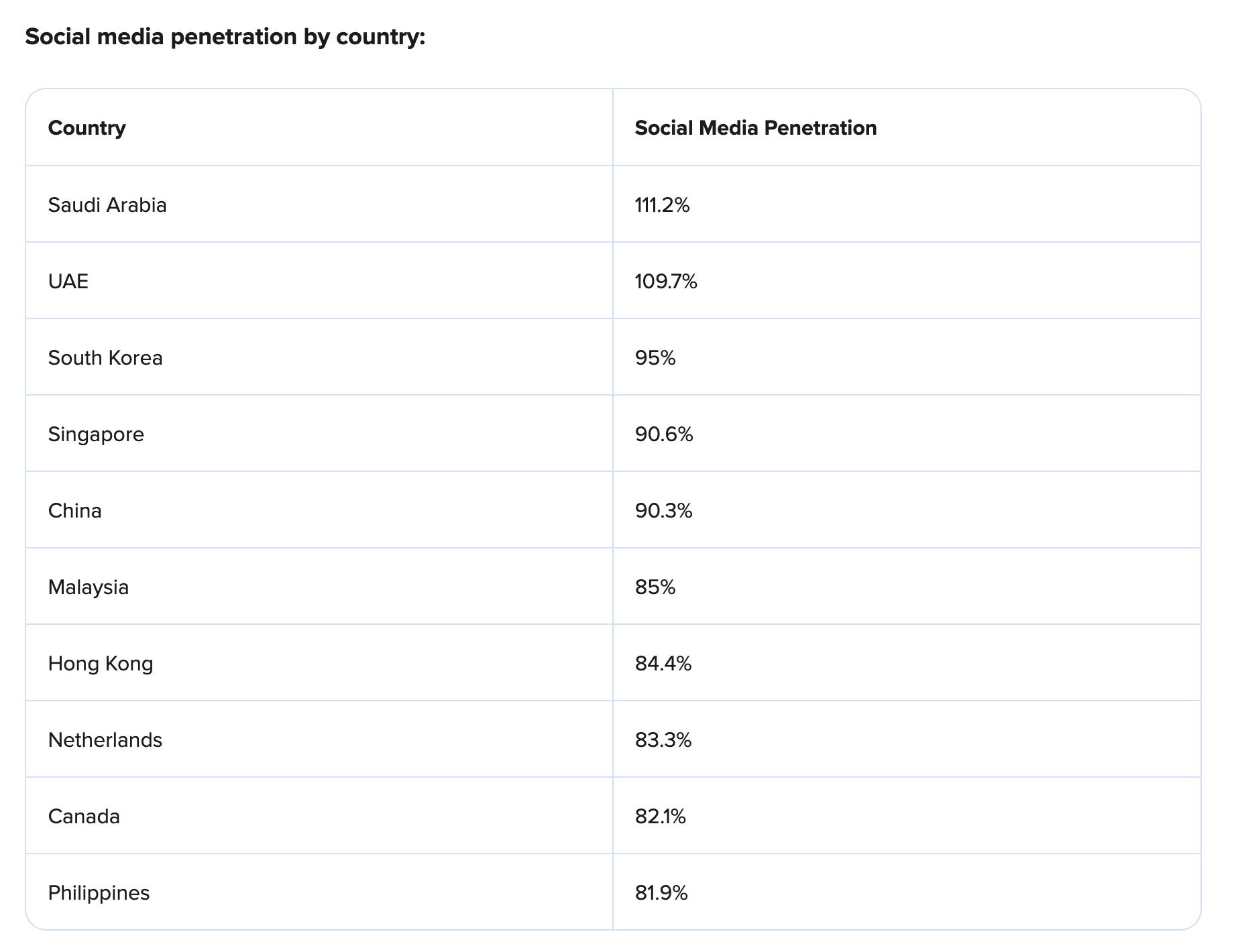
Within the past year, 30% of social media users unfollowed a brand they previously followed, according to Social Pilot. Platform audiences are not loyal to principals. They are loyal to content, to moments, and to whatever the algorithm surfaced this week. The principal who mistakes follower count for owned audience is the one who will discover the difference between the two at the worst possible moment, usually the moment they need it most.
When you place your foundational story on a public platform, you surrender narrative governance immediately. The algorithm chops your timeline into fragments. The market distorts your words. If your entire identity lives in the public domain, you have nothing of exclusive value to offer an institutional partner. You are searchable and entirely forgettable. Which is a remarkable combination to have worked that hard to achieve.
What a Private Archive Actually Does
The athletes building real infrastructure in 2026 are not just publishing more content. They are separating what they distribute from what they protect.
Public platforms are for distribution. Private archives are for value.
The distinction matters because distribution is a commodity. Any athlete with a phone and a decent internet connection can distribute. What most cannot do is control the context of what they distribute, who has access to it, what version of their story enters a given room, and what happens to the archive when the platform changes its terms of service. Which platforms do, regularly, and without asking.
A private archive gives a principal custodial rights over their own record. The high-fidelity cinematic material. The documented history of their worldview, their leadership, their competitive character. Not published immediately for maximum reach. Locked. Owned. Available on the principal’s terms, to the people the principal selects, in the context the principal controls.
When that athlete sits down with a head coach, a board, or an institutional partner, they do not ask anyone to scroll through a feed. They grant exclusive, temporary access to a verified record. They dictate who sees the architecture. They dictate the context. They walk into the room as the custodian of their own story rather than the subject of someone else’s version of it.
The NFL player I described at the top was not failed by a bad production company. He was failed by a system with no accountability to the subject. No governance structure. No ownership split. No mechanism to protect the principal when the incentives of the platform diverged from the truth of the person.
That accountability structure is what a private archive provides. And the IP split is the contract that backs it up.
Why Afterburn Gives Principals that Invest, 50% IP
Not as a gesture. As a structural argument.
The long game is not built on borrowed material. It is built on ownership. A production company that holds 100% of the IP has 100% of the incentive to optimize the final product for their distribution partner, their commercial relationship, and their next project. The subject of the film has the upside of a press cycle and the downside of whatever version airs.
We built Afterburn Originals around the opposite structure. USC Annenberg’s report makes the case plainly: when athletes take ownership of their stories, they establish real connections, open space for new voices, and challenge the dominance of legacy media. Ownership equals empowerment is not a tagline. It is a structural fact that shows up in the valuation of every athlete-owned enterprise worth noting.
Fifty percent of the IP says we mean what we say about whose story this is.
Afterburn works with athletes, entertainers, and executives who are ready to own their archive before someone else does. Start the conversation here.
Comments
Nothing yet. Say the first thing.
Sign in to join the conversation.