
Afro•Reads is a publication dedicated to my personal reading challenge of exploring the African continent through literature. I’m excited for my second book review of the year!
In searching for a Zambian read I first chose ‘The Old Drift’, but it’s rather long, so I took the easy route with ‘Obligations to the Wounded’ — or so I thought.
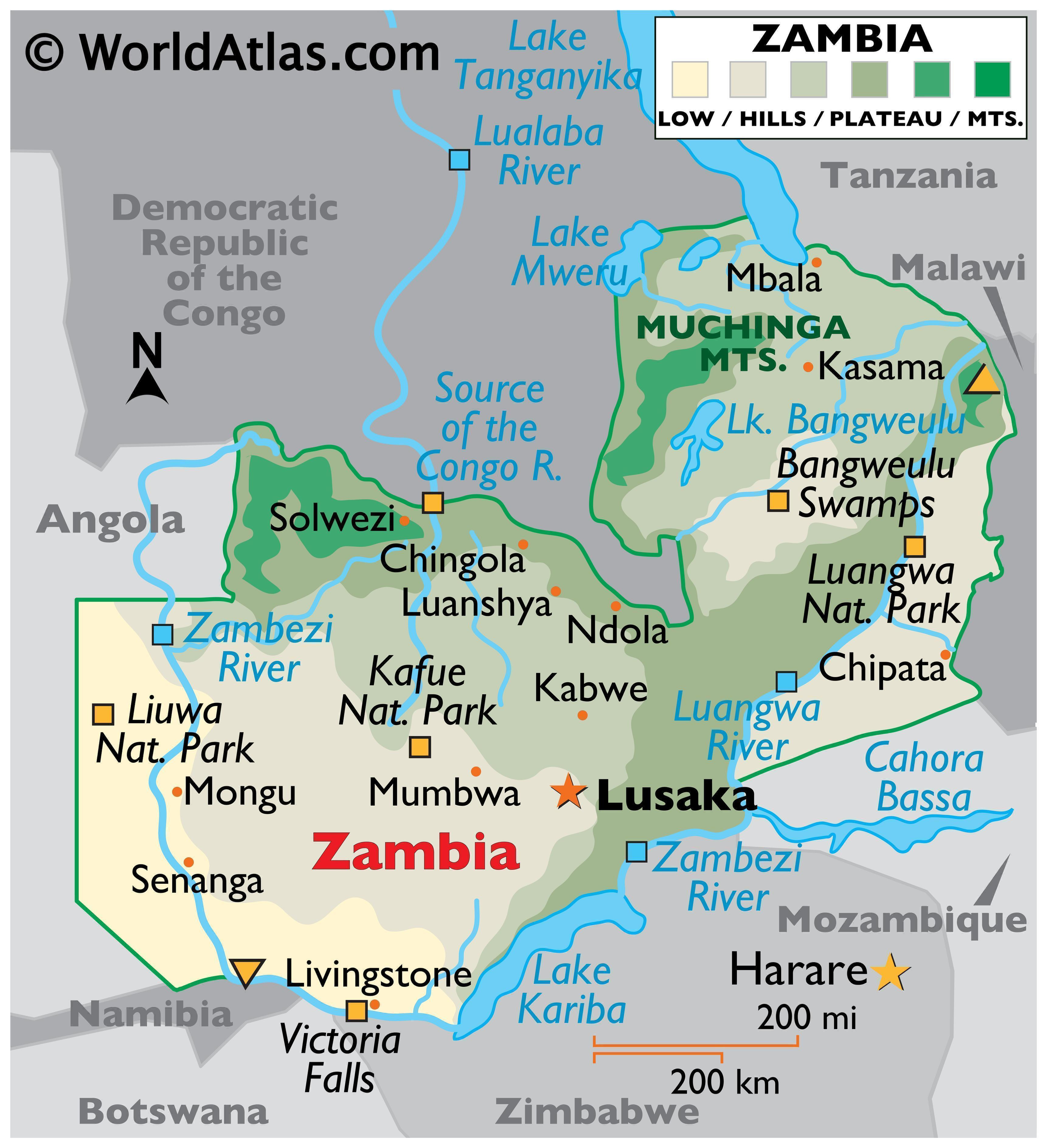
This collection of short stories was anything, but an easy read. The stories came to a close before I was ready; leaving me with lasting questions that caused my mind to wonder throughout the day. Pondering solutions of how people stay wounded or heal from their trauma, grief, and disappointment. By the 6th story, I had become accustomed to the unprecedented endings and began to hold my breath. There were a few times I was able to breathe a sigh of relief. Holding on to the possibility of a happy ending like a long lost friend or lover.
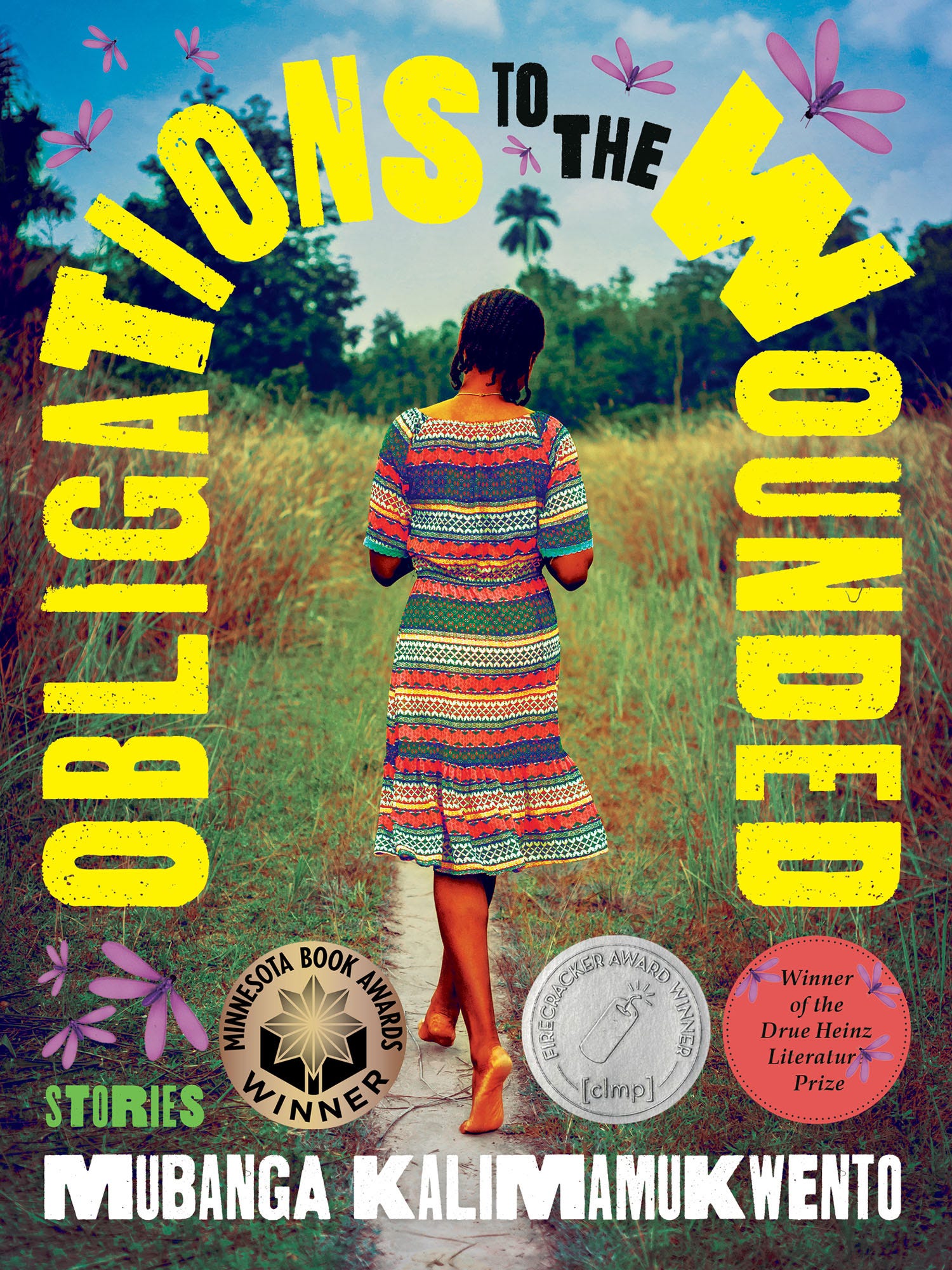
These stories are dedicated to the lives Zambian women live within the country and in the diaspora. With a main focus on mothers and daughters and how the relationships they establish with one another shapes their reality. Within the country we learn that queerness is an abomination, in school you aren’t allowed to speak your mother tongue, and you may be forced to marry out of obligation.
As an immigrant, you may have to change your name to make those around you comfortable, you’re pressured to become one of the three professions (doctor, lawyer, or engineer), and it’s heavy to be responsible for the family name abroad.
There are the few similarities I find that make me smile. The mention of Blue Magic hair grease, the smell of your mother or any black woman (cocoa butter), and the way my own mother looked at me when I was becoming my own person instead of the one she wanted me to be.
My favorite stories are: Mastitis, Speaking English, Hail Mary, Reflections, Inswa, and most of all Azubah — a story of a mother who abandoned her daughters in their youth. Now she has dementia so her daughters must take care of her. Reminding, secrets can be buried, but will be dug back up. Even if only the bones remain.
Why I recommend this read
Short read — 200 pages
The author doesn’t disown her background. You get a dose of Zambia from the food dishes, proverbs, and the interwoven sayings mixed with English.
It honors emotional wounds without exploiting them (grief, trauma, abuse, exile)
It proves that fiction isn’t linear, the impact can be felt long after the book is complete
Quotes:
“…he’d already rejected Chimwemwe and Temwani because who cared that those names meant joy, he didn’t want anything too difficult for his family to say”
“What the eye sees, the heart should not forget.”
“My sista, trust me.” He slaps his chest. “To those Americans”—with his head, he points at the glass door shielding the interview room from us—“disrespectful, it is the same as honesty.”
“There will be bad days sometimes,” you whisper. “But it will be beautiful again. Someday.”
“But tongues are wild things, once they learn that they can move without our control. Tongues writhe whichever way they please”
“It is an internal sore; an external one can be cleaned.” —Tumbuka Proverb
About the Author
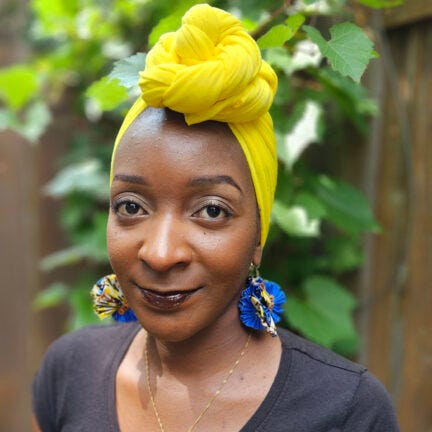
Mubanga Kalimamukwento is a Zambian attorney and writer. She is the winner of the 2022 Tusculum Review Poetry Chapbook Contest, the 2019 Dinaane Debut Fiction Award, and the 2019 Kalemba Short Story Prize. Her first novel, The Mourning Bird, was listed among the top fifteen debut books of 2019 by Brittle Paper. Her work has also appeared in adda, Aster(ix), Overland, the Red Rock Review, Menelique, on Netflix, and elsewhere.
Her third book, “The Shipikisha Club”, will be released in March.
Author’s Site: https://www.mubangakalimamukwento.com/selected-short-stories-essays-poems-interviews
Music I found last year by an Zambian music artist/guitarist
Like this review? Check out the archive 😘
Comments
Nothing yet. Say the first thing.
Sign in to join the conversation.