
The African continent enters 2026 at a profound structural inflection point. As Western isolationism deepens and the “refinancing cliffs” of 2024-2025 leave traditional debt markets parched, a fundamental move toward “African Agency” has taken root.
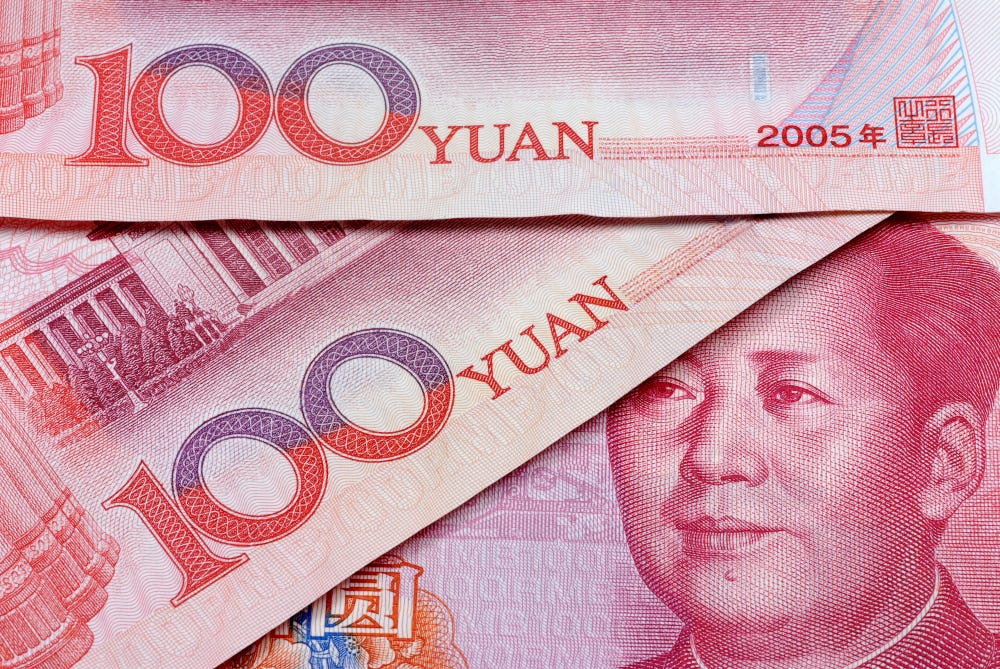
Central to this shift is the formalization of Yuan-based trade for African commodities. No longer just a diplomatic gesture, the pivot to the Renminbi (RMB) is now a strategic necessity for nations looking to bypass U.S. dollar volatility and secure fiscal sovereignty.
Keypoints:
Fiscal Sovereignty: Major economies are shifting to Yuan settlement to mitigate the impact of U.S. interest rate hikes and “America First” trade policies.
The Zambia Precedent: Zambia has become the first African nation to formally accept RMB for mining tax and royalty payments.
Debt Restructuring: Kenya and Ethiopia are leading a wave of “refinancing away” from dollar-denominated Eurobonds into more manageable Yuan instruments.
Digital Integration: The expansion of the mBridge platform and CIPS is providing a technical alternative to the Western-dominated SWIFT network.
Related News: https://africabriefing.com/africa-now-repays-china-more-than-it-borrows/
AFRICAN nations are now paying more money to China in debt repayments than they receive in new loans, marking a dramatic reversal in Beijing’s role as a leading financier to the developing world, according to new analysis released by the ONE Data initiative.
The transition from political rhetoric to operational reality has been rapid. Africa’s largest economies are now treating the dollar as one of several transactional tools rather than a mandatory global reserve.
In a landmark move for the continent’s resource sector, Zambia officially integrated the Yuan into its national tax framework in October 2025. The Bank of Zambia now allows Chinese mining companies - responsible for the bulk of the nation’s copper output - to settle their tax and royalty obligations directly in RMB.
By aligning fiscal flows with trade realities (China consumes over 50% of global copper), Zambia has significantly reduced the “double conversion” costs that previously burdened its treasury.
In late 2025, Kenya successfully restructured a $5 billion railway loan from the Export-Import Bank of China into Yuan-denominated debt. This shift is projected to save the country approximately $250 million annually in interest and exchange rate costs. Notably, all infrastructure loans secured by the Ruto administration in the 2024-2025 cycle were already Yuan-denominated, signaling a permanent departure from Eurobond dependency.
The acceleration of the “Yuan pivot” is inextricably linked to the return of aggressive U.S. protectionism. With the imposition of “Reciprocal Tariffs” and the potential revocation of AGOA (African Growth and Opportunity Act) benefits for nations pursuing independent currency policies, African leaders have sought a hedge.
The People’s Bank of China (PBOC) has capitalized on this by promoting the Cross-border Interbank Payment System (CIPS). Unlike the U.S.-dominated SWIFT, CIPS allows African banks to bypass intermediary Western correspondent fees, which frequently reach 9% of transaction values.
Despite the momentum, the rise of the Yuan in Africa is not without risk. The RMB remains a partially closed currency, meaning African central banks cannot easily convert it into other global assets. If export growth to China does not keep pace with Yuan-denominated debt servicing, nations risk a new form of “currency dependency” that could be just as restrictive as the dollar-based order.
By 2027, the move toward the Yuan is expected to merge with Africa’s digital transformation. The Project mBridge ledger - a multi-central bank digital currency platform - is currently being tested for the instant settlement of critical mineral shipments. This would allow for “programmable trade,” where payments are automatically triggered in e-CNY upon digital verification of cargo reaching a port, virtually eliminating traditional settlement delays.
Comments
Nothing yet. Say the first thing.
Sign in to join the conversation.