
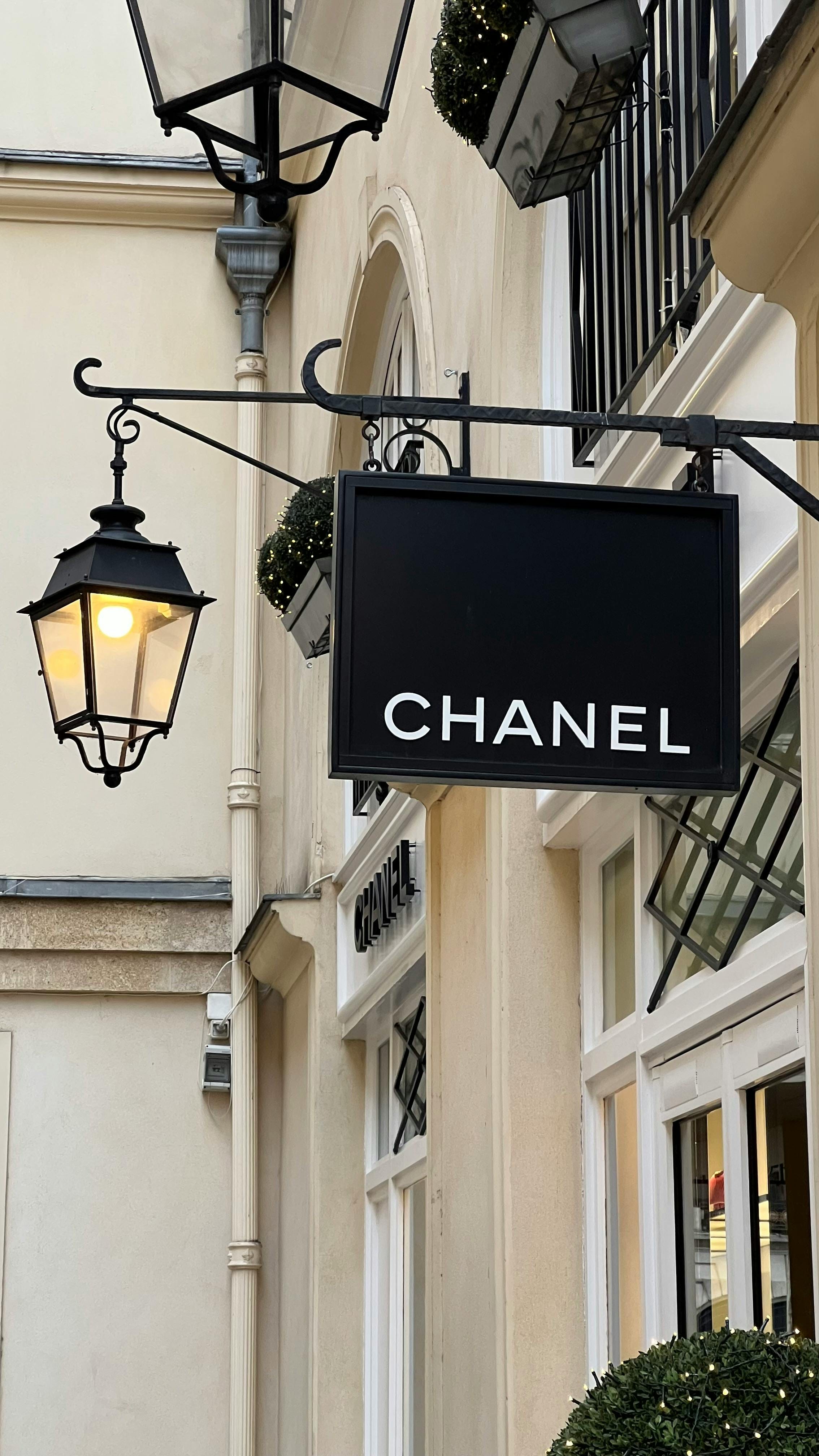
By the time I entered Chanel in Bordeaux, I already knew I was underdressed.
Not visibly. Not offensively. No one tackled me at the entrance or sprayed me with perfume-grade holy water. But I knew.
Luxury stores have a way of informing you of your status without anyone technically saying anything. The lighting changes first. Then the silence. Then the saleswomen begin gliding toward you with the calm precision of people who have never once carried a leaking grocery bag up a flight of stairs.
Outside, Bordeaux was hot and chaotic and alive. Scooters buzzed past cafés. Someone nearby was arguing into a phone with operatic conviction. A tiny dog in a striped harness barked at a waiter carrying oysters.
Inside Chanel, it felt as though sound itself had signed a confidentiality agreement.
The floors glowed faintly. Mirrors appeared in strategic places like emotional ambushes. Every handbag sat alone under museum lighting, as if awaiting diplomatic clearance.
And the women.
French women understand luxury stores the way medieval navigators understood the stars. Instinctively. Silently. Their movements inside these places are extraordinary. Nothing jerks. Nothing flails. Nobody digs through a handbag looking for reading glasses while accidentally throwing lip balm across the room.
Everyone appears to have arrived already composed.
I, meanwhile, entered clutching my phone, sunglasses, and a vague but rising sense that my bra had shifted into a new administrative region.
A saleswoman approached wearing beige so exquisite it almost achieved moral superiority.
“Bonjour, Madame.”
The French “Madame” inside luxury stores is different from regular “Madame.” It contains no warmth, no hostility, no urgency. It simply acknowledges your temporary existence within the ecosystem.
I nodded too enthusiastically.
Already weak.
The strange thing about luxury shopping is that almost nobody looks happy.
Focused, yes.
Intentional, absolutely.
But happy? Rarely.
Everyone looks as though they are participating in an elegant hostage exchange.
A woman in cream linen examined loafers with the concentration of a bomb technician. Another held a handbag against her body and stared into the middle distance as though imagining an entirely different future.
Luxury is never just about the object.
That’s the first thing you realize.
The object is merely the prop.
The real product being sold is proximity to a version of yourself who does not sweat in public.
Coco Chanel understood this better than almost anyone.
Before Chanel, French fashion worshipped structure. Corsets. Boning. Restriction. Women assembled like architecture. Versailles with breathing privileges.
Chanel looked at all that and essentially said:
What if women moved instead?
It sounds obvious now, but at the time it was borderline revolutionary.
She borrowed fabrics from menswear. Jersey. Softness. Ease. She lowered the waistline, loosened the body, removed layers, simplified movement. Suddenly women could walk without looking like they required three attendants and a pulley system.
She did not destroy the line.
She relocated it.
The control moved inward.
That is the genius of French fashion. It adapts without surrendering authority.
Even now, walking through Chanel, you can feel it. The performance remains, but it has become quieter. More internal. Nobody is visibly trying too hard, which of course means everyone is trying extremely hard.
A saleswoman handed me a jacket that cost approximately the GDP of a medium-sized village.
I put it on carefully.
Immediately my posture changed.
This is the danger of good tailoring. Your nervous system starts negotiating with fantasy.
For one brief moment, standing beneath strategically forgiving lighting, I understood how people end up spending four thousand euros because a sleeve hit correctly.
I turned toward the mirror.
The mirror turned toward me.
Luxury mirrors are not normal mirrors. They have been engineered by scientists working somewhere beneath the Alps. They reveal things with cinematic precision. Cartilage. Fatigue. The exact location of every croissant consumed since 2019.
Nearby, a woman emerged from a dressing room wearing head-to-toe wrapped in expensive shades of oatmeal and an expression of serene devastation.
And suddenly I understood something important.
Everyone in this building was auditioning.
Not for wealth exactly.
For coherence.
For the fantasy that one perfect jacket, one perfect bag, one perfect version of ourselves might finally align the whole chaotic operation.
And honestly?
I found that oddly comforting.
The woman in a shade best described as Wealth Adjacent was no longer ridiculous to me. Neither was the teenager trying on sunglasses with terrifying confidence. Neither was I, standing there mentally calculating whether elegance could be financed in installments.
We were all performing identity theater beneath extremely expensive lighting.
French fashion simply admits this more honestly than most places.
Dior understood fantasy after the war. Louboutin decided women apparently required red-bottomed anxiety. Chanel understood movement. Freedom. The possibility that power could look effortless while requiring extraordinary calibration underneath.
By the time I left the store, I had purchased absolutely nothing useful.
Not the jacket.
Not the bag.
Certainly not the loafers.
I left with bone-colored lipstick, a security alarm accidentally attached to the tissue paper, and a small box of macarons I panic-bought downstairs because luxury retail had activated an ancient survival response requiring carbohydrates.
Outside, Bordeaux had returned immediately.
Scooters. Heat. Noise. Dogs. Life.
I stood on the sidewalk eating a pistachio macaron in full emotional recalibration mode while a woman in linen floated past carrying a Chanel bag with the calm authority of someone who had absolutely never hidden a sandwich in her sleeve while driving to the dump.
And yet somehow, in that moment, we both looked correct.
No posts
Comments
Nothing yet. Say the first thing.
Sign in to join the conversation.