
They say you don’t find yourself in Bordeaux.
You get lost.
Not symbolically. Physically. Emotionally. GPS-wise.
I got lost in a vineyard bathroom, pressing my face against cool tile while trying to scan a QR code through wine-fogged reading glasses. Someone behind me whispered, “Courage, madame,” with the calm reassurance usually reserved for childbirth or hostage negotiations, even though all I was trying to do was download the tasting notes and possibly remember my own name.
That should have been my first clue.
Not that Bordeaux was difficult.
That Bordeaux was a test nobody had mentioned.
This isn’t a survival guide.
It’s a fermented field report.
Bordeaux doesn’t care about your spreadsheet.
It doesn’t care about your outfit.
It doesn’t care how much wine knowledge you brought with you.
It simply hands you another glass, smiles politely, and waits to see how long it takes before you realize everyone else appears to know the rules.
They don’t.
They’re just better at looking like they do.
Let’s Set the Scene
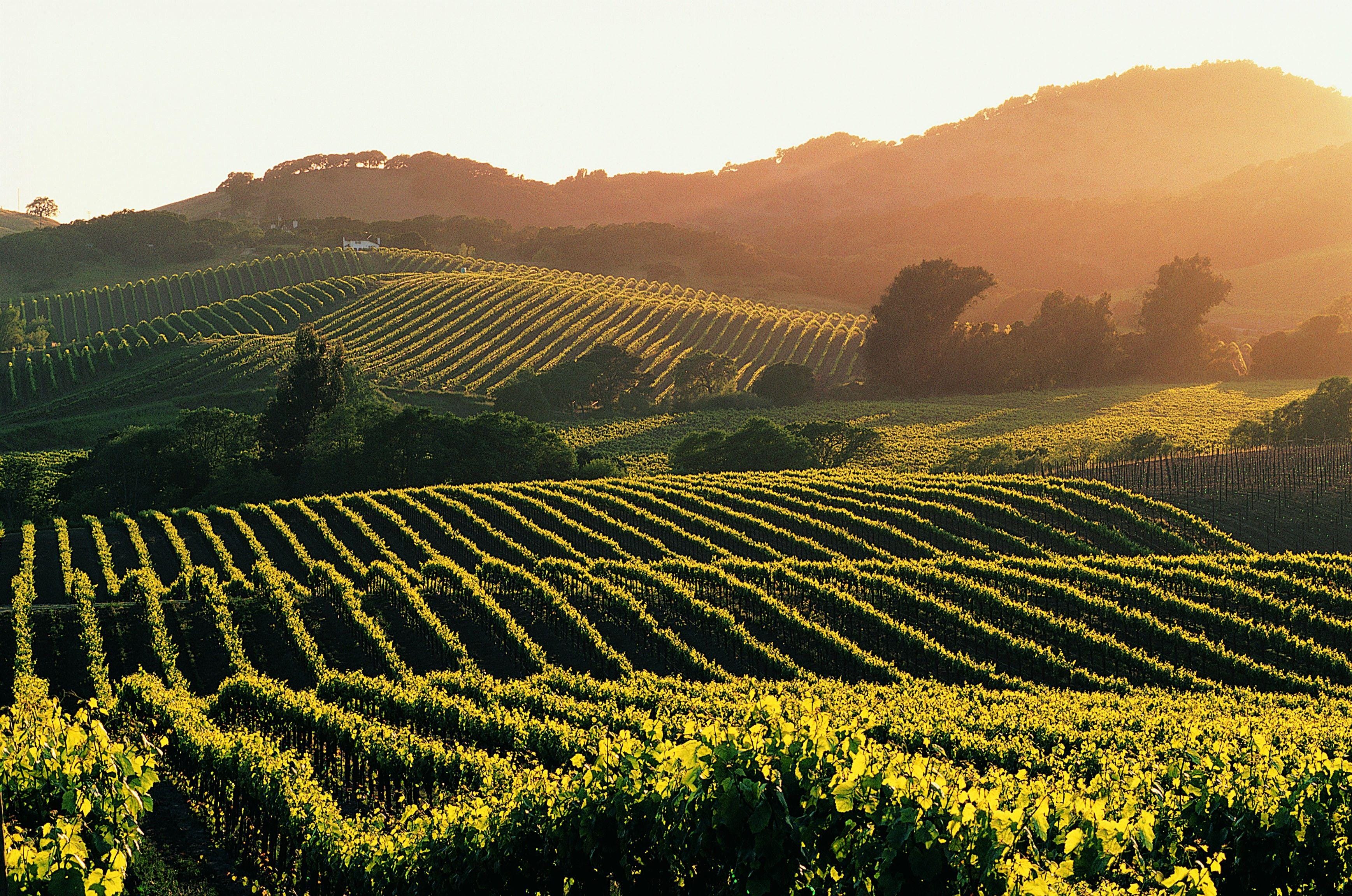
There’s a certain look to Bordeaux wine country.
The vineyards stretch toward the horizon with quiet confidence, while an ivy-covered châteaux stands watch over them like old money that has absolutely nothing left to prove. Even the gravel driveways seem faintly judgmental.
The tasting rooms are so polished you’re never quite sure whether they’re run by sommeliers or intelligence agencies. Inside are marble counters, whisper-level conversations, stemware lined up with military precision, and cheese knives that look as though they haven’t touched actual cheese since 2004.
The lighting could have been borrowed from a jewelry store.
Every bottle looked like it had recently won an award for emotional maturity.
I stood there for a moment, turning my glass in the light, trying to look like someone who belonged.
There is always one woman in a silk scarf nodding as though the Cabernet has just confirmed something she’s suspected for years.
One man uses the word terroir like a gentle warning.
Someone named Isabelle somehow manages to say, “See, swirl, smell, sip, savor,” without taking a breath.
And then there’s me, quietly trying to wipe wine off my chin without drawing attention to the fact that I am clearly the only person in the room treating wine as a beverage instead of a graduate-level philosophy seminar.
The whole experience hovers somewhere between a religious ceremony and a very polite panic attack.
And that was before I called the sommelier “Gary.”
I Tried to Plan. Bordeaux Had Other Ideas
I arrived with a spreadsheet.
Not just any spreadsheet. A color-coded, carefully timed masterpiece organized by appellation, because if there is one thing Americans believe, it’s that enough planning can overcome almost anything. Crémant. Médoc. Pessac-Léognan. I looked like I was preparing for a wine-based military operation.
My GPS, apparently having chosen Bordeaux’s side, deposited me squarely in the middle of a field.
A lone sheep looked up from whatever important sheep business it had been conducting and regarded me with the calm expression of someone who had seen this exact scene unfold many times before.
It held my gaze for a moment.
Then quietly lowered its head and went back to eating.
Apparently whatever crisis I was having wasn’t especially unusual.
That was the moment I surrendered.
I folded the spreadsheet, accepted defeat with as much dignity as I could manage, and started following the only thing that seemed remotely qualified to lead me.
The smell of grapes.
Somewhere in the distance, a tractor started.
At one point I drifted into a tour group I was reasonably certain I hadn’t booked.
Nobody questioned me.
I accepted the glass with the confidence of someone who had absolutely no reason to be confident.
I still couldn’t tell you which château I visited.
I can, however, tell you that everyone else seemed remarkably comfortable discussing tannins, while I was mostly relieved I’d managed to infiltrate the group without being escorted back to the sheep.
Wine Tasting Is a Blood Sport. I Was the First Casualty.
I thought I was ready. I’d had wine before. I even had a wine cellar in Seattle, had mastered a respectable swirl, and had once successfully spat into the proper receptacle. Under supervision, admittedly, but it still counted.
Bordeaux, however, wasn’t interested in what counted.
This wasn’t wine tasting.
It was choreography. Ritual. A room full of people who somehow knew exactly when to nod, when to swirl, and when to stare thoughtfully into a glass before announcing something that sounded suspiciously like the backstory of an emotionally complicated raspberry.
While I was still trying to determine whether I was allowed to eat the cracker before the second pour, someone swept past and sloshed a full glass of red wine down my arm.
There went the blouse.
I looked like I’d been lightly stabbed by a grape.
Everyone else was evaluating the wine.
I was trying not to wear it.
A few minutes later I accidentally called the sommelier “Gary.”
His name, naturally, was Philippe, because nobody named Gary could possibly preside over a room this intimidating.
He smiled politely, the kind of smile usually reserved for children, confused Labradors, and tourists who ask for ketchup, then quietly handed me another glass with the calm efficiency of someone who had watched this exact performance every summer for the better part of his career.
Around me, people murmured things like “brambly mid-palate,” “graphite,” and “orchard floor.” One woman admired the restrained minerality. Another detected a disciplined finish with the seriousness of someone discussing an inheritance.
By now I wasn’t entirely convinced they were describing wine.
It sounded more like the sort of person who sends long texts beginning with,
“I’ve done a lot of thinking.”
I took another sip.
I nodded.
It seemed safer than asking whether anyone had actually enjoyed the glass.
By the Fourth Glass, I Was Fluent
By the fourth tasting I’d stopped trying to understand Bordeaux and started studying everyone else instead. Apparently the trick wasn’t knowing the answer. It was looking as though you’d always known it.
People spoke with extraordinary certainty, casually discussing cedar, graphite, restrained minerality, and disciplined finishes as though they were old friends who’d dropped by unexpectedly. Nobody seemed remotely surprised that wine could apparently possess emotional depth, geological features, and an impeccable work ethic.
It seemed only fair that I contribute.
“Mmm...” I said, giving my glass a thoughtful swirl. “Bold. Yet emotionally evasive.”
No one laughed.
In fact...
One gentleman nodded.
Encouraged by this astonishing development, I carried on.
“I’m also getting... closure.”
Another thoughtful nod drifted in my direction. By now I was beginning to suspect Bordeaux rewarded conviction far more generously than accuracy.
“And perhaps a complicated relationship with authority.”
Still no objections.
By this point I wasn’t entirely convinced we were discussing wine anymore.
Meanwhile, the woman beside me was detecting pencil shavings and orchard floor while someone across the room found wet stone, restrained minerality, and what sounded suspiciously like excellent parenting.
I briefly considered contributing,
“Tuesday.”
Instead, I nodded thoughtfully.
Apparently confidence wasn’t the admission price.
Commitment was.
I Forgot to Eat. Again.
Somewhere around the fifth tasting I made a terrible discovery. Despite being surrounded by wine, cheese, grapes, and people saying wonderfully intelligent things about all of them, nobody appeared to have any actual interest in lunch. Wine, it turned out, was not lunch.
This came as a surprise to exactly one person.
Me.
There was, technically, a cheese board, although it seemed to exist more as a philosophical concept than an actual source of nourishment. Someone mentioned tapenade. Someone else mentioned patience, which struck me as an unusual accompaniment to wine.
The bread basket drifted through the room with the mythical quality of a solar eclipse. Every time I was certain it was heading my way, it quietly changed course and disappeared into another conversation, leaving me to wonder whether decorative grapes counted toward my daily nutritional requirements.
By then the decorative grapes had begun looking considerably less decorative.
I ate three.
Nobody stopped me.
Which only encouraged me.
At one point I caught myself looking at a wine barrel with entirely the wrong sort of optimism.
Hydration had become theoretical.
Bread was a rumor.
The room carried on as though nothing unusual had happened.
Somewhere between the fifth tasting and my third decorative grape, I realized Bordeaux wasn’t trying to impress me.
It was simply waiting to see how long it would take before I asked where the bread was.
I Finished the Flight. No One Clapped.
By the time I finished the flight, I felt as though I’d completed an endurance event with considerably more stemware than seemed medically advisable.
I deserved a medal.
Or bread.
Possibly both.
Instead, I found myself arguing with a man named Thierry about Merlot.
He insisted it was misunderstood.
I said Merlot gaslights people.
We agreed to disagree.
Let’s be clear.
I won.
Final Thoughts
I didn’t survive Bordeaux.
It tolerated me.
I came home with three bottles I don’t remember buying, a linen blouse that still smelled faintly of cherries and Cabernet, and the growing suspicion that every wine tasting should include bread, water, and someone willing to lean over and whisper,
“You’re doing fine.”
But I also came home with something else.
The realization that Bordeaux isn’t trying to make you feel excluded.
It’s simply inviting you into a conversation that’s been going on for centuries.
The trick isn’t pretending you already know the language.
It’s staying curious long enough to keep asking one more question.
Preferably after you’ve found the bread.
That seemed like a sensible place to begin.
Somewhere in Bordeaux, I suspect Philippe is still telling people about Gary.
No posts
Comments
Nothing yet. Say the first thing.
Sign in to join the conversation.