
“Embrace reality by imagination.” — Austin Osman Spare
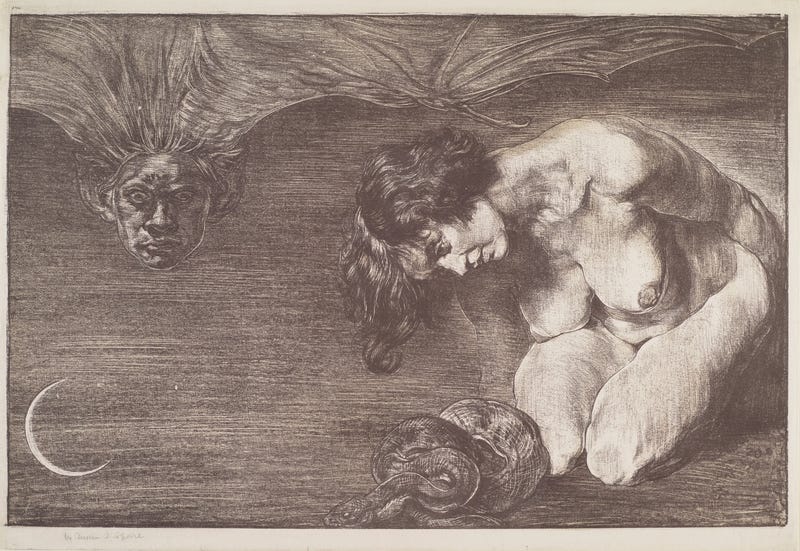
Sometimes, Studio Notes is a sort of reading diary.
I recently finished Austin Osman Spare: The Life and Legend of London’s Lost Artist (2023) by Phil Baker, a meticulous account of one of the most enigmatic figures of the early twentieth century (1886–1956). Spare was a gifted, if controversial, artist, possessed by a morbid and lustful imagination. He was also an occultist, writer, and sorcerer with a blazing inner life, who devised his own idiosyncratic belief system and cosmology born of deep incursions into psychic realms.
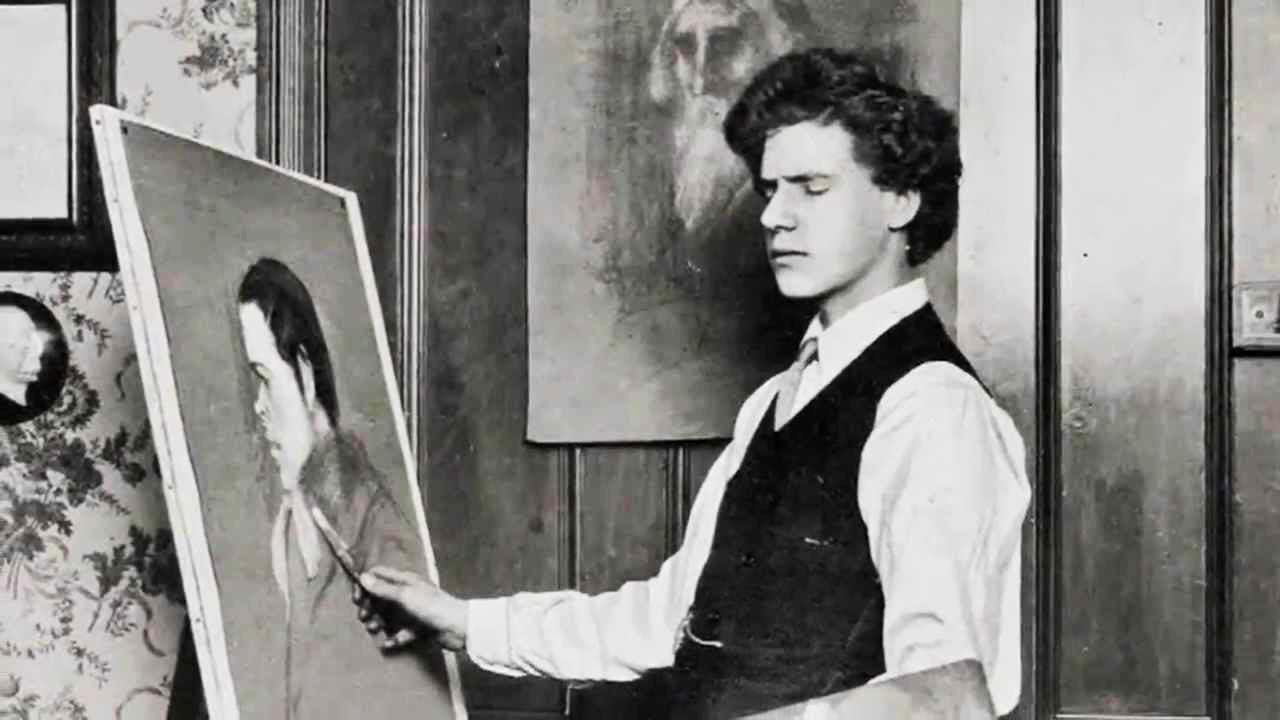
Spare’s artistic career started out promising. Hailed as a prodigy, he was the youngest artist to ever exhibit at the prestigious Royal Academy. He gained a scholarship to study at the Royal College of Art at age 13 or 17—depending on the source. Yet, his celebrity years were short-lived. Maybe he wasn’t made for worldly success, or maybe, as George Bernard Shaw reportedly quipped, “Spare’s medicine [was] too strong for the average man.” Either way, his art and ideas were certainly not meant for mass appeal.
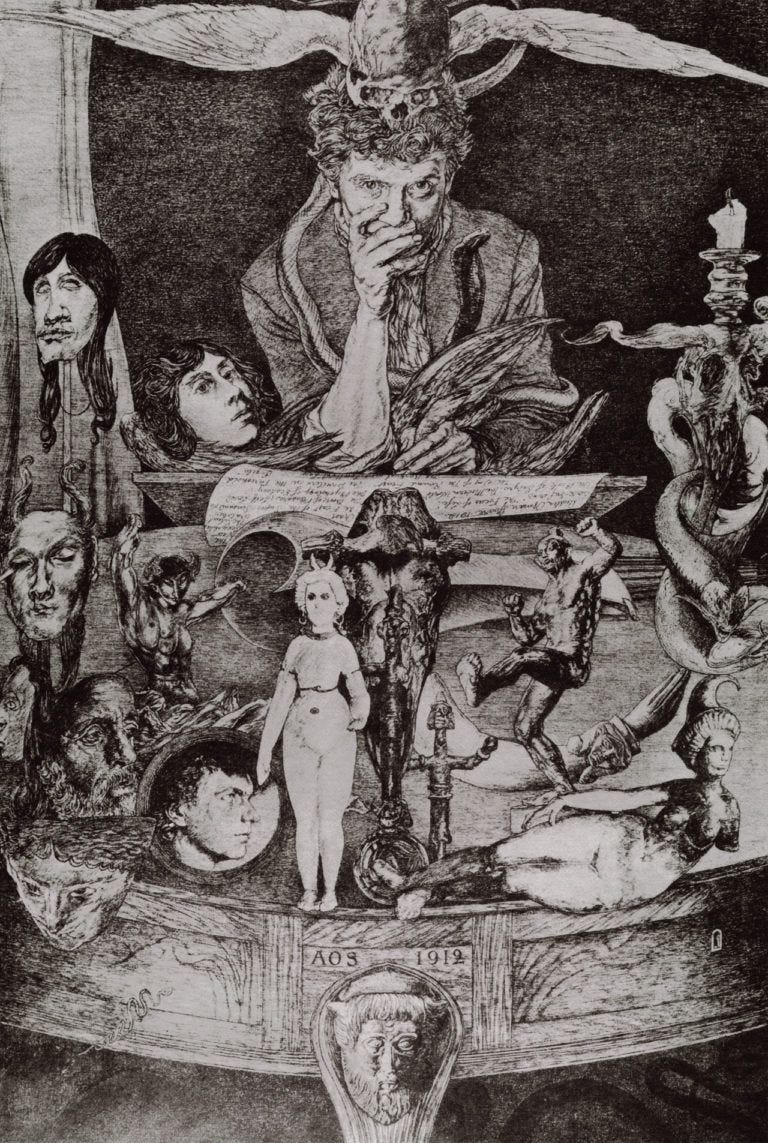
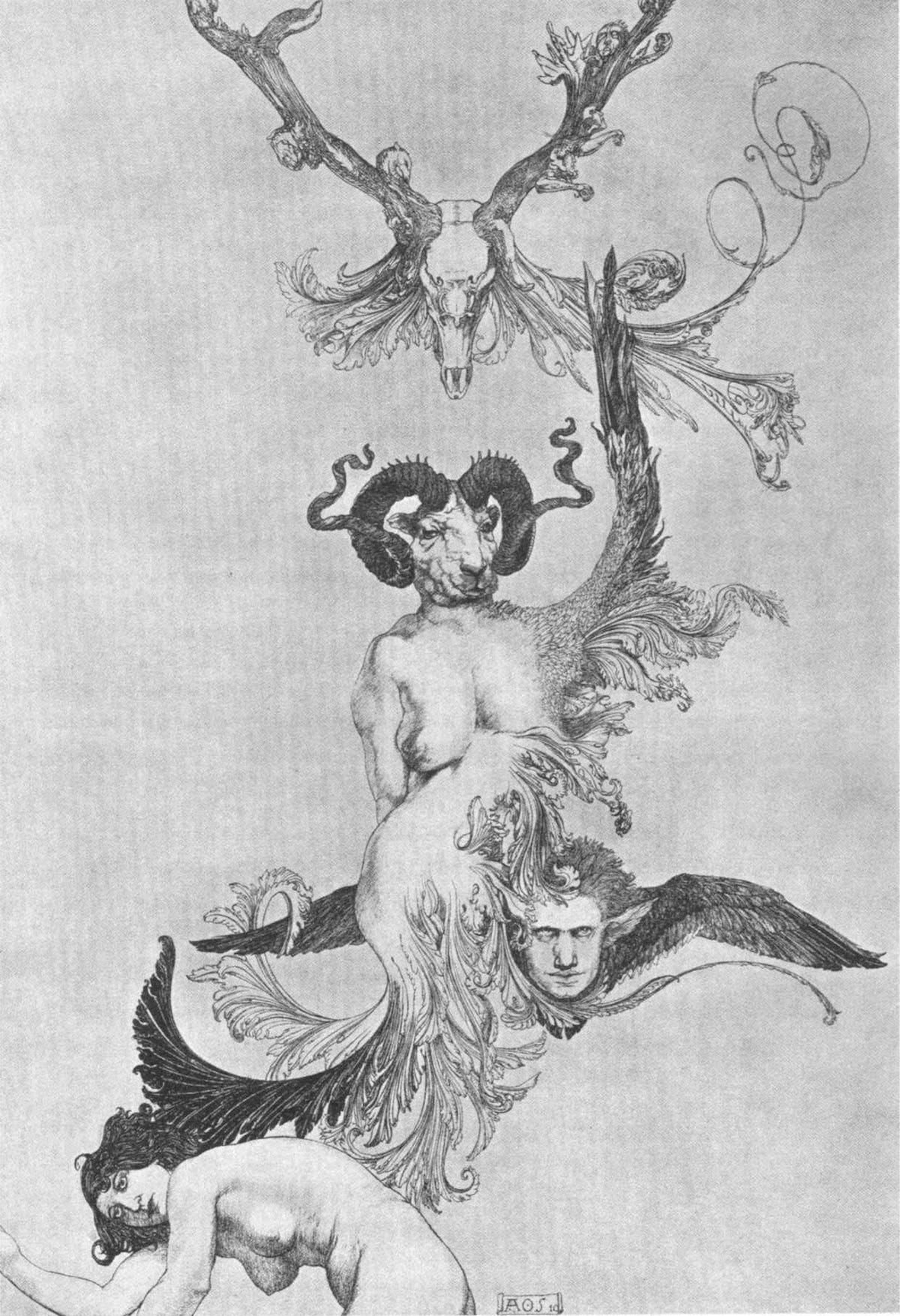
Between 1905 and 1927, Spare articulated a radical magical philosophy grounded in pleasure, obsession, and the subjective nature of reality. But his career sank into obscurity in the early 1920s, and he lived in deep poverty while continuing to produce extraordinary, otherworldly art with daemonic fervor. He died in a dark, dank basement surrounded by his cats.
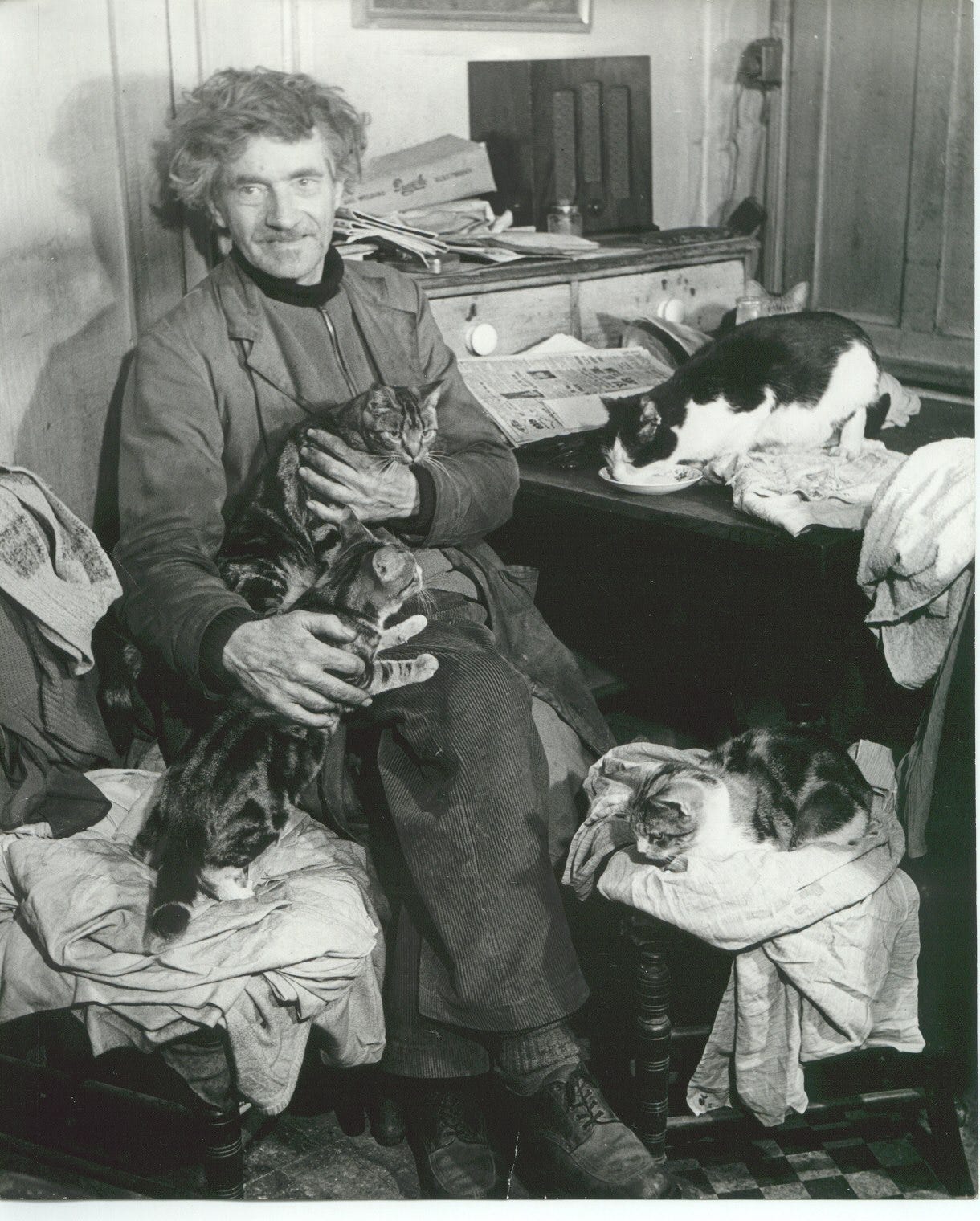
Since his death, Spare has been, as Baker writes, “simultaneously celebrated and forgotten.” In art history, he remains a marginal presence, yet his mythos lives on in magical and occult subcultures. Here are a few ideas that stuck with me after finishing his biography.
For Spare, art and magic were one and the same—living, creative processes concerned with the manipulation of symbols, images, and words, and drawing their potency from the deep subconscious. The latter was of vital importance to Spare, who formulated his own theory of the subconscious mind, regarding it as the sole true source of artistic inspiration. Harnessing the latent creative force of the subconscious formed the foundation of his magical and artistic ethos.
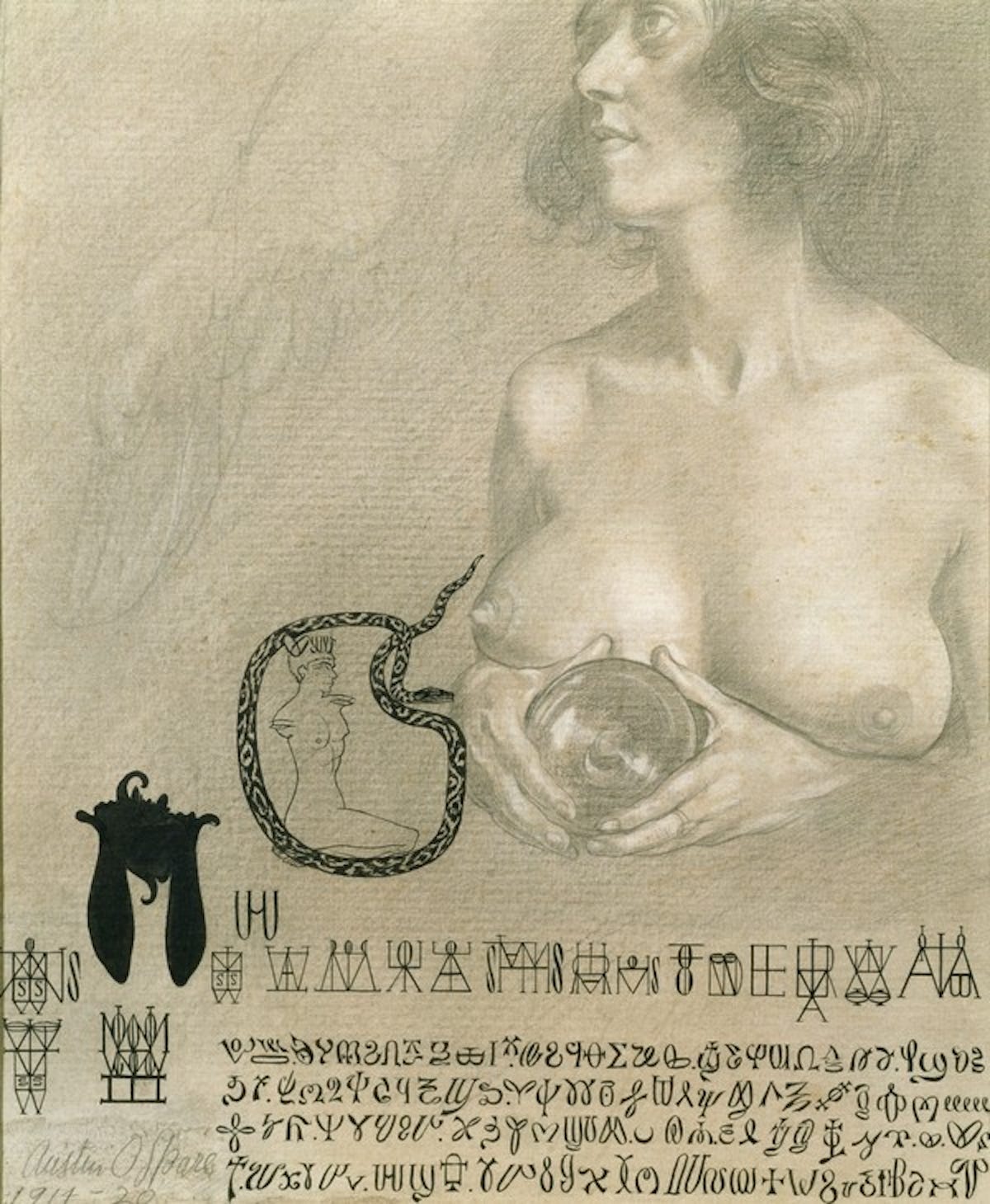
For Spare, desire, and especially unconscious desire, was the driving force underlying the creative process, finding its fulfillment in art on both individual and cosmic levels. He saw desire as the evolutionary current within nature, the erotic pulse. In The Book of Pleasure (1913), Spare writes:
“A bat first grew wings and of the proper kind, by its desire being organic enough to reach the sub-consciousness. If its desire to fly had been conscious, it would have had to wait till it could have done so by the same means as ourselves, i.e. by machinery.”
Conscious desire, Spare believed, only intensified the sense of separation from what we long for but do not possess, whereas unconscious desire could mobilize the organic process of natural selection itself.
To this end, he developed techniques such as automatic drawing and sigilization—the creation of an abstract symbol charged with the intent to manifest a specific desire or outcome. Like logos channels consumer desire for a brand, sigils are designed to bypass and distract the conscious mind, allowing the unconscious to carry out the work. In this, he stands as both a precursor to Surrealism and a key influence on the later Chaos Magic movement of the 1970s.
“Only Art is Eternal Wisdom; what is not Art soon perishes. Art is the unconscious love of all things.” — Austin Osman Spare
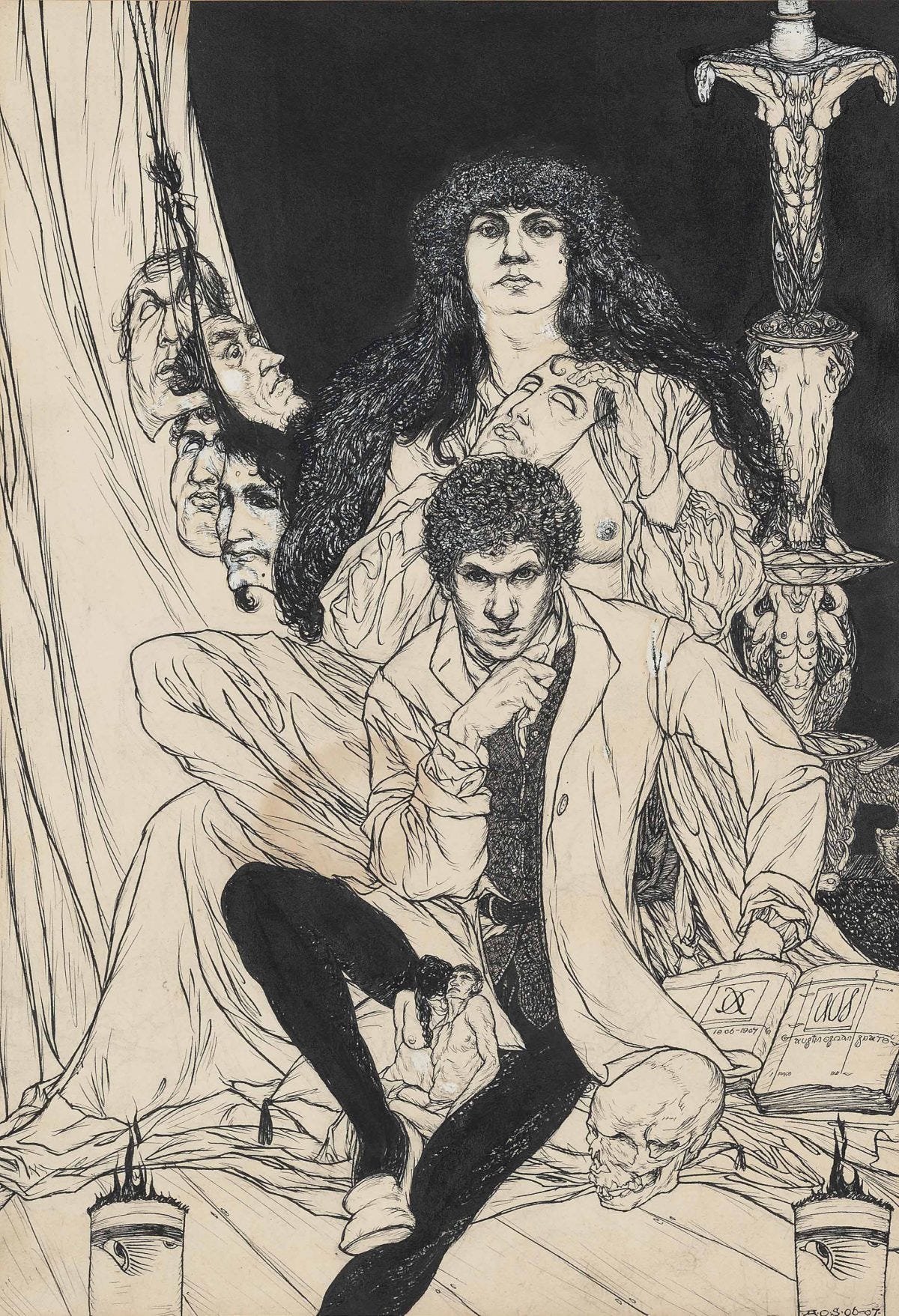
For Spare, the goal of the artist was to act as a clear medium for magical obsession, “that state when the mind is illumined by subconscious activity evoked voluntarily… for inspiration. It is the condition of genius,” he writes. Interestingly, several distinct artistic styles recur in his work, as if he channeled multiple personalities—or entities—through his art.
In an interview, Spare candidly explained, “During the automatic period, I am obsessed or possessed by the spirit of some artist, perhaps a dead artist. I don’t exactly know. The only evidence I may have is that it’s like Dürer or Blake, or someone I’ve never heard of.” Whether it’s true or not, who knows, but he certainly had range.
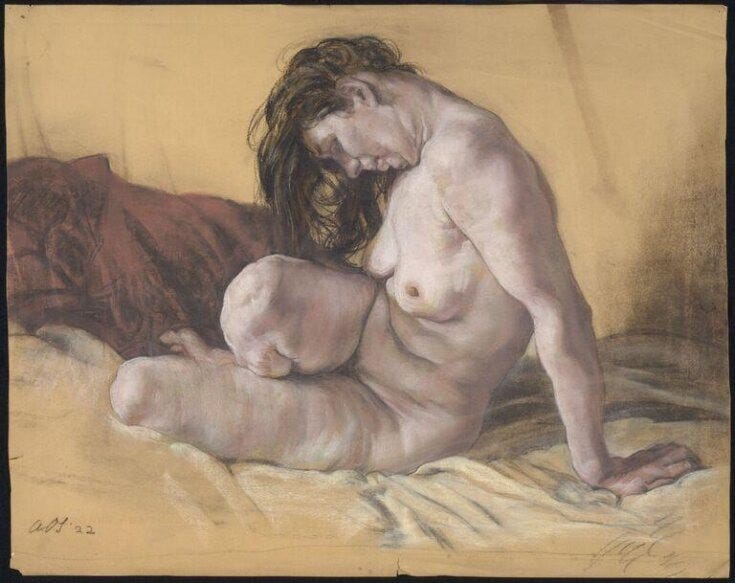
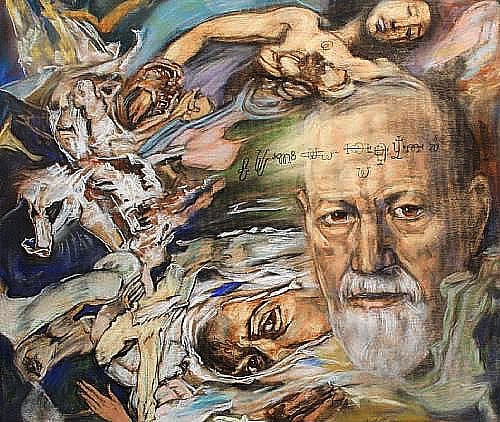
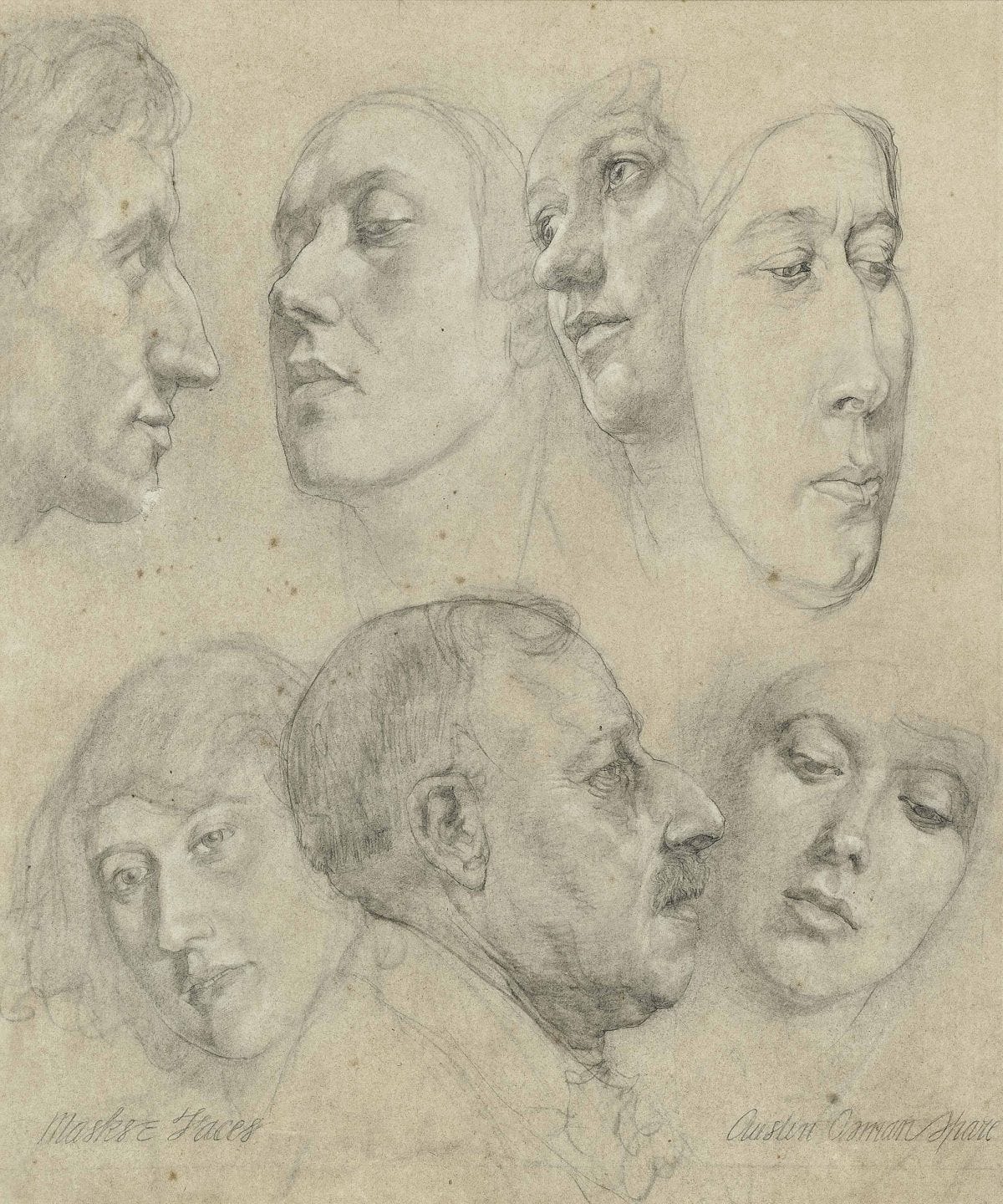
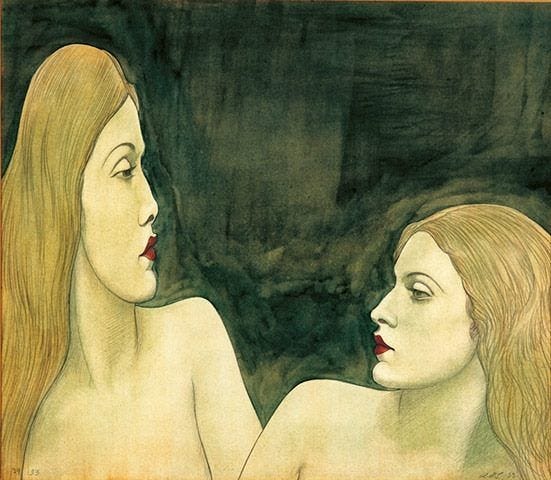
The last two images are examples of what Spare called Siderealism, a style he invented by experimenting with anamorphic distortions. The effect is uncanny, and “in some of the most extreme cases,” Baker writes, “seems to locate the viewer in an impossible space. […] they are also an instance of the perverse power of art, bending reality, making it malleable.” Again, driving the point home that art and magic operate in the same way.
All in all, I’m still unsure whether Spare was a genius and visionary or a lonely, deluded man haunted by madness and trauma. Probably all of the above, and more. Reconstructing a life on the page is never easy and inevitably falls short of the living person, though many critics agree that Baker did an admirable job of unearthing and weaving scattered fragments into a coherent portrait. Reading about Spare’s life and his wild theories, I felt a deep sympathy for him and a resonance with his ideas about art, obsession, and magic—and with his dark, goth aesthetic.
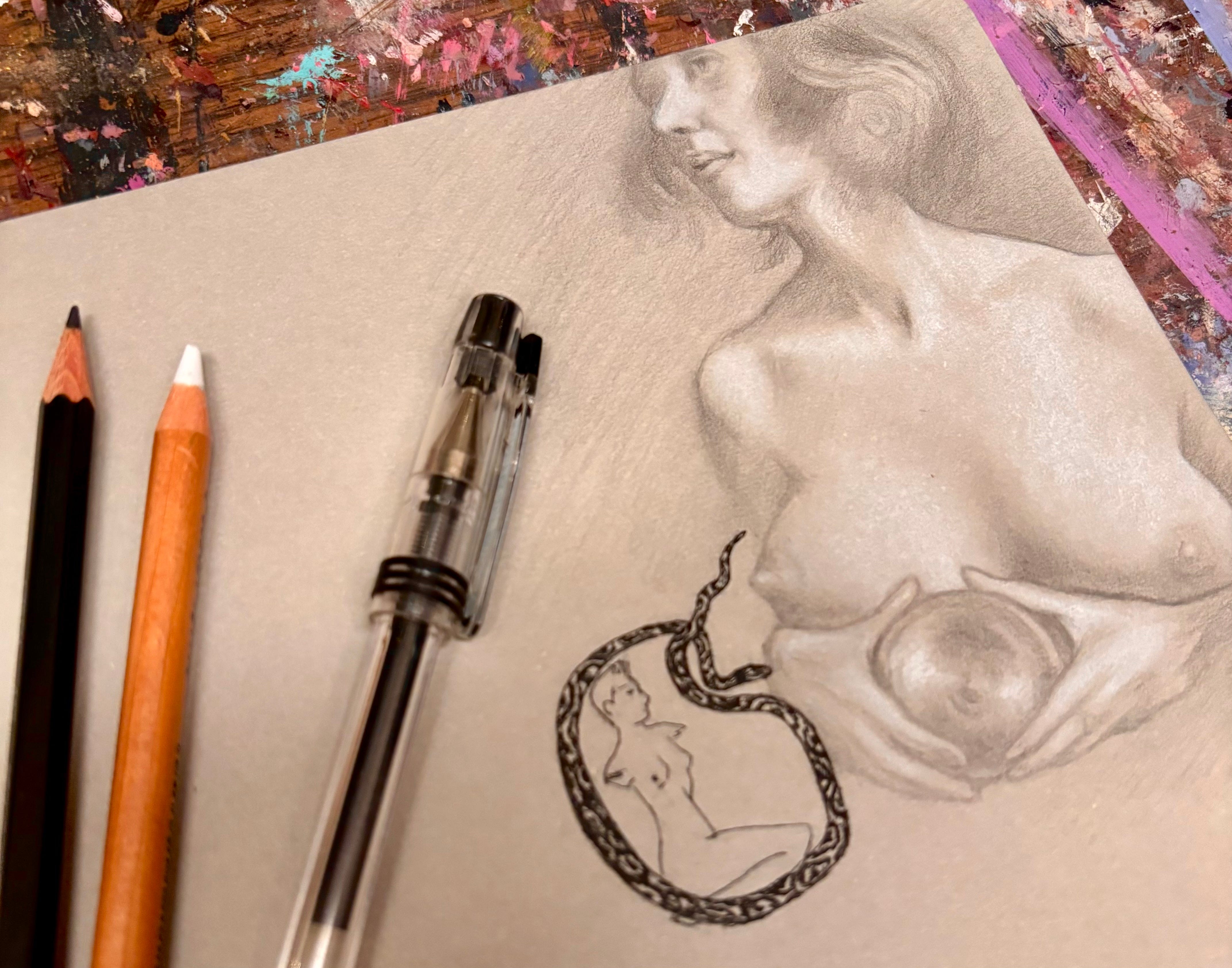
What I’m working on: Channelling the spirit of Spare, and hoping to learn from his flawless draughtsmanship, I sketched a small study of his Nude with Crystal Ball, one of my favourite drawings by him.
What I’m reading: The Witch: A History of Fear, from Ancient Times to the Present (2017) by historian Ronald Hutton.
What I’m listening to: moody October music like Ora Cogan who is apparently from Victoria, BC, too. The song “Cowgirl” is nice.
What did you think of Austin Osman Spare? Would love to know in the comments <3
Comments
Nothing yet. Say the first thing.
Sign in to join the conversation.