
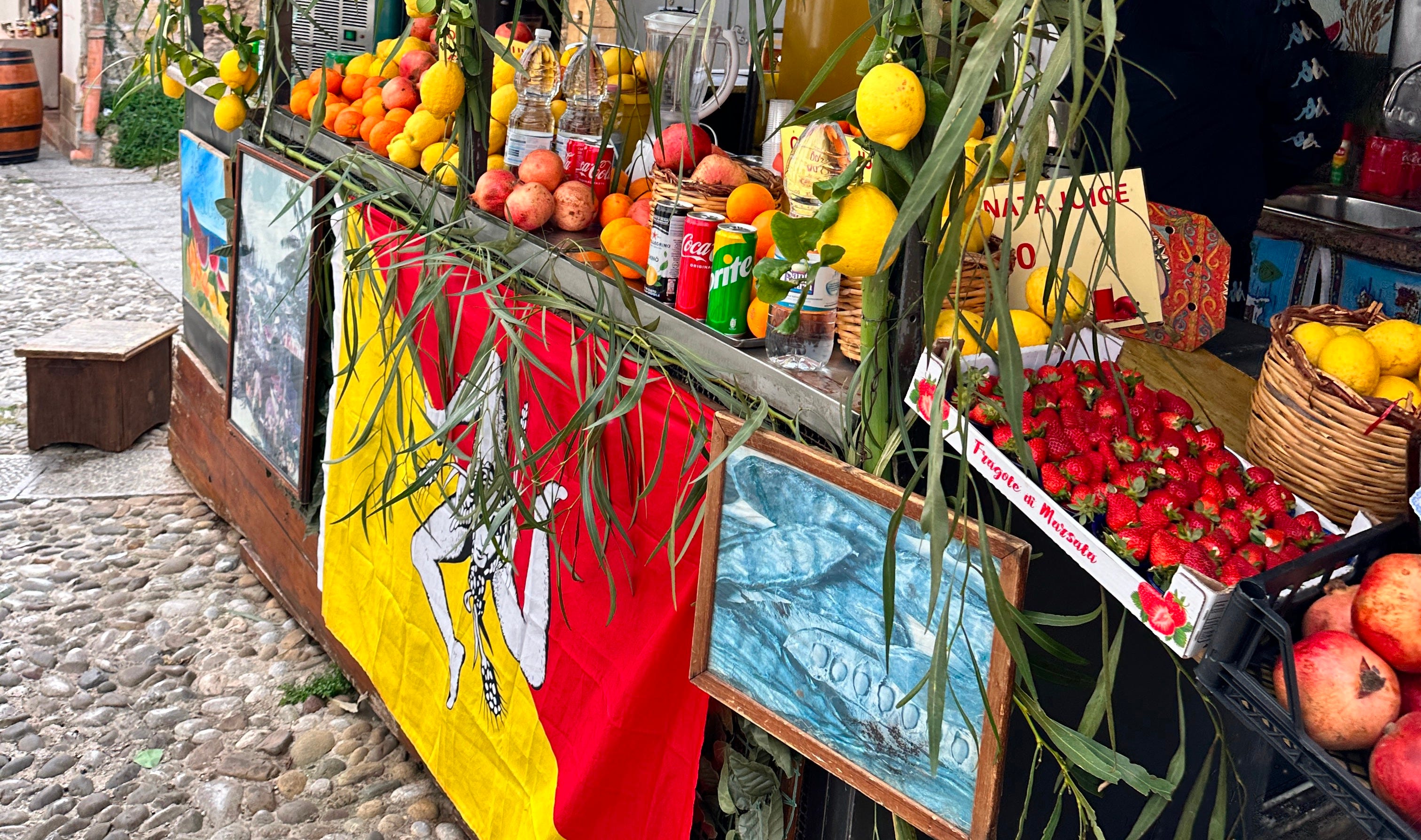
For years, I made a massive mistake.
Despite spending a career guiding travelers through the winding streets of Florence, the canals of Venice, and the monumental ruins of Rome, I completely overlooked Italy’s largest province. I stayed away because I had swallowed the same scary urban travel legends, Mafia myths, and logistical warnings that everyone else does. I thought it was just too difficult, too chaotic, and too far off the grid.
Then, I finally went. And I fell completely, irrevocably in love. That’s a long story for another day.
If you are a seasoned traveler who feels like you’ve “done” Italy, I am here to tell you that you are missing the most vibrant chapter of the story. Sicily is not just another Italian region; it is an operatic, raw, and completely distinct world. Here is why you need to throw out your Italian travel checklist and head south.
There is a profound psychological shift that happens the moment you cross the Strait of Messina. If you talk to the locals, you will quickly learn a fundamental truth about this island: Sicily is not Italy.
While it has been politically tethered to the mainland since the Unification of 1861, Sicily operates as an autonomous region with its own distinct soul, rhythm, and identity. The mainland feels European; Sicily feels like a bridge suspended directly between Europe, North Africa, and the Levant. Speaking of bridges, there has been a bridge proposal in the works for ages, but the Sicilians don’t want it. They like to be seperate.
You hear it first in the language. Siciliano is not a regional accent or a dialect of standard Italian—it is recognized by UNESCO as a distinct language. It is a linguistic tapestry heavy with Arabic, Greek, Spanish, and French loanwords. When a local shopkeeper welcomes you, the cadence is entirely different from the sharp, rolling sounds of Tuscany or Rome. As a fluent Italian language speaker, I can tell you that I don’t always understand it.
You also feel it in the pace of life. On the mainland, the concept of the afternoon closure (riposo) is slowly fading in major tourist hubs. In Sicily, it remains a sacred law. Between 1:30 PM and 4:30 PM, towns empty, shutters slam shut, and the streets fall completely silent. The island forces you to surrender to its clock. To the uninitiated traveler, this can feel like an inconvenience. But to those who look closer, it’s a beautiful, stubborn refusal to let the frantic pace of global consumerism hijack their heritage. Sicily doesn’t adapt to the modern world; it demands that the modern world adapts to it.
For a traveler, the sheer diversity wrapped up inside this single island is mind-boggling. You can wake up in a gritty, high-energy metropolis, spend your afternoon walking through an empty ancient Greek city, and watch the sunset from the slopes of an active, snow-capped volcano. Sicily refuses to be just one thing.
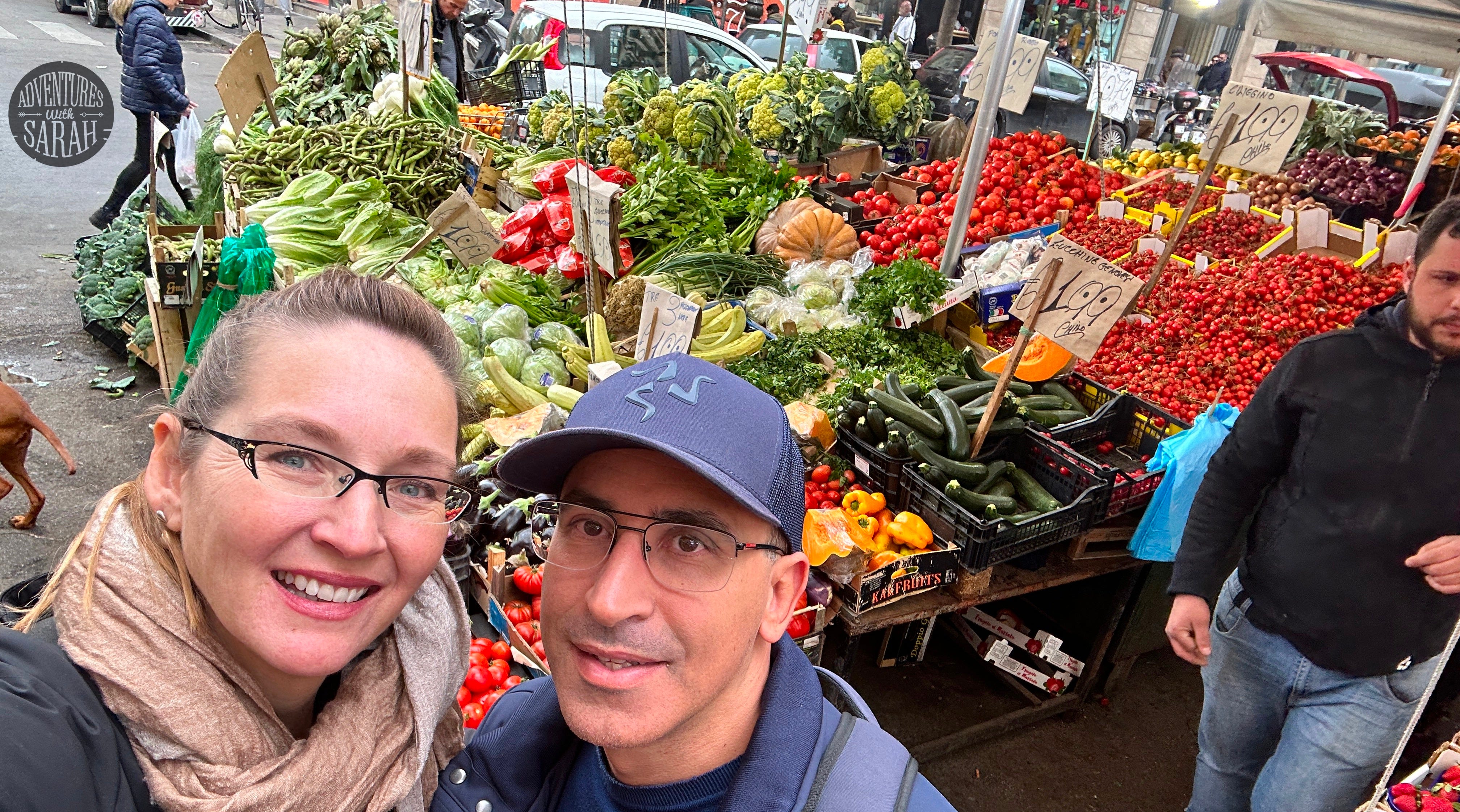
The vibrant, chaotic energy of Palermo’s markets.
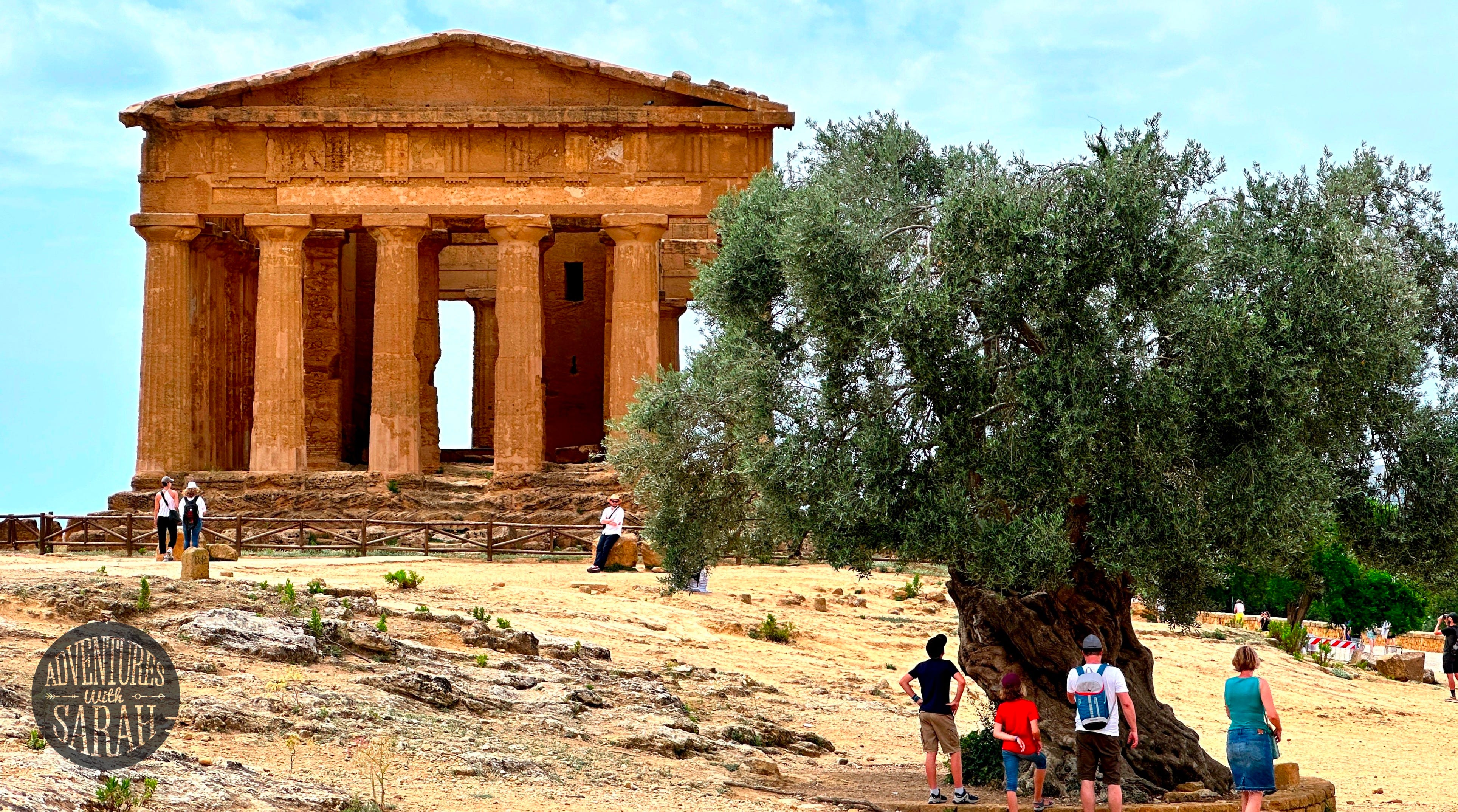
Ancient Greek architecture outlasting Rome in Agrigento.
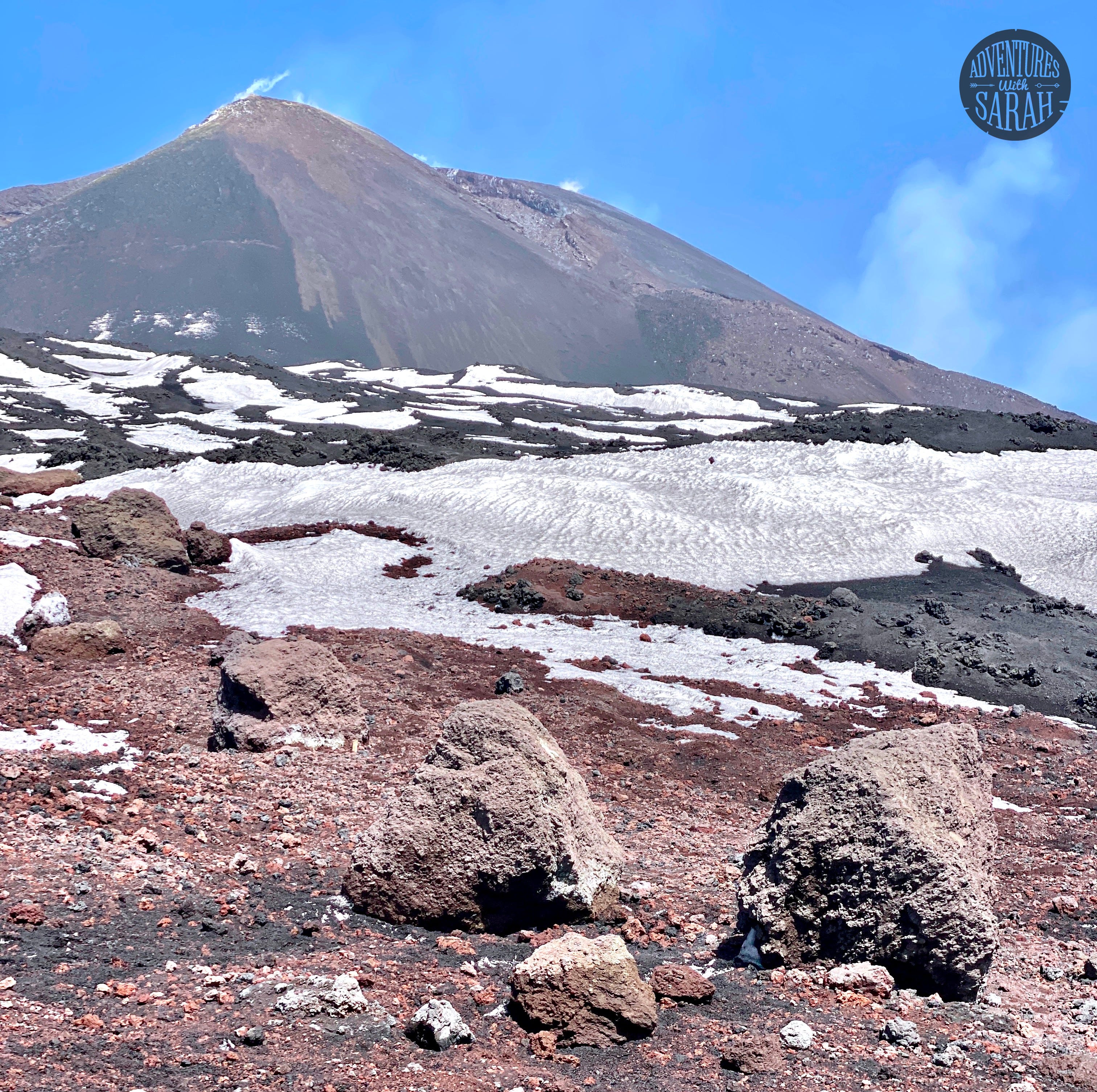
The dramatic alpine and volcanic heights of Mount Etna.
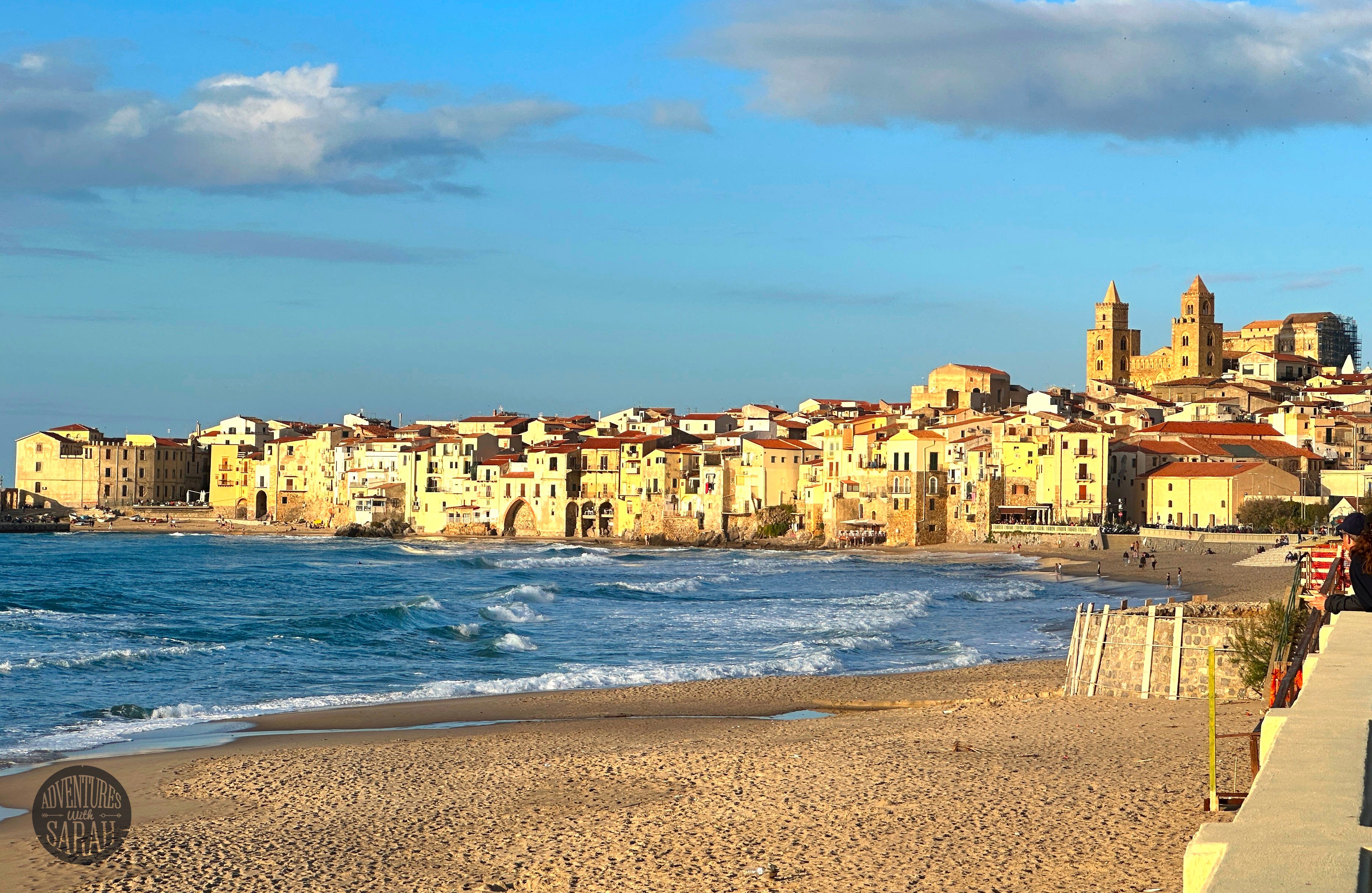
The golden beaches of Cefalu.
To navigate Sicily is to watch the landscape completely reinvent itself every 50 miles.
The Vibrant West: In Palermo and Trapani, the architecture feels heavy, theatrical, and occasionally weathered. You walk past Baroque palazzos with peeling paint, right next to markets that feel like ancient crossroads.
The Sun-Drenched South & Southeast: Drive a few hours into the Val di Noto, and the grit vanishes. Here, towns like Noto, Ragusa, and Modica are built from an almost glowing, honey-colored limestone that looks completely magical at golden hour—rebuilt in a cohesive, dramatic Late Baroque style after a cataclysmic earthquake in 1693.
The Volcanic East: Then you hit the dramatic shadow of Mount Etna. The soil turns ink-black and rocky. The air thins out, smelling faintly of sulfur and pine trees. The local beaches aren’t fine white sand; they are made of smooth, naturally polished black volcanic stones.
You can hike through alpine forests in the Madonie Mountains one day, and kayak through turquoise coastal nature reserves like Zingaro the next. It is an open-world playground that rewards exploration.
When the Greeks first sailed into the shadow of Mount Etna and settled Naxos in 735 BC, Rome was barely a collection of muddy huts on a hill. Sicily doesn’t just possess history; it is a dense, physical timeline of human civilization. What makes the island entirely distinct from the Italian mainland is its staggering diversity, shaped sequentially by at least 12 distinct cultures that conquered, built, lived, and left their permanent DNA on this single patch of Mediterranean earth: the indigenous Elymians/Sicani/Sicels, Phoenicians, Greeks, Carthaginians, Romans, Vandals/Ostrogoths, Byzantines, Arabs, Normans, Hohenstaufen Germans, Spaniards, and French.
The Greeks & Phoenicians Arrive—735 BC
The Greeks settle the fertile east coast, while the Phoenicians and Carthaginians occupy the west. They establish a bitter, wealthy rivalry that seeds the island with jaw-dropping theaters and temples.
The Roman Empire Claims the Spoils—200 BC
Following the brutal Punic Wars against Carthage, Rome transforms Sicily into its highly prized, ultra-fertile agricultural colony.
Barbarians & The Byzantine Golden Era—400–500 AD
As Rome falls, Germanic tribes (Vandals and Ostrogoths) claim loose control before the Byzantine Empire sweeps in from Constantinople, ruling for 300 years and introducing hypnotic art and design.
The Arab Agricultural Paradise—800 AD
North African Muslim dynasties take control, introducing sophisticated irrigation, citrus groves, saffron, and sugar—forever altering the landscape and creating the foundations of Sicilian cuisine.
Normans, Spaniards, and Italian Unification—1000–1860 AD
A dizzying succession of Norman kings, Swabian German emperors (like Frederick II), Spanish and French rulers shape the Baroque architecture before Sicily finally joins modern Italy in the 1860s.
When you sit down to dinner or walk through a local piazza, you are participating in a 3,000-year-old cross-pollination event. That is why this island feels completely different from anything you will experience in Tuscany or Umbria.
People have fought, bled, and died over this island for five millennia for two simple reasons: its strategic military location in the center of the Mediterranean, and its unbelievable fertility.
Because of the rich, mineral-packed volcanic ash coughing out of Mount Etna, Sicily is an agricultural paradise. Everything grows bigger, tastes brighter, and smells more intense here. The tomatoes taste like candy; the wild citrus groves perfume the highways; the sheep’s milk ricotta is richer than anything you’ve ever sampled.
This centuries-old collision of invading cultures paired with hyper-fertile soil has birthed an incredibly original culinary tradition. Step into the street food markets of Palermo—like Ballarò or Il Capo—and you will immediately realize you aren’t in standard Europe anymore. It feels like a vibrant Middle Eastern souk. Fishmongers don’t just sell catch; they sing poetic, roaring baritone arias to advertise their swordfish. Massive iron vats hiss with frying panelle (chickpea fritters), and the scent of charred, salted artichokes fills the air. A casual trip here will turn even the most defensive traveler into an obsessive foodie.
To understand Sicilian food culture, you have to understand the concept of agrodolce—the signature sweet-and-sour flavor profile that balances heavy, rich textures with bright, acidic bursts. It’s a culinary fingerprint left behind primarily by the island’s Arab rulers, and it means your palate will never get bored.
Mainland Italy relies heavily on the simplicity of high-quality local ingredients cooked with minimal fuss. Sicily, on the other hand, approaches food like an intricate canvas.
Breakfast as an Art Form: Forget the rushed espresso and plain cornetto of northern Italy. In Sicily, summer mornings start with granita e brioche. This isn’t shaved ice; it’s a velvety, intensely concentrated frozen emulsion of fresh pistachios, almonds, or wild lemons, paired with a warm, pillowy, egg-rich brioche bun featuring a distinct top knot (the tuppo). You dip the bread into the frozen cream. It is decadent, brilliant, and completely normal. If granita isn’t in season, you’ll have a tooth-achingly sweet buffet of ricotta pastries to choose from.
The Sweet Rituals: Walk into any pasticceria and you are looking at a living history museum. The legendary cannoli are fried pastry tubes bubbling with lard and filled to order with fresh, sheep’s milk ricotta—never cow’s milk, which locals view as an insult. Then there is Cassata, a sponge cake soaked in liqueur, layered with ricotta, and encased in bright green marzipan, originally crafted by royal court chefs during the Arab and Norman periods.
Food here isn’t just fuel, and it isn’t just an item on an itinerary. It is a fierce point of local identity, heavily dictated by the sea, the soil, and the literal season you are traveling in.
Because Sicily sits far to the south—geographically closer to Tunis than to Rome—timing your trip is everything. If you show up in the dead of summer, you won’t experience slow travel; you’ll be crammed like sardines along with every vacationing Italian.
Here is how the seasonal calendar breaks down for travelers seeking an authentic experience:
The Sweet Spot (April to June): Spring is arguably the most magical window. The countryside is overwhelmingly green, carpeted in wild crimson clover and yellow wildflowers. Daytime temperatures hover between 65°F and 75°F, making it perfect for hiking Etna or walking through unshaded ruins without melting. Plus, you get to catch seasonal delicacies like fresh wild artichokes and spring asparagus.
The Foodie’s Secret (September to October): Early autumn is when the peak summer crowds pack up, yet the Mediterranean Sea remains warm enough for swimming well into October. This is harvest season—the air near Mount Etna smells like crushed grapes, olive mills are turning, and food festivals sweep through the hilltop villages.
The Wild Cards (July & August / November to March): July and August bring blazing heat (often soaring past 100°F) and expensive coastal crowds as all of Europe descends on the beaches. Winter is peaceful and radically cheap, but keep in mind that seasonal beach towns go completely quiet, and historical interiors can feel intensely chilly as locals don’t heat buildings like Americans do.
If you are looking for a sterile, perfectly manicured, Disneyfied European vacation, do not come to Sicily.
One of the things that shocked me most on my early trips—and something we have to be completely honest about—is the litter. Palermo can be gritty, and as you drive through the breathtaking countryside past rolling fields of wildflowers, you will occasionally spot a ditch overflowing with debris and plastic. It is a frustrating, heartbreaking contrast that has cultural explanations, but I won’t go into that now.
But frankly, that unpolished edge is exactly why Sicily remains so magical. It refuses to be anything other than itself.
Mass tourism has a way of sanding down the corners of a culture until every souvenir shop sells the same plastic trinkets. Sicily refuses to put on a fake smile for you. It is a lived-in, authentic place where local kids will invite you into a spontaneous street soccer game, and moms will chat with you on the sidelines while you watch. I remember taking my son when he was eight years old, and the moms fed him snacks as he played soccer with local kids. Sicily is just that way. Everyone is invited to the party.
On the mainland, you are often insulated from real life by layers of tourist infrastructure. In Sicily, you are dropped directly into the center of the frame. There is a liberating honesty to a place that doesn’t care if you like it or not—it forces you to slow down, drop your guard, and accept the island exactly on its own terms.
Once you accept that uncurated reality, an incredible mental shift happens. You stop rushing. You stop looking at your watch.
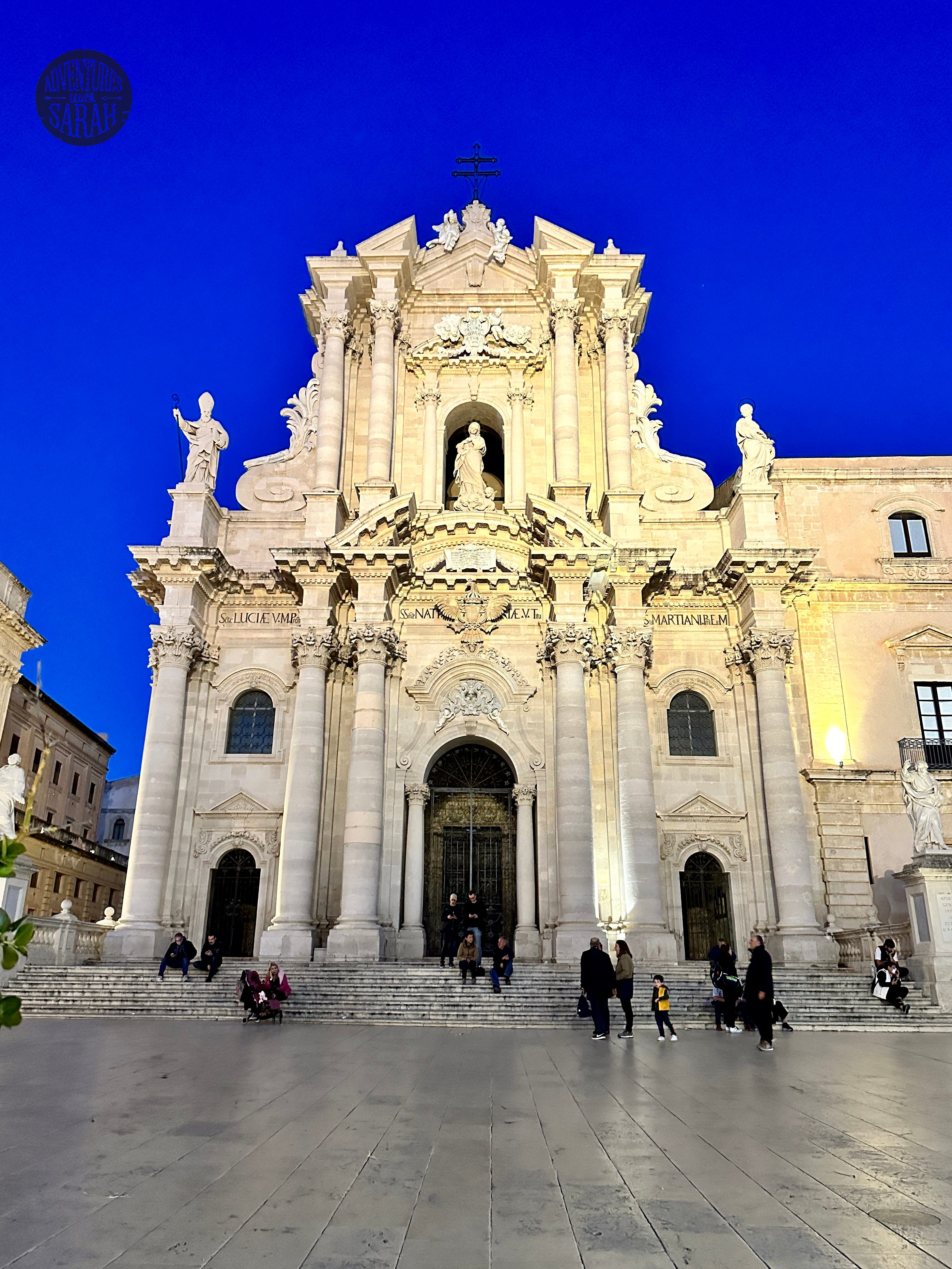
Instead of sprinting to match a rigid itinerary, you find yourself sitting on the smooth limestone steps of the Ortigia cathedral at dusk, watching the sky progressively turn from cerulean to ametheyst. You listen to the gentle, rhythmic clatter of outdoor restaurant tables being set for a dinner that won’t even begin until 9:00 PM. You realize that the real magic of travel isn’t counting how many museums you checked off before lunch, but rather how deeply you allowed yourself to sink into the local environment.
In local dialect, Ammunini means “Let’s go!”
Sicily reveals itself slowly, piece by piece, from the steaming, active craters of Mount Etna to the golden beaches of Cefalù and the faded 19th-century elegance of Palermo. It is an island of wild, beautiful contradictions—and it is easily the most compelling travel destination in Europe right now.
The craziest part? The rest of the world still hasn’t completely caught on. Don’t wait until it does.
Shameless promotional note: We offer tours to Sicily every year, check out our current line up at adventureswithsarah.net
Have you been to Sicily? If you have questions for me, drop a comment below.
Comments
Nothing yet. Say the first thing.
Sign in to join the conversation.