
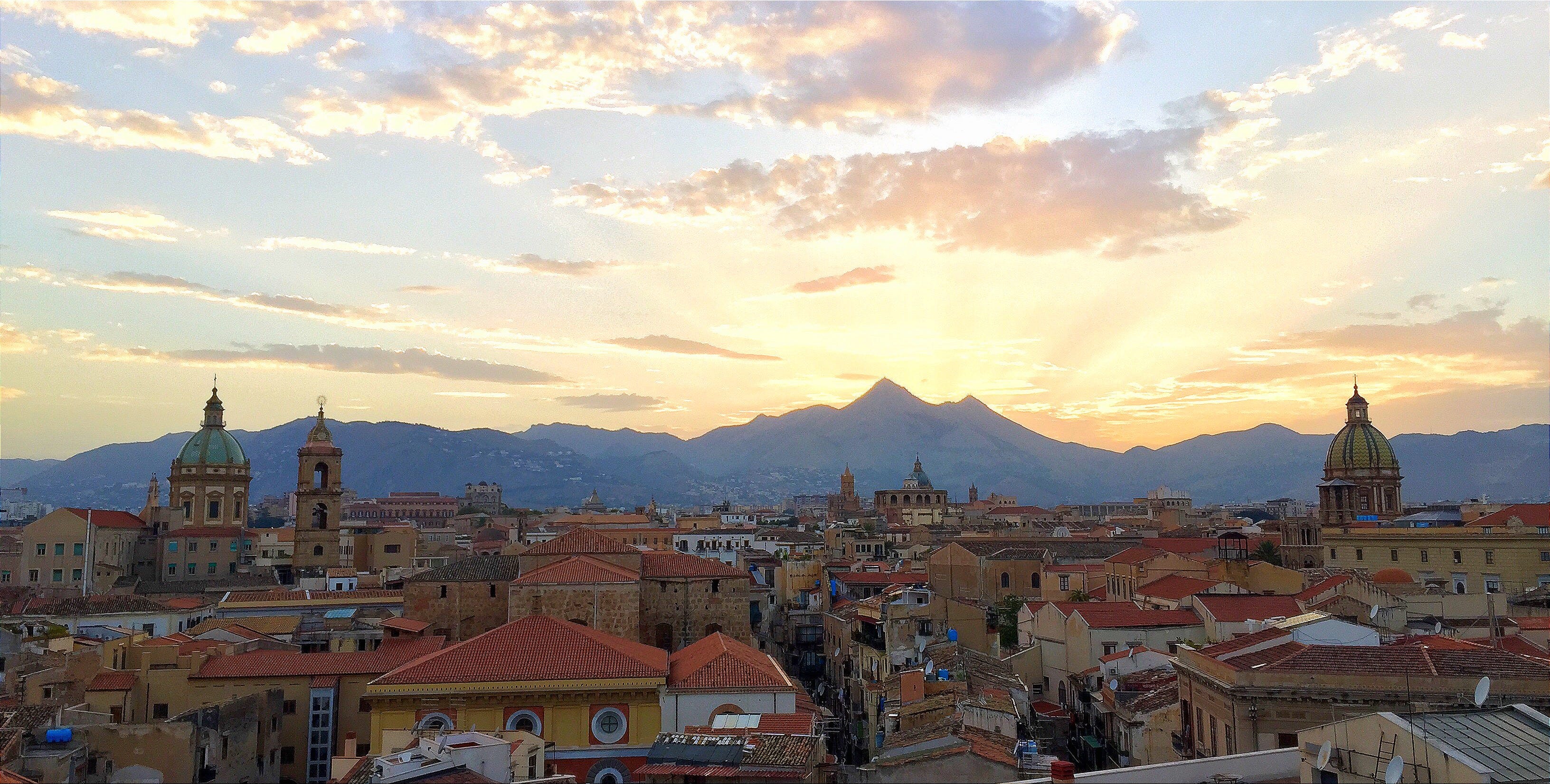
For decades, Palermo was a city spoken of in whispers. It was the grit under the fingernails of Italy—a place defined in the foreign imagination by manic traffic, crumbling Baroque facades, pollution, and the dark shadow of the Mafia. Timid travelers skipped it entirely, choosing the manicured piazzas of Florence or the romantic canals of Venice.
Times have changed. I’ve spent an unreasonable amount of time in Palermo, researching and writing the Rick Steves Sicily book over the course of seven years. I’ve slowly fallen in love with it, and watched it transform back into the “Paris of the South” as it was 150 years ago. It’s been a remarkable thing to witness.
Over the last decade, this misunderstood metropolis has undergone a breathtaking cultural renaissance. Streets that once choked on scooter exhaust are now pedestrianized thoroughfares. Aristocratic palaces have opened their heavy wooden doors to the public. The grip of Cosa Nostra has been broken by a fierce, citizen-led resistance, and a wave of youthful, artistic energy has flooded the city’s historic corners.
Even so, Palermo remains deliciously rough around the edges. It is a city of “organized chaos,” highly reminiscent of Naples. It does not do “pristine.” But for the adventurous traveler, its deep layers of history create a fascinating patchwork found nowhere else on earth.
Sicily is a part of my soul. I’ve been guiding and writing there for 15 years. Friends joke that I’m more Sicilian than American but I suspect it’s not a joke. I love it like a relative, reminds me of my eccentric grandmother. It’s awkward, uncomfortable, and loud, but it’s also generous, beautiful, vibrant and full of life. I hope this guide will help you love it the way I do. Amuninni!
Palermo is Sicily’s aristocratic, historical capital. To understand why Palermo’s architecture leaps frantically from geometric Arab tracery to glittering Byzantine gold leaf and theatrical Spanish Baroque, you must understand its past. Founded in the 8th century B.C. by Phoenician traders who fell in love with its deep, twin-river harbor, the city was named Panormus (”All Port”) by the Greeks who relied heavily on its commercial gravity.
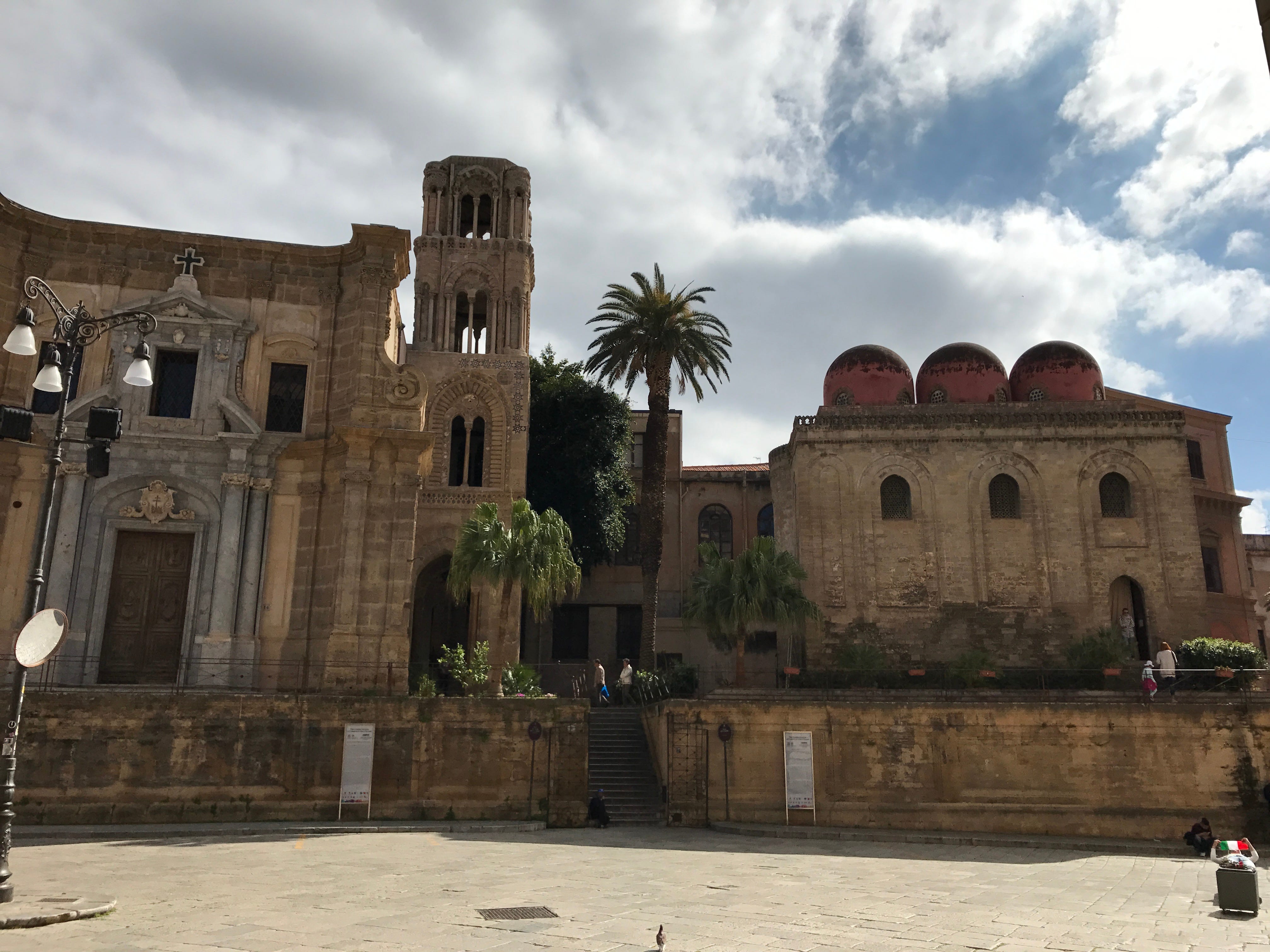
Unlike the rest of Sicily, which looks back on a classical Greek golden age, Palermo only truly found its metropolitan soul under Arab rule beginning in A.D. 827. The Fatimid rulers turned a sleepy settlement into one of Europe’s greatest Islamic capitals, secondary only to Córdoba in population and intellectual might. When French-Norman knights crossed the Strait of Messina in 1072 to reclaim the island for Christendom, they were so thoroughly entranced by the sophisticated Arab irrigation systems, mathematics, and design that they chose to integrate the existing society rather than dismantle it.
King Roger II created a dazzling, tolerant, multi-ethnic court where Arab master engineers, Greek Byzantine artisans, Latin scribes, and Jewish merchants pooled their strengths. This short-lived Norman golden age fused with subsequent waves of Spanish Aragon and Bourbon overlords, turning Palermo into an architectural and cultural jigsaw puzzle.
Comments
Nothing yet. Say the first thing.
Sign in to join the conversation.