
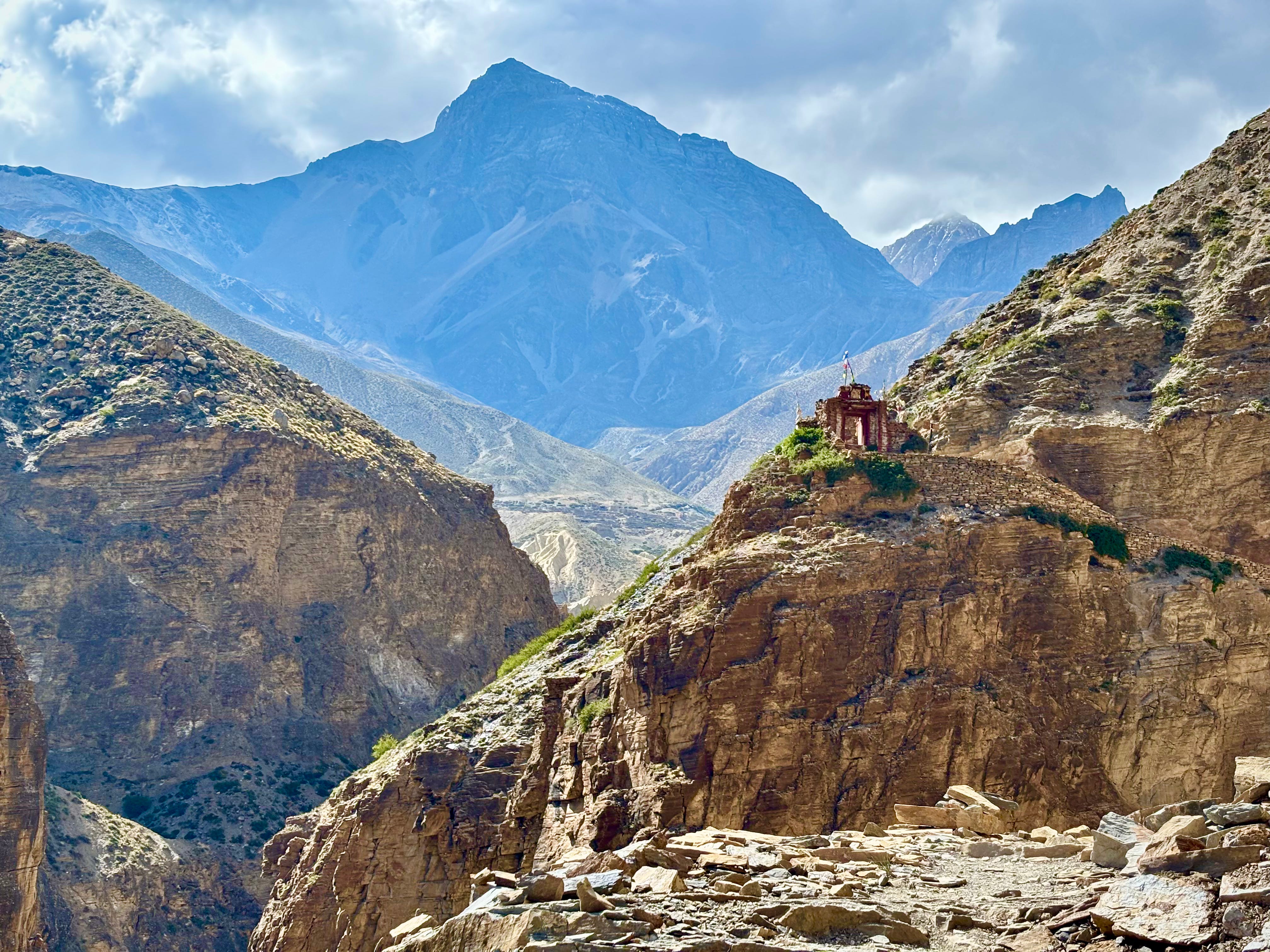
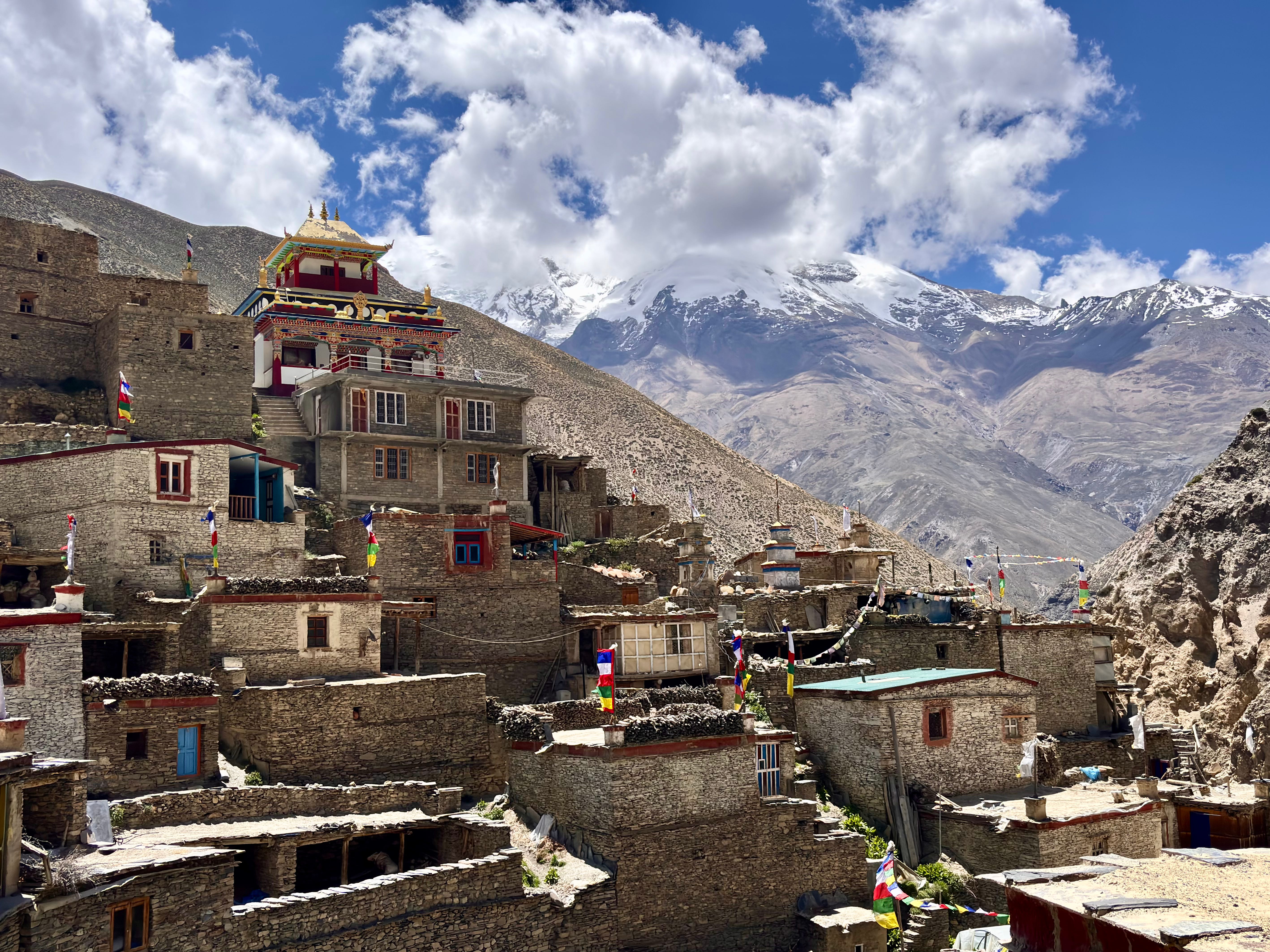
The entrance to the 15th century village of Phu, reached after a long day of trekking, feels like the entrance to a secret city—and for decades, it was.
For over 1,300 years, this area has been inhabited by semi-nomadic Tibetans, long before the region was incorporated into modern day Nepal. But even then, it would take decades for the Nepali government to learn of the existence of the valley’s inhabitants. According to one telling, a helicopter pilot saw settlements while flying overhead, triggering an investigation. Officials dispatched from nearby Chame say clothes floating down the river were their first sign that people were living high in the valley above.
While a paved road has been eating away at the Annapurna Circuit trek—or making it more accessible, depending on who you ask—the way to Phu has remained a footpath as soon as you step off the pavement at Koto, despite its relative closeness to this very popular area. Since 2002, trekking has been sanctioned in the valley, though it’s still a restricted area requiring a special permit and guide. This is presumably what has kept the area’s development slow and steady. When both my seasoned trekker friend and my guide confessed the Nar Phu trek to be one of their favorites in Nepal, I knew I was in for something special.
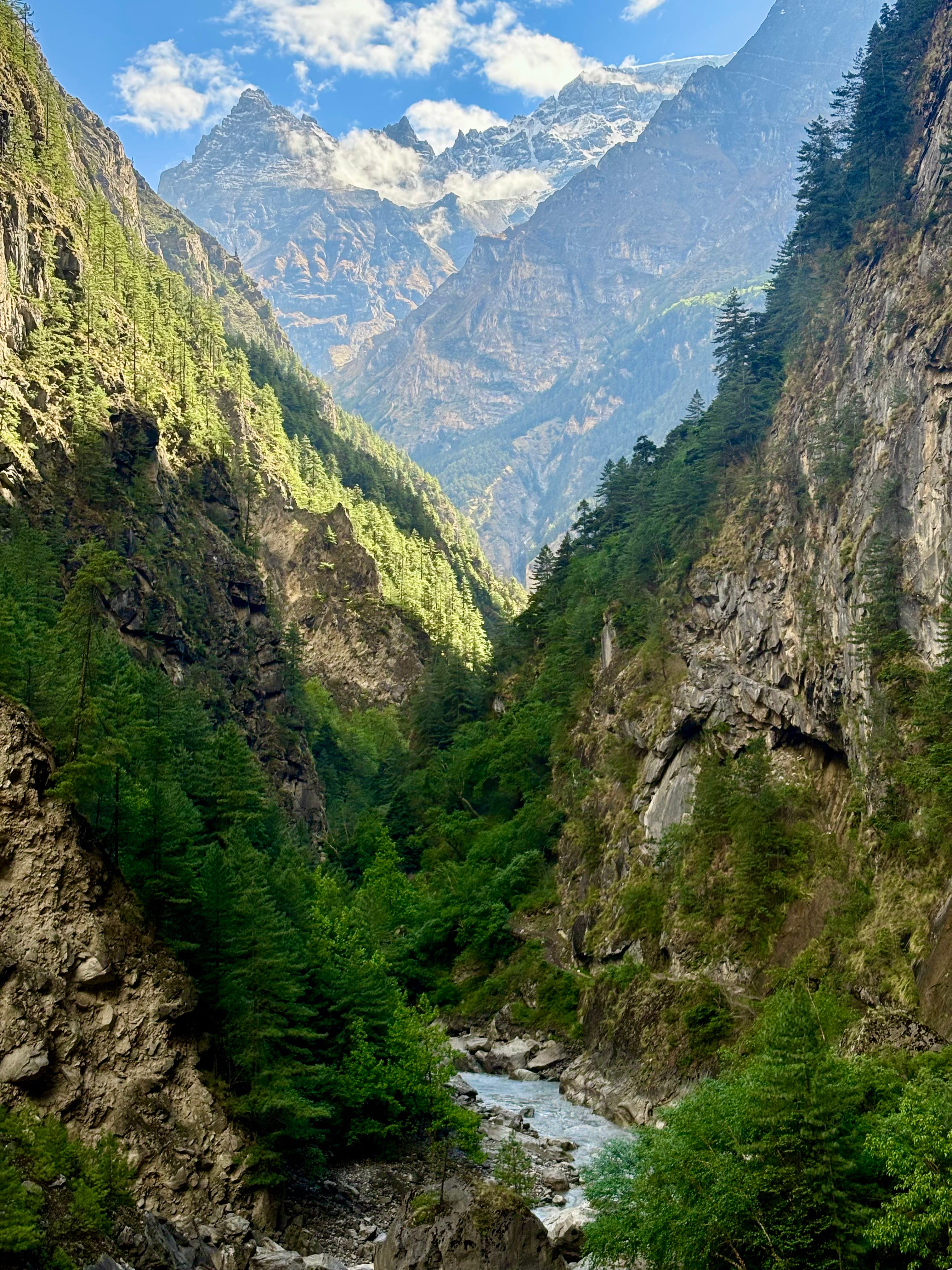
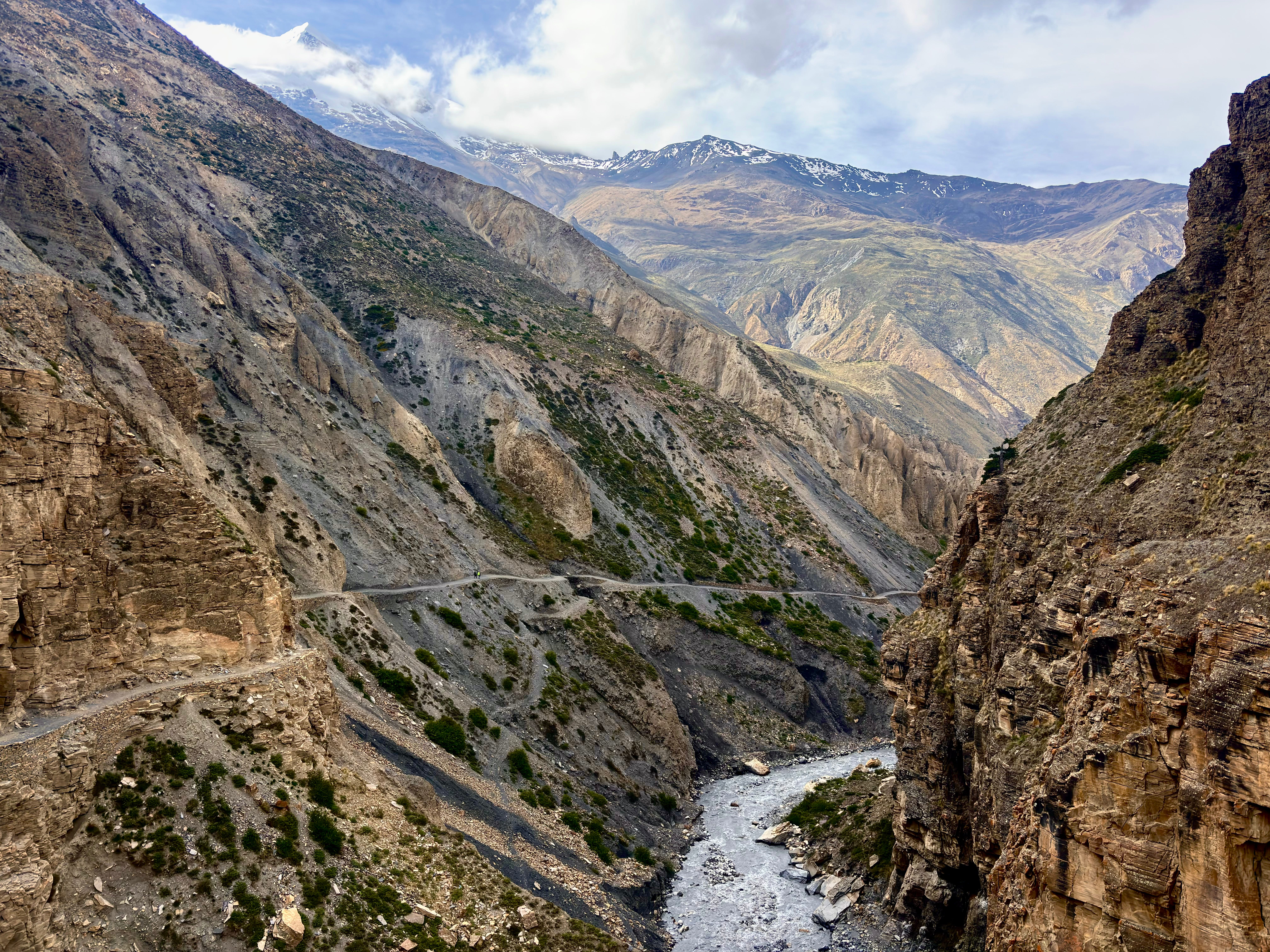
Nar and Phu are two distinct villages along the trek. We head to Phu first, entering the valley at Koto. The trail follows along a pine forested gorge. It’s here, on this first day, you feel how the outside world has been sneaking in. Construction on a dam has been started to provide water for a local hydro project and a road is being planned, though it’s unclear how far it can or will reach within the valley. Within hours, the outside world is easily forgotten as the trail becomes little more than a gouge in the high rock walls.
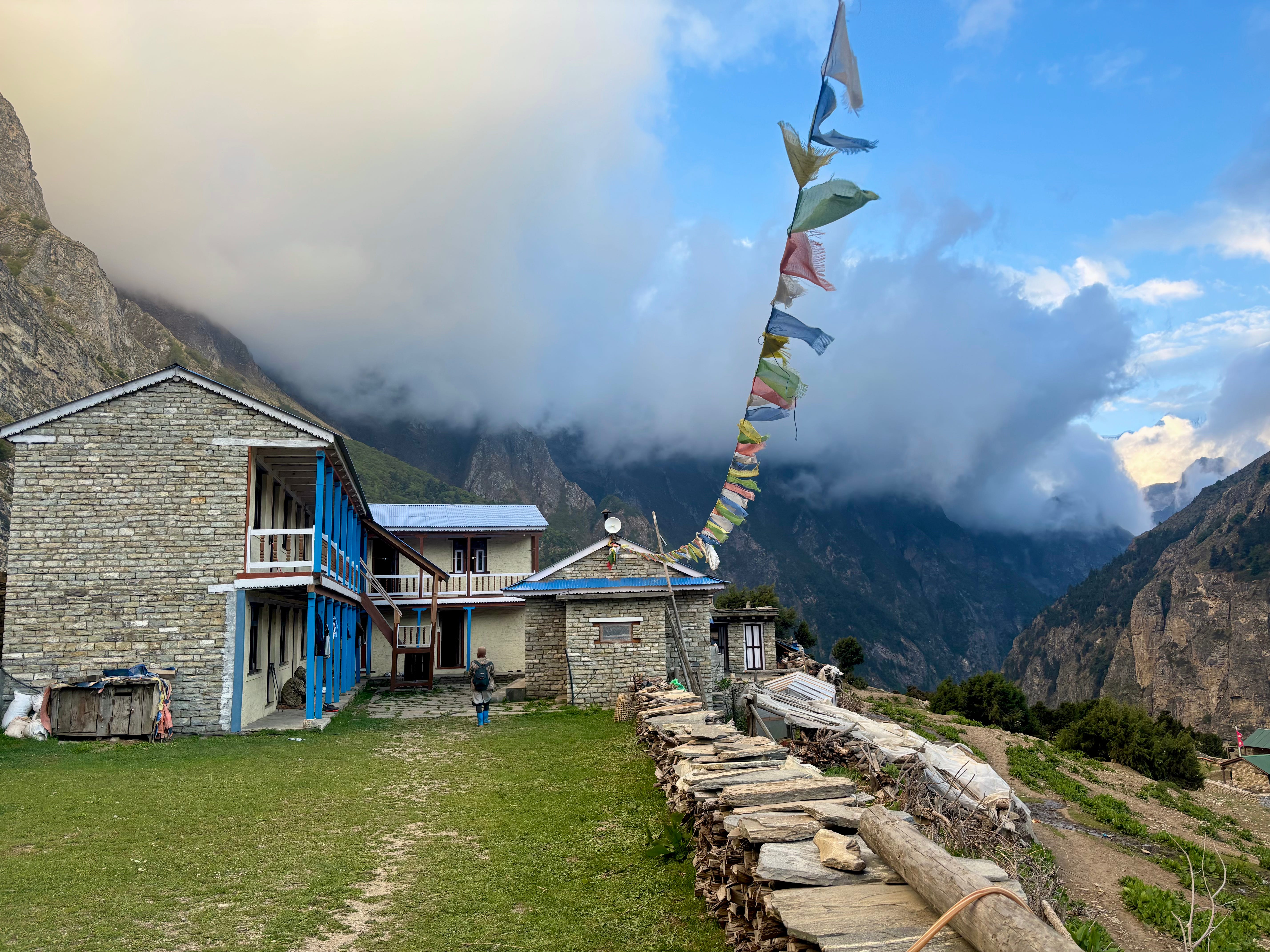
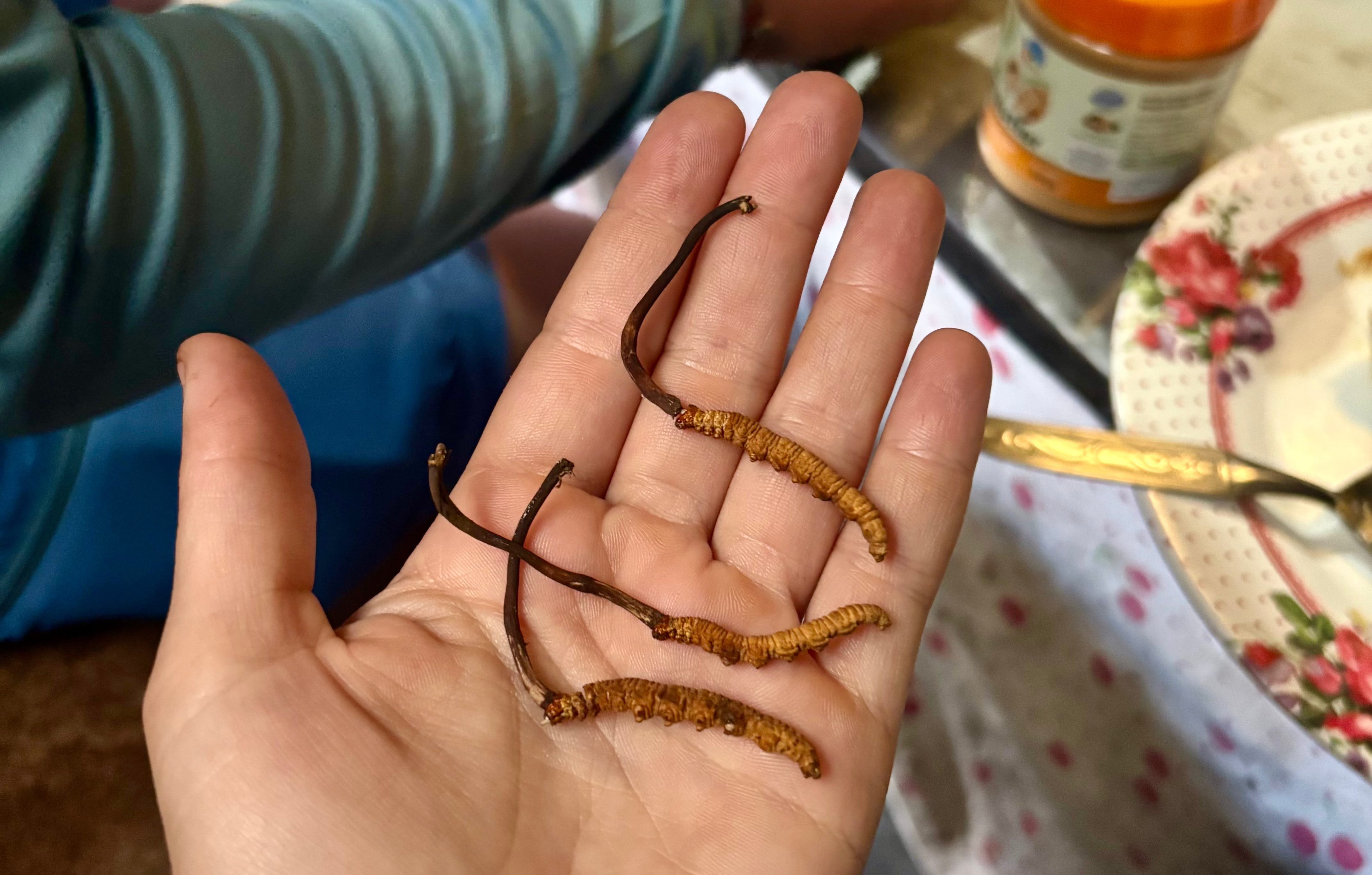
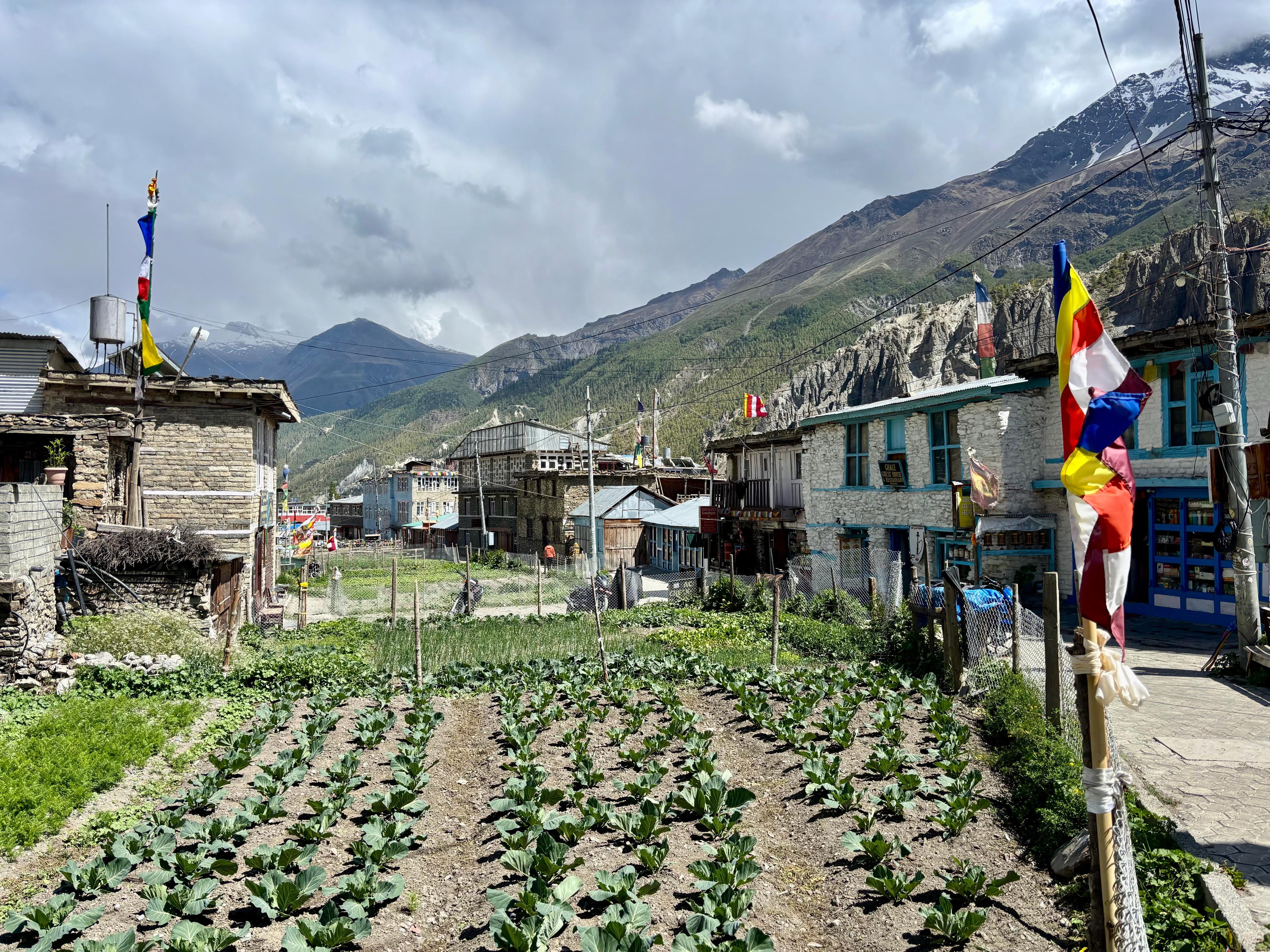
We climb out of the gorge’s depths to arrive at Meta—named for the pine resin fire starter used in the region. From Meta on, we’ll be staying in local villages, not ones made for trekkers, perhaps the biggest difference between Nar Phu and the Annapurna Basecamp Trek I’ve run for several years. Many of the villagers we meet are descendants of the Khampa, Tibetan warriors who fled in the 1950s from Chinese aggression. In this valley, they make a living from farming, animal herding, tourism and harvesting, including the highly prized yarsagumba. This fungi, found growing out of the heads of local caterpillars, is collected in high altitude fields and can be worth more than gold by the customers who believe in its aphrodisiacal qualities.
Share this with that one friend who’s always down for an adventure ⬇️
From Meta, the landscape morphs from pine-scented gorge to windswept high altitude desert. Along the way, we pass the stone walled homes that residents move to in the winter with their livestock. Neat stacks of firewood line the path like walls. “The more firewood, the wealthier the family is perceived,” my guide, Rabin, explains.
Higher up, the gorge returns bare of pine. We’ve now entered the territory of another Tibetan nomad of sorts, the Himalayan blue sheep. More goat-like than their name suggests, they huddle together on impossible precipices, kicking up dust and stones as they casually leap over 500 foot drops. And as Rabin reminds me: “They say if you follow a blue sheep all day, you are guaranteed to see a snow leopard.”
We tear our eyes away from the suicidal sheep to make the final climb up to 4,100 meters (13,450 feet). Around the bend, as my feet scream for the day to end, I’m stopped short by a lone structure sitting a top a rocky outcrop. It towers over the river, now a churning hum several hundred feet below, nestled into the landscape its mandated to demarcate and protect. This is Phu gate, the entrance to the village that remained hidden for centuries. Something about the sight of it, so suddenly appearing in the twists of the path and its lone stance in a scene without another mark of humanity, has me wiping tears from my eyes.
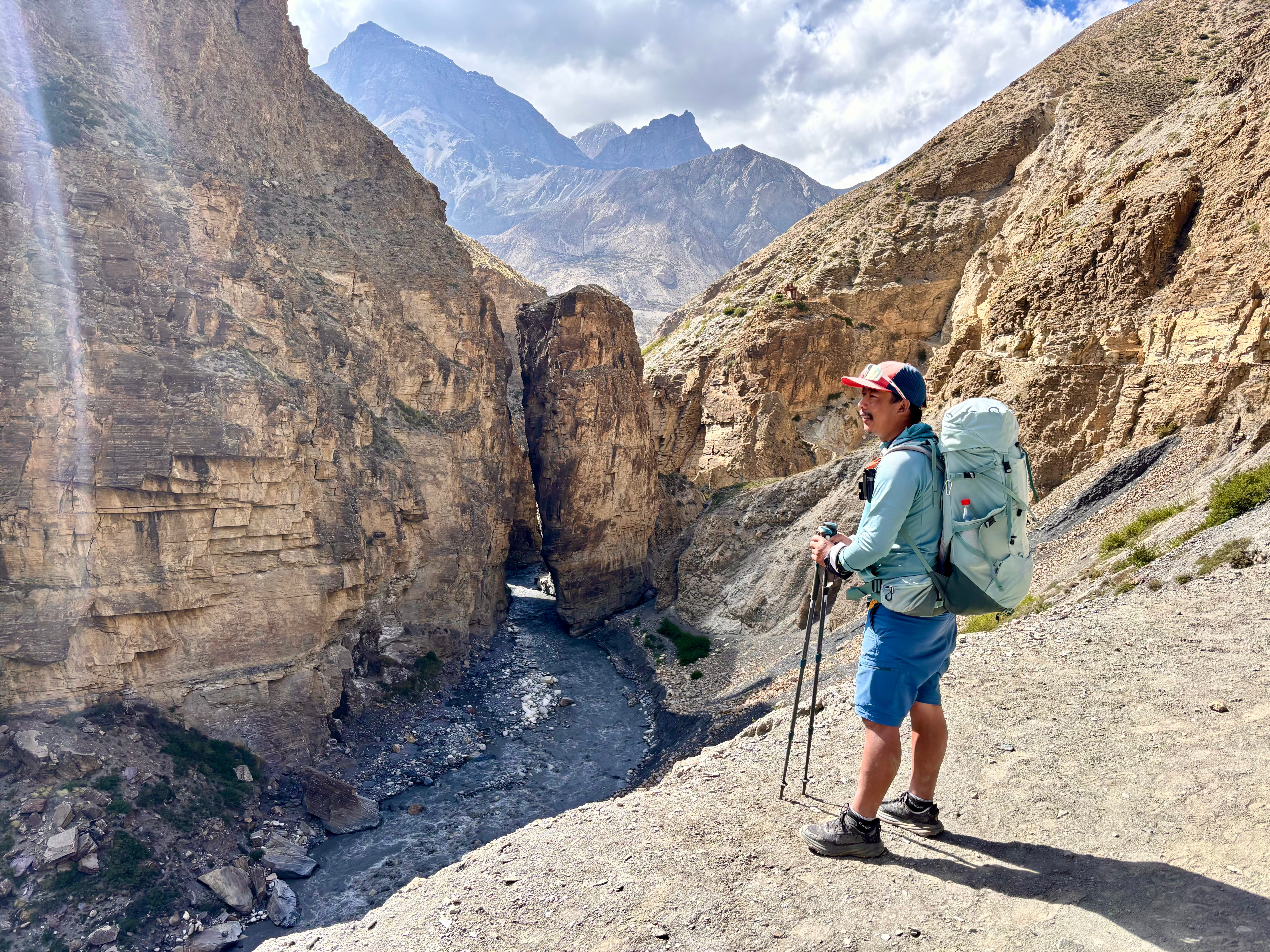
The trail leads through the gate, past several chortens, to our guesthouse set across the river from Phu. We spend two nights here, taking a day to acclimate. We huff our way up to the Tashi Lhakhang Monastery where two genial monks welcome us with cups of Tibetan salted butter tea. Later we walk through an empty Phu, where almost all the residents are high up in the mountains harvesting yarsagompa. In a good season, they’ll make enough in one harvest to keep them afloat for most of the year.
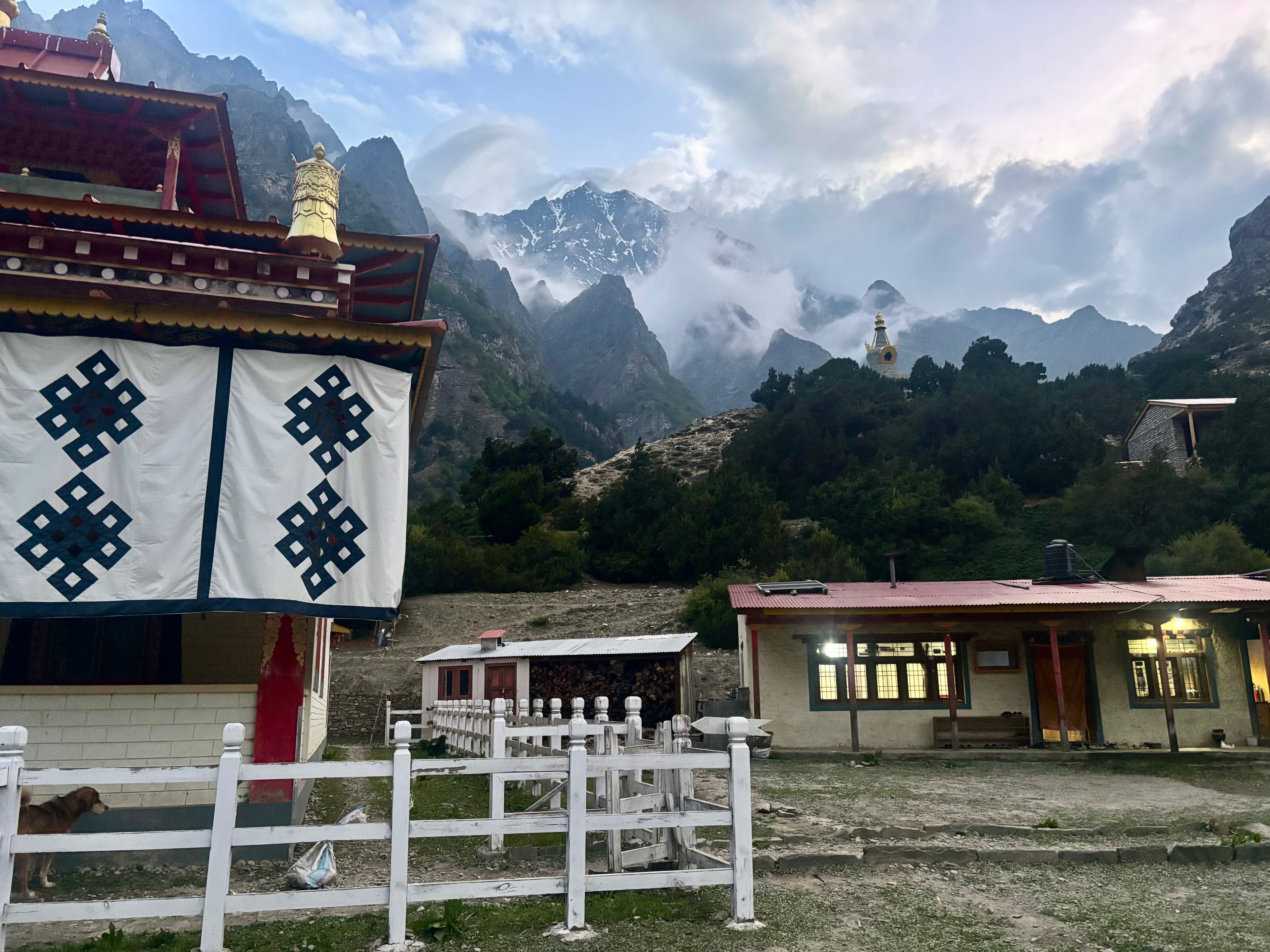
After spending two nights in Phu, we head back down the valley, retracing our steps before crossing over to reach the Nar Satek Thrangu Chholing Gomba. Here young monks spend six months of the year learning math, English, Nepali, Tibetan and Tibetan Buddhism against an impossibly beautiful backdrop. I sit in on the monk’s evening prayers. They seem to range in age from six to eighteen, and their ability to pay attention during the one hour session mirrors this. The youngest squirm and gossip—a few playful punches are thrown—while the oldest leads them all with a determined confidence. Halfway through, Tibetan tea and biscuits are served.
After a night at the monastery, we have a short, steep climb to Nar. That night we set our alarm clocks for 3am in preparation for the longest and most grueling day of the trek. Over eight hours, we’ll gain 1,200m (3,940 feet) and lose another 1,700m (5,600 feet) in our climb over the Kang-la Pass that will take us back into Manang Valley and the well-trod Annapurna Circuit trek. The pass is the highest I’ve ever crossed, and I’m nervous about doing it without Diamox. But Rabin’s expertise has guided our itinerary and by the time we begin trudging up at 4am, I’m so well adjusted to the altitude that I get nary a headache as we slowly, gently climb higher and higher. After five hours, we cross the final patches of snow to reach the Kang La Pass at 5,320m (17,500 feet). `
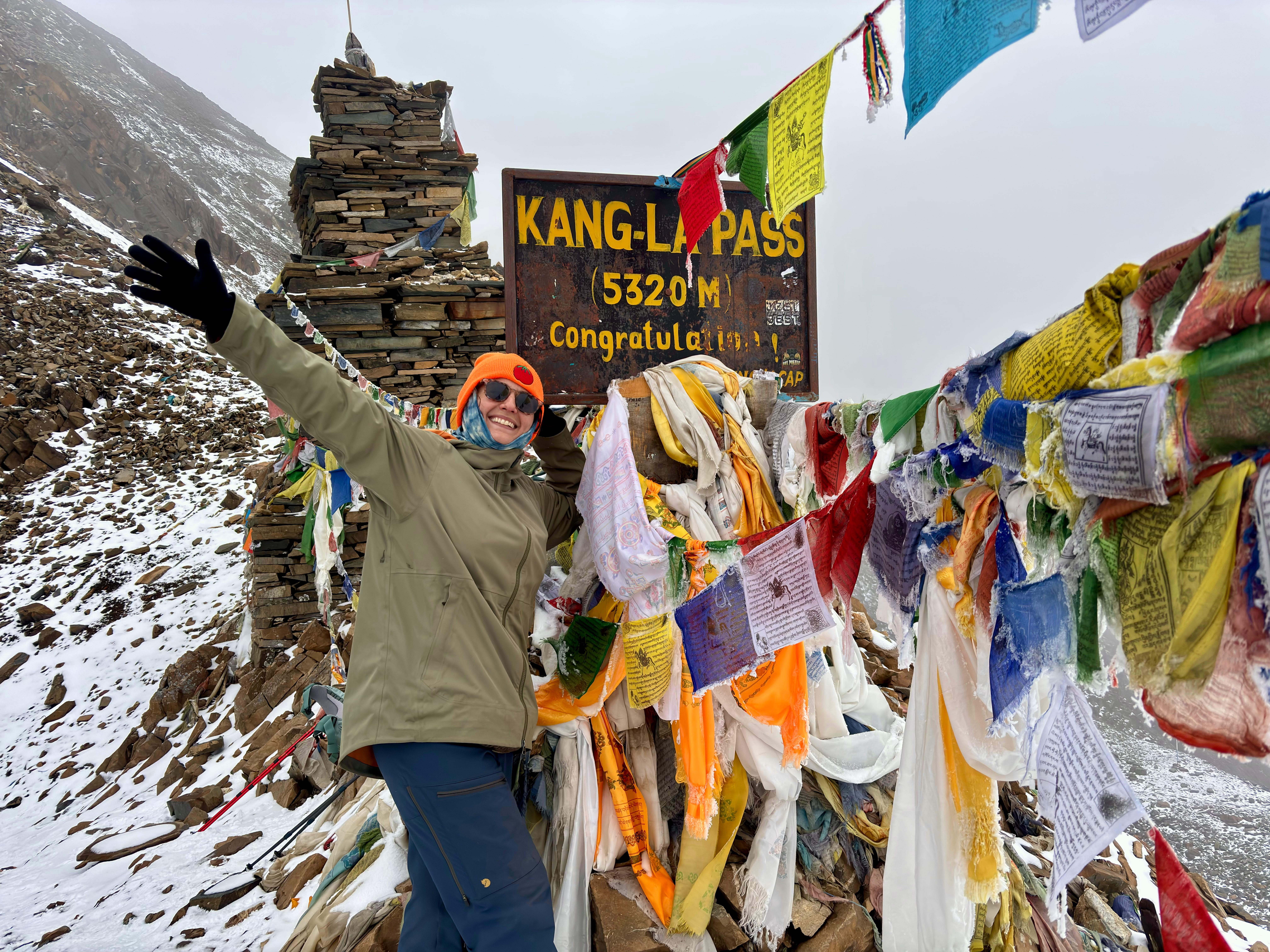
My thighs are shaking by the time we make it down to Nwagal, our stop for the night. It’s not even 1pm. Our early start means we have the afternoon to do absolutely nothing. The final day of trekking, mercifully short, takes us up to Manang, its hubbub of WiFi and bakeries a veritable metropolis compared to the villages of the Nar Phu valley.
Kathmandu to Koto & back: You can take a microbus (800NPR) or private taxi (20,000 NPR) to Besisahar (6-8 hours). From here, take a shared jeep (<5,000 NPR) or private jeep (>300 USD) to Koto (5-6 hours). When returning to Kathmandu, you can get do this all in reverse by arranging a shared jeep from Manang.
Permits: Because you need a guide for this, they will handle your permits. My guide, Rabin, was excellent, knowledgable and lovely company. Find him here.
BYOSnacks: You won’t find much of any snacks available for purchase of on the trek so I would suggest purchasing some in Kathmandu. Not a bad idea to also bring a can or two of tuna if you’d like to have some protein with your dinners. As you gain altitude and get further from the main road, I would recommend not eating the local meat on offer.
Essential Gear: Guesthouses will provide blankets and pillows but I like to bring my own sleeping bag. Other things you will need:
head lamp (for that early morning pass day, especially)
entertainment (book, journal, etc) for downtime
layers including warm & lightweight jacket, warm hat, bandana/buff, base layers, lightweight hiking pants, lightweight hiking shirt, sunhat.
sun protection (sunscreen, lip balm, etc)
extra socks
hiking poles
Electricity & Charging: This will vary from guesthouse to guesthouse. Some will have electricity and charging available to you, some will charge you for it. WiFi can be found at a few places along the route, but it is unreliable. Enjoy the disconnection!
To Diamox or Not?: This is your own personal decision to make, possibly along with the advice of a doctor (aka not me). Following Rabin’s advice, I did not take Diamox and I was fine. I felt the affects of altitude most at night, especially the first night in Phu. It can be a bit disconcerting to feel like you can’t breathe while falling asleep but eventually the tiredness won out. I did get a headache at times in Phu, but Ibuprofen took care of it. By the time we hit the pass, I was well adjusted.
On my trips, we carry a pulse oximeter to monitor oxygen saturation levels as we go along. This gives us data alongside self-reportage to make decisions on acclimatization as needed.
Nepal not your thing? Come with me sailing in Portugal or eating our way through Sicilian culture.
No posts
Comments
Nothing yet. Say the first thing.
Sign in to join the conversation.