
Remember those teen years? Self-consciousness, restless energy, awkward crushes, late-night conversations? For many who grew up decades earlier, adolescence and young adulthood were defined by a surging hormonal tide (I assume that if you are reading this you are over 35 and most likely in your 50’s or older). For the boys, rising testosterone fueled exploration, risk-taking, and yes, a lot of curiosity about sex. It was messy, exhilarating, and formative. Those experiences shaped who we became. We learned intimacy, we navigated rejection, and we discovered desire in real, human ways.
Recent years have seen increased interest and efforts to support young men’s health and development. This shift follows significant efforts to support girls and women for decades and is in no way being displaced. We have just recognized boys are not doing very well currently.
The American Institute for Boys and Men (AIBM) in the US and the recent book Of Boys and Men by Richard Reeves, AIMB’s Executive Director, is a great example of the rise of attention and efforts to support growth and development of males today. A very recent example is a new book released by Scott Galloway that brings together his speeches and social media posts about the need for young men to be more resilient over the last couple years. See his TED talk to get a sense of his message to young men.
At risk of being accused of making a “kids these days” statement, something has shifted for today’s teens and young adults. More are talking about it, and the data paints a striking picture.
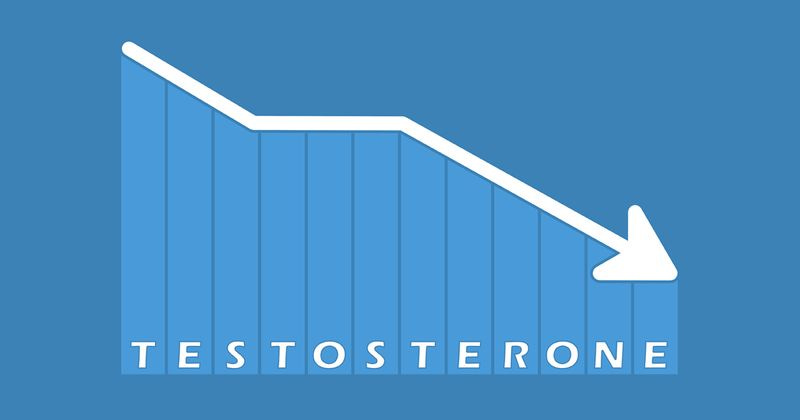
Testosterone levels in adolescent and young men have been declining steadily over the past two decades, with studies showing drops even when accounting for age and body mass.
Sperm counts worldwide have also fallen dramatically, to the tune of over 50% since the 1970s in many regions, with the pace accelerating in recent years.
Sexual activity among young people is at historic lows. Nationally, around a quarter to a third of Gen Z men and women in their late teens and early 20s say they’ve had no sexual activity in the past year. Sexual activity is clearly higher in millennials or previous generations when at the same age.
These are not isolated trends; they seem interconnected. Lower testosterone and reduced sperm quality often go hand-in-hand with reduced libido and sexual engagement. But why is this happening?
The causes remain elusive, with researchers pointing to a range of possibilities. Rising obesity plays a role, as excess body fat can disrupt hormone production. Sedentary lifestyles, poor diets heavy in processed foods, and chronic stress all correlate with lower testosterone.
Environmental factors loom large too, such as endocrine-disrupting chemicals in plastics, pesticides, and everyday products which may be interfering with hormonal development. I recommend following Dr. Bruce Lanphear’s Substack if you are interested in the environmental toxin story. Meet him here where I interviewed him in July 2025. Some studies link exposure to these compounds with both declining testosterone and sperm counts. Even increased body heat from tight clothing has been implicated in sperm health. Yet no single factor explains it all. It’s likely a combination and has probably been amplified across generations.

What’s harder to quantify but perhaps more profound, is what we might be losing developmentally. Those hormone-driven years weren’t just about sex; they were about pushing boundaries, building confidence through trial and error, forming deep connections amid vulnerability. If the biological spark is dimmer, meaning if testosterone isn’t surging as strongly today, what experiences are today’s boys missing? Are they navigating identity, relationships, personal power, and entering adulthood without the same raw, urgent push that should define this exploratory phase?
As a parent, I also have concerns about what stupid things we did as teens ourselves, and what teens today could get up to. I do not read about many incidents such as those my [dodgy] peer group was able to manifest. I was never sure what my parents knew about my testosterone-addled idiocy as a boy growing up in a small town in northern Canada. I found out years later that they were aware of some of the vehicular accidents, scuffles, and illegal activities I was involved in with friends. At worst, I got hurt, and at times I hurt others. We remained friends but we learned through hard lessons. I also got in trouble a few times, and learned early what taking responsibility meant, with neighbours, the community, and the local police department.
As adults, it’s worth pausing to reflect. Our own teenage and early adult lives were far from perfect, but they were alive with hormonal intensity. Watching this quiet shift unfold, I ask: What kind of world are current younger generations experiencing, and how might these changes reshape the very essence of growing up if testosterone, sperm count, sexual activity, and pregnancy (I’ll come back to this in a later post) are all in decline? The answers aren’t clear, but the questions demand our attention.
Still focused on boys and young men, these intertwined trends mentioned above raise profound questions about individual lives and the broader fabric of society. Testosterone isn’t just about physical strength or libido, it’s linked to motivation, risk-taking, confidence, and even mood regulation. If levels are lower across a generation, how might that reshape the path boys take into manhood? And on a larger scale, could these biological shifts ripple into demographic, economic, or cultural changes we can’t yet fully predict? Surely there are mental health implications.
For individual boys, lower testosterone could mean a quieter drive during those pivotal teenage and young adult years. Historically associated with assertiveness, exploration, and competitive energy, diminished hormonal surges might lead to less risk-taking and perhaps fewer bold pursuits in careers, sports, or relationships. Could this translate to reduced motivation, higher rates of fatigue, or increased vulnerability to anxiety and low mood? Some research hints at connections between low (and high) testosterone and depressive symptoms, but the causality is murky. Might boys and young men today grapple more with inertia or self-doubt, missing the internal push that propelled previous generations through challenges?
Then there’s the question of identity and masculinity. If the biological underpinnings of traditional male traits like muscle development, protective behaviors, or even reactive aggression, are waning, how do young men construct a sense of self in a world already debating what “being a man” means? Could this contribute to greater confusion about societal expectations as the meaningful roles of maleness grow fainter? Or might it foster a softer, more introspective masculinity, one less prone to conflict but potentially more isolated? We haven’t’ even touched on the role of one’s testosterone levels for health in general. The short answer is that males need adequate levels of testosterone for healthy physiology and psychology.
Zooming out to society, the plummeting sperm counts add another layer of uncertainty. With global declines accelerating in recent decades, and fertility rates already dipping below replacement levels in many countries, what happens if fewer young men are biologically equipped for parenthood? Projections suggest widening population declines in the coming decades and this could this strain economies reliant on a growing workforce, reshape family structures, or even alter global power dynamics as some regions depopulate faster than others?
And if delayed or diminished sexual experiences become the norm for boys, might we see shifts in how relationships form, with potential knock-on effects for marriage rates, birth rates, or even overall social cohesion? That is another post altogether to unpack! There are books already written on the topic to reference as its well out of my lane! Check out Bricker’s Empty Planet for example.
These possibilities range from subtle changes to shock waves. Could we see a generation of men who are calmer, less aggressive, perhaps more collaborative, or stark outcomes like widespread infertility challenges or a quiet demographic crisis. Nothing is certain, and I have no predictions. I want to know what I can do to influence thinking and change in the realm of raising kids. I can speak to lifestyle factors, environmental exposures, and cultural pressures which all interplay in ways we’re only beginning to understand.
The question about the future of our boys lingers: Are we witnessing an evolution toward a different kind of manhood, or losing something essential in the process? What kind of society emerges when the hormonal fire burns lower? The trends demand reflection, and the future remains open-ended.
No posts
Comments
Nothing yet. Say the first thing.
Sign in to join the conversation.