
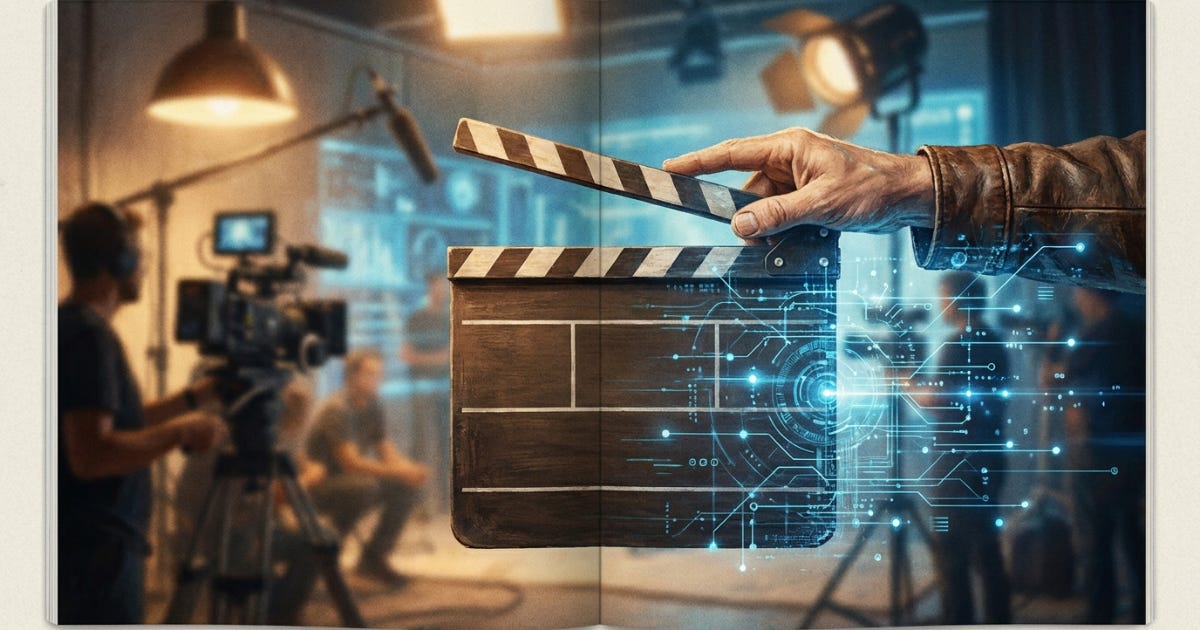
I used an AI tool to previs a chase sequence last year, and it saved me two days of storyboarding. The same week, a producer I know fed an AI model her entire feature script and asked it to “fix the third act.” It came back with a structure that technically worked and emotionally meant nothing. Same technology, two completely different outcomes. That gap is the whole story right now, and almost nobody is talking about it honestly.
Filmmaking conversations about AI tend to split into two camps. One side says it will replace half the crew within five years. The other says it’s a toy, irrelevant to real craft. Both positions are comfortable because neither requires nuance. The truth, after using these tools across pre-production, financing decks, and marketing for actual projects, sits in a much narrower and more useful place.
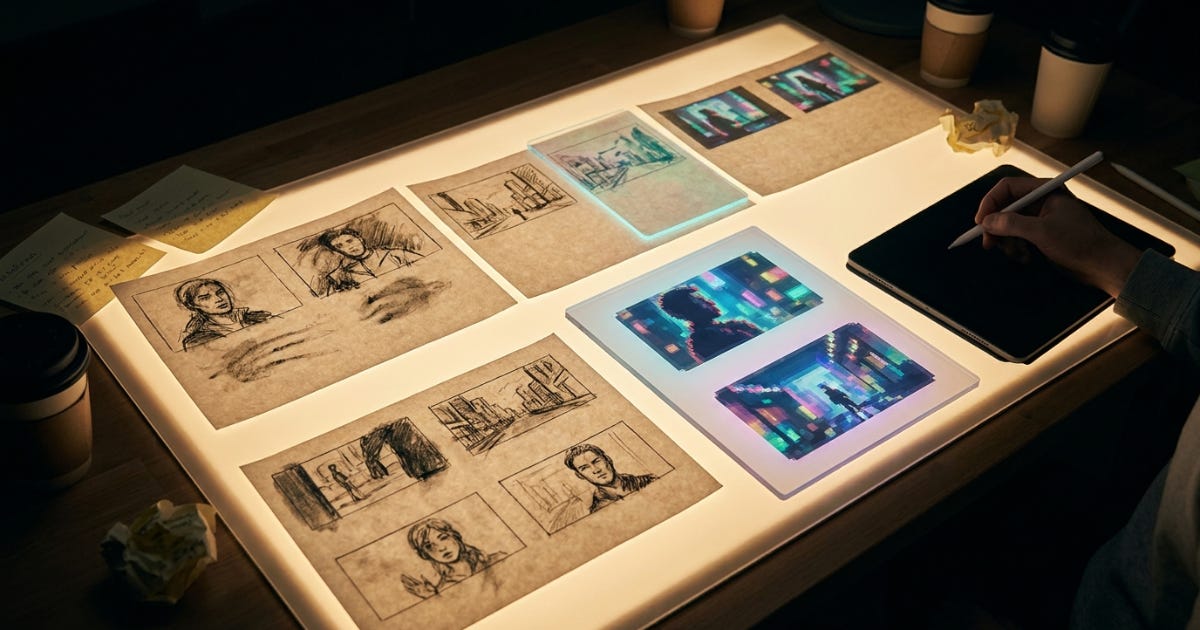
Part of the problem is that “AI for filmmakers” covers wildly different tools doing wildly different jobs. A model that generates a mood board is not the same category of tool as one that claims to write your script. Lumping them together is how you end up with people either terrified or dismissive for the wrong reasons.
The other part is incentive. Tool companies need filmmakers to believe AI does more than it does, because that sells subscriptions. Some filmmakers need to believe it does less than it does, because the alternative feels like a threat to identity. Neither group is lying exactly. They’re just answering a different question than the one you’re asking, which is simpler: does this help me make my film, and where does it not.
Strip away the hype and there’s a real, useful set of capabilities.
Previs and shot planning. Generating quick visual references for a sequence, testing camera angles or blocking ideas before you’re on a location with a crew on the clock. This is the single biggest time saver I’ve found. It doesn’t replace a storyboard artist on a bigger show, but on lower budget work, it closes a real gap.
Script coverage and structural feedback. Not rewriting your script. Flagging pacing issues, tracking character consistency across drafts, catching continuity errors a tired writer misses at 2am. Useful as a second pair of eyes, dangerous as a decision maker.
Budget and schedule drafts. A rough first pass on a budget template or a shooting schedule based on script breakdown. It will be wrong in places. It will still save you hours versus building from a blank spreadsheet.
Marketing and outreach assets. Festival submission copy, social content, sizzle reel narration drafts, press kit language. This is where AI earns its keep with the least controversy, because the creative stakes are lower and the volume of work is high.
Dialogue polishing at the margins. Tightening a line, offering alternate phrasings, checking whether a character’s voice has drifted. Editing assistance, not authorship.
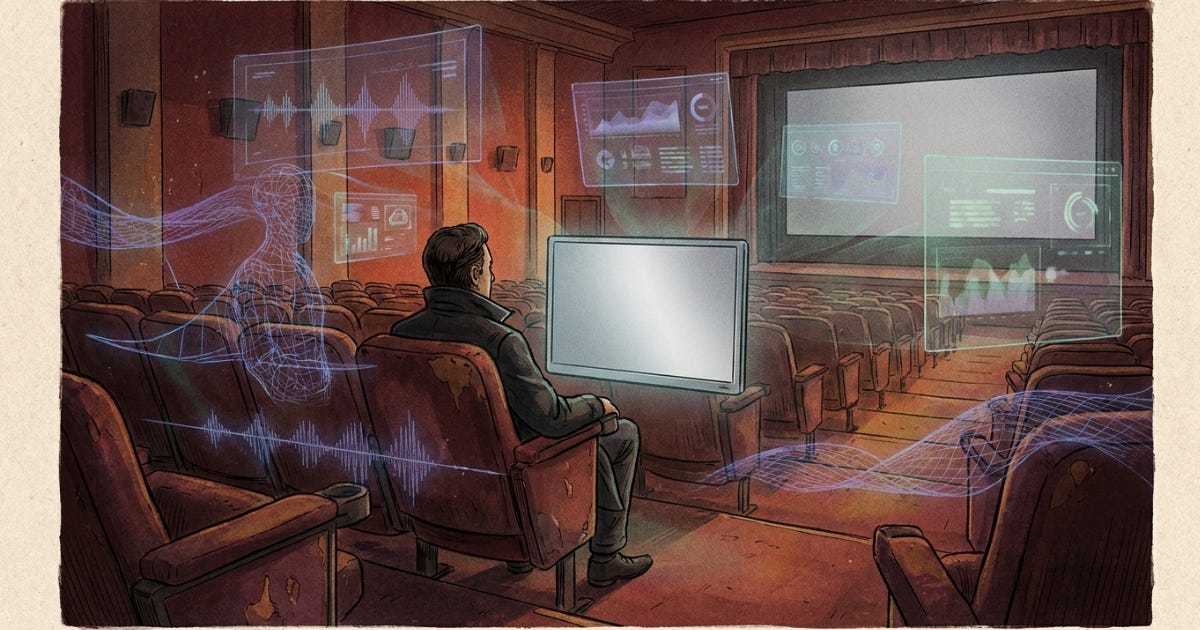
Here’s where the dismissive camp is actually right, even if their reasoning is often wrong.
Taste. AI has no stake in your film. It cannot tell you that a scene is emotionally dead even though every beat is technically present. That judgment comes from sitting in rooms with actors, watching audiences react, and accumulating the kind of pattern recognition no model has access to.
On-set judgment. The decision to push for one more take because something in the actor’s eyes wasn’t quite there yet. The read on whether a crew is exhausted past the point of useful work. None of this exists in a dataset.
Directing actors. Performance is built on trust, vulnerability, and a director’s specific relationship to a specific human being on a specific day. There is no version of this that a tool can simulate, because the entire value is in the relationship, not the output.
Financing relationships. Investors fund people, not pitch decks. AI can help you build a cleaner deck. It cannot build the trust that gets a check written, and it cannot read a room of financiers the way twenty years of doing this teaches you to.
The emotional read of a scene. Whether a moment lands. Whether an edit is a beat too long. This is craft accumulated through failure, not something you can prompt your way into.
Here’s the part that gets lost in the hype-versus-dismissal fight: AI is changing the speed of pre-production without changing who is making the film.
A producer who used to spend three weeks building a pitch deck can now build a rough version in three days and spend the remaining time refining the story and the relationships that actually close financing. A director who used to need a full storyboard artist on a tight indie budget can now previs key sequences themselves and spend the saved budget on an extra shoot day.
That’s the real shift. Not replacement. Compression of the parts of the job that were always more administrative than creative, freeing up time for the parts that were never going to be automatable anyway.
Before reaching for an AI tool on a project, I ask one question: am I trying to generate a draft, or am I trying to make a decision?
Drafts are AI’s territory. A first pass at a schedule, a rough mood board, a coverage report, a social caption. Decisions are not. Whether a scene works. Whether to cast someone. Whether to take a financing deal with strings attached. If the task is a draft, use the tool and save the time. If it’s a decision, the tool can inform you, but it cannot make the call.
The filmmakers who win the next five years won’t be the ones who resist these tools out of principle, and they won’t be the ones who outsource their judgment to them either. They’ll be the ones who know exactly which parts of the job are draft work and hand those off, so they can spend more of their limited time and budget on the parts of the craft that have never changed: story, performance, and the relationships that get films made and seen.
If you want a closer look at how this works in practice, particularly for producers and directors building real packages and pitching real financiers, that’s exactly what I’m building with FilmLaunch AI.
About Adolf El Assal
Adolf El Assal is an award-winning filmmaker, writer, producer, and international consultant. His films have screened at leading festivals and reached audiences worldwide through Netflix, Amazon Prime, and international theatrical releases.
Explore his work, book consulting sessions, or get in touch at www.adolfelassal.com.
No posts
Comments
Nothing yet. Say the first thing.
Sign in to join the conversation.