
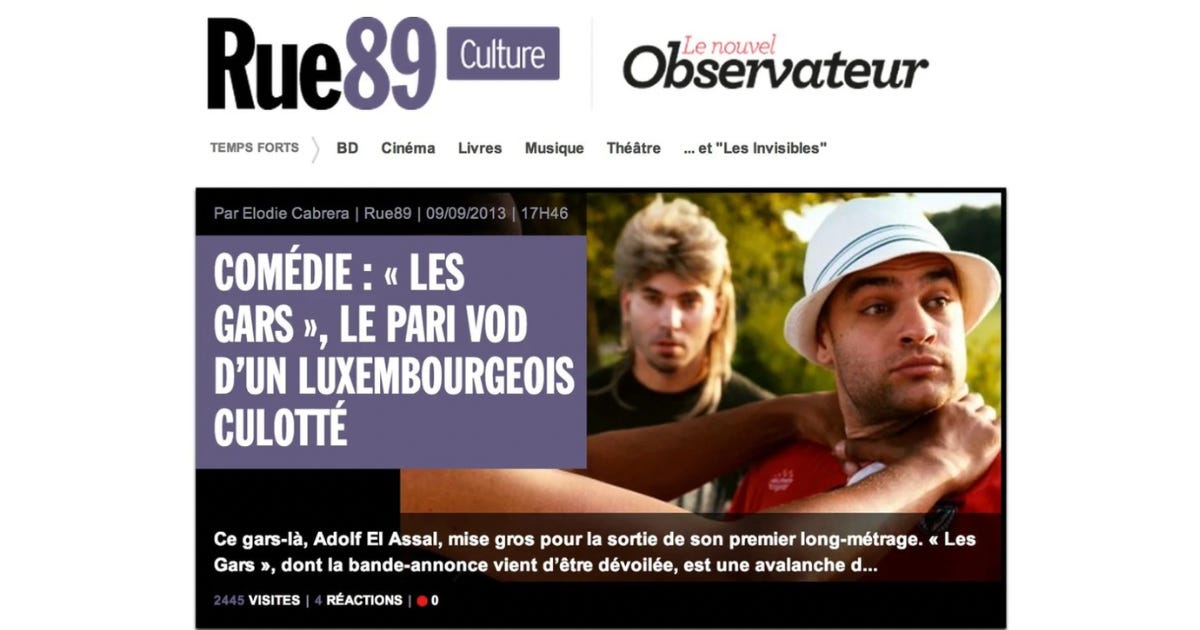
Sixty French distributors looked at Les Fameux Gars and passed. A Luxembourg comedy, shot entirely in French, with a cast of rappers who had never set foot in front of a film camera, and dialogue that didn’t always follow the rules of proper French. Every single one of them saw the same thing: a film that didn’t fit the system. So I stopped trying to fit it.
The Order Nobody Questions
French cinema runs on a release calendar that almost nobody outside the industry realizes exists. A film opens in theaters first. Then, after a fixed window, often many months later, it becomes available on DVD. Then television. Then VOD, in whatever order the distributor and the broadcasters have negotiated among themselves. The windows exist to protect each format from cannibalizing the others, and the order is treated as close to sacred. Distributors don’t really question it. Why would they? It’s the system that’s always existed, and the system doesn’t usually let outsiders test it.
This Substack is reader-supported. To receive new posts and support my work, consider becoming a free or paid subscriber.
I wasn’t inside that system. I had no French distributor, no broadcaster relationship, and no reason to respect a calendar built for a business I’d just been rejected from sixty times over. So I released the film in theaters, on DVD, and on VOD, all on the same day. On purpose. I picked the date for the joke buried in it: 11/12/13.
Giving It Away Before Selling It
A week before that release, we held the premiere in Paris, at Cinéma des Cinéastes, organized together with Dailymotion. Then, the day before the wide release hit cinemas, DVD shelves, and VOD platforms simultaneously, I put the entire film online for free on Dailymotion for twenty-four hours.
That sequencing sounds backwards if you think about it the way the French industry does. You don’t give away the thing you’re about to sell. But I wasn’t trying to protect a single format’s exclusivity, because I didn’t have one to protect. What I had was a film nobody in the traditional system would touch, and a twenty-four hour window to put it in front of as many people as possible before asking anyone to pay for it. The free day built exactly the kind of buzz that sixty rejections had told me wasn’t supposed to exist for a film like this.
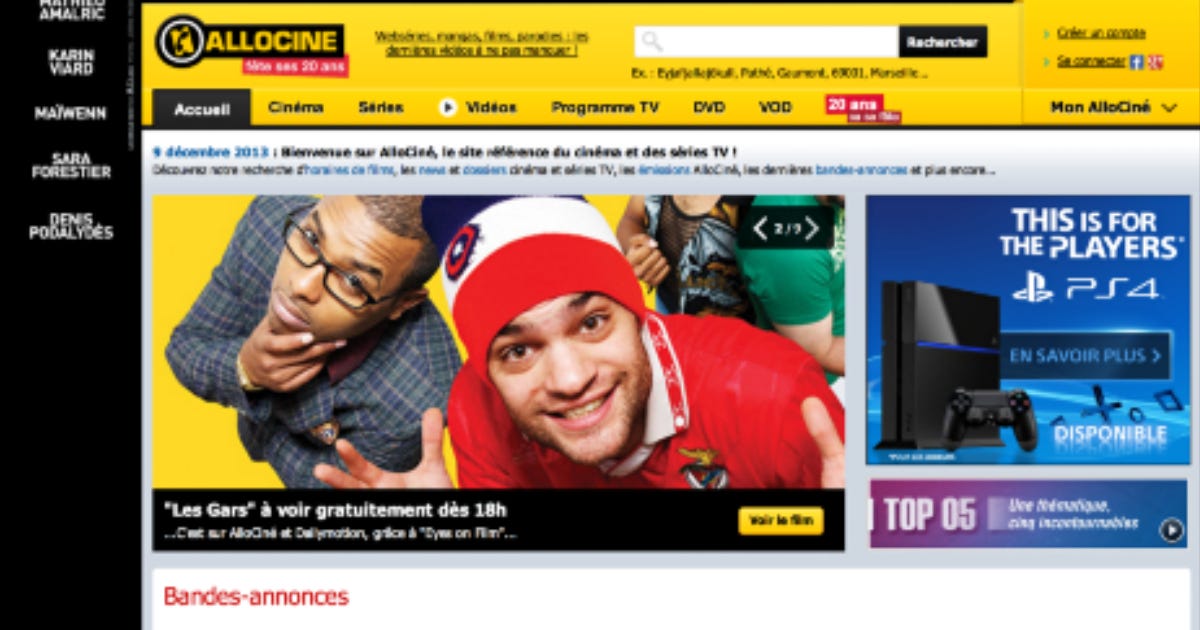
Alongside that, I built media partnerships the same way I had in Luxembourg: by going directly to platforms with real audiences instead of waiting for permission from gatekeepers who’d already said no. Allociné, JeuxActu, and Booska-P all gave the film free coverage and visibility across their sites in the run-up to release. None of that came through a distributor’s marketing budget, because there wasn’t one. It came from reaching out and having a story strange enough that platforms wanted to cover it on their own terms.
Why Platforms Said Yes When Distributors Said No
There’s a distinction worth naming here, because it’s the part most independent filmmakers miss. Distributors evaluate a film against a release calendar and a profit model that already exists. They ask whether a project fits the slots they already know how to fill. Platforms like Allociné, JeuxActu, and Booska-P weren’t evaluating the film that way at all. They were looking for a story their own audience would find interesting, and a Luxembourg comedy with a cast of first-time rapper-actors, releasing itself in open defiance of the entire French distribution system, was exactly that kind of story.
That’s the gap I learned to work inside. The sixty distributors were asking, does this fit our system. The platforms were asking, will our readers care about this. Those are completely different questions, and a film that fails the first one can still win decisively on the second.
The Story Became the Marketing
That’s the part that’s easy to miss if you only look at the release mechanics. French media picked up the story, not primarily because of the film itself, but because of what I was doing with it. A Luxembourger, releasing a French-language comedy across three formats simultaneously, in defiance of a release calendar the entire industry treated as fixed. That was the headline, again and again. How crazy is this guy, trying to break French distribution from outside the country.
I never set out to manufacture controversy. I set out to get a film seen that sixty people with the power to distribute it had already decided wasn’t worth their time. The fact that doing it my way looked reckless to people inside the system wasn’t a marketing strategy. It was what happens when you solve a problem without asking the people who created it for permission first.
Paying Rent, Not Gambling
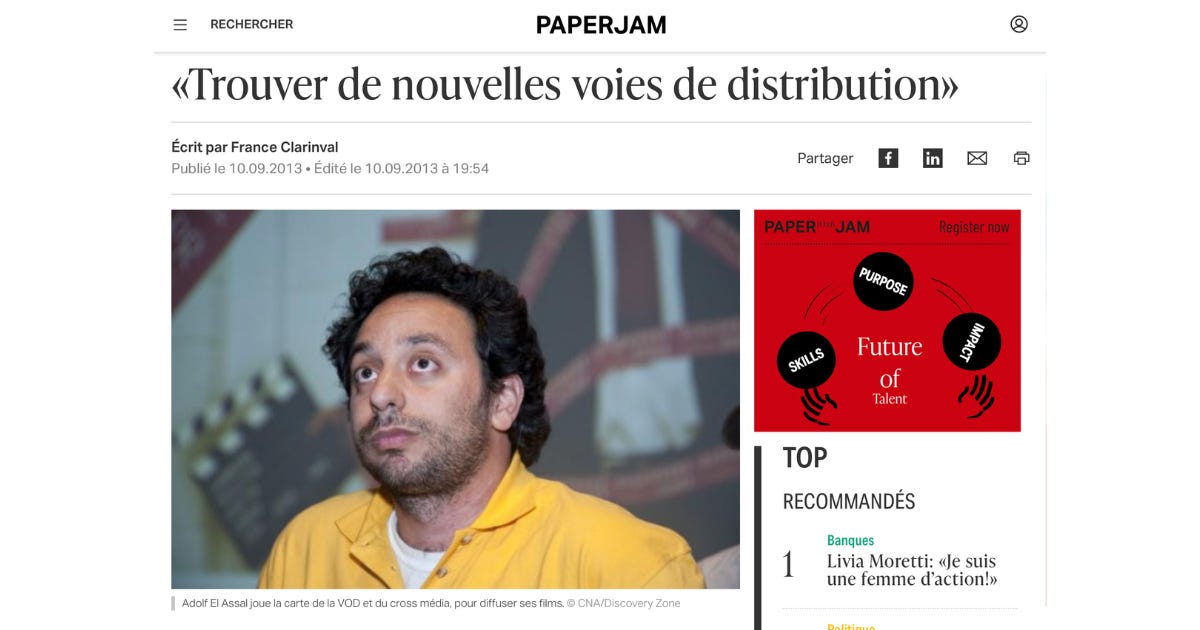
The press called it a gamble. I called it paying rent. A film with no distributor and no broadcaster has exactly one thing going for it: nobody else’s interests to protect. I didn’t need to respect the windowing system because I had no stake in the system surviving. I needed the film to generate revenue and reach the audience it was made for, on whatever timeline accomplished that.
It worked, not because the strategy was clever in some abstract sense, but because every piece of it solved a specific, concrete problem I was facing. No distributor meant no one negotiating windows on my behalf, so I removed the windows entirely. No marketing budget meant no traditional press campaign, so I built one out of platform partnerships and a free preview that gave people a reason to talk before they were asked to pay.

What Happens When the System Notices
What I didn’t expect was that the system would eventually take notice in a way that went well beyond press coverage of one strange comedy from Luxembourg. A few months later, I found myself in a room with people from the French Ministry of Culture, alongside Netflix, Amazon, Apple, and Google, talking about how local films should reach audiences in a market that was visibly changing shape. I still don’t fully know why I was in that room. What I know is that someone, somewhere, had connected a small, rule-breaking release in late 2013 to a much bigger conversation about whether the rigid windowing system that had rejected my film sixty times over was still serving anyone.
That conversation, and what happened immediately after it with Google and a YouTube channel that got blocked and then very publicly unblocked, is its own story. I’ll tell it next.
The Real Takeaway
I didn’t have an audience built in advance. I didn’t have a content strategy or a release calendar of my own choosing. I had a film, a deadline, and sixty rejections that told me exactly what not to do, because what not to do was whatever the sixty distributors who passed on it would have done anyway.
If you’re sitting on a project that doesn’t fit the system you’re trying to sell it into, the system isn’t always wrong to reject it. Sometimes it’s wrong about what the rejection means. Sixty no’s didn’t mean the film had no audience. It meant the audience wasn’t going to find it through the path everyone else was using.
About Adolf El Assal
Adolf El Assal is an award-winning filmmaker, writer, producer, and international consultant. His films have screened at leading festivals and reached audiences worldwide through Netflix, Amazon Prime, and international theatrical releases.
Explore his work, book consulting sessions, or get in touch at www.adolfelassal.com.
This Substack is reader-supported. To receive new posts and support my work, consider becoming a free or paid subscriber.
Comments
Nothing yet. Say the first thing.
Sign in to join the conversation.