
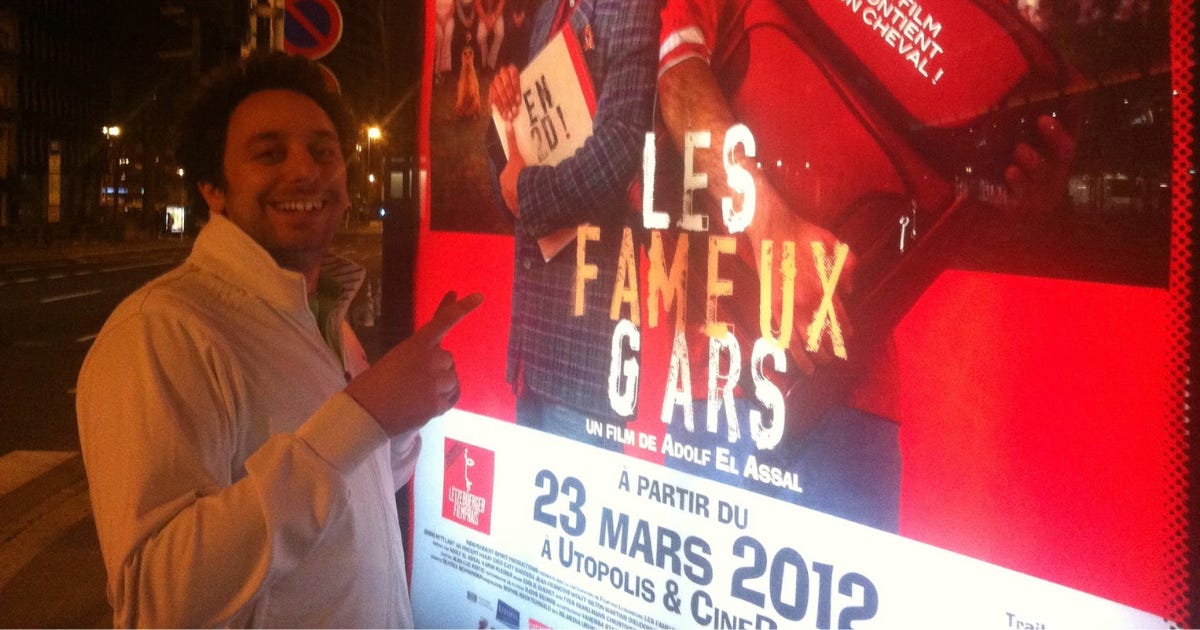
March 2012. The local film festival rejected us. Said it wasn’t a fit, which was strange, because they usually had a slot for local films, and we were about as local as it gets. So I picked the same opening night as their festival and released the film anyway. People were furious. I didn’t care. I had billboards going up across the entire country that week, and the festival didn’t.
That’s the part of this story people remember. The billboards. What they don’t see is everything that had to happen before that, with no money, no industry contacts, and a film that had already gone severely over budget before we even got to the question of how anyone would see it.
This Substack is reader-supported. To receive new posts and support my work, consider becoming a free or paid subscriber.
The Problem Nobody Tells You About
You can finish a film and still have no path to an audience. That’s the part film school doesn’t prepare you for. After firing most of my crew partway through production and clawing the film back together myself, I had two priorities: get it seen, and get the company’s finances stable again. Luxembourg is a small market. No major distributor was going to take an interest in an independent film with no public funding behind it, and I had already learned the hard way that nobody was coming to save me.
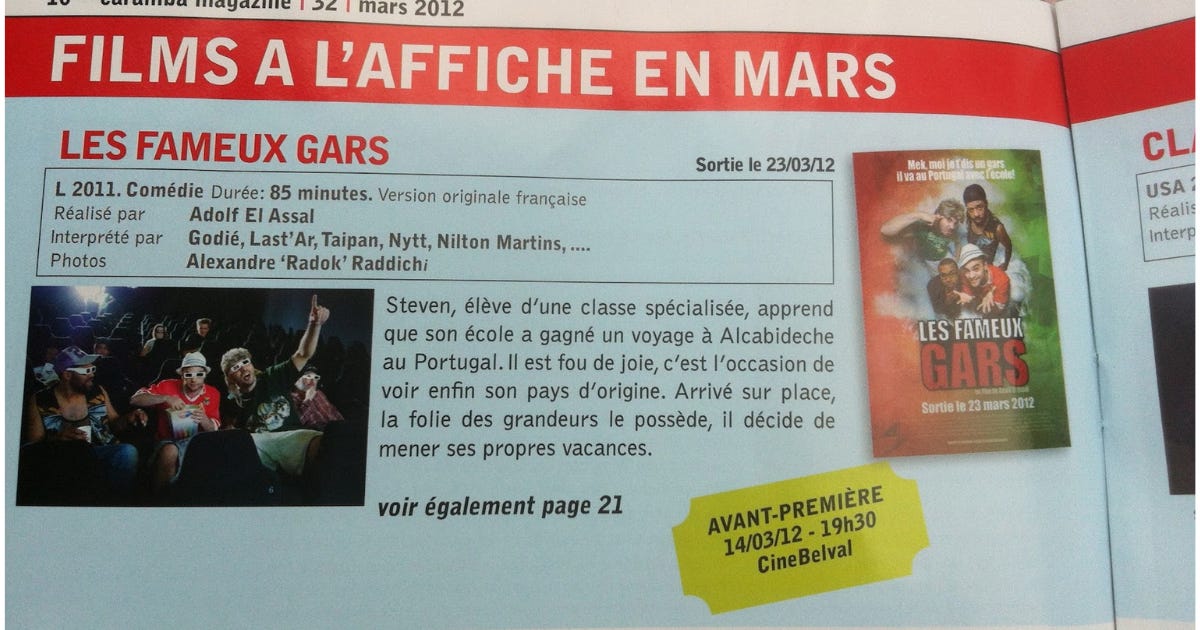
So I went looking for partners the obvious way first. I called advertising agencies for quotes on promotion. Too expensive. I went to newspapers and magazines asking for coverage. Most said no outright: independent, no funding, not their kind of story. I’d spent years being told no by people with more resources than me. This wasn’t new. What was new was that I didn’t have years left to wait this one out.
The Trailer That Changed Everything
I cut the trailer with my editor and put it online. This was 2011, 2012, before social media had any of the infrastructure it has now. No algorithms boosting local content, no influencer networks, none of it. And the trailer started spreading anyway, organically, in a way that hadn’t happened before for a Luxembourgish film.
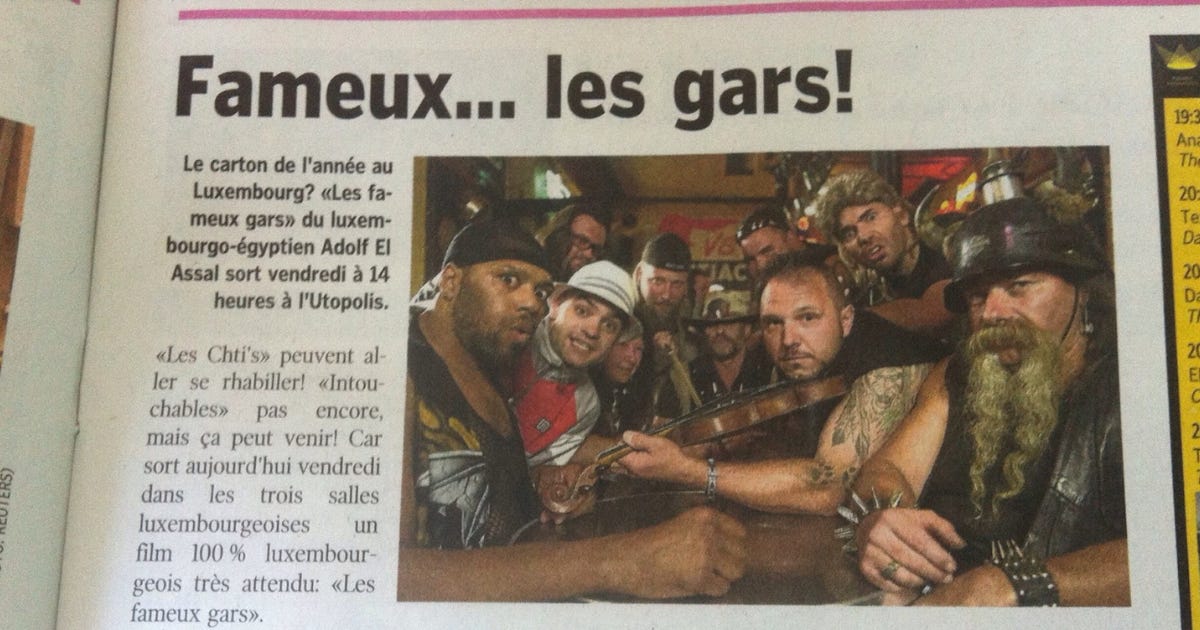
Suddenly I had numbers. Real ones, on YouTube, that I could put in front of the same media partners who’d said no a few weeks earlier. One of the biggest newspapers in the country came on board. Years earlier, I’d spent months physically delivering that same newspaper at the train station, five in the morning, before work. Now I was on the cover of it.
That’s the part of this industry people underestimate: leverage isn’t about having money. It’s about having proof. The moment I had a number I could point to, doors that had been closed started opening. Not because the film had changed. Because I finally had something to show instead of something to ask for.
The Billboards Nobody Expected Me to Get
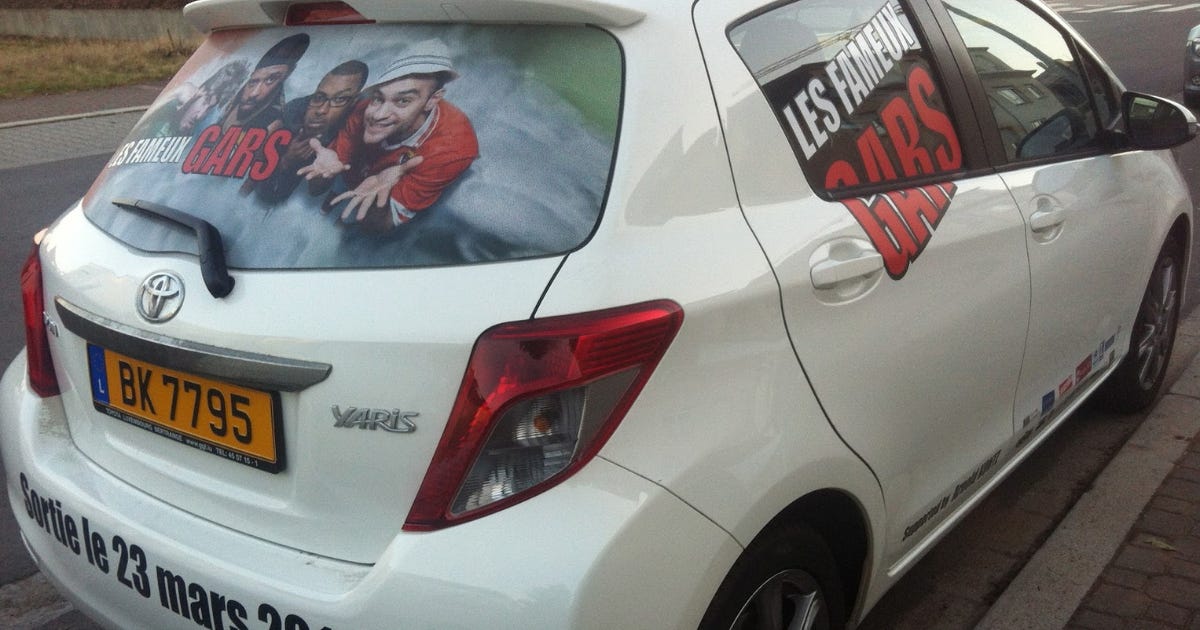
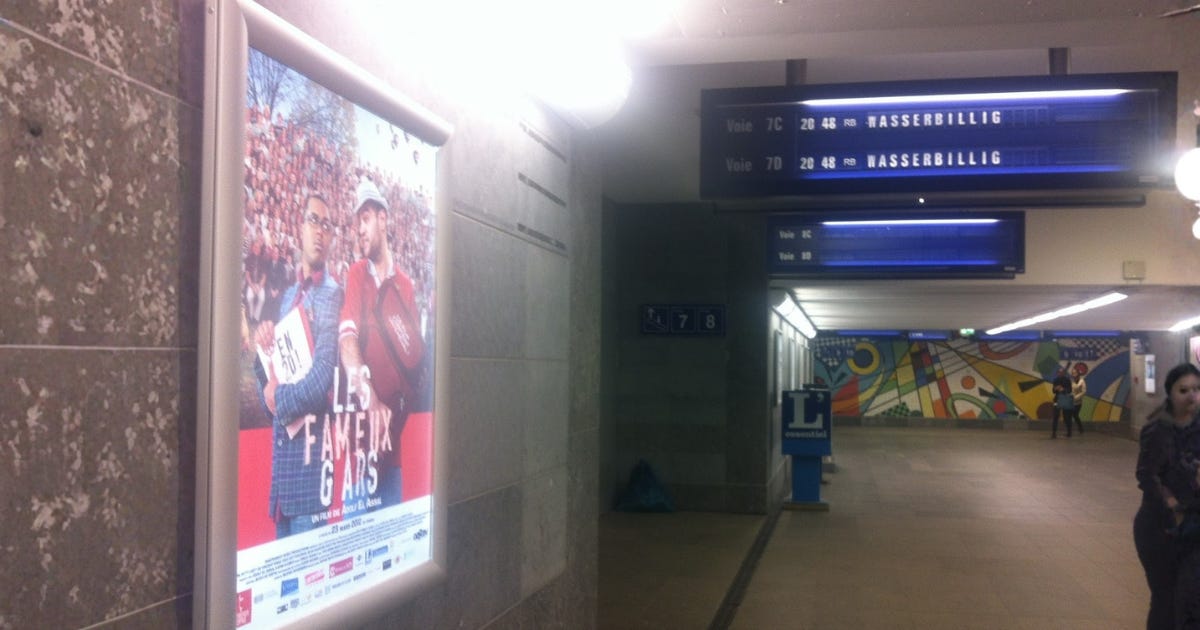
With that traction, I reached out to JCDecaux, the largest outdoor advertising network in the world, and asked for a quote. I knew I couldn’t afford it. I sent the trailer anyway, along with the numbers. They came back and offered me a full week of free billboard space across the country, all the high-traffic locations: bus stops, city entrances, the works. They told me they support one local artist a year that way. That year, it was me.
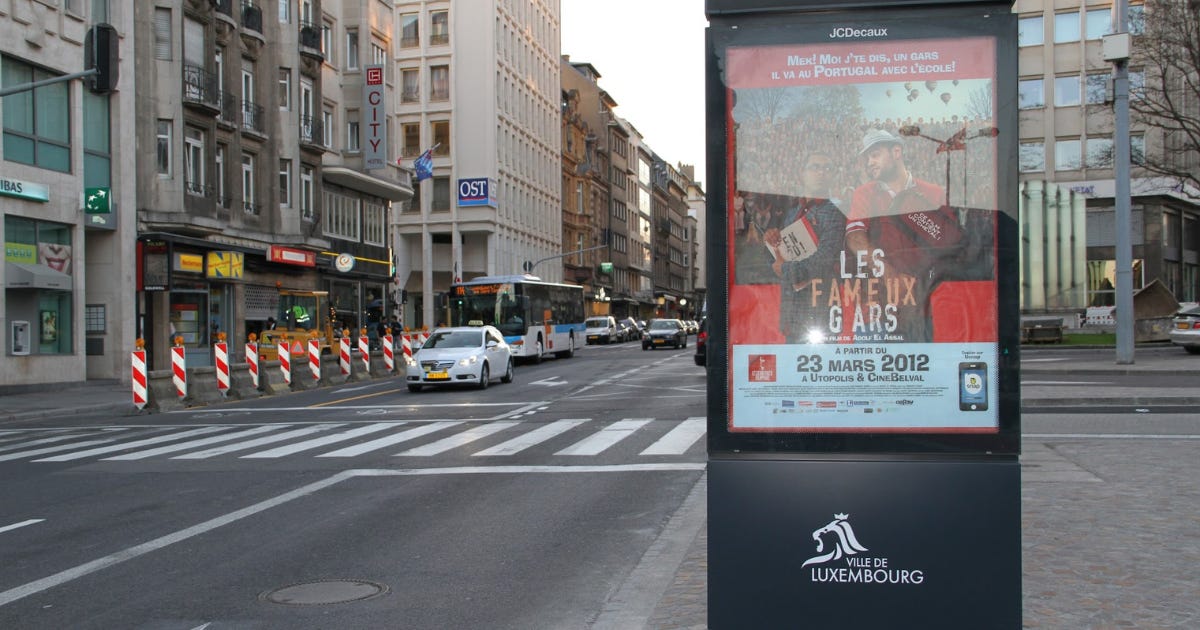
Two hundred billboards, one week, right before release. I didn’t plan that as a strategy from day one. I built toward it by stacking small proofs of momentum until someone with real resources decided the risk was worth taking on my behalf.
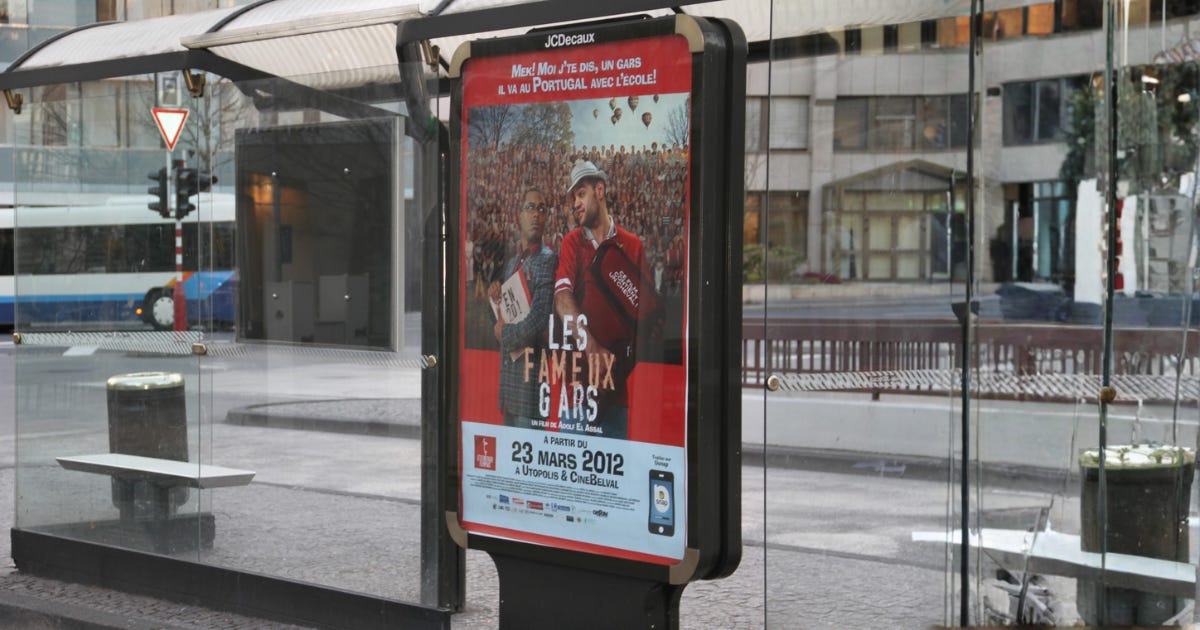
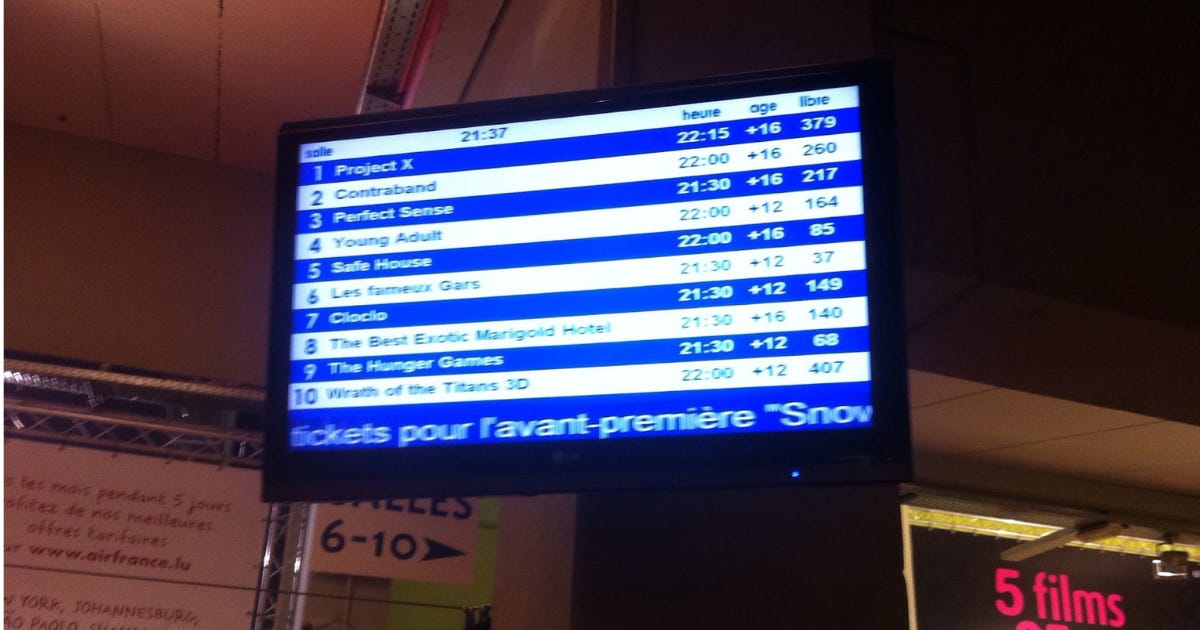
Then the local festival passed on the film. I released it on their opening night instead, with billboards up across the entire country and a media partnership already in motion. The premiere ended up running simultaneously in multiple cities, which hadn’t been done before for a film like this. People were angry about the timing. I understood why. I also wasn’t going to lose the only paid media exposure I’d ever get for this film just to avoid an uncomfortable week.
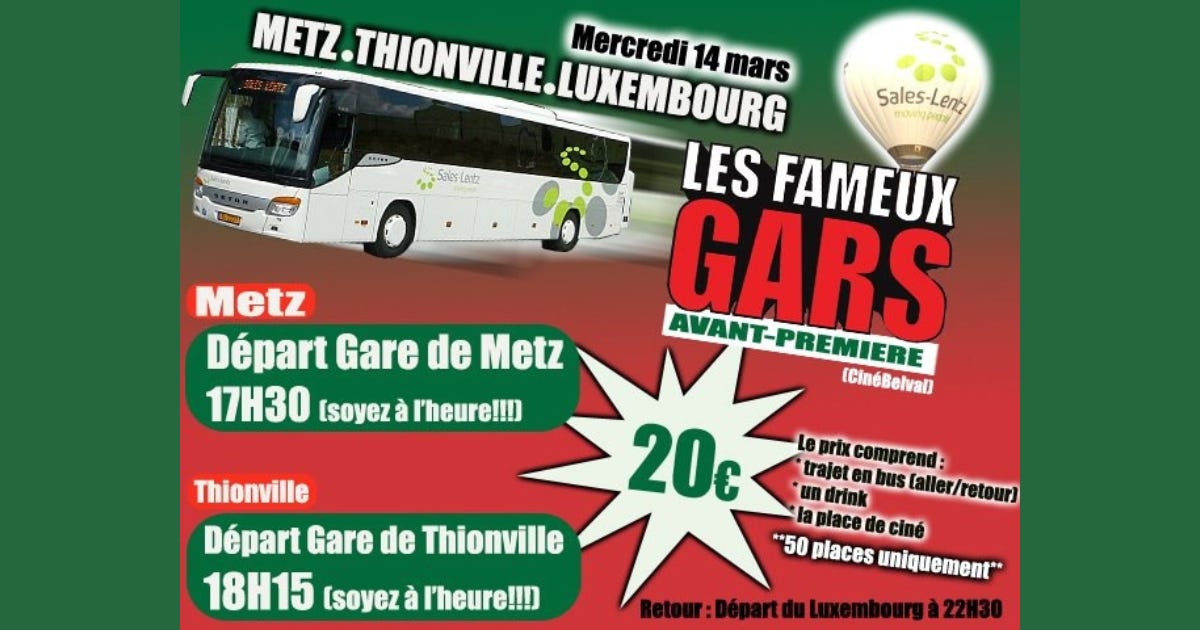
I even organised bus trips from Belgium and France to come to watch and the film in Luxembourg. All of it sponsored by a major local bus company.
What the Reviews Got Wrong, and What the Numbers Got Right
The first reviews were rough. Most critics weren’t kind. One journalist wrote something more thoughtful: that Luxembourg needed more rebellious voices, more people willing to make noise and get heard. That mattered to me, because the film was never built for critics. It was built for young people with immigrant backgrounds like mine, who don’t often see their own stories on a local screen.
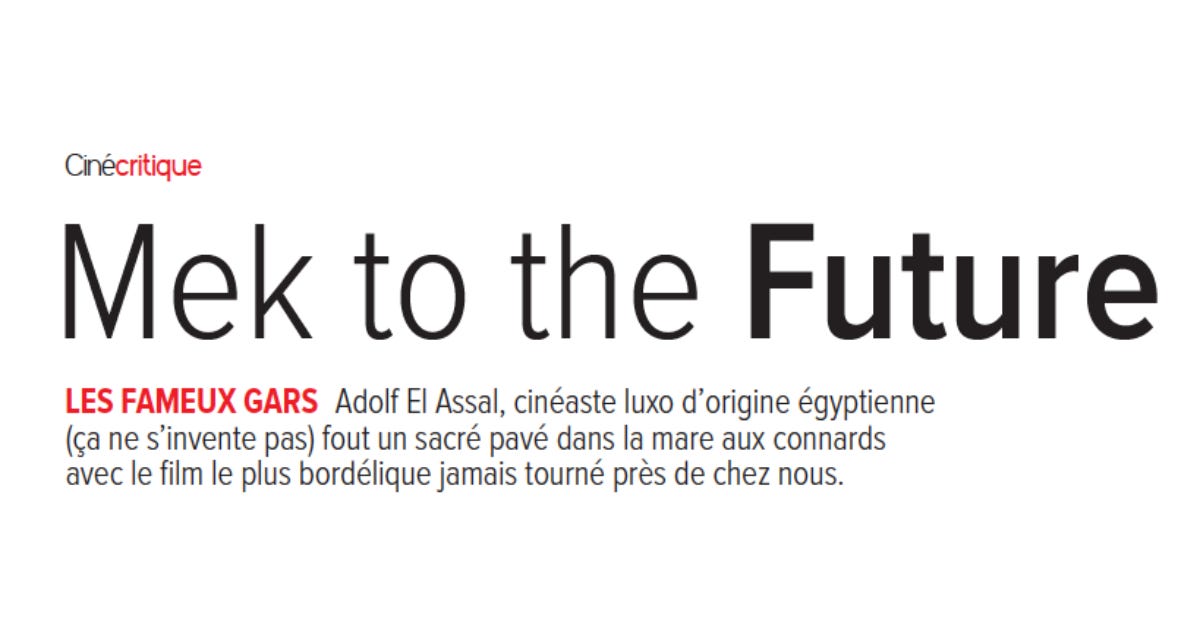
The film stayed in cinemas for three weeks. Going up against actual blockbusters with zero comparable marketing spend, three weeks with strong numbers is not a small result. It didn’t run longer than that, and I have my suspicions about why some exhibitors weren’t eager to extend a small independent film’s run when it was holding its own against bigger releases. But the three weeks we got mattered. The financial pressure that had nearly buried the company eased, because the film was finally generating revenue, not just absorbing it.
Then I Went Old School: DVDs
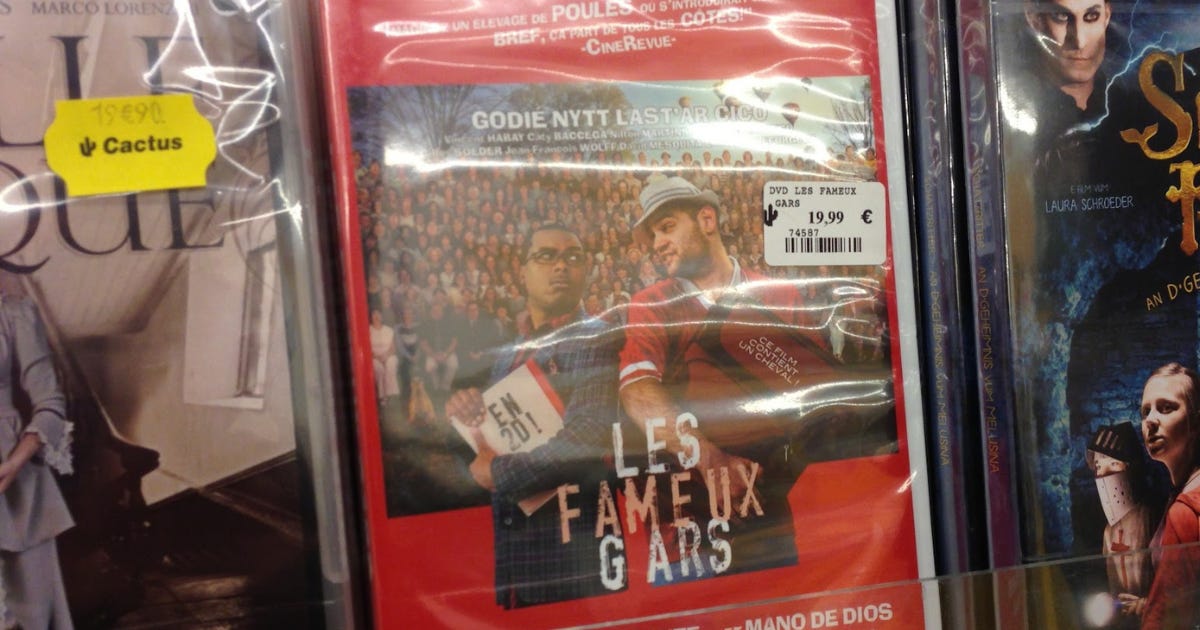
After theatrical, I moved into physical retail. Self-distributed DVDs, sold into every supermarket chain in the country. They sold out fast. Stores kept reordering faster than I could get new copies made. By the end, we’d sold around ten thousand units in a country of under seven hundred thousand people. For context, that’s the kind of per-capita number that doesn’t happen by accident, even in a market that small.
Where FilmLaunch AI Would Have Changed Everything
I built all of this on instinct, persistence, and a willingness to get told no repeatedly until someone said yes. It worked. It also took months of cold outreach, guesswork about which media partners might respond, and a fair amount of luck that the trailer caught on before I ran out of runway.
This is exactly the gap FilmLaunch AI is built to close. Instead of cold-calling advertising agencies for quotes you can’t afford, you can identify which partners and platforms move audiences for a film like yours, in your specific market, before you spend a single euro. Instead of waiting to see if a trailer catches on, you can analyze comparable release patterns and audience response signals to know where your real opportunity sits before you commit your one shot at momentum.
I didn’t have that kind of visibility. I had a trailer, a phone, and a refusal to quit. It worked, but it worked despite the lack of data, not because I had a clear read on what was happening. If I’d had a tool that could tell me which two hundred billboard locations would move tickets, or which festival alternative had better odds of taking the film, I wouldn’t have needed to gamble on a fight with my own local festival to get seen.
The instinct that got Les Fameux Gars into cinemas and onto two hundred billboards is the same instinct every independent filmmaker needs. What’s changed is that you no longer have to run entirely on instinct alone.
The Real Lesson
Nobody distributes your film for you when you’re starting out. You build the proof yourself, piece by piece, until someone with more resources than you decides to bet on what you’ve already shown them. That part hasn’t changed, and it won’t.
What has changed is how fast you can get there, and how much less you need to leave to chance.
About Adolf El Assal
Adolf El Assal is an award-winning filmmaker, writer, producer, and international consultant. His films have screened at leading festivals and reached audiences worldwide through Netflix, Amazon Prime, and international theatrical releases.
Explore his work, book consulting sessions, or get in touch at www.adolfelassal.com.
This Substack is reader-supported. To receive new posts and support my work, consider becoming a free or paid subscriber.
Comments
Nothing yet. Say the first thing.
Sign in to join the conversation.