
Hasanul is an ADIN scout, MIT master’s student, and deeply technical builder who brings a lot of energy to the intersection of AI, venture, and community. He stands out for pairing big-picture ambition with real on-the-ground organizing, from hosting hackathons across New York City to exploring ideas in autonomous drones and agentic event platforms. What comes through most clearly in this interview is his belief that technology should do more than create efficiency — it should expand access, strengthen communities, and help more people participate in the future being built.
What are you working on currently?

Thank you for having me. I’m Hasan. I have a background in engineering, computer science, and math. Right now, I’m pursuing a master’s at MIT. At the same time, I’m a VC scout for LvlUp Ventures and ADIN. I recently joined ADIN. At the same time, I’m also hosting a lot of hackathons in New York City. A physical AI hackathon is something that I’m hosting soon, in June, but recently I also hosted the immigrant hackathon. Aside from that, I’m also searching for a full-time role at JP Morgan Chase and IBM.
Any advice you would give to someone just starting out in your field?
So I actually started as a software engineer and AI researcher. Then, I thought that the field was extremely volatile. And then I started to move into product management and other roles that I’m interested in.
At the same time, I was also building a lot of projects. So I think the advice I would give to someone who’s just starting out is that networking is the most important part of self-development. We all want to have good jobs, good stable income and all.
Not everyone gets that job right off the college or the process is not smooth for everyone. People have to go through a lot of processes and learning and networking so I would say networking is number one and second is technical abilities. These are two things. You have to know people and also you have to know your skills so that when people are going to root for you, you can also show them that what you can do in software or in product, in risk management, in controls. There are a lot of different fields in tech or tech adjacent.
What was your first job?

I was working at KFC as a cashier. But I used to do everything. I enjoyed it when I was in high school.
I did that. It was fun. I used to eat chicken and I used to do cashiering. That was my first ever job, but I’m grateful for that opportunity because it keeps me humble.
Are there any industries that you feel excited about?
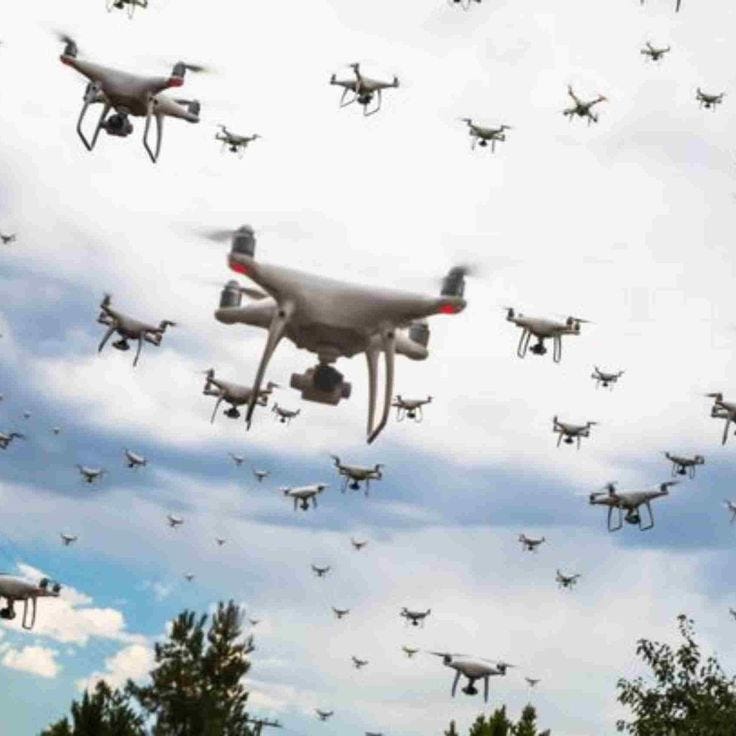
I’m building two different startups currently. One is in drone space — autonomous drones for drone deliveries. I’m excited about how drones and physical AI will combine to help people to deliver stuff, security, and all these things that will get much easier in the future. So that I’m excited about that.
And the other thing I’m also building is an event management application for everyone to be able to engage in events, and build a community around events. People say: “Are you competing with Luma?” It’s actually not competing with Luma. We are trying to build an agent-ic event management orchestration platform where agents will be able to harness the sponsors, agents will be able to go for marketing, the right people will come join, agents will be able to select the venue, give recommendations, handle the logistics of the event and marketing of the event and all this. There is a lot of monetizing opportunities for a lot of event managers. They have to go through a lot of things to be able to host a good event. Just making the life easy. I’m trying to work on this as well.
What do you think makes a good event?
A good event is actually about people. A good event is about serving the people, making the customers happy. Even customers are the attendees. So they’re being satisfied, they’re happy, they feel like they enjoyed the whole day. That’s what makes a successful event. And to make them happy, we can gamify the event through logistics or adding more prizes. Have the whole event and see how people engage with each other. So if someone came to my event and felt like they met 10 new people and they’re going with these 10 new people in the future, they’re going to be their professional network or they will build startup together. They will do something awesome.
That’s my success as an event organizer.
Have you heard any stories of people building something after one of your events?

I have seen people meeting at one event, getting to know each other, going to another event, and then winning their first ever hackathon.
Because they got that boost from winning, they went on a series of winning hackathons and they felt like they were becoming leaders in the space suddenly. They started to thank me for introducing them into that ecosystem of hackathons and events and they fell in love with that process of like building stuff and enjoying the process.
Who is doing something (anything) great that you’d like to shoutout?
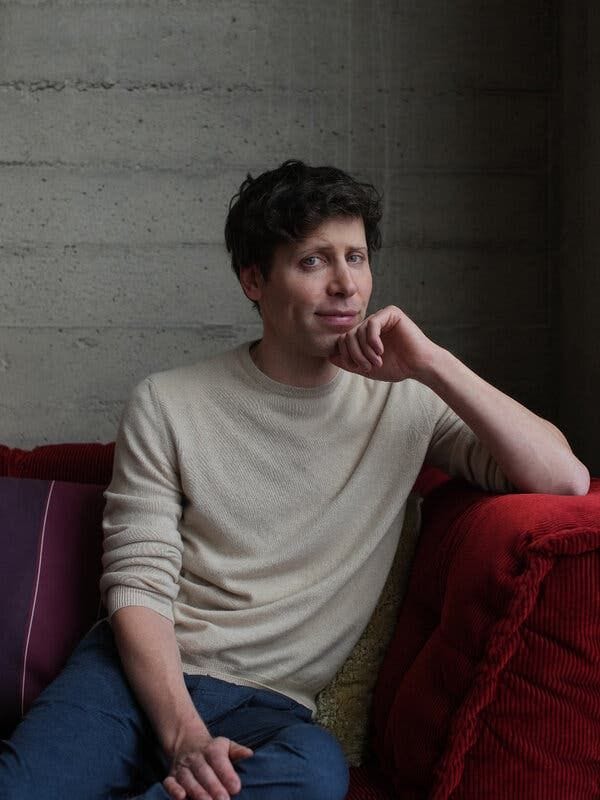
I feel like Sam Altman gets a lot of hate but I feel like he deserves a little more sympathy from the community because they all are commiting crimes, stealing data, and building on other people’s data and they are using Sam Altman as a scapegoat for their crimes. They are all blaming him, but I feel like he’s innocent in a lot of this development. Actually, he’s helping people, helping the development of the whole process of AI and he’s a primary AI steward of this renaissance of AI that we are seeing. So I shout out to Sam Altman if he’s here. I thank you. I think you’re awesome. You are a great manager. Even though you’re getting a lot of hate, you are still fighting against the giants.
Who is your dream collaborator (living or dead)?
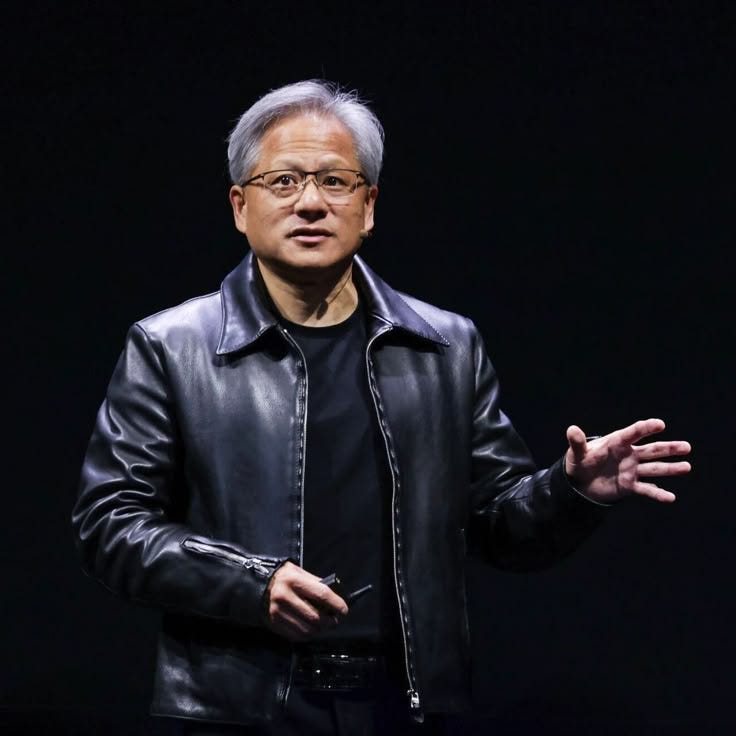
I would like to collaborate with someone very technical. I respect Jensen Huang a lot. I would like to work under him and I want to learn from him. I think he is a great leader. He’s extremely sympathetic. He gives people the room to learn a lot and he’s a great educator — an AI educator. I follow all his videos. For a collaborator, I cannot mention anyone’s name at the moment. OpenAI researcher Andrej Karpathy is someone I would like to collaborate with and build something together. Lex Friedman is someone I really admire. I think I would like to build project with him. I feel like he knows a lot.
What do you want the future to look like?
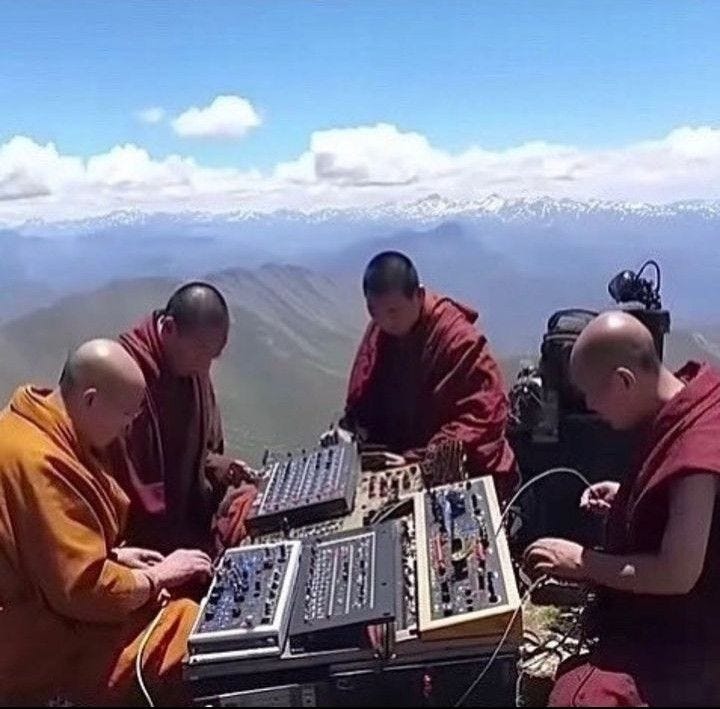
I want the future to look less stressful, with more economic power for everyone — economic access for everyone in education, health, and just to be happy. Everyone needs a certain level of income in America. The economic inequality in America is insane — in the whole world, it’s insane. We just don’t see it because we live in these big cities. So I think the biggest problem we need to solve is economic inequality, because a lot of people live and die and they don’t even know how poor they are, how much they could have done if they had access to a little more economic empowerment or stability. So I think creating a more equal world for everyone, giving access to everyone via health, education, entertainment, and community. So creating a global community of people who have a much more similar lifestyle. The inequality of the top 1% versus the lowest 50 % is going to be constantly split into two different dimensions. If we don’t take care of it, it will be for the next hundred years from now. We will have a really big problem even in the next 20 years because billionaires are only getting richer because they understand the business, their knowledge, their compounding, their economy, and their way of making money. How to innovate and how to bring more profit and revenue and all this is just compounding their net worth. But on the other hand, a lot of people are just living day to day and we don’t even know, even in America. So we need to really work on that, it’s not only AI data safety.
How is your startup work helping to contribute to that future?
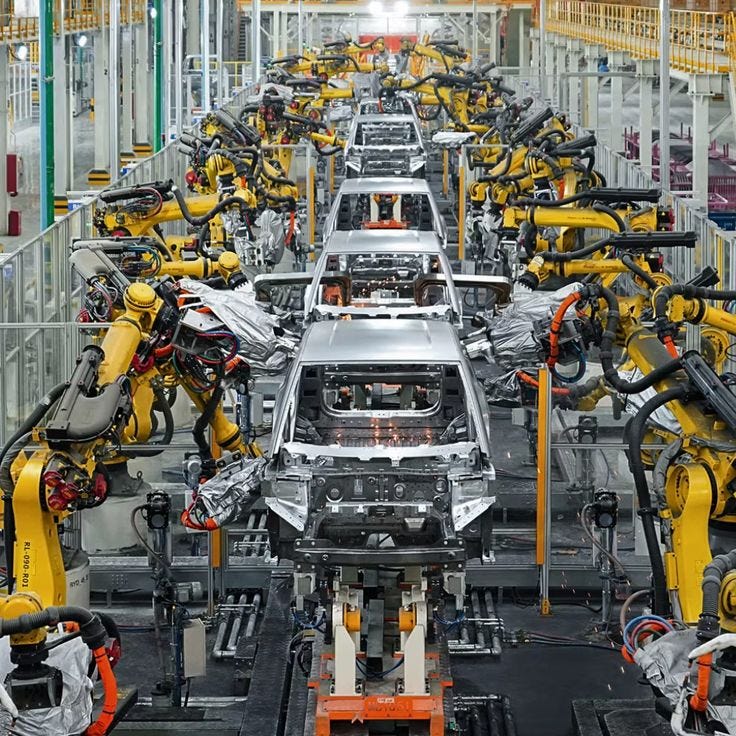
I think there’s two sides of the things I plan to build. I have a list of projects I want to build over my lifetime. One is I want to automate logistics. I want to give everyone access to the same logistics automated drone delivery system. I think that we are in a 1985 phone revolution. I think I can build a system which will allow everyone to have drones in their house and operate those drones based on their intentions. They need logistics. They will need safety. They will need monitoring. They will be able to do that in their house or apartment. It will take time because New York City, where I’m from, has very top notch regulations. We have to work with that and work with the regulatory bodies to figure out those processes. This is a 20 year long process of figuring out how this will work. But that will be democratizing drones for everyone. Just like iPhone, everyone will be able to have safe AI-powered automated drones that will be regulated by the government. Every government will have their own regulatory accesses and be able to monitor the data and will allow everyone to see and have access to their own data, i.e. how much they consume and more. And that will help everyone on the delivery side of things. Autonomous delivery, safety, security, and all of these things will be under one package. I’m still observing the stages and how I’m going to work it out. I’m looking for co-founders on that. It’s a long process.
Another one is event management, community development, agentic events, and community management. AI will be able to build viable communities for us. We can prompt engineer the AI that creates a society where everyone will be engaging more. They will be able to meet each other more, and go outside and build things and provide for their families and learn new things based on their interests. So that will give back to the community and build the community simultaneously.
All these things will help society in itself.
Obviously, I want to build a profitable business and use that profit to innovate more in the different development sides of engineering that I’m working on. But at the same time, all my developments should help and move the world forward to reduce the economic inequality among people, and give them more access to good, safe entertainment and give them back more time. Another thing that I foresee in the future is that people will be able to work less but make more money. We as a human civilization have made huge progress in the last 100 years. It’s unimaginable the exponential rate that we are moving at. People used to work 80 hours a week, 100 hours a week just to provide for their family. Now they’re working 40 hours a week. Not everyone. A lot of people still work 100 hours a week to be providing for their family, not at corporate jobs. But in the future, we want to reduce that time to like, 30 hours a week, 25 hours a week for the regular work, giving them back the time to spend with their family, raise good children, create a good community and engaging events — all these things I think would help society for the better.
What are your red flags and green flags when looking at a startup or founder?

I like a founder who has a lot of energy, who can talk and who is really good communicator. Another thing is he is a good technical person or can work with technical people and non-technical people. He can speak well. These are really good green flags. And the most important thing is how much he wants it. That’s determination. It’s more important than capital and other knowledge.
Background matters, but determination is even more important. These are my green flags. Every good startup founder has something unique in them. So I cannot identify specifically, ‘okay, this is a red flag’ because something that is red flag to someone can be a green flag to other person. Some startup founders are really aggressive. But I feel like as a startup founder, you cannot be timid. You have to make good quick decisions and be able to fail. You have to be able to go through lot of adversities and still be okay. One red flag would be someone who doesn’t want to fail at all. So that’s a big red flag. He never failed in his life. So I feel like lot of failures makes a good founder. And not failing enough is a bad founder.
About ADIN
The ADIN Fund is a highly focused pursuit to develop algorithmic venture with the full force of AI agents. ADIN is also just as much about the people. We’re building a network where early-stage funding happens faster, fairer, and with more incentives for the people on the bleeding edge. If you want to be part of that, apply here to be a scout or investor and follow ADIN as we keep opening doors.
No posts
Comments
Nothing yet. Say the first thing.
Sign in to join the conversation.