
About the middle of the festival Jesus went up into the temple and began to teach. The Jews were astonished at it, saying, “How does this man have such learning, when he has never been taught?” Then Jesus answered them, “My teaching is not mine but his who sent me. Anyone who resolves to do the will of God will know whether the teaching is from God or whether I am speaking on my own. Now some of the people of Jerusalem were saying, “Is not this the man whom they are trying to kill? And here he is, speaking openly, but they say nothing to him! Can it be that the authorities really know that this is the Messiah? Yet we know where this man is from, but when the Messiah comes no one will know where he is from.” Then Jesus cried out as he was teaching in the temple, “You know me, and you know where I am from. I have not come on my own. But the one who sent me is true, and you do not know him. I know him because I am from him, and he sent me.” —John 7:14-17,25-29
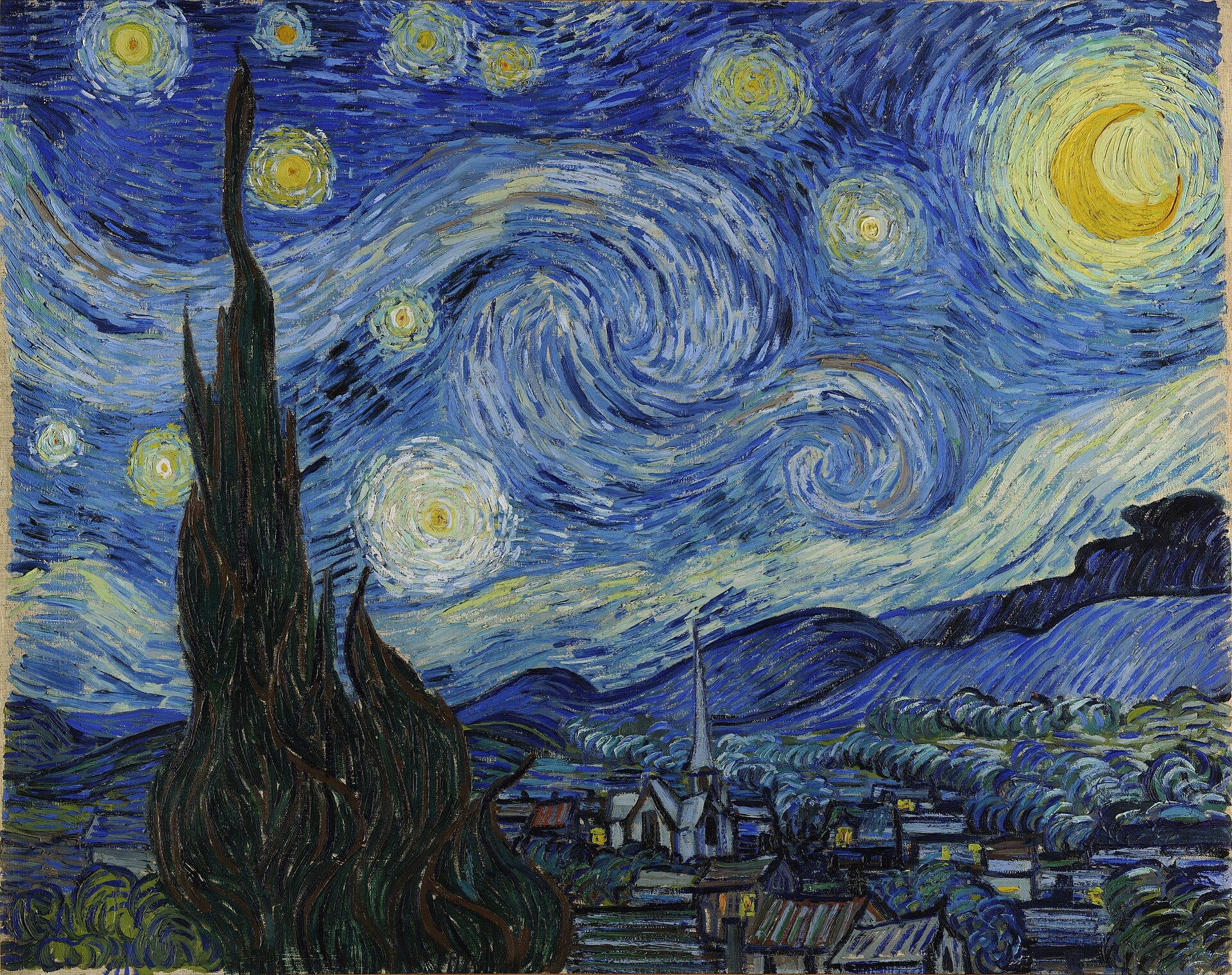
Writing and reflecting on how to see Christ in the world and within people proves difficult when the pressing moment seems so dire. How do we recognize light in a world that appears darker with each passing moment? To seek out the light of the world in the darkness, especially when it is hidden or appears to have faded, requires discernment. Can we truly see at twilight, in the gray, dimly lit corners of our lives? When we encounter that light—whether in great suffering, in the face of a stranger, or on the other side of success—do we, like the crowd say: “How does this man have such learning, when he has never been taught?" Do we claim to know where He is from, yet refuse to see the light—even when it stands before us?
This story from our Gospel reading, to me, shows Jesus' sense of humor. The counter-narrative in these passages challenges Jesus’ knowledge and origin.
Can it be that the authorities really know that this is the Messiah? Yet we know where this man is from; but when the Messiah comes, no one will know where he is from.—John 7:26-27
Yet, several accounts in John's gospel challenge the falsehood that the crowds and Jewish leaders claim to know Jesus' origins. See John 8:14, 9:29, and 19:9. Jesus’ retort, in this context, sounds more sarcastic and ironic—in so calling out their ignorance.
Then Jesus cried out as he was teaching in the temple, “You know me, and you know where I am from. I have not come on my own. But the one who sent me is true, and you do not know him. —John 7:28
How can we recognize the light if we don't know where it’s coming from? If we don't know the one who sent the light, how are we to recognize it for what it truly is?
At the turn of the 5th century, Augustine of Hippo discovered a vital truth to discernment. Augustine, being an avid reader who consumed many books on logic, geometry, music, and mathematics, delighted in reading and understanding. But with all this knowledge he suffered from what he called the gloom of doubt. This doubt made him question what good all this knowledge was if he wasn't being transformed. His agony and doubts stemmed from living two different lifestyles, one focusing on himself, and the other on the fruits of knowledge. While Augustine’s doubts center on his lowly view of himself and his behavior, I find his eureka moment edifying for understanding how we should orient our focus and thereby recognize the light that can illuminate us.
And I took delight in them, but knew not whence came whatever in them was true and certain. For my back then was to the light, and my face towards the things enlightened; whence my face, with which I discerned the things enlightened, was not itself enlightened. —Book IV, Chapter XVI of St. Augustine’s Confessions
Augustine's aha moment reveals that discernment comes from knowing where we are looking and what our focus is on. Being aware of an object, a thought, or the origin of an emotion allows us to distinguish light from the shadows, the tree from its shade. Light is not just showing us what we see, it is how we see everything. C.S. Lewis put it this way:
I believe in Christianity as I believe that the sun has risen: not only because I see it, but because by it I see everything else.— C.S. Lewis
Recognizing the light—in the world, within you, or in the stranger at your border—requires shifting our focus. If we do not know where the light comes from, how can we say that we understand it? Turning around, coming face to face with the light of the world brings into focus what is truly fulfilling. Augustine recognized in order to cut through his fog of doubt, he must shift his focus back to the light that is illuminating what he loves in the first place.
Comments
Nothing yet. Say the first thing.
Sign in to join the conversation.