
In an interview from a few years ago, Fran Lebowitz was asked “what’s your guilty pleasure?”, without hesitation she retorted “I never feel guilty about pleasure”. When I first heard her utter that line, I tried to memorise it, knowing that it’s the only answer I’d be giving to that question for the rest of my life.
The truth is, of course, that for me that answer is more aspirational than it is truthful.
How could it even?
Fran Lebowitz spent her 20s in 70s New York. Bohemian, hedonistic, culturally explosive and deeply rooted in place. I’m spending mine in an era where culture feels increasingly untethered from geography because, as a friend of mine once poignantly pointed out, “culture is now airdropped.” The current cultural milieu transcends cities and borders via our ever-present little black screens, and optimisation is one of the ideas that travels exceptionally far.
An Oura ring appears on the hands of villagers in the south of France but also in Bogotá, Berlin or Belize. We eat different food, speak different languages and inherit different traditions, yet increasingly wake up asking the same questions: How did I sleep? Did I get enough protein? Could I be performing slightly better than I am?
Pleasure used to be policed by sin. Now it seems that it’s policed more by inefficiency than anything else. Maybe we’ve surrounded ourselves with machines so much we started treating ourselves as one of them. Monitoring the dashboard of the self, forever searching for inefficiencies to eliminate and metrics to improve.
I’m not writing this as part of some radical act. I’m not here to say we should all throw our apple watches, Oura rings and phones into the nearest body of water and have a bottle of wine to celebrate.
Though it’s true that I’m in awe of anyone who devotes themselves to joy with a certain ferocity, never settling for anything less than story-worthy pleasure. I love the Anthony Bourdains of this world chasing unforgettable meals in forgotten corners of the world. I love the Eve Babitzes in an endless search for the perfect party. I love anyone who throws themselves wholeheartedly into the business of being alive.
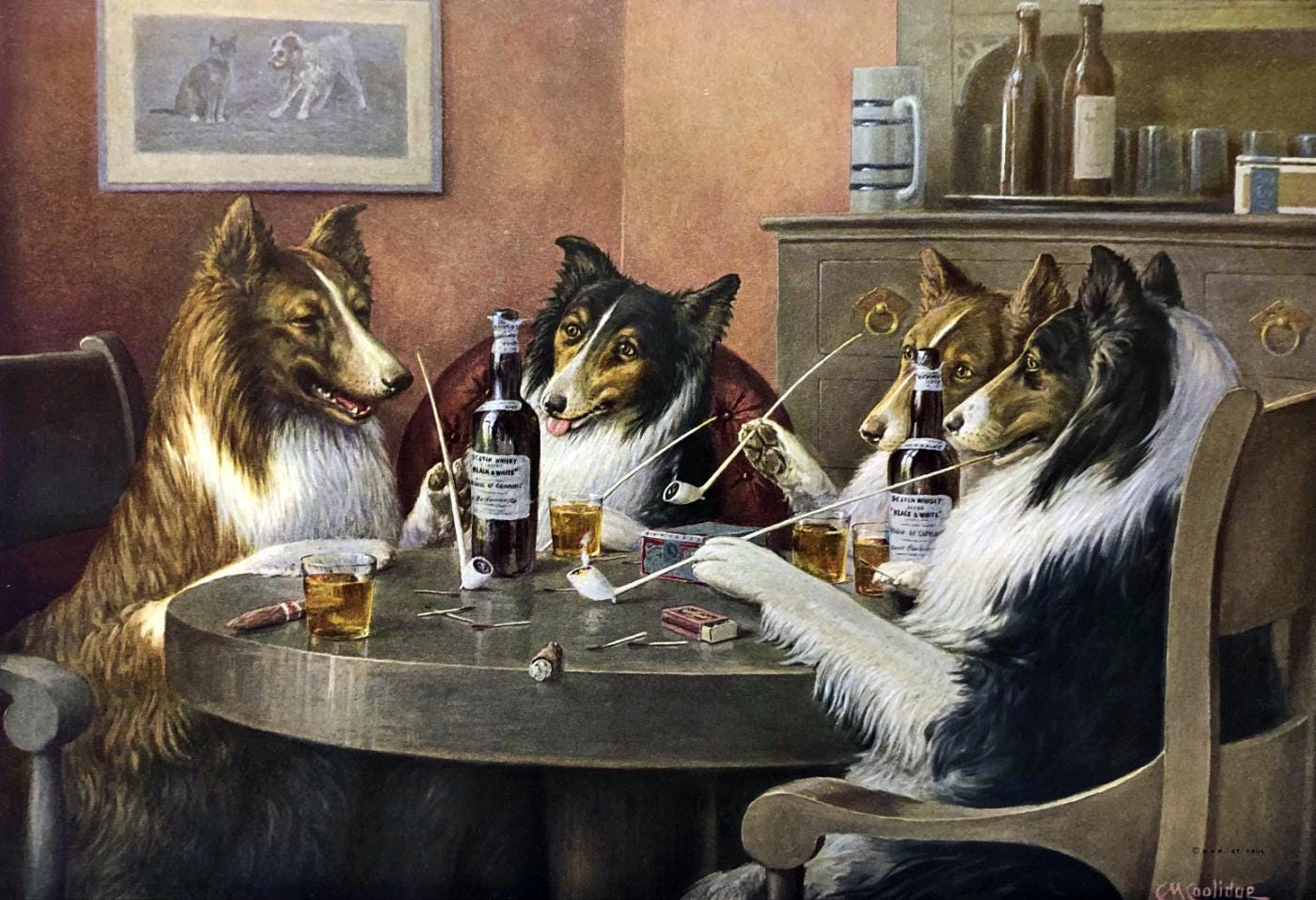
But I’m also inherently for self improvement, for discipline and for resilience. I find immense satisfaction in watching the rewards of good habits compound over time. I wear SPF even on cloudy days, I move my body a lot and I take my magnesium and my omega daily. All partly motivated by vain aspirations – to be and stay beautiful, but also by a care for my body and a desire to preserve its strength for as long as possible.
The distinction, at least for me, is that I like to think of my body as the enabler of experience rather than the goal of my existence. I respect my body immensely and arguably more with each passing year. What I don’t like is when measure turns into surveillance of the self, when optimisation turns into mechanisation of life and when health turns into sanitisation of experience.
My eyes are meant for golden hour, my legs are meant to take me to the peaks of mountains and my hands are meant to type this out or gesture towards whatever my mouth cannot quite express.
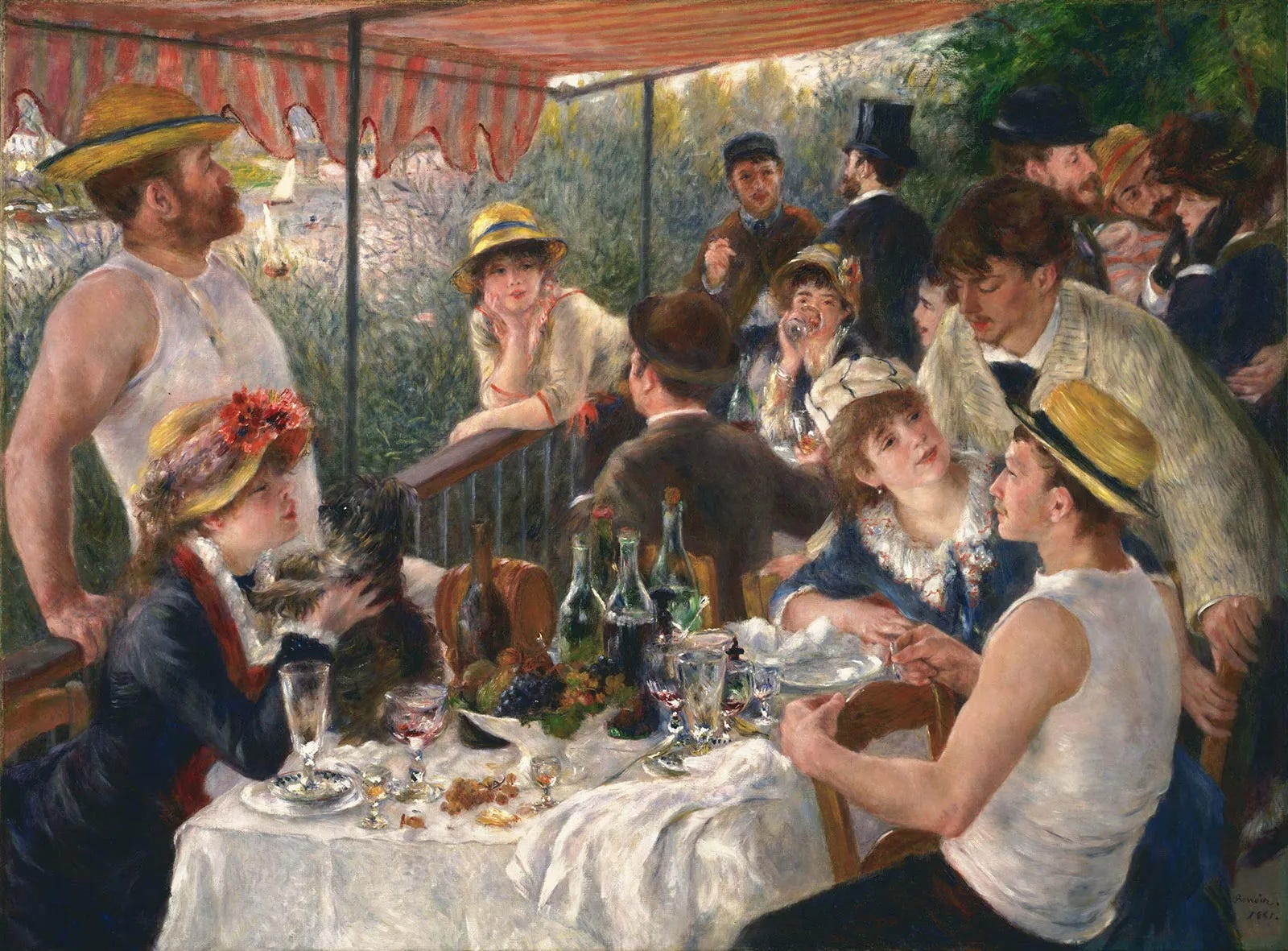
I personally am a fan of contrasts. I enjoy life the most when it’s lived between them. When indulgence is contrasted with discipline, when there are sprints and slow mornings, when there are sore muscles but also days with nowhere to be. Oscar Wilde captured this sentiment perfectly when he wrote: “Everything in moderation, including moderation.”*
I find mental models incredibly useful and my best friend taught me one that has become a central part of the way I navigate life. It’s the mere asking of “what’s the trade off you’re making when you make this choice?” Every decision has a price tag. And I’d argue that the trade off of optimisation culture has become far too costly.
Biologists and mathematicians calculate the odds of you, exactly as you are, being born at roughly 1 in 400 trillion. Oscar Wilde summarised this when he wrote “To live is the rarest thing in the world”. We’re here for a blink of an eye. Proponents of optimising might argue that it’s exactly why we should strive to prolong this miracle for as long as possible. I’d argue that yes, we should, unless the trade off for that is living itself. We have become so focused on extending, improving and optimising life that we risk forgetting what those things were supposed to be in service of in the first place.
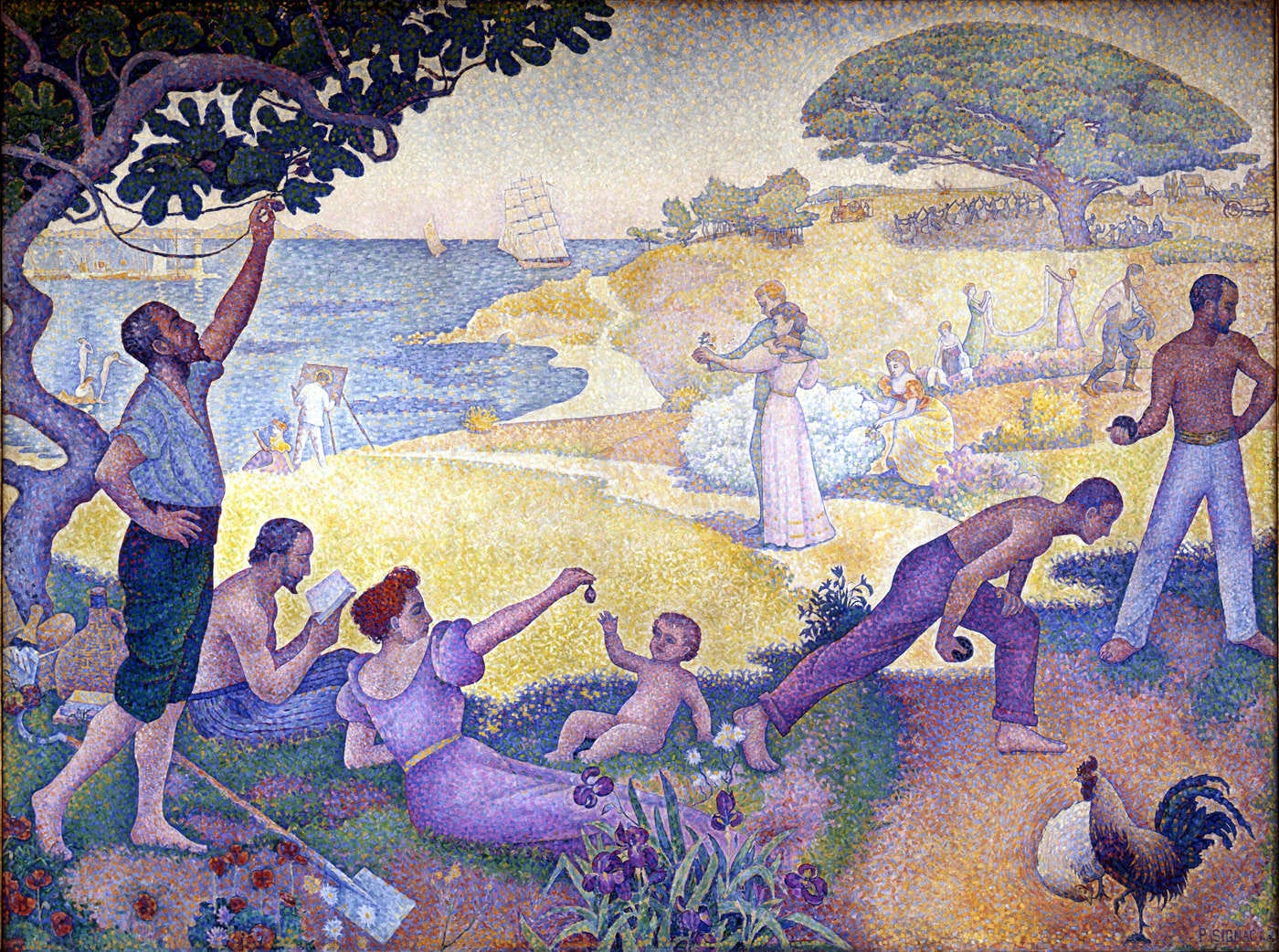
Sometimes a good evening with friends and teary-eyed laughter includes a few too many glasses of wine. Sometimes you stay up till 4AM to finish something you care deeply about. Sometimes you skip a workout you planned because someone you love offered you a bid for connection in the form of a “what are you doing tonight” text. You make the trade off. In favour of love, fulfilment, experience. In favour of life.
The goal of health isn’t the absence of sickness. It’s that you are healthy enough not to be robbed of the ability to experience life. To not feel guilty about pleasure. To keep choosing your tradeoffs. To remain capable of saying yes. Yes to the hike. Yes to the dinner. Yes to the last-minute flight. Yes to one more story. Yes to the people you love. The body matters enormously, but it is not the purpose of life. It is the vehicle through which we get to experience one.
*This quote is often attributed to Oscar Wilde, though no definitive source has been found.
No posts
Comments
Nothing yet. Say the first thing.
Sign in to join the conversation.