
Most people think the future of clean energy will be built entirely with giant solar farms, wind turbines, and nuclear plants.
But according to Budderfly’s Director of Corporate Project Management, Ibhade Eigbobo, one of America’s biggest untapped energy resources is much simpler:
Small and midsize businesses wasting energy every single day.
On a recent episode of A Climate Change with Matt Matern, Eigbobo explained how Budderfly is helping restaurants, manufacturers, and other businesses reduce energy use by as much as 30% — without requiring customers to spend upfront capital.
“The best kilowatt hour is the one not used.”
That philosophy is at the center of Budderfly’s “energy-as-a-service” model.

Instead of asking business owners to buy expensive new HVAC systems, lighting, batteries, or energy controls themselves, Budderfly steps in and takes over the customer’s utility bill.
The company upgrades old equipment using its own capital, manages installation and maintenance, and earns revenue from the energy savings created.
For example:
A restaurant spending $100,000 annually on electricity might reduce usage by 30%
Budderfly pays the utility the lower bill
The customer keeps predictable energy costs
Budderfly shares in the savings
That means small businesses can modernize their infrastructure without taking on debt or major financial risk.
One of the most surprising insights from the conversation was just how energy-intensive quick service restaurants really are.
Eigbobo noted that fast-food restaurants are among the most energy-dense buildings in America because they rely heavily on refrigeration, ventilation, cooking equipment, and HVAC systems.
And with thousands of locations nationwide, even modest efficiency gains can have a massive impact on the electric grid.
If millions of businesses reduce consumption by 20–30%, the country may avoid building entire new power plants just to handle future demand.
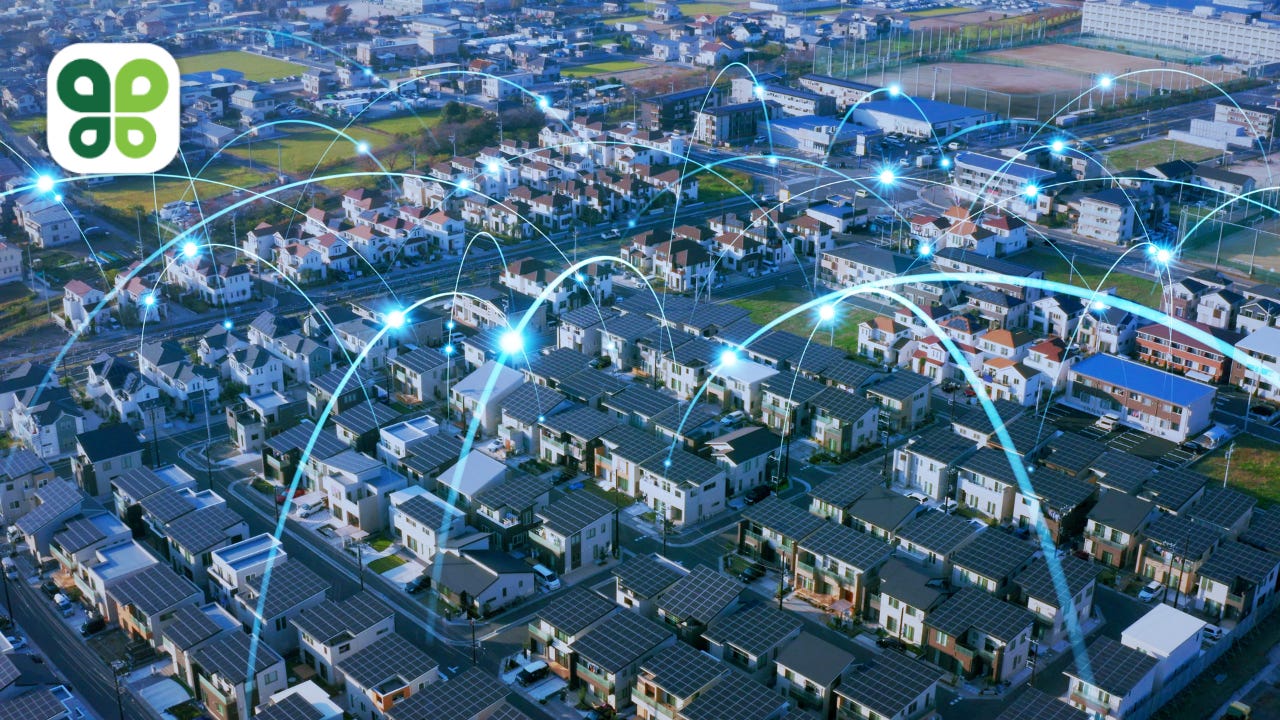
The discussion also explored the growing pressure on America’s electrical infrastructure.
Data centers, artificial intelligence, electric vehicles, and manufacturing growth are expected to dramatically increase electricity demand over the next decade.
Budderfly believes batteries and distributed energy systems will become increasingly important in managing those peaks.
Rather than relying entirely on centralized power generation, businesses could become part of a “virtual power plant” — storing energy during low-demand periods and using or dispatching it during peak times.
This approach could:
Reduce stress on the grid
Lower energy costs
Improve reliability during outages
Help utilities avoid expensive infrastructure expansion
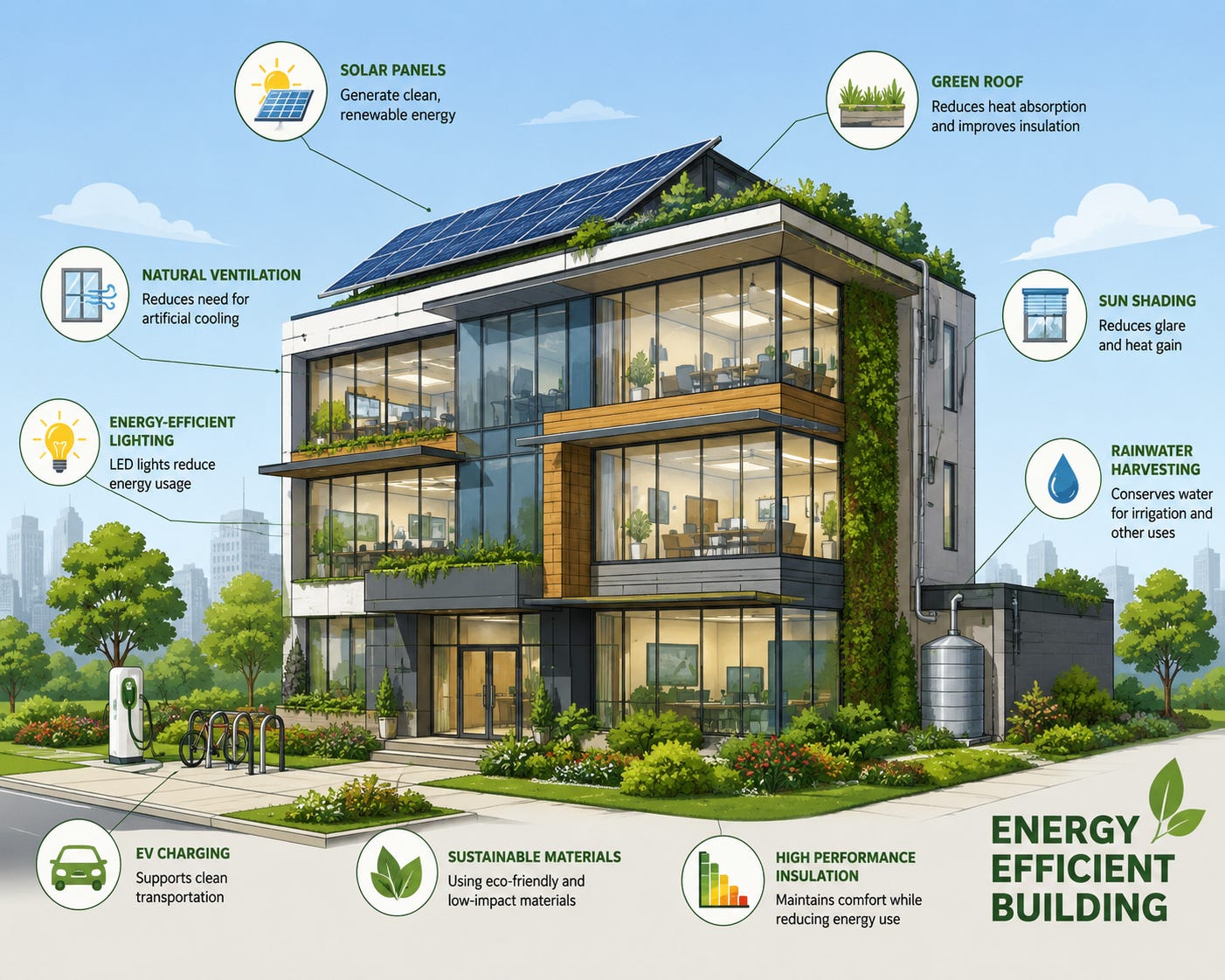
Perhaps the most compelling argument Eigbobo made was that efficiency should come before large-scale renewable buildouts.
If buildings waste less energy in the first place, the country needs fewer power plants, fewer transmission upgrades, and less land dedicated to energy production.
That doesn’t mean renewables aren’t important.
It means the cleanest and cheapest energy may be the energy we never have to generate.
The clean energy transition is often framed around massive infrastructure projects.
But this conversation highlighted a quieter opportunity hiding in plain sight:
Helping ordinary businesses use energy smarter.
If companies like Budderfly can scale their model nationally, efficiency itself could become one of the country’s most powerful climate solutions.
Listen to the full podcast episode for more insights on:
Energy-as-a-service business models
Virtual power plants and battery storage
AI-driven electricity demand
Solar and grid modernization
The future of distributed energy systems
Check out this episode on Apple, Spotify, iHeart, and YouTube.
No posts
Comments
Nothing yet. Say the first thing.
Sign in to join the conversation.