
On a recent episode of A Climate Change with Matt Matern, Matt spoke with Zak Winnick, founder and CEO of Rangeway Energy, about his vision for a new kind of EV charging network—one built around the needs of drivers, not simply the location of an electrical connection.
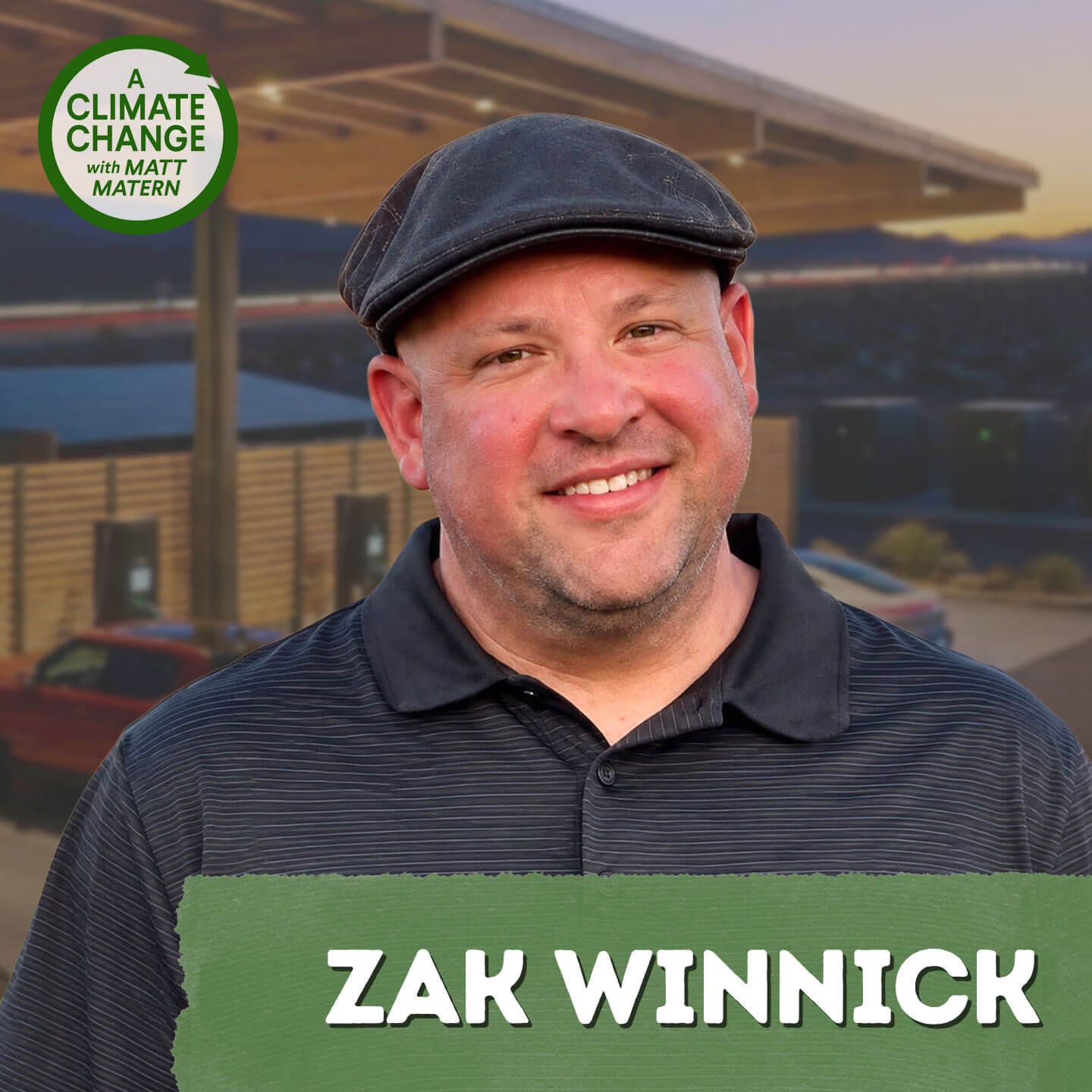
Winnick has been an EV owner for roughly 15 years and spent much of his career in hospitality. Those two worlds came together when he began thinking about one of the biggest frustrations facing EV drivers: charging on long-distance trips.
Many charging stations are little more than equipment in a parking lot. Rangeway wants to create something different.
The company is planning charging locations where drivers can spend their 20 or 30 minutes comfortably—with indoor spaces, Wi-Fi, food and retail options, tire inflation, windshield cleaning stations and even potential dog parks.
The goal is simple: make charging part of the road trip experience rather than an inconvenience.
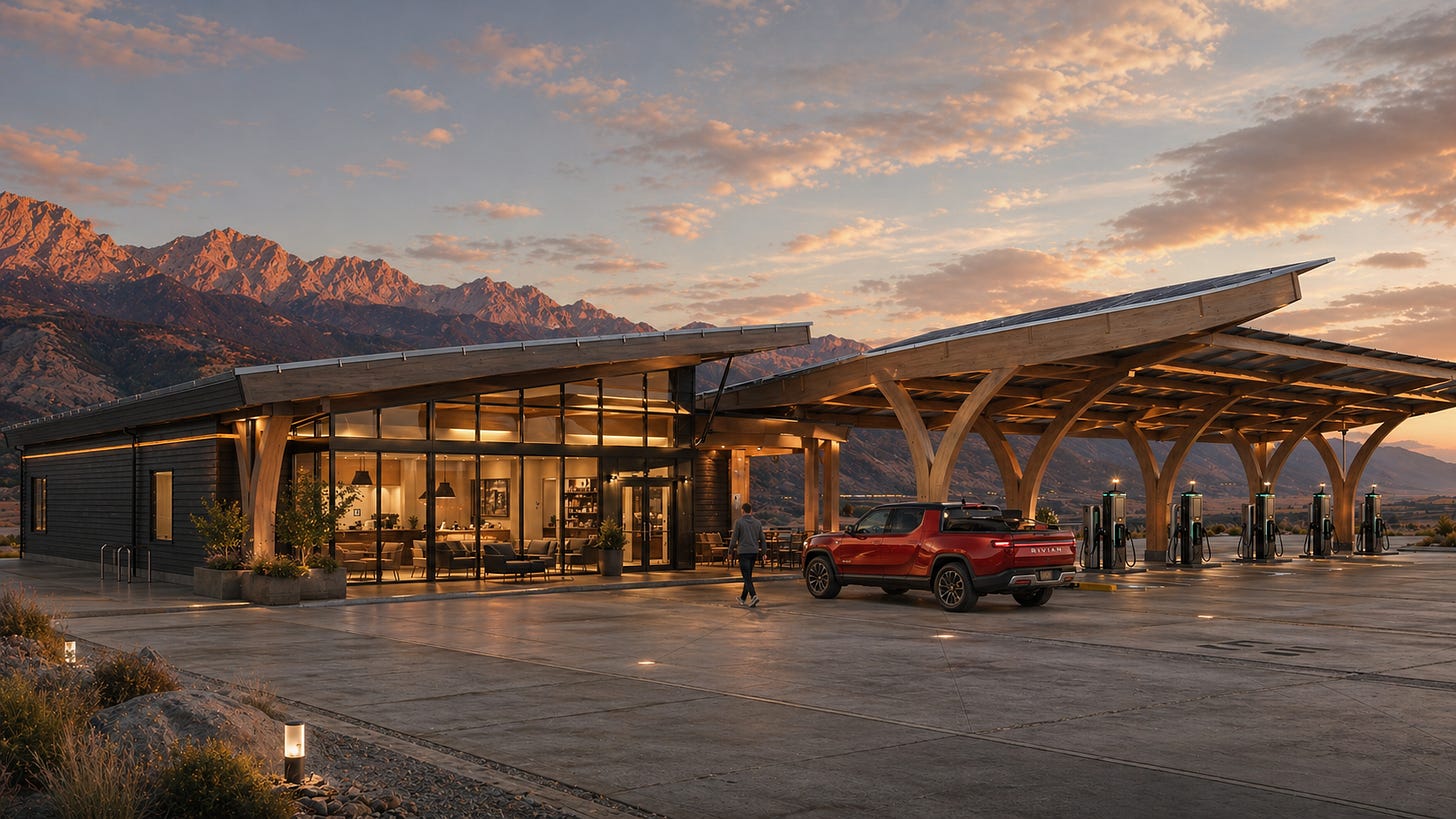
Rangeway is also looking beyond major interstates.
Winnick sees an opportunity along scenic highways, near national and state parks, and in places where drivers can encounter charging gaps of 150 to 250 miles. That’s especially important for electric trucks towing trailers, which can see their driving range fall significantly.
Instead of forcing EV drivers away from scenic routes and back toward major highways, better infrastructure could make more of the country accessible by electric vehicle.
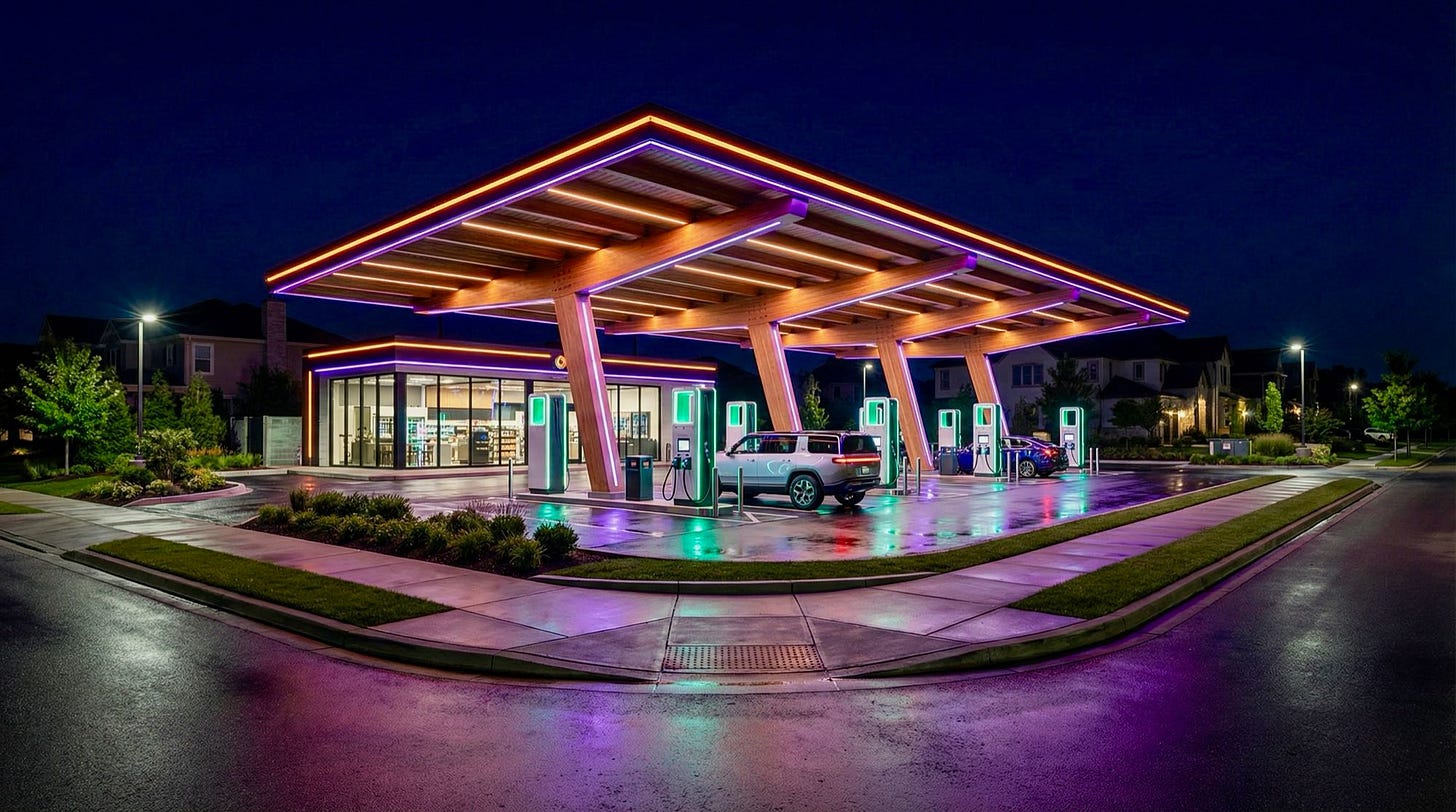
Building that infrastructure isn’t easy—or cheap.
Rangeway is exploring solar generation, battery storage, geothermal and hydropower as potential pieces of the solution. At some locations, producing and storing electricity locally could also help overcome one of the industry’s biggest obstacles: lengthy utility interconnections and expensive demand charges.
Winnick even described technology that can use renewable electricity to produce hydrogen for energy storage, then convert it back into electricity when needed.
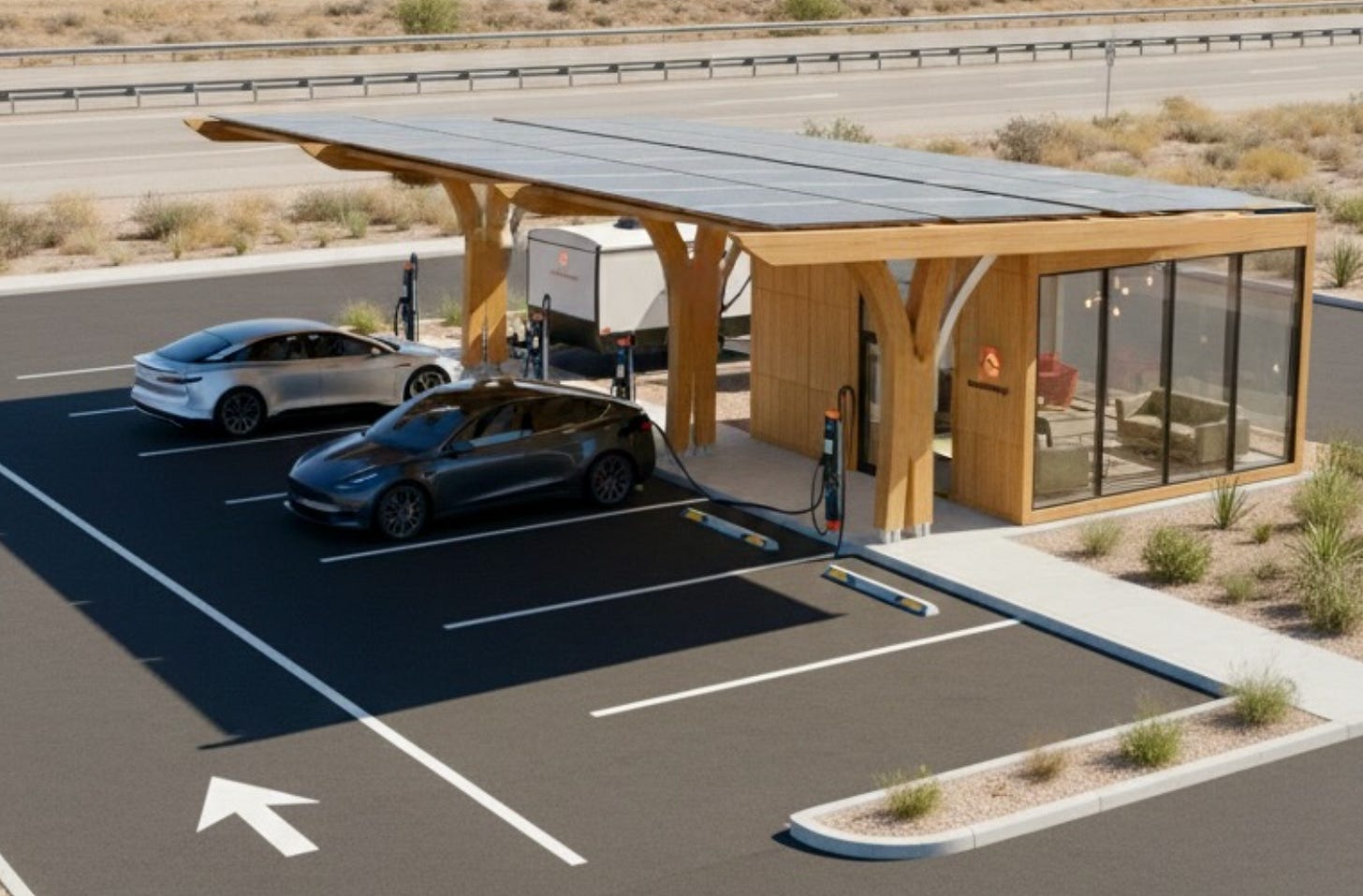
Winnick ultimately wants Rangeway to help redefine what drivers expect from charging.
His ambition isn’t necessarily to build the country’s largest network. Instead, he hopes to establish dozens of thoughtfully designed locations and demonstrate what a better charging experience can look like.
As batteries improve and five-minute charging moves closer to reality, the line between the traditional gas station and EV charging stop may begin to disappear.
But the need for a comfortable place to stretch your legs, grab something to eat and recharge yourself isn’t going anywhere.
The EV transition isn’t only about building better cars. It’s also about building a better experience around them.
🎧 Listen to the full conversation with Zak Winnick on A Climate Change with Matt Matern to hear more about the future of EV charging, renewable energy and the infrastructure needed to make electric road trips easier.
No posts
Comments
Nothing yet. Say the first thing.
Sign in to join the conversation.