
What if the most radical idea in American history wasn’t democracy, the interstate highway system, or landing on the moon?
What if it was this:
Some places should belong to everyone forever.
Not to corporations. Not to billionaires. Not even to the government itself.
To all of us.
That idea was born on March 1, 1872, when President Ulysses S. Grant signed a law creating Yellowstone National Park. More than two million acres of extraordinary wilderness were set aside—not to be sold, developed, or privatized—but preserved for the public’s benefit and enjoyment.
At the time, the decision was revolutionary.
America was racing westward. Land was something to claim, exploit, and profit from. Yet Yellowstone broke the rules. It declared that some places were simply too important to belong to any one person.
No country had ever done anything quite like it before.
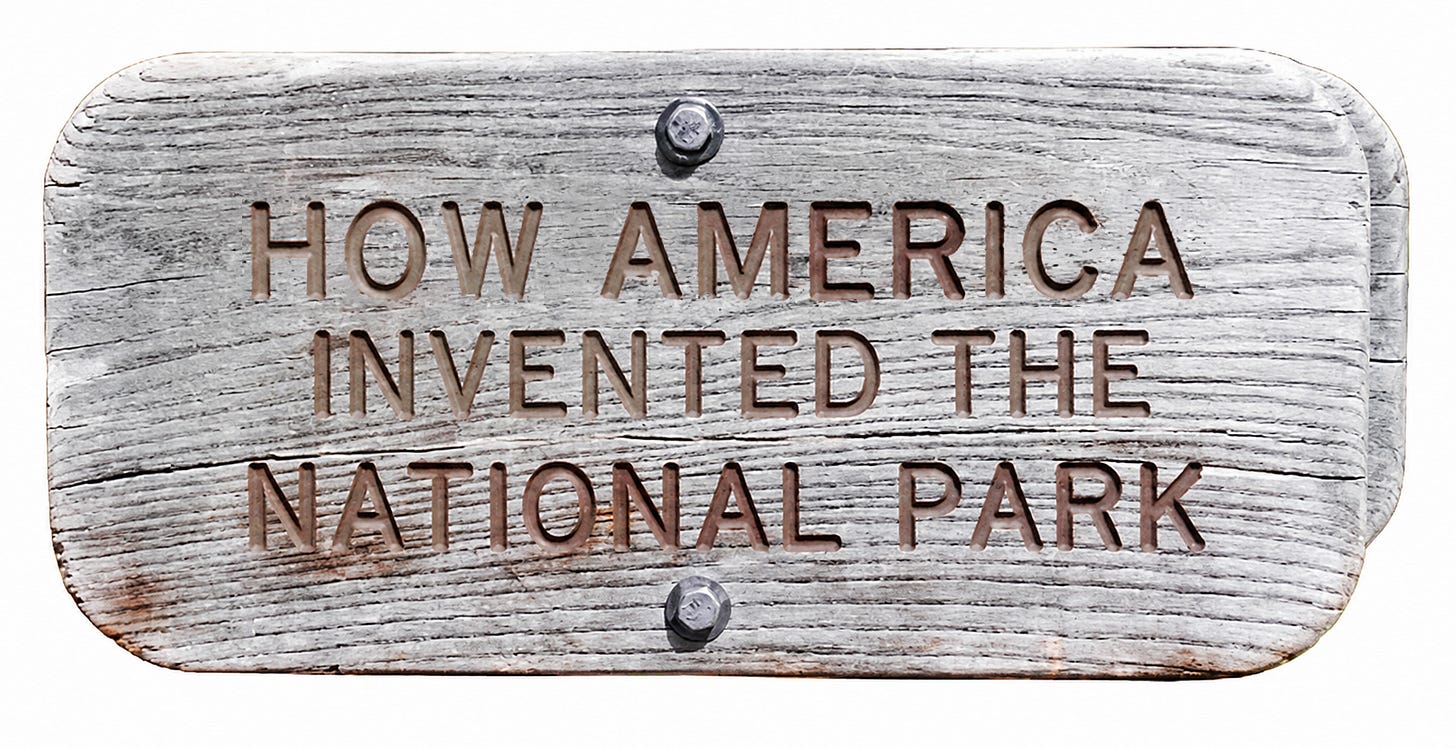
Writer Wallace Stegner famously called the national parks:
“The best idea we ever had.”
And he may have been right.
Today, more than 100 countries have adopted national parks inspired by the American model. What began in Yellowstone has spread across the globe, protecting billions of acres of forests, mountains, coastlines, deserts, and wildlife habitat.
But the parks didn’t survive on good ideas alone.
They survived because people fought for them.
One of those people was John Muir.
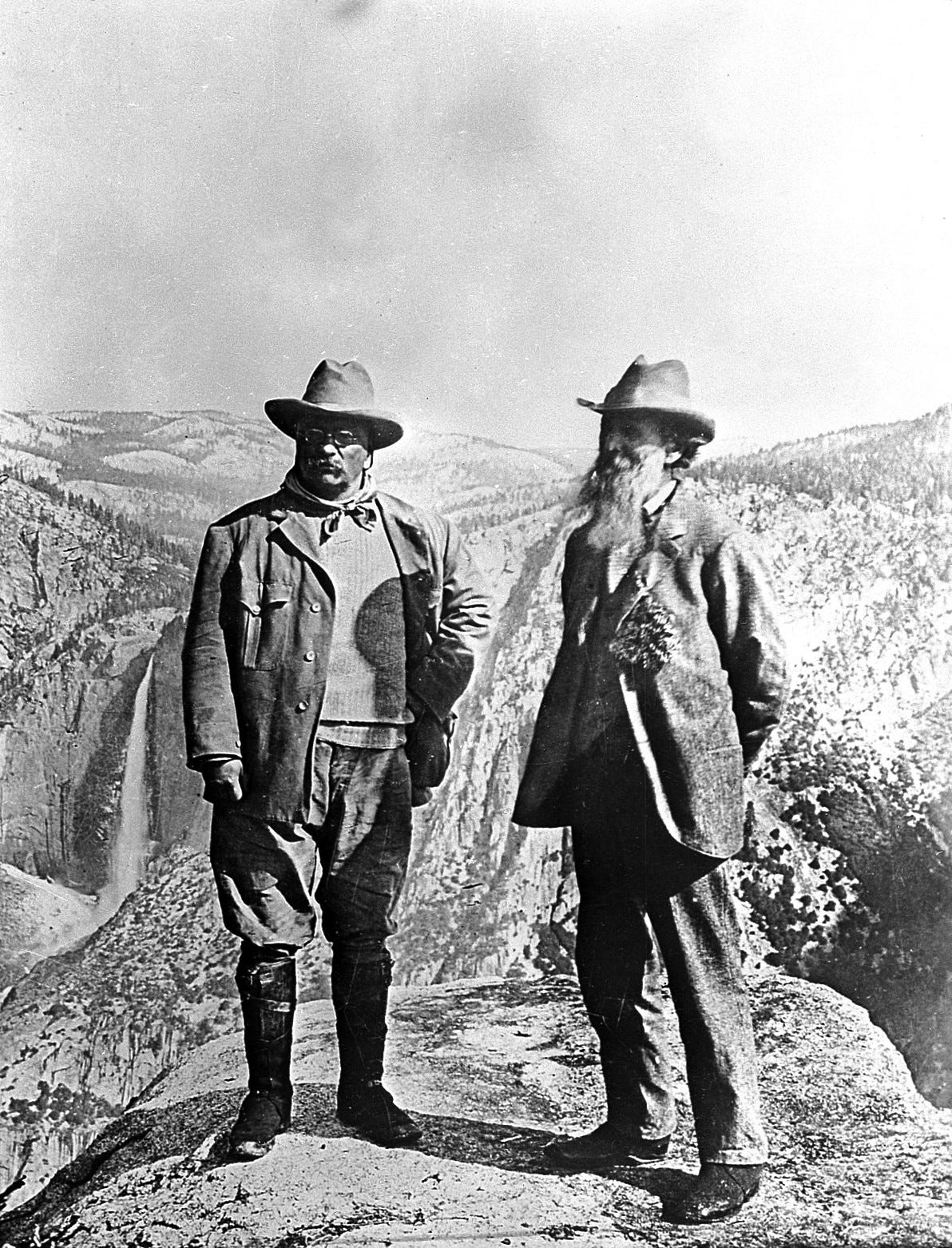
The Scottish immigrant and naturalist spent years exploring the Sierra Nevada and writing passionately about America’s wild places. His words inspired a generation of conservationists—and eventually caught the attention of President Theodore Roosevelt.
In 1903, Roosevelt and Muir spent three days camping together in Yosemite.
What happened around those campfires helped shape the future of American conservation.
Over the course of his presidency, Roosevelt protected roughly 230 million acres of public land, established national parks and forests, created wildlife refuges, and signed the Antiquities Act that still allows presidents to protect important landscapes today.
The national park system that followed became one of America’s greatest gifts to future generations.
It’s easy to assume national parks are permanent.
They’re not.
In 2025, Congress considered proposals that would have sold more than a million acres of public land to private buyers. Supporters argued the sales could help fund maintenance projects and address housing shortages. Critics warned that once public land is sold, it is almost impossible to recover.
In the end, bipartisan opposition stopped the effort.
Hunters, anglers, conservationists, and lawmakers from both parties pushed back.
The proposal failed.
But the debate didn’t disappear. It was postponed.
And that’s the lesson.
The parks have never protected themselves.
Every generation has had to decide whether these places matter enough to defend.
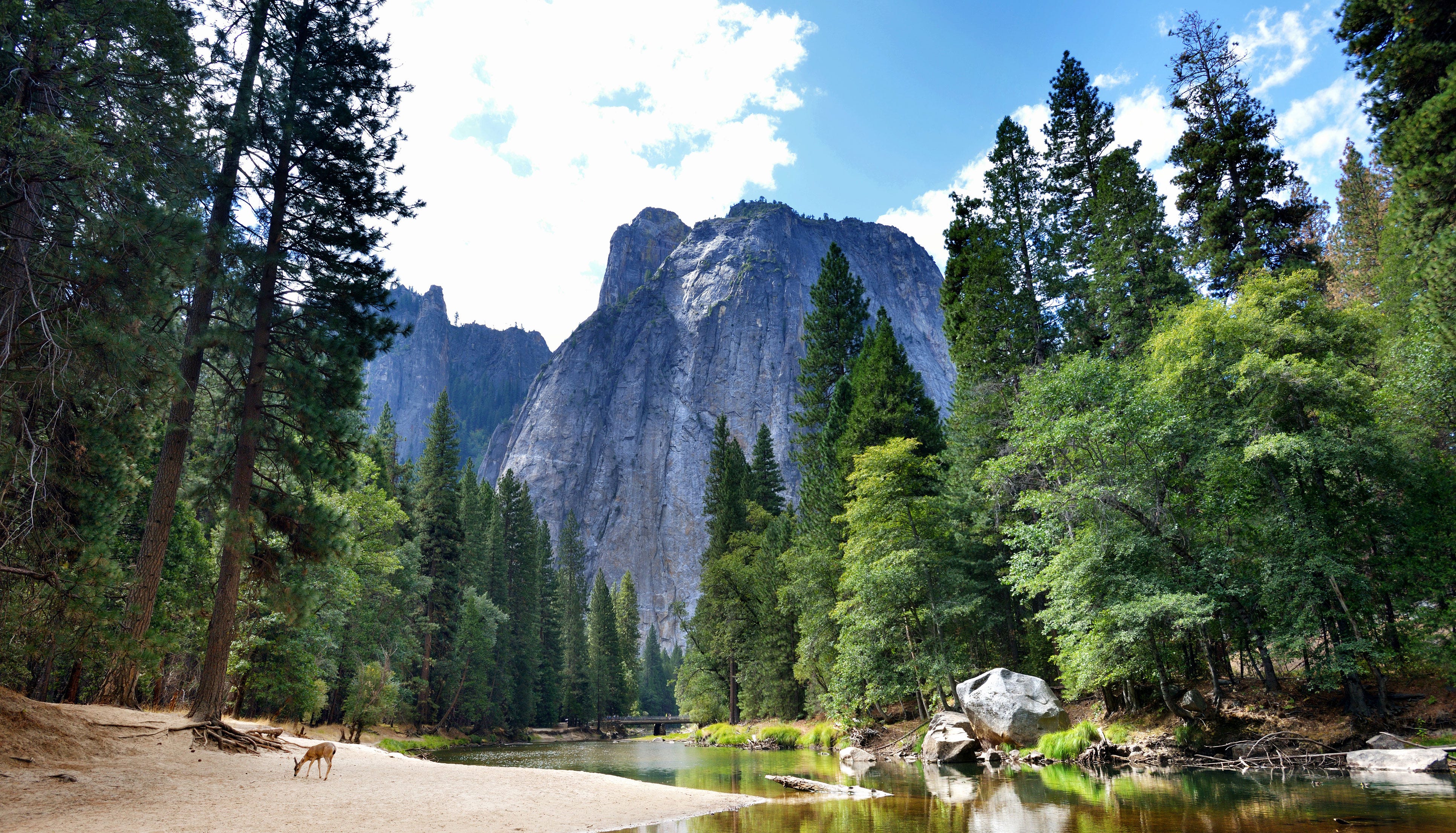
The good news is that protecting public lands doesn’t require a political title or a famous last name.
It starts with showing up.
Visit a national park, monument, or historic site.
Support organizations that help protect public lands.
Pay attention when proposals affecting public lands appear in Congress or your state legislature.
Share these places with your family and friends.
Because people protect what they love.
And you can’t love what you’ve never experienced.
The national parks are more than beautiful landscapes.
They’re a promise.
A promise that some things are worth preserving.
A promise that future generations deserve access to the same wonders we enjoy today.
And a reminder that some of America’s greatest achievements weren’t built for profit—they were built for everyone.
The question now is whether we’ll keep that promise.
Because the best idea America ever had is only as strong as the people willing to defend it.
No posts
Comments
Nothing yet. Say the first thing.
Sign in to join the conversation.