
Hello everyone! My name is Dr. Sherrie Campbell and I’m a psychologist and author of 7 books including But It’s Your Family & You Are Home. I recently had the pleasure of spending a long weekend with Will in Canada to record a series of interviews all about toxic families (both mine and yours!). The conversations were heavy, but our hearts were light, and I’m so excited to share it all with you!

We covered a lot of ground over those four wonderful days, and I wanted to share with you a few of the points that came up. These are the things I wish more people understood about why family estrangement happens.
Low Effort Families
From the outside, the low-effort parent can seem like they mean well. They say the right things. They’re there for the big events. But the problem is that they never really show up for you. They don’t ask how you are. They don’t try to get to know you. And they never follow through. Children raised by these types of parents constantly feel like they’re asking for too much, even though all they’re really after is connection.
Emotionally Immature vs Toxic Parents
Children of low-effort or emotionally immature parents sometimes have a harder time coming to terms with the realities of their families than those with obviously toxic or abusive families. That’s because low-effort parents do kind of enough. They keep you clothed, housed, and fed, but they never give enough of themselves to make you feel seen. With these types of parents, it’s sometimes harder to prove to yourself that it’s real and that you’re worthy of having feelings of hurt and abandonment.
The Wound We All Share
Adults who choose to go low or no contact with their parents are constantly being made to feel guilty and ashamed for their self-protective decision. But the truth is that estrangement happens in childhood. When a child is consistently neglected or made to feel like not enough, the bond they should’ve had with their parents is ruptured. They may not recognize it until adulthood, but the connection was severed long before. And in case you need to hear it, none of it was your fault!
The Goal Of No Contact
I want to end on something hopeful that so many people seem to misunderstand. The point of recognizing all of this isn’t to pull more families apart or to drive people toward no contact. It’s to support the people who are working hard to interrupt the pattern of abuse so that the children they raise — and the children those children eventually raise — don’t grow up needing to do this work at all. As I say in the House Of Healing:
The whole hope in no contact is that we’ll stop the generational trauma and there will be no need for no contact.
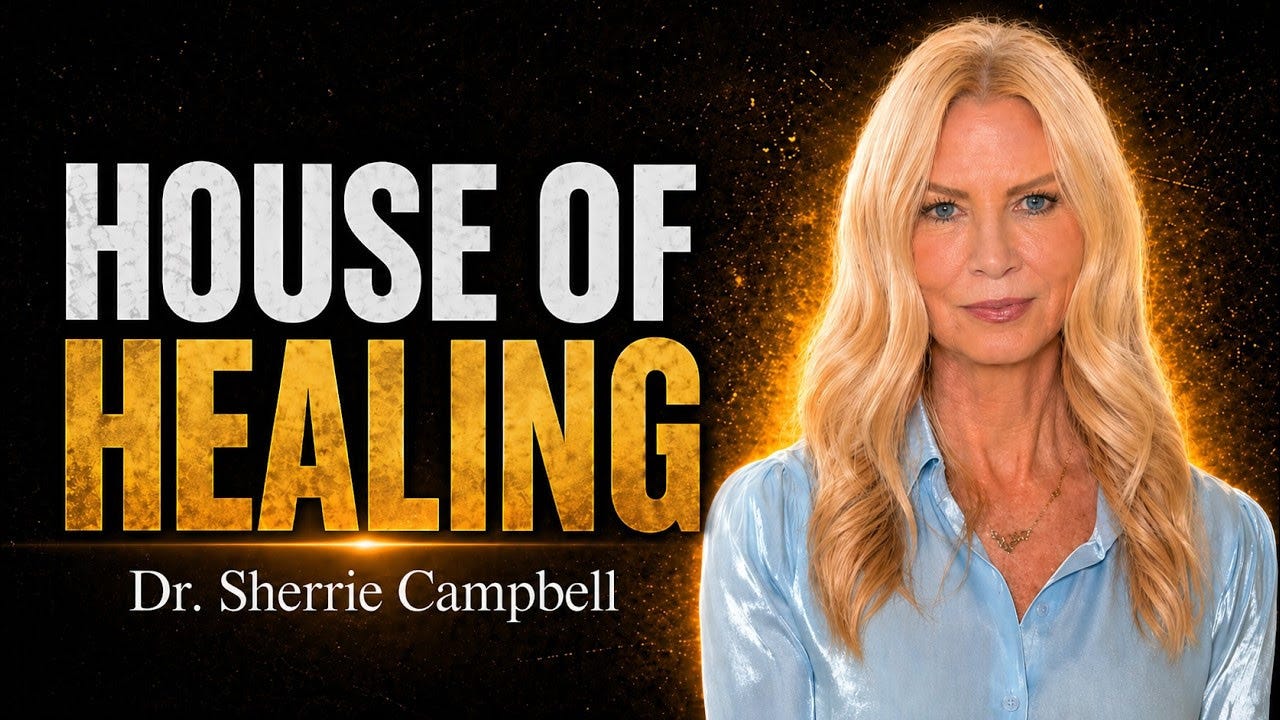
Thank you for spending a few moments of your day with me! If you’d like to watch the documentary Will and I created for you, click on the image below. <3
Comments
Nothing yet. Say the first thing.
Sign in to join the conversation.