

Many of the folks who believe that research on mRNA vaccines was rushed, can’t wait to get their hands on hallucinogens to self-treat mental health problems, and untested peptides to get totally jacked! Yet there is way less research into their safety and effectiveness compared to the vaccines that social media has conditioned them to reject on the same grounds.
You can’t shake a stick in a gym or a biohacking convention without hitting some chiseled edgelord who wants to share their “secrets” to injectable fitness and edible mind-expansion. What was once confined to inorganic bodybuilders and recreational drug users is now a mainstream topic of podcasts and meticulously-branded websites with a miracle to sell you. In truth, the explosive use of experimental peptides and hallucinogens is anything but a secret these days. It is no longer the purview of marginalized weirdos smelling strongly of cannabis or baby oil: the unfounded benefits of these drugs are widely touted by celebrities, pseudo-intellectuals, charlatans with real credentials, and (worst of all) policy makers.
Let’s look at the evidence beneath the hype.
I originally wanted to cover both topics in a single essay, but as I dove down this rabbit hole I realized it was just way too deep. There is too much bizarre history and misinterpreted science to discuss them simultaneously.
So today… we are doing peptides together!
Intellectually, not literally. This isn’t that kind of gathering.
About half of the bulk of this article is a detailed review of 9 very popular experimental peptides -with 100% overlap of the 7 peptides that RFK Jr. seeks to relax regulations on. Skip down if you are impatient.
A brief history of peptides
Peptides themselves are older than life itself, but the history of medical utilization of biologically active peptides spans well over a century, beginning with the discovery of insulin in 1921. Insulin is the Original Gangsta of peptides. This will surprise anyone who thinks that it all began with BPC-157 for better muscles and Deadpool-like joint regeneration. Knowledge of peptides is older than your dad’s plyometrics.
Over the intervening century, a vast therapeutic landscape has emerged that includes more than 80 fully-vetted peptide drugs currently on the market. Some non-insulin standouts:
Somatostatin analogues like Octreotide treat acromegaly, brisk GI bleeding, and counter the evil humors released by neuroendocrine tumors.
GnRH analogues like goserelin and leuprolide are mainstays in the treatment of endometriosis, and prostate and breast cancer.
Oxytocin is used every single day around to the world to help induce labor and reduce uterine bleeding after delivery.
Vasopressin treats both diabetes insipidus, and severe hypotension.
Calcitonin manages osteoporosis and hypercalcemia.
This list could not be complete without GLP-1 agonists like Ozempic and Wegovy -the only non-famine intervention that turned the tide on obesity in America!
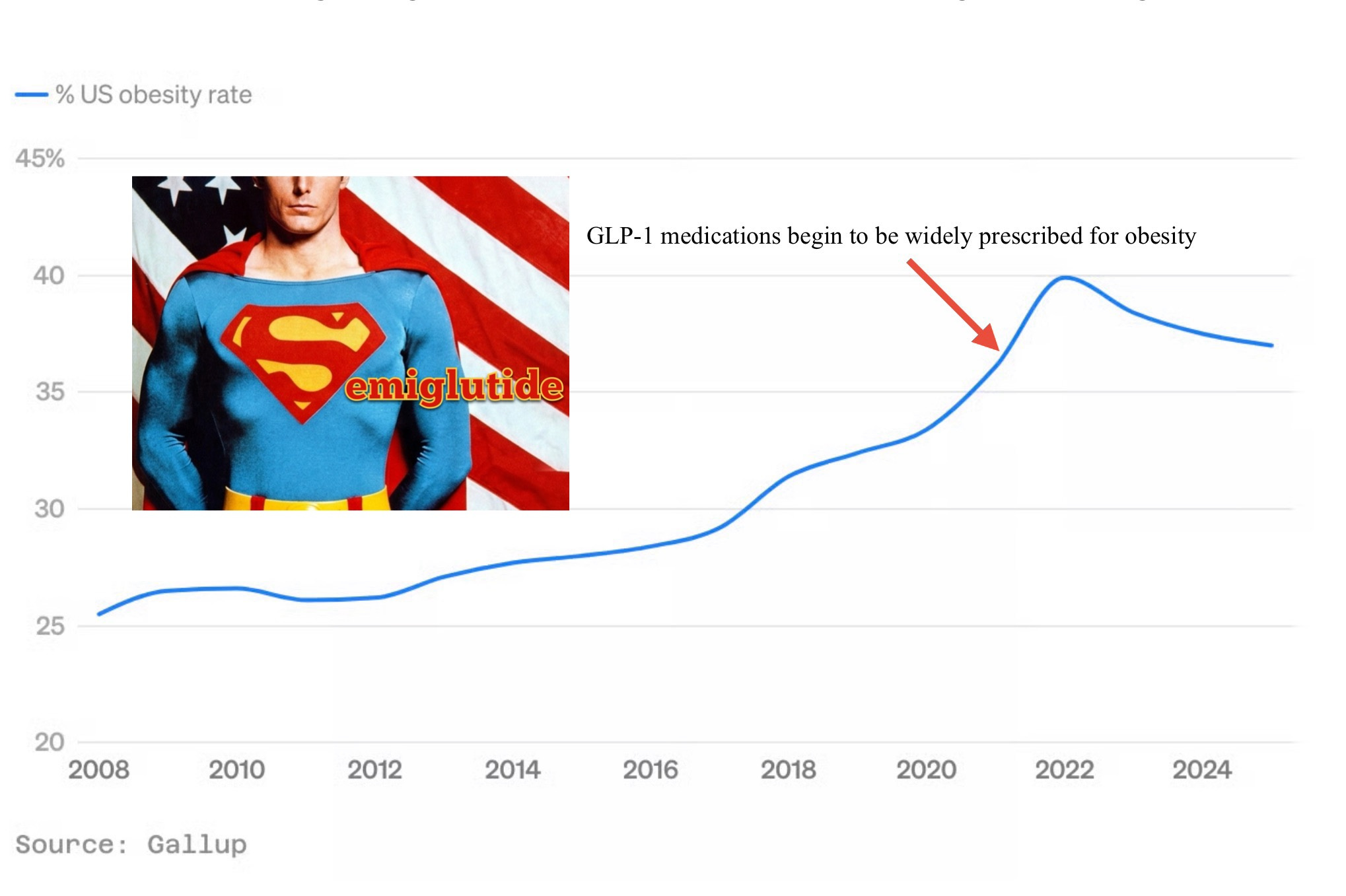
Medical peptides are far from new, but hacks like RFK Jr. single out the least-studied examples as if there was some malicious scheme to hide them from the common man. There isn’t. We don’t release experimental drugs for over-the-counter purchase in the name of liberty. I can’t even cite a reference for that because it’s so absurdly obvious.
Ironically the Kennedy family did hoard supplies of cortisone (a newly discovered and inconsistently produced drug at the time) so that his uncle JFK never suffered an attack of Addison’s disease in periods of national shortage. Insuring access to a drug that sustained the life of a wealthy-kid-turned-president is not the same level of conspiracy that RFK Jr. imagines is oppressing peptide enthusiasts. And just as cortisone isn’t a peptide, regulatory protection isn’t a conspiracy to suppress wellness.
Aren’t peptides just short amino acid chains like the proteins in my steaks and shakes?
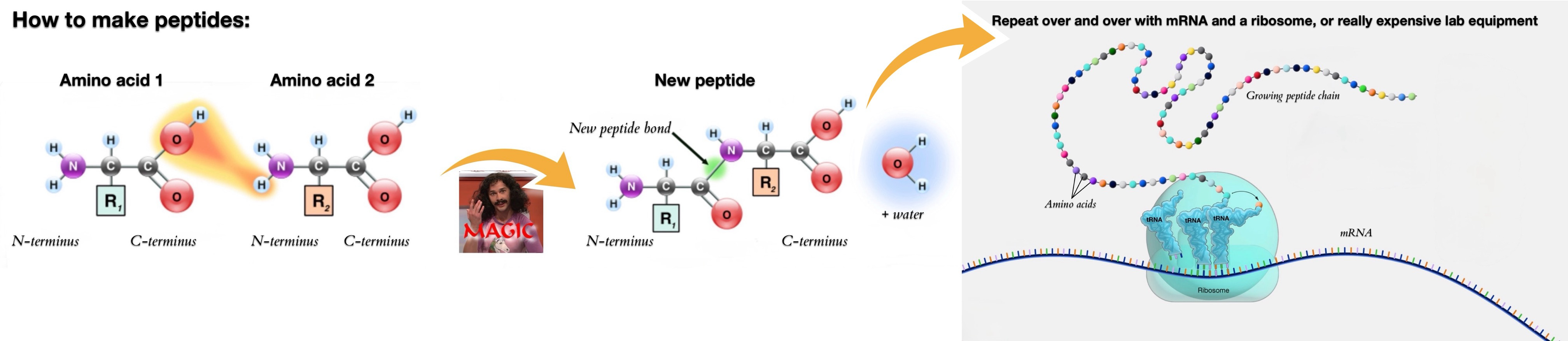
Yes, but the sequence of that chain is a big deal since peptides do much more than nourish your Herculean muscles and silky smooth skin. They also serve as vital biochemical messengers in every living creature.
Sometimes the message they deliver is a subtle nudge to “make glucose available,” in the case of glucagon.
Other times the message is more aggressively along the lines of “fuck you in particular:”
Amatoxins of death cap mushroom fame. It only takes a fraction of a milligram of these peptides to kill you. α-Amanitin blocks mRNA transcription, stopping protein synthesis (which ironically involves making peptides). Your liver bravely bears the brunt of this insult by concentrating it there for a failed detox, ultimately leading to its destruction without the fun of decades of alcoholism. A whiff of this treats one to nausea, vomiting, diarrhea, abdominal pain, jaundice, seizures, coma, and finally death. There is no antidote, and liver transplantation may be required -but liver supplies are more limited than mushroom supplies.
The venom of scorpions (α-toxins), wolf spiders (lycotoxins), several snakes (α-bungarotoxins, sarafotoxins, myotoxins, etc), and bees (melittin) are all lead to anything from mild discomfort to oblivion. All are glorious, 100% natural peptides.
Okay smartass, those are toxins. No one wants those.
Not true!
Conotoxins are among the most potent peptide toxins known to man. Produced by cone snails, these peptides target neuromuscular ion channels, so that your ocean swim is complicated by rapid paralysis. It’s quite challenging to swim or float while paralyzed. I do not recommend it.
Conus geographus has a fatality rate as high as 65%. Despite this rather exceptional killing power, a conotoxin derivative was successfully developed into an analgesic a few years ago as ziconotide/Prialt. Game-changer for chronic pain patients who don’t want opioids.
This proves that some members of the extended family of extremely dangerous peptides can be harnessed therapeutically, as long as you know what you’re doing… which RFK Jr. and armchair peptide advocates do not. Despite huge knowledge gaps, they want broad approval for experimental peptides to move product, and the hearts of their fans. They haven’t considered this might also move bodies into hospitals and morgues.
Former peptide drug-candidates that met with endings unhappier than the shadiest of massage-parlors in the course of their clinical investigations:
Bremelanotide - This synthetic cyclic peptide was approved for low libido in women as Vyleesi decades after it was found to make rats horny in the 60’s, despite a troubled development history. Compared to the placebo group, 40% had significant nausea, and over 60% had skin hyperpigmentation, and many had a hard time keeping their blood pressure down. A re-analysis found participants actually preferred the placebo over the drug -making it neither a blockbuster nor a reliable bridge to Netflix and chill.
Terlipressin - This vasopressin analogue peptide for hepatorenal syndrome type 1 showed efficacy in clinical trials but had troublingly higher rates of respiratory failure (10% vs. 3%), sepsis (4% vs. 0%), and gastrointestinal hemorrhage (4% vs. 0%) compared to placebo -which is pretty sucky. The FDA initially declined approval in 2020 but approved it in 2022 with significant warnings. Why would they approve such a dangerous peptide? Because the mortality rate for condition it treats (HRS-1 aka HRS-AKI) carries an extremely poor prognosis. Untreated median survival is ~2 weeks. With maximal medical therapy 30-day mortality is over 50% and 90-day mortality can be up to 90%. When it comes to weighing risks, its all about context.

About half of all drugs entering late-stage clinical development fail during or after clinical trials; approximately 17% fail due to safety concerns, including increased risk of death. Many of these failures are not published in peer-reviewed journals (which kind of sucks, because negative results are helpful despite being unsexy to journal publishers).
Here is weird fact specific to peptides: hemolysis (akin to the red blood cell detonation seen with rattlesnake venom -itself, also a peptide) is one of the main sources of toxicity that limits their translation into clinical use. More than a bummer, because hemolysis not a common issue for other drug classes, excluding immunogenic, oxidative, and osmotic agents. Computational screening tools are being developed to predict hemolysis early in development, but at only ~50% accuracy, in silico peptide screening for surprise quasi-rattlesnake bites isn’t quite there yet.
The point I am making here is that simply granting regulatory approval for peptides that have been tested MUCH less than the examples above exposes the entire population (instead of a small, closely-monitored study group) to exotic risks like these -without significant medical oversight. It’s unconscionable.
Setting conscience aside to separate the wheat from the chaff of experimental peptides:
Both wheat and chaff contain protein, and protein is made of peptides, so in a sense, you are just separating peptides from each other by biological usefulness. In the case of experimental peptides -none have met minimum safety and efficacy standards in humans, so its quite tricky to discern the difference between wheat and chaff. This despite endlessly sexy promotion by grifters, influencers, and depressingly clueless appointed government officials that already have more than a few worm-derived peptides in their brain.
Some of these peptides could be proven useful at some point in the future, but there is no guarantee that they won’t be proven useless or harmful after the reproducible, large-scale scrutiny of clinical trials.
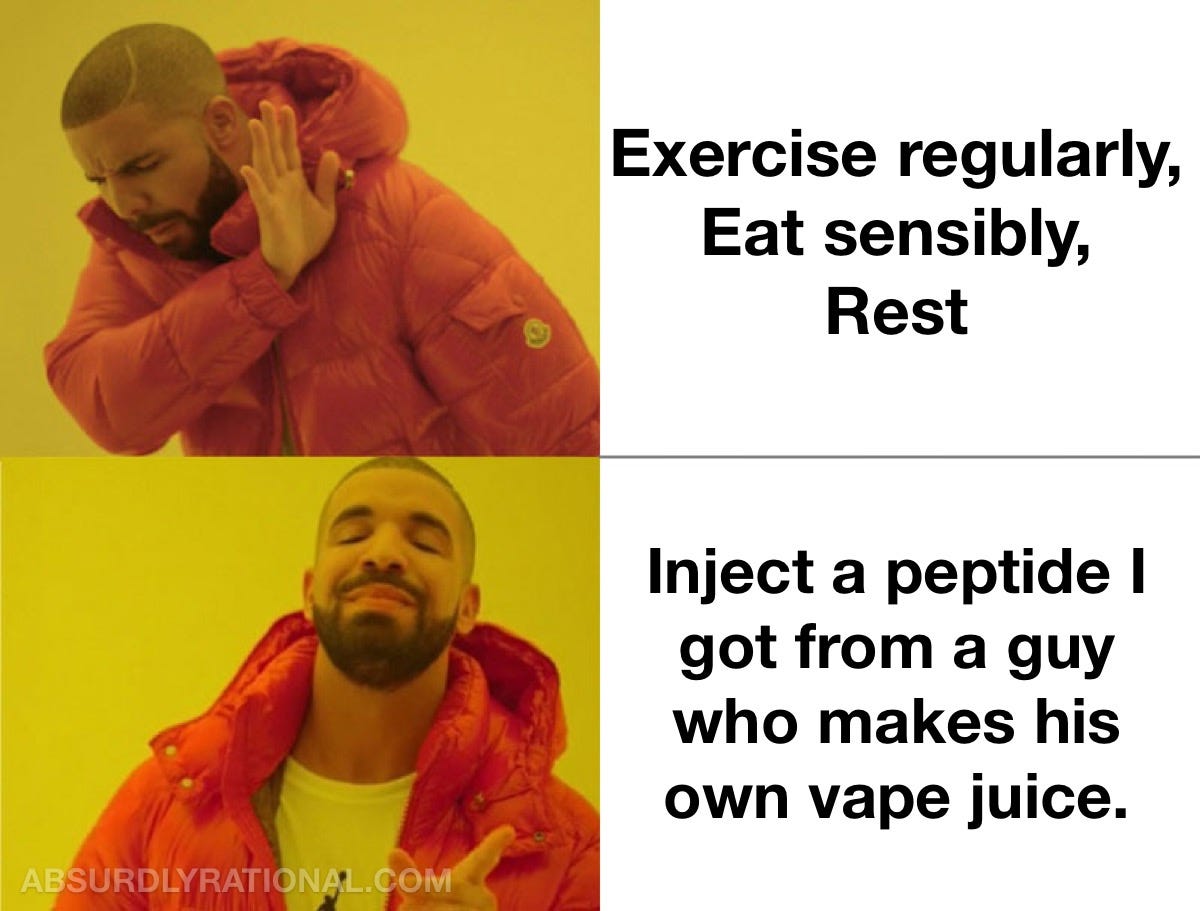
If you wouldn’t inject yourself with a hand-labeled syringe given to you by a back-alley stranger who assures you it is Ozempic, you probably shouldn’t inject any of these as well, because…
The quality control of gray-market peptides is extremely sketchy:
A systematic analysis of internet-sold peptides found purity as low as 5% of what you thought you were getting, and also discovered contamination with little things like inorganic arsenic and lead at ten times the limit of what might be considered “trace.” MAHA moms are worried about the color of their kids Skittles, but MAHA dads are out here injecting toxic metalloids and heavy metals to fight off limp dick. There is an even darker context to this when I discuss BPC-157 below.
Other studies corroborate these dangers, adding that gray-market peptides frequently contain the incorrect active ingredient. It’s easy to tell milk from orange juice from vodka in your refrigerator -but good luck holding a clear liquid up to the light to discern BPC-157 from MOTS-c without a mass spectrometer (this will set you back at least $400K).
Peptides with promising (but still entirely insufficient) legitimize evidence:
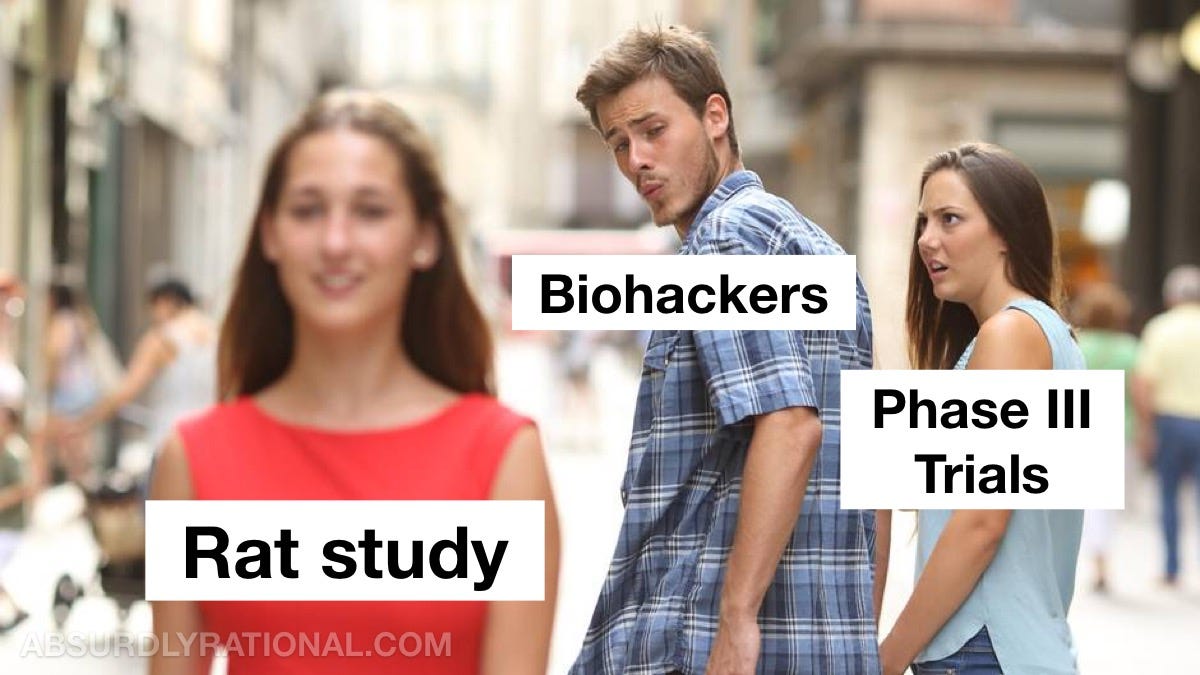
Disclaimer: “promising” is NOT “safe and effective” -that’s literally why they are “experimental.” What follows is a review of popular ones in preclinical or early-phase human research. While they may eventually be found to have safe therapeutic utility, NONE have come close to completing cursory -let alone rigorous testing, and as such you should NOT take them unless you are enrolled in a clinical trial. If you ignore my advice, remember that any improvement you experience may be just the placebo effect given your danger-ignoring levels of enthusiasm.
MOTS-c (Mitochondrial Open reading frame of the Twelve S rRNA type-c)
MOTS-c is a bit unique among the experimental peptides discussed here, because it is encoded by mitochondrial DNA, instead of nuclear DNA. It also has a strong preclinical case for fitness and treating metabolic syndrome in rodents… but even its co-discoverer agrees that you still shouldn’t take it as a supplement.
MOTS-c has been shown to prevent both age-dependent and diet-induced insulin resistance and obesity in mice, and for liver fibrosis in rats. In humans? Nothing established yet.
A phase 1b trial of a proprietary modification of MOTS-c (called CB-4211) has reportedly been completed. The study demonstrated that MOTS-c was safely tolerated by humans, and had positive effects on blood sugars, weight reduction, and markers for liver disease -but despite this announcement being 5 years old, it has not yet been published in peer-reviewed literature, let alone verified by other labs.
The modifications made to MOTS-c in order to make CB-4211 have not been publicly disclosed, and specific nature of the “improved pharmacokinetics” brought about by these modifications also remain unknown. Given that CB-4211 is still proprietary and the company that makes it has dissolved (be extremely skeptical if you see anyone selling it) -consumers of peptides cannot obtain it, and are stuck with regular old MOTS-c, which is likely to be very impractical:
Naturally occurring peptides are rapidly digested by the body, particularly if they are short. MOTS-c is both natural and short (16 amino acids, compare to 30 for GLP-1, and 51 for insulin), and as such almost certainly has a very short half-life of only minutes to a few hours (and just as Rome wasn’t built in a day, no one ever became skinny or nondiabetic in a day either).
Furthermore, the mechanism of action of MOTS-c (transient AMPK activation) requires sustained or frequent activity rather than just a short pulse to maintain downstream metabolic effects like enhanced glucose uptake, fatty acid oxidation, and mitochondrial biogenesis.
Therefore, any meaningful dosing regimen of MOTS-c (which has never been studied) is going to be at least an injection per day (or more) -a big commitment for most non-diabetics taking something for casual health maintenance or enhancement, instead of something you depend on to live, as diabetics depend on insulin. Practicality and context remain essential to success.
Interestingly, circulating levels of MOTS-c are well-understood to decline independently with aging and in type II diabetes, but the exact mechanism and significance of these phenomena are not yet fully understood. Thus unlike most other peptides, MOTS-c has some promise for being a testable marker for health or age, rather than use as a drug.
BPC-157 (Body Protection Compound, peptide fragment number 157)
So hot right now. I even considered trying it after a bad grappling injury. We are all fallible.
BPC-157 is a synthesized fragment of a larger peptide identified in the gastric juice of pigs and humans. Don’t let its vomitous origin gross you out though. Protamine (a legitimate peptide drug) originated from salmon semen, which you need as an antidote to heparin so that you don’t bleed out after heart or vascular surgery.
Animal studies of BPC-157 (mostly mice and rats) show positive results for tendon, ligament, muscle, bone, and nerve healing, as well as gastrointestinal protection (the latter of which is hypothesized to be its normal job in the body -but even that isn’t proven yet). The researchers state “LD1 not achieved,” which means they were unable to kill even 1% of their test subjects. Reassuring for fears of lethality, but not a resounding conclusion for effectiveness. Weekend warriors may be animals, but they are not mice or rats so this data cannot be directly extrapolated across species.
In fact, only one uncontrolled human case series exists for any sort of musculoskeletal use at all (the very thing BPC-157 is marketed for, both in and well outside of legitimate medical literature). This study was plagued with significant methodological flaws. Small sample size. No control group. No blinding. Subjective endpoints. No in-person follow up (they just called and asked how they were doing). Research of this quality is what most scientists would call: next-level dogshit.
While these incredibly weak results are still somewhat promising, there is an even more important caveat:
BPC-157 supposedly underwent an early human trial for ulcerative colitis and multiple sclerosis. I say supposedly because the vast majority of BPC 157 literature originates from just one Croatian research group (Sikiric et al., University of Zagreb), and the claims of clinical trial success are self-referential. They repetitively cite their own prior unpublished experiences rather than published reports of actual clinical trials. Their human trial for ulcerative colitis and multiple sclerosis? Never published, and yet Sikiric, et al. have mentioned it in many of their other studies… since 2006!
I mean… clinical trials are time consuming, but they don’t take 20 years to publish unless they are massive 20 year longitudinal studies (which these are not), and responsible scientists do not casually drop lines like “proven safe in clinical trials” when no such trial has been published as proof. Unless… they own patents on the peptides they are studying, and somehow forgot to include that conflict of interest in their published research. Big whoops.
Lastly, many gray-market BPC-157 formulations are sold as pills or capsules. This might treat stomach issues, but none of those expensive peptides will reach that aching knee intact. Peptides are incredibly ineffective when taken orally -they almost always have to be injected to work, because they are:
destroyed by the low pH of the stomach
easily broken down by digestive enzymes
remain poorly absorbed by the intestines if they make it that far, and
undergo additional extensive metabolism by the liver if they are absorbed
Those are bad odds.
Yes, I know that BPC-157 is unnaturally stable in gastric juice compared to other peptides -just as Bane was born in the dark, BPC-157 is born in gastric juice… but it still suffers from poor GI absorption and high hepatic metabolism just like others, rendering that unique stability much less useful.
<div class=”tenor-gif-embed” data-postid=”3456094” data-share-method=”host” data-aspect-ratio=”2.45098” data-width=”100%”><a href=”https://tenor.com/view/dark-knight-rises-batman-bane-you-merely-adopted-the-dark-i-was-born-in-it-gif-3456094”>Bane GIF</a>from <a href=”https://tenor.com/search/dark+knight+rises-gifs”>Dark Knight Rises GIFs</a></div> <script type=”text/javascript” async src=”https://tenor.com/embed.js”></script>
Yes, I know that semaglutide can be taken orally, but that’s only because of the all-natural-sounding absorption enhancer ironically named SNAC (sodium N-[8-(2-hydroxybenzoyl) amino] caprylate), which is not a peptide. Even with SNAC working its magic, the oral dose of semaglutide has to be 100-200 times higher than the injected dose for any of the peptide to survive and act. No one in the gray market is co-formulating BPC-157 with anything to purposely enhance absorption.
Do you know what does enhance intestinal absorption? Lead and arsenic, which in addition to being in gray market peptides, can independently create a “leaky gut” that loses its normal discrimination of what to absorb. The original SNAC -all-natural, but rather dangerous. It makes one wonder: were these substances accidental contaminants, or a cheaper, more diabolical co-formulation to see better peptide results at the expense of overall health? How would we ever know?
CJC-1295 (CJC = ConjuChem, the Montreal-based company that developed the peptide)
This synthetic GHRH analog is exciting, despite being yet another peptide with mostly mouse data. A phase I/II trial in healthy human adults demonstrated dose-dependent, 2- to 10-fold increases in Growth Hormone (GH) with a half-life of around a week (super impressive for a peptide). No serious adverse events were reported.
A single SC injection CJC-1295 produced increases in GH that can’t be matched by your body’s own hormone that specifically exists to increase GH (GHRH). With multiple weekly/biweekly doses, there was evidence of a cumulative effect.
Another study demonstrated that despite continuous GHRH receptor stimulation, pulsatile GH secretion was preserved, which is actually quite incredible as it suggests CJC-1295 may avoid the desensitization seen from non-physiologic continuous GH exposure (which is what short kids and bodybuilders on GH have to endure).
In GHRH knockout mice (which are just lab mice engineered so they can’t make GHRH themselves), daily CJC-1295 fully normalized body weight, length, and body composition, without suppressing pituitary function. The pituitary actually grew a bit abnormally, which is mechanistically concerning for adenoma formation -you don’t want a pituitary adenoma unless you dig brain surgery. Nonetheless, these are effects that even twice-daily injections of standard GHRH analogs cannot achieve.
Mostly super-cool, right? But remember -all of the published human data on CJC-1295 derives from just four early-phase trials (<100 people studied) conducted by the same sponsor -ConjuChem Biotechnologies which hasn’t had a press release since 2011, because it went bankrupt the year before. One of its human test subjects died of a heart attack in a CJC-1295 trial, but that was likely unrelated to the peptide. In any case, there has been no independent replication of their data to date. There have also been no phase III trials, no efficacy trials in disease, and no studies of long-term safety.
While CJC-1295 has an interesting future for further research, this is dangerously weak data to base a daily injection on, gainz or no. Bodybuilders love this peptide. So much so that the World Anti-Doping Agency banned its use. A fair decision because it likely manipulates GH and could give you an edge… or it could give you acromegaly and heart failure from chronic GH elevation, or several cancers because it rather reliably increases tumor-promoting IGF-1. Is prostate or breast cancer performance-enhancing for anything? I can never remember.
The irony here is that WADA banning a substance validates how effective it is in the minds of those who covet a shortcut to looking like the Incredible Hulk -but desire still isn’t evidence.
Semax (a Russian acronym for “seven amino acids.”)
If you search the scientific literature for peer-reviewed information on this ACTH 4-10 analog, you will find many studies of cultured rat brains. Semax enhances rat cognition by upregulating BDNF protein in the hippocampus, while simultaneously augmenting dopaminergic, serotonergic, and cholinergic neurotransmission. This preclinical data shows Semax may have broad neuroprotective effects, with some work suggesting potential for recovery from spinal cord injuries in female mice -which I suspect comprises none of my readers.
Clinical evidence for Semax presents a unique geographical dichotomy because human trials were conducted almost exclusively in Russian-language journals in the 1990’s-2000’s (after Soviet state-sponsored preclinical research in the 80’s), never indexed in shared databases, approved for clinical use in Russia and Ukraine in the late 90’s -where it is still widely used in medical practice.
In the West? Crickets (well technically, rodents. No one studies crickets as a human model for drugs). The original Russian trial methodologies, randomization procedures, blinding, and statistical analyses are not readily verifiable in modern literature. There are currently no registered trials on ClinicalTrials.gov and there is no FDA-reviewed data to speak of.
Weird, huh? Semax enjoys a substantial body of (unverified) Russian clinical experience in treating acute ischemic stroke and as a nootropic (memory-enhancing) agent, and the Russians have devoted the last 20 years to elucidating molecular mechanisms to refine and expand its uses to new indications, either directly of through analogues. They also sell it as a nasal spray, which isn’t the worst way to access the brain. Even the Chinese started getting in on the action last year.
Outside of the old Soviet sphere of influence, none of that human evidence has ever been validated through a rigorous, transparent clinical trial framework -despite the existence of robustly-explored Western preclinical mechanistic data.
So what’s the problem here? While I am loathe to ever say a conspiracy theorist is right, I have to concede to them on Semax. Not for any of the ridiculous depopulation or reptilian explanations that the fringiest of them might assert, but for pretty solid economic explanations.
The problem is money.
The cost of Western regulatory approval is enormous. Without exceptionally tight patent exclusivity, no pharmaceutical company has an incentive to invest $1–2 billion for FDA-compliant Phase I-III clinical trials. Fueling this issue, Semax is cheaper than many other peptides to synthesize and would be nearly impossible to protect from generic competition, making the corporate ROI as favorable as burning your money to stay warm in the winter. This is a well-recognized barrier for many promising compounds that lack commercial viability in the Western pharmaceutical model.
Am I suggesting state-sponsored medical research? Um… yes, because that’s the only way it will ever happen, and I can’t visualize a better use of my tax dollars than discovering a safe and effective pharmaceutical that my kid could build on his peptide printer. Even if such research turned out to be a dud, at least we would finally know for sure.
Elamipretide (aka SS-31 after its inventors Szeto and Schiller, and earlier in development aka MTP-131 and Bendavia)
Now FDA-approved for Barth syndrome as the drug Forzinity (again, the same molecule as SS-31), so it is no longer experimental for that specific indication… but the other stuff people hope that it can do remains a real problem.
SS-31 binds to cardiolipin, stabilizing mitochondrial structure and improving energy (ATP) production while reducing oxidative stress and clinical muscle weakness in Barth patients, who suffer primarily from a rare form of mitochondrial dysfunction. A game changer for the parents of children with a rare genetic disorder that has a high cardiac mortality in the first few years of life, but uncertainty remains even in this context given how small the sample sizes studied were (the disease is incredibly rare).
While SS-31 is proven to improve certain aspects of mitochondrial dysfunction, it has also been demonstrated not to further improve the function of normal mitochondria -like the mitochondria found in healthy peptide dabblers. This was well worth exploring, but it’s also rather plainly intuitive. Consider:
Vitamins treat deficincies, but taking more than you need doesn’t make you better (and often makes you worse by way of toxicity).
Antibiotics improve infections, but taking antibiotics when you don’t have an infection doesn’t improve you further.
Opiates improve comfort in severe pain, but taking narcotics in the absence of pain does not improve anything… not your driving, your employability, or your bowel function.
One would think that biohackers and influencers would absorb the straightforward principle that more isn’t always better, but they remain largely non-porous in many matters of reason. So it follows that they continue to also claim that SS-31 has the following additional properties that remain unproven or disproven:
❌ Anti-aging / longevity: easily the most prominent claim. When given SS-31, old mice demonstrated better cardio, increased resistance to fatigue, and pro-longevity changes in gene expression (although even in animals there were no detectable changes in epigenetic or transcriptomic biological age). A study of healthy older adults (60–85 yo) acutely elevated skeletal muscle mitochondrial ATP production capacity but did not improve fatigue resistance. Turning back the clock should be at least as noticeable to the participants as say… taking viagra or getting lip filler.
❌ Exercise performance and muscle function: SS-31 reversed age-related decline and improved athleticism in old mice. In clinical trials of primary mitochondrial myopathy, the phase 3 trial did not meet its primary endpoint of how far the participants could walk for 6 minutes, nor how fatigued they were.
❓Cardioprotection / heart failure: SS-31 improved cardiac function in dog and rat models of heart failure. In a small phase 1/2 human trial, a single high-dose infusion produced significant decreases in LV end-diastolic and end-systolic volumes in HFrEF patients, but larger clinical endpoints (mortality, rehospitalization, quality of life) have not shown significant improvement. This may have some potential, as these findings track with how SS-31 is believed to improve Barth syndrome, but these preclinical claims for benefits in the larger population of heart failure have not yet been validated in humans.
❓Neuroprotection: Preclinical studies suggest SS-31 reduces neuroinflammation, attenuates amyloid-β accumulation, and promotes neural survival pathways in models of neurodegeneration in mice, rats, and Petri dishes. There are no human studies.
❓Vision preservation (in age-related macular degeneration): In old mice, elamipretide reversed age-related visual acuity decline and normalized function within 2 months. In humans, it was less impressive but still somewhat promising. The phase 2 trial did not meet its primary endpoints (atrophy growth and low-luminance best-corrected visual acuity), but showed a 43% reduction in ellipsoid zone attenuation/loss, which is a surrogate for photoreceptor preservation. Cool! Phase 3 trials are ongoing.
❓Renal protection: Preclinical data suggest SS-31 improves kidney disease in mice, rats, and pigs by various mechanisms, but absolutely no clinical trial data exists.
Notice that there are no green checkboxes in that list? That wasn’t a formatting error. Unknown at best, known not to work at worst.
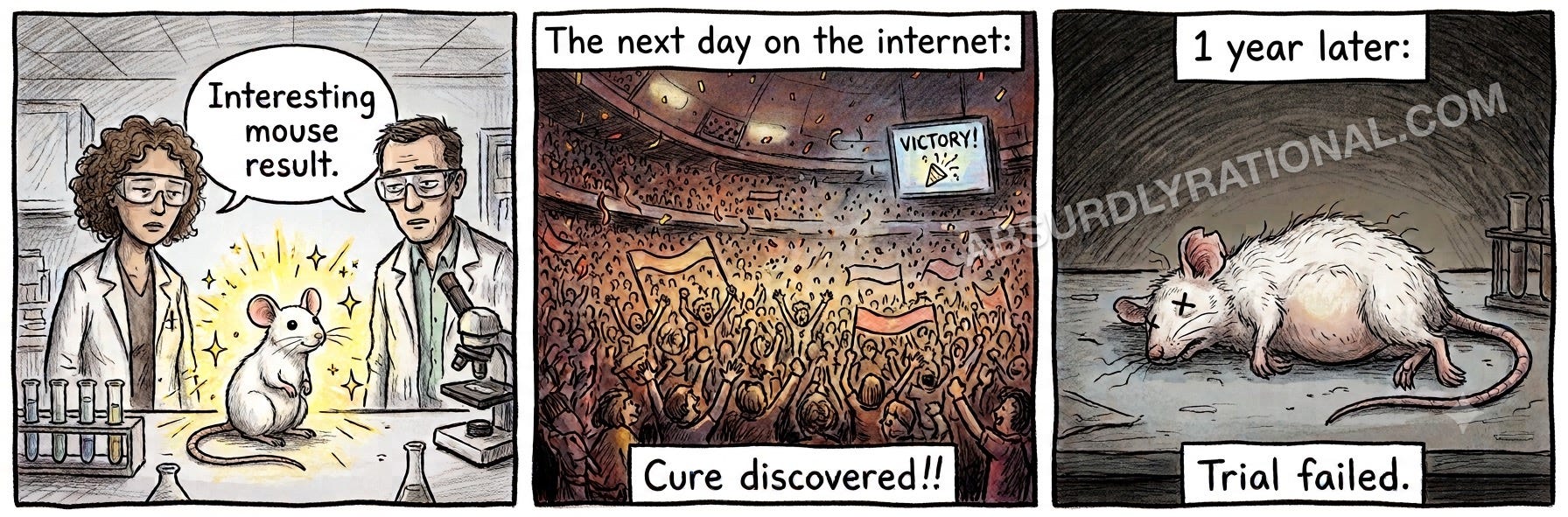
Epitalon (aka Epithalon or Epithalone. Named after the region of the brain that includes the pineal gland called the epithalamus)
A synthetic peptide based on epithalamin, which is a bovine pineal gland extract. There is a great movie about what happens when you mess with the pineal gland. I highly recommend it.
Epitalon is believed to activate telomerase, stimulate melatonin production by the pineal gland, and enhance antioxidant enzyme expression. From this preclinical knowledge, it has been speculated to enhance lifespan, restoration of sleep rhythms, and improve wound healing -particularly in degenerative retinal conditions.
Why am I being so vague? Nearly all published research originates from a single group led by Vladimir Khavinson in St. Petersburg, Russia. If you check out the reference section of this review article on Epitalon, you can see that 83 out of 125 papers are authored by Khavinson -which is highly unusual. I am not saying their work is good or bad, I am simply pointing out that it has never been indexed in a clinical trial registry, nor has much of it been replicated by anyone else.
Telomere length correlates negatively with aging, and much work has been done to investigate this potential key to immortality. Because of isolated evidence of telomere elongation (in Petri dishes, fruit flies, and rodents), Epitalon is widely promoted in the circle-jerk of anti-aging circles. True to form of such circles, no rigorous clinical trials exist to support those claims.
While claims about telomere elongation in living humans remain unvalidated, there is some decent evidence that it does elongate the telomeres of cancer cells better than normal ones. Call me overcautious, but I feel like enhancing cancer cells to live longer than healthy ones could be a really big fucking problem. Maybe we should, I don’t know… study it more before taking it?
DSIP (Delta Sleep-Inducing Peptide, aka Emideltide)
DSIP has a surprisingly extensive (though rather dated) research history. Unlike most gray-market peptides, it has been tested in multiple small human studies, mostly in the 1980s. These were conducted before modern clinical trial standards and as such, none were registered in contemporary trial databases.
It is a naturally occurring peptide first isolated from blood in a rabbit’s brain in 1977. Not sure what they were looking for in there, but it was an interesting find. An infusion had the ability to induce delta-wave (slow-wave) sleep in rabbits and other animals. It does cross the blood-brain barrier which means you are welcoming an unregulated, poorly-understood peptide into your only brain -food for thought.
A couple of very small trials by the same team (Tissot, et al) found that it was useful in treating alcohol and opiate withdrawal in the 80’s. I could not determine why this was not studied further, nor why this preliminary finding has been ignored by all of the dishonest boutique clinics that are giving it out as a hyper-expensive sleep aid. Probably because addicts don’t have much cash on hand to pay for trendy bullshit.
DSIP is hard to use for a number of reasons. First, the plasma half-life is extremely short: approximately ~4 minutes in dogs, ~3 minutes in monkeys, and ~2 minutes in rats. It lasts longest in brain tissue with a half-life of ~15 minutes. If you’re only getting one dose, that’s a lot of pressure to perform, sleepwise. If you are getting an infusion, it might work fine -but as an anesthesiologist, I find it disturbingly unnatural and dangerous to use an IV infusion to sleep at home. I mean, are you going to get an IV every night before bed? And who will turn off your infusion when you have to wake up in the morning? A The logistics are horrendous.
Secondly, DSIP has a U-shaped dose-response curve: both too little and too much are ineffective, with an optimal dose window somewhere in between. This is atypical for most pharmacological agents and complicates dosing, because we don’t really know how much variability there is from person to person on where the sweet spot is on that curve.
Despite decades of research, DSIP remains an unsolved mystery because: no gene encoding DSIP has ever been identified (so it’s probably a metabolic and/or post-translational product), and no specific receptor has been isolated (so its impossible to know exactly how it works). The conclusion of the 2006 review I just cited from the Journal of Neurochemistry concludes that the hypothesis of DSIP as a practical or effective sleep agent is:
“extremely poorly documented and still weak.”
This profound lack of evidence and staying power, coupled with a 50-year mystery of origin and purpose, hasn’t stopped DSIP from being sold at celebrity wellness clinics as if it was well-understood. It is not. Furthermore, there is zero evidence (even among rabbits and rats) for claims in influencer-space about DSIP enhancement of longevity or wound healing.
KPV (the one-letter symbols for Lysine, Proline, Valine)
KPV is a tripeptide fragment of α-melanocyte-stimulating hormone (α-MSH). It retains nearly all of α-MSH’s anti-inflammatory activity but lacks its pigmentary effect, making it an attractive candidate for anti-inflammatory therapy, and a poor one for tanning.
Like many other peptides, more is known about what KPV does than how it does it. For instance, we know that KPV inhibits NF-κB activation, suppresses inflammatory cytokines (IL-1, IL-6, TNF-α), upregulates IL-10, and inhibits inflammatory cell migration; and yet KPV does not bind to any known melanocortin receptor, and the signaling mechanism to exert its effects also remains unknown and at least partially independent of melanocortin receptors.
Adding to a lack of basic science understanding, no human clinical trials have been published for KPV. The entire evidence base is in vitro and animal studies. Despite this, it remains widely promoted for theoretical treatment of IBD, gut health, skin inflammation, and aging, but such promotion leaves out that it is all theoretical.
KPV’s small size, stability, and low production cost, make it theoretically suitable for clinical development, but none of that development has occurred yet, and is unlikely to for the same reasons I stated for Semax.
TB-500 (short for Thymosin beta-4 500. Maybe)
TB-500 is a synthetic fragment of its naturally occurring parent compound, Thymosin beta 4 (Tβ4). Since TB-500 is way easier to make than Tβ4, guess what you get from the gray market? Only the cheapest for chumps willing to pay top dollar.
The TB-500 fragment is responsible for effecting actin binding, cell migration, and wound healing. Full-length Tβ4 has additional domains for anti-inflammatory and anti-apoptotic/cytoprotective activities. TB-500 is therefore incapable of replicating all of Tβ4’s biological activities but you would never know that when reading the marketing claims.
There is human clinical trial data for full-length Tβ4, but none for TB-500 -which is most of what is sold. Full-length Tβ4 has been demonstrated in humans to improve dry eyes and heal corneal wounds, and to accelerate healing of chronic skin wounds like pressure ulcers or the lesions of epidermolysis bullosa (if you don’t know what this is, then you don’t have it). Animal models unsurprisingly show even better and broader results, but these are still early clinical findings on molecule that is about 5 times larger than the one your chiropractor wants to sell you. You can’t safely assume it will be as effective -or even effective at all.
TB-500 remains heavily promoted for sports injury recovery and performance enhancement. Both Tβ4 and TB-500 are also prohibited by WADA, despite the latter having no proof of doing the things that the former does. But it sells well, and thus, ignorance has never been more blissful.
You know what isn’t blissful? Cancer. Increased Tβ4 expression has been associated with worsened clinical outcomes in some tumors. This makes perfect sense, because BOTH Tβ4 and TB-500 promote cell migration, which is what exactly cancer cells need to do to become metastatic. Kind of a bummer that the cheaper formulation includes that part. It’s almost like rushing into taking these substances is a massive lapse in judgement that will be studied for generations to come.
So we shouldn’t use this stuff yet, right?
Obviously, experimental peptides deserve a great deal of further study -but there is no reason to take them right now unless you are suffering from a terminal illness and feel you have little to lose by self-experimentation with anything from untested peptides to hard street drugs. Technically aging itself is a terminal illness, but it may take 80 years or more to kill you -so don’t pretend that longevity is a good reason to partake. It’s not. But if you’re dying of something more urgent, like cancer, or other conditions that arrange an appointment with the great beyond in 5 years or less, maybe untested, low-quality, poorly-understood molecular messengers are right for you!
And the Secretary of Health also agrees we shouldn’t take these?
That would be a big fat NO. RFK Jr. is no fan of evidence -he’s just a fan of peptides.
Kennedy proposes making the following peptides available for compounding:
BPC-157, TB-500, MOTS-c, Semax, KPV, Epitalon, and Emideltide.
To do this, he purposely manipulated memberships on the FDA Pharmacy Compounding Advisory Committee (formerly composed of non-conflicted independent academics and researchers), replacing them with influencers, pseudoscientists, boutique health providers, and compounding pharmacy owners who are all also fans of peptides (fandom is not a scientific argument), thus creating the exact industry conflict of interests he promised to eliminate. Top-tier hypocrisy.
At least half of the new committee members have direct financial ties to peptide businesses or clinics:
Dr. Haleem Mohammed runs a national chain selling peptide injections
Dr. Gabriel Alizaidy charges $500 for private peptide and hormone consultations.
Tennessee State Senator Bobby Harshbarger, works for his family’s compounding pharmacy business. Interestingly his dad, Robert Harshbarger Jr., pleaded guilty to substituting cheaper unapproved Chinese drugs for the normal ones dialysis patients needed. He was stripped of his pharmacy license and served time in prison, but was granted a pardon by President Trump because his wife (Representative Diane Harshbarger R-TN) spoke in support of Trump over his hush-money pornstar trial (if this was fiction, it would be panned for being too unbelievable).
There is more evidence for damning conflict of interest within this committee than there is clinical trial data for the peptides they seek to distribute.
Bro! What about peptide STACKS? Why aren’t you covering that, since that’s how most boutiques give it out?
Believe it or not, Stacks aren’t a medical thing. The term was coined by bodybuilders in the 70’s who were combining (or stacking) different illegal anabolic steroids and stimulants. It is comical this was adopted by high-end medical spas, because it’s like seeing your pulmonologist run an ad that states:
“Yo, it’s ya boy here -10 toes down, 2 lungs up! I’m the plug to re-up on albuterol and Qvar to toke out when bronchospasm has you going through it! My prednisone? GOATED. Come get the hookup!”
But for whatever reason, no one noticed that street-drug vernacular was creeping into the very popular gray areas of mainstream medicine. Professionally -it’s deeply embarrassing. But cynically? it’s hilarious.
I’m not going to get into the specifics of stacks -standard or personalized because:
I would have to write a book to cover the endless permutations of combinations, and importantly,
It’s totally unnecessary, because the number of studies of any kind on stacking peptides in this manner in humans or animals is zero.
Think about it this way: if we know very little about the origin, mechanism of action, effectiveness, or safety of SINGLE peptides, why assume that adding such diverse unknowns together would lead to anything beneficial?
This is blindly idiotic optimism, because multiplication of unknowns is understood to propagate errors that scale exponentially instead of just linearly. This leads to cascading failures -which is problematic when the cascade occurs in you, or perhaps in your athletic, teenaged child looking for a shortcut to the top of a sport that will never matter again after they turn 19.
The dimmest contrarians will snarkily assert that people are already getting these stacks and are doing just fine. But are they though?
Is anyone even studying these participants? Fuck no. They are the mildly-affluent subjects of profiteering, and those who are doing the profiting only want 5-star reviews for drug delivery! They are not monitoring anything, and they will yeet you into a tertiary-care medical center the moment something weird and terrible manifests. Med spas don’t treat acromegaly, adrenal failure, or cancer.
Will we even know right away? Unlikely. It takes months to manifest symptoms of many hormonal derangements, years to build sustainable cancers, and decades of protein misfolding to develop Alzheimer’s. It also takes a robust monitoring framework to causatively correlate problems that unfold over long periods of time -which doesn’t currently exist for peptide use.
Cascading errors in chemistry and engineering are often explosive and nearly immediate. Biology takes its time simmering catastrophe to perfection over extremely long periods of time, obscuring what got the ball rolling that rolled over some over-enthusiastic rube. With enough time and ignorance, something preventably tragic looks like ordinary bad luck.
What’s the rush? Desire. Ambitious ideology. Greed. A smattering of geopolitical weirdness. It’s as simple as that. All of these peptides deserve further, extensive study -not wider access to consumers.
caveat emptor
Next episode: tasting the colors of the hallucinogenic rainbow
No posts
Comments
Nothing yet. Say the first thing.
Sign in to join the conversation.