
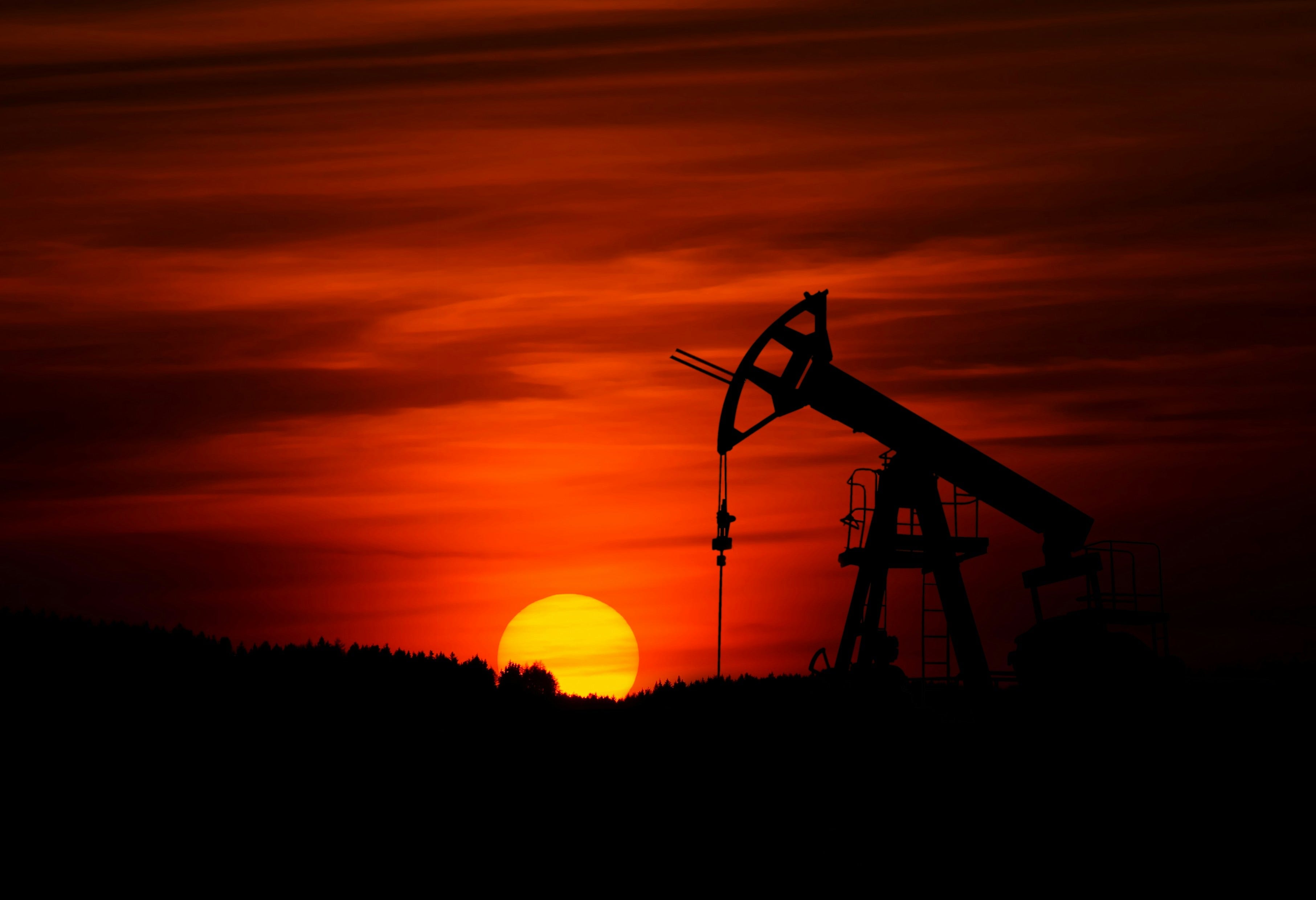
On February 28, 2026, Donald Trump unilaterally started a war with Iran after Israel coerced him into doing so. Iran used the cards it has and closed off the Strait of Hormuz, through which 25% of the world’s seaborne oil is shipped and 20% of the world’s liquified natural gas is shipped. Even though Wall Street initially doubted that this would be a long war, financial markets around the world have come to the conclusion that Trump is now in a box and doesn’t know how to end the war, with Iran believing that they are actually winning the war and are acting accordingly. Financial markets, then, are in a state of extreme volatility, with the US price of oil up by almost 50% and the global (Brent crude) price up by $30 per barrel. Not helping is the fact that Trump continues to announce agreements with the Iranians that have not come to fruition, so at the time you read this, the prices cited above may no longer be accurate.
Markets, however, are reactive, not progressive, price-making machines. The price of oil today is determined far more by uncertainty in the world’s energy markets than by the actual constraint in the supply of oil. That is to say, if markets were exceptional at determining the “true” price of oil, then we would expect an increase in the price of oil that broadly mirrors the decrease in the supply of oil, or about 20%. Instead, the price of oil is driven by greed, fear, and uncertainty about what crazy thing Trump or Israel will do next to pour gas on the fire. Oil companies profit while we’re stuck paying the bill, regardless of which factor is driving the price at the moment.
This Substack is reader-supported. To receive new posts and support our work, consider becoming a free or paid subscriber.
It must also be said that today, financial markets and product markets are not matching up with each other, which is itself a failure of traditional neoliberal economic analysis. The neoliberal approach would dictate that the “financialized” price will converge onto the “real” price by the date of sale of the tangible product, but that is not happening. That means that the price that actually matters—the price that the state of New Mexico skims off the top of—is probably not the one that you see in the media, but the “spot price”, or what refiners are actually paying to companies that take oil out of the ground.
New Mexico is an oil-producing state, and unlike most other oil-producing states in the US, we skim off the top of what is produced in New Mexico and channel it back into domestic priorities. That has turned into a $71 billion sovereign wealth fund whose mission is to “preserve, diversify, provide transparency, and grow the assets placed under management to enrich lives of all New Mexicans.” New Mexico currently collects a roughly 8% total tax on oil, depending on its price, and much of that is funneled into our sovereign wealth fund. But when 20% of the world’s oil is suddenly cut off, New Mexican oil looks a lot more attractive, and that’s reflected in the American price of oil. This also makes the oil market less competitive, which is to say that people who are looking to purchase oil at wholesale suddenly also have less options available. In that spirit, it makes a lot of sense for New Mexico to raise taxes on oil because we have greater leverage over the oil market, at least for the time being. We would then not only be reaping the benefits of higher oil prices but also be able to capitalize on higher taxation of it. Realistically, New Mexico raising taxes on oil would not have a grand effect on the price of oil here or elsewhere. The bulk change in the price of oil is due to the recklessness that is Israeli foreign policy and the ease with which one can manipulate Trump into a desired outcome, not from what one state halfway around the world decides to do with its taxation policy.
To be clear, the United States should not be in the business of launching meritless wars simply because the price of oil will jump. And make no mistake, Trump’s and Israel’s war in Iran is unjust and unpopular, and this piece is by no means an endorsement of Trump’s haphazard foreign policy agenda. But it is to say that state legislators should not look a gift horse in the mouth.
A significant chunk of New Mexico’s 2026 Legislative Session was spent arguing around how to fund our state’s universal childcare (alongside the rest of the budget), with Governor Lujan-Grisham arguing in favor of complete universality in the program and parts of the Legislature arguing for means testing so that wealthy families would pay into the program. A massive part of this debate was around the price of oil, because oil royalties are paying for universal childcare. But long-term, it is expected that demand for oil, and by extension price, will decrease as the world moves towards more efficient and sustainable energy sources. What’s hard to anticipate is the oil supply shock that the state was just gifted. Especially when so much of the state’s population will struggle because of the rise in the cost of living tied to Trump’s war in Iran, it makes sense for the state to take the money it gains from the war and pump it right back into helping our own people, and preferably in ways that minimize the cost of the oil shock in their own lives.
There are many different ways that the State of New Mexico could utilize its windfall. This inaugural editorial is setting the table for the in-depth exploration of how the State can spend the expected incoming funds, maximize its revenue, and improve the lives of its residents during a global economic crisis. With its radical investments in childcare, education, and infrastructure, New Mexico has demonstrated that it is possible for government to put its residents first and that all of society can reap the benefits, not just the very wealthy. New Mexico now has the prime opportunity to show it can do so again.
This Substack is reader-supported. To receive new posts and support our work, consider becoming a free or paid subscriber.
Comments
Nothing yet. Say the first thing.
Sign in to join the conversation.