

When Tiffany Alexandria moved to Rochester, Minnesota from Taiwan around 8 years ago with her husband, Sean, she found herself needing to educate her new community about Taiwanese food culture. “Most times when I tell people I’m Taiwanese in Rochester, they’re like, oh, I love pad thai!” she says. “I was like okay, we need to address this.”
What started as a recipe blog became local cooking classes and demos, which sold out quickly, and Tiffany found herself reaching a ceiling on what she wanted to accomplish with each in-person session. “In-person events have their limits. I’m trying to control everything, and there’s two hours but so much about dumplings that I want to teach people about,” she says. “So many more tips and tricks and fillings and different ways to fold.”
Above the Fold is a reader-supported publication. To receive new posts and support my work, consider becoming a free or paid subscriber.
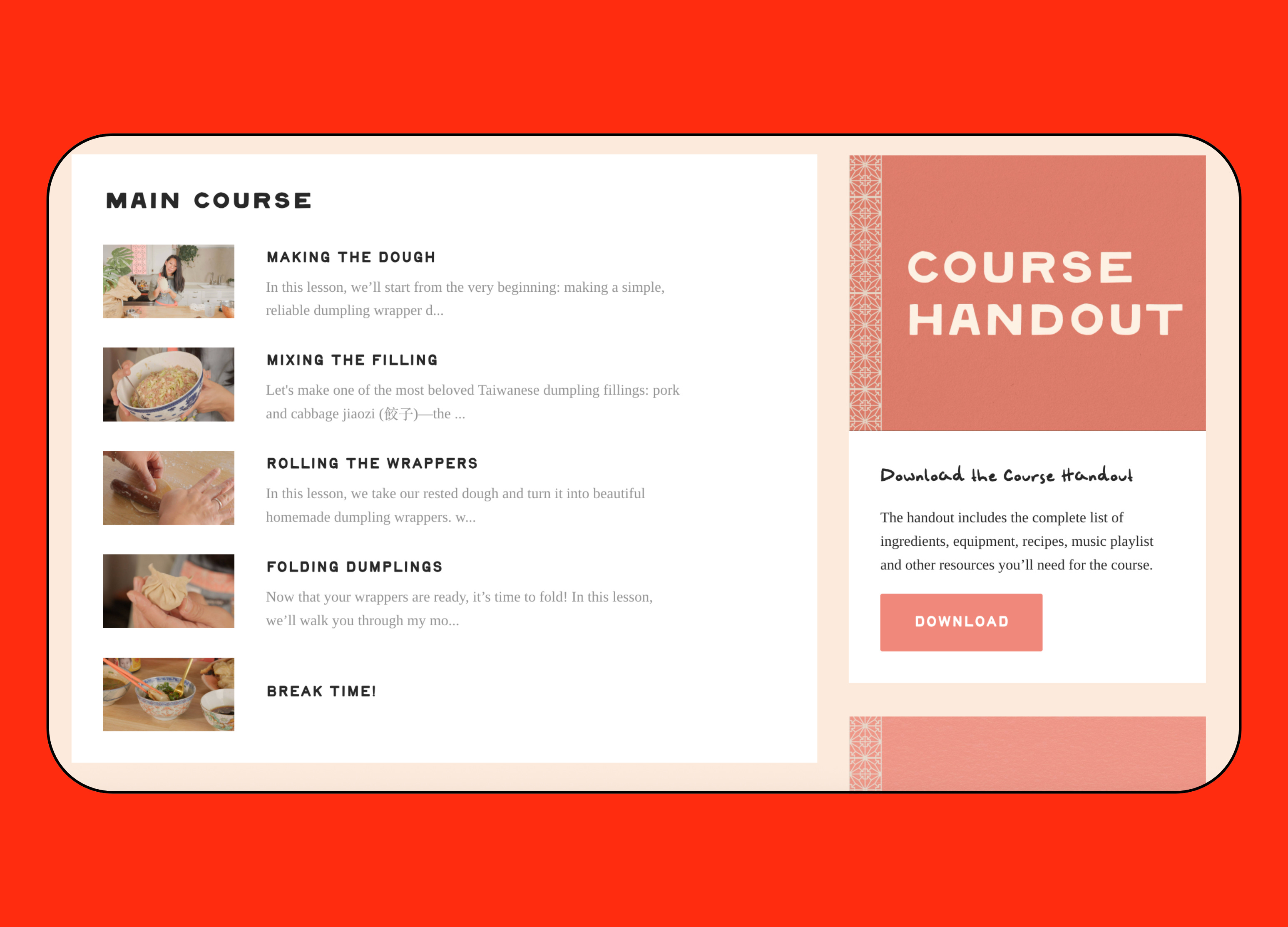
So, in partnership with Sean (her “videographer, sous chef, and number and stat guy”), she developed her own online cooking course called The Dumpling Club, which launched in late December. The course is ambitious, aiming to pack in Tiffany’s lifetime of accumulated and carefully honed dumpling knowledge and techniques, all thoughtfully aimed at those just starting out (up through intermediate). “People can access it from anywhere in the world and do it in their own kitchen with people they love,” she says.
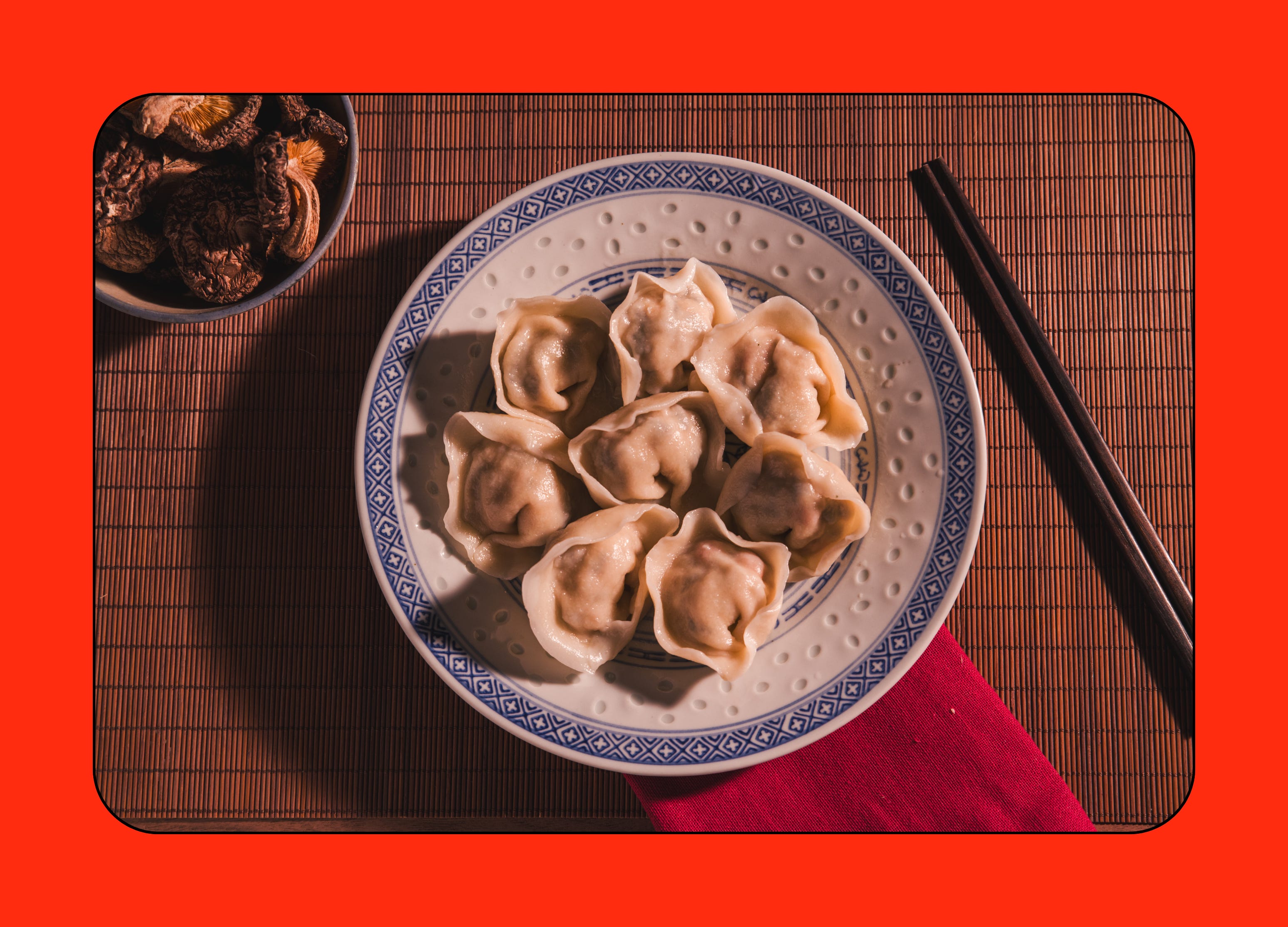
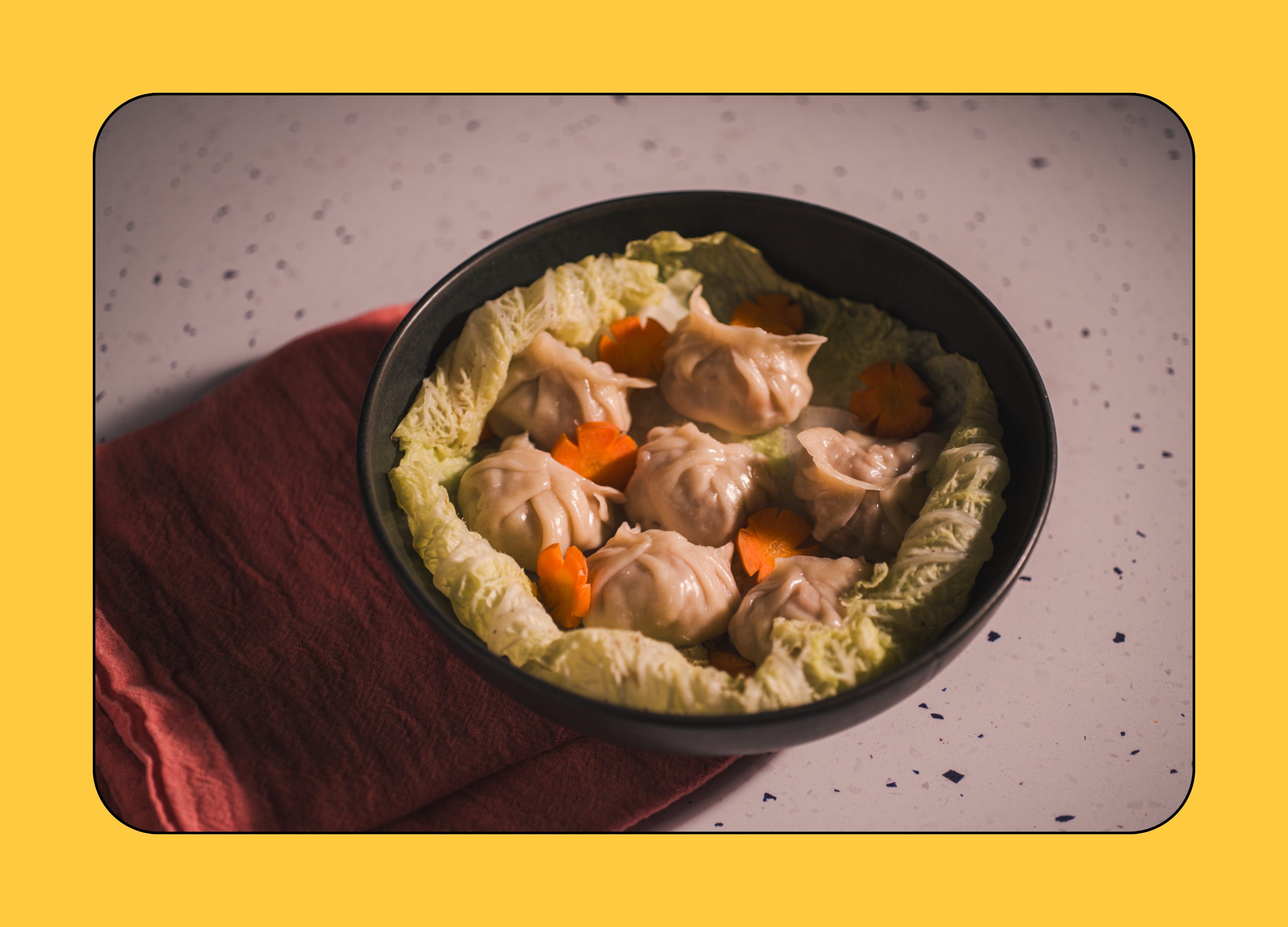
For Lunar New Year, which kicks off today, Tiffany collaborated with Williamsburg, Brooklyn-based Taiwanese pantry Yun Hai (which also has a glorious online store, and excellent newsletter) on a “cookbooklet” packed with dumpling recipes inspired by classic Taiwanese dishes like fly’s head (pork and chive stir fry) and gu gu chicken soup. The cookbooklet will be tucked into orders of Yun Hai’s curated dumpling kits, which contain ingredients you need to create Tiffany’s creative recipes with top quality Taiwanese ingredients.
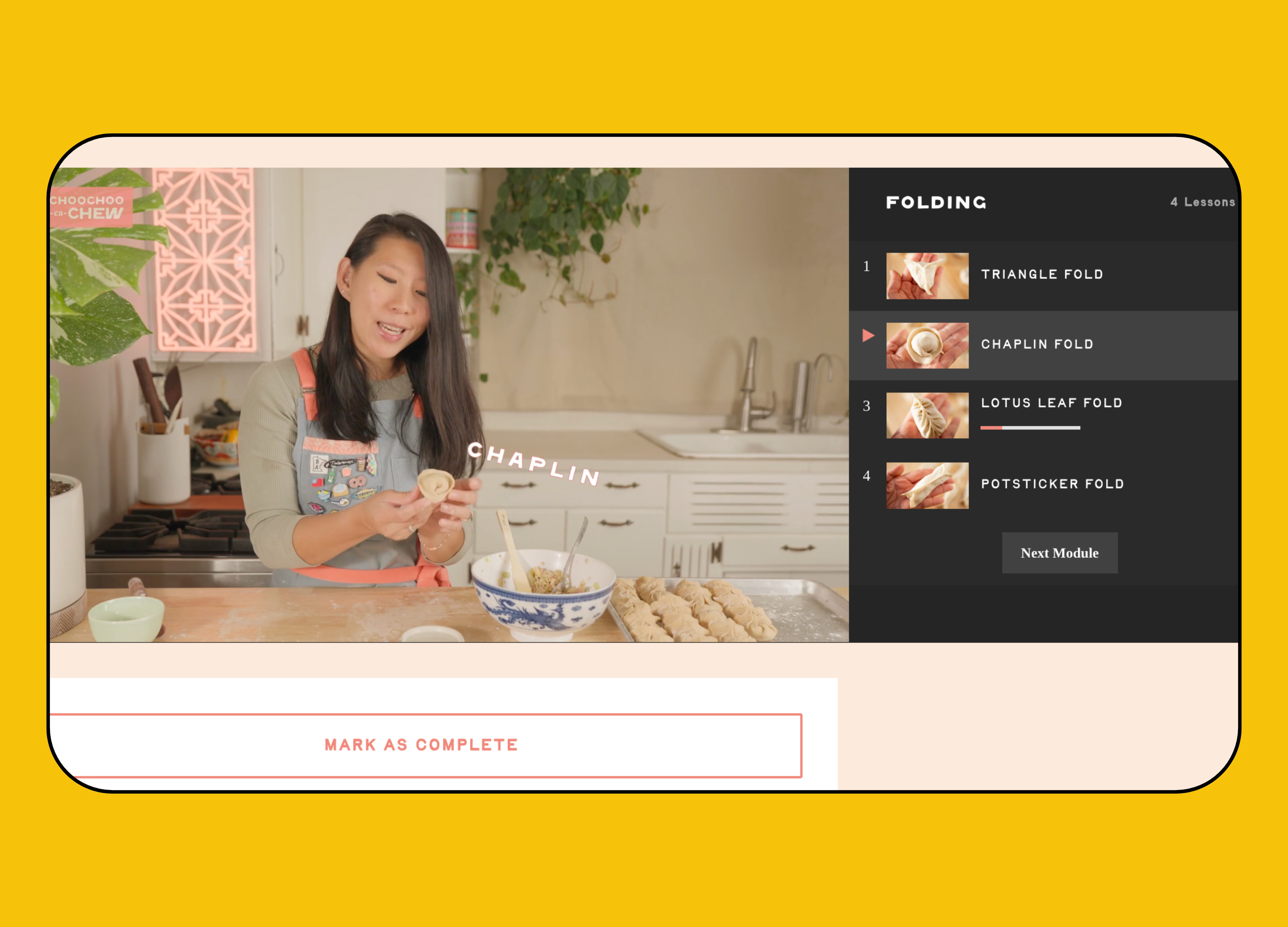
Ahead, learn more about Tiffany’s culinary background, course, and unique approach to recipe creation. And if reading this leaves you wanting to make your own dumplings, you are in luck— she was generous enough to offer Above the Fold readers a 10% discount, with the code ABOVETHEFOLD. (Think of the price in “teach a man to fish” terms— for the price of a meal out with a crew, you’ll accrue craft skills that will last a lifetime.)
LEAH: When were dumplings first a part of your life? On your website, it mentioned you learned to make them at age four.
TIFFANY: According to my mom, it was actually my grandma who started the dumpling tradition—my grandma from my dad’s side is originally from Beijing and the Shandong area. That was part of her tradition to eat dumplings for the Lunar New Year. My mom learned to prep them because of my grandmother. She liked giving me tasks just to keep me occupied and busy. She would teach me how to fold and that was probably my earliest memory for dumpling-making.
And when I got bored of trying to fold dumplings, she would just give me flour and water dough as Play-Doh and just let me do whatever I want with it.
When were dumplings first part of your life where the agency came from you, and you actively wanted to make them yourself?
It became such a big part of the Lunar New Year tradition. My mom is still very much the person who’s in charge and prepping that, but it became something I would help her do, because it was really nice to connect and catch up—especially after I moved to college. I studied in Taipei; my hometown is in Taoyuan.
The first time that I felt like I was in charge and wanted to make them is when I moved to the States, to Rochester, Minnesota, a little town where nobody really does dumplings. Not going home for Lunar New Year the first year, it felt kind of weird, like what am I supposed to do? Do I celebrate on my own? So it became an activity with my friends and chosen family in Rochester.
When you decided to carry the tradition forward yourself, were you already confident in your skill, or is this when you started to really hone the skillset you have today?
I was really confident in folding—folding was never a problem because I started so young, but it was a little bit of trial and error with wrappers because in Taiwan you literally just go to a noodle shop where their specialty is making noodles and really fresh dumping wrappers.
But here in America, at least in Rochester, most of the dumpling wrappers are in the frozen aisle and you have to pick out which one would work. And all of the labelings are honestly, even to this day, confusing. They’re manufactured somewhere else and frozen, and sometimes they’ve been in the freezer for a long time and the quality isn’t as good.
So that’s when I actually started learning that skillset of how to roll and make my own dumpling wrappers. Being in Minnesota made this extra tricky. I don’t know if it’s the same problem across the US, but here in the summer it’s super humid and the winter is super dry, and the temperature difference changes the flour a lot. In the summer it’s so humid you actually need less water. And then in the winter the dough needs higher hydration and a warmer temp for the water to get the dough just right. In Taiwan, the humidity mostly stays the same.
I would love to hear about the genesis of The Dumpling Club course. What were you doing before that led you to the moment of, this needs to exist?
I’ve been trying a lot of different things since moving to Rochester because my background’s in fashion design and visual merchandising. Rochester is a smaller town and those opportunities didn’t exist for me, so I had to figure something else out.
I started a blog, but I realized that people won’t search for things they’ve never tasted before, right? So I needed to start creating experiences and introducing people to food and talking to them in person to get them interested. I started doing more events, like pop-up dinners and demos.
We got invited to do a dumpling cooking class by a local coffee shop—the owner used to live in Beijing and Taipei for a little bit. He suggested doing something for the Lunar New Year. Every class we did sold out super fast. Obviously people wanted the experience and wanted to try to make dumplings. But in-person events also have their limits.
So I thought about creating an online course, where I can fit in a lot more information, that people can access from anywhere in the world and do it in their own kitchen with people they love. They could create that connected experience that I remembered, that I had with my mom. So that’s how it was born.
What do you think makes Taiwanese dumplings particularly special and unique?I’ve been thinking about that a lot. Taiwanese dumplings have this warmth to it. Obviously because I’m from Taiwan, it feels like home to me, right? But there’s something about Taiwanese dumplings—the wrapper’s a bit more slippery, and more bouncy, and the filling is super juicy. We like our texture to be QQ, with a soft, chewy, bouncy texture.
And they revolve around fresh ingredients—the fresher the better. Taiwanese cabbage is used in so many dumplings because it’s sweet, it’s crunchy, it’s delicious. There’s really no other green cabbage like a Taiwanese cabbage. When I first moved toMinnesota, I had thought all green cabbages would be kind of the same. And then I learned I was really wrong. The ones grown here are so thick and fibrous.

I’ve noticed that you take classic Taiwanese dishes—like lion’s head meatballs and three-cup chicken—and sort of retrofit them into dumplings. I’m curious about your ideation process when you’re thinking about flavors, and how they can best be interpreted in dumpling form.
When I first started this journey, I wanted everything to be really traditional because I was afraid that people were going to get confused. In the beginning I wanted people to have the exact experience they would have if they were to go to Taiwan and order a plate of dumplings right now.
But I now think dumplings are a vehicle for flavors and stories that I want to tell. I originally never wanted to do just dumplings—sticking to one thing is super hard for me. But dumplings have sparked so many conversations here in America, so they became a really good stepping stone for people to understand Taiwanese flavors.
So I started taking dishes that remind me of my mother, and dissected the flavors to see how I could incorporate them into a dumpling. Sometimes what is lacking is texture—for example, a lion’s head meatball is usually deep-fried before being stewed, so you lose a little bit of that. But if you pan-fry the dumpling, you can get that flavor and texture combined.
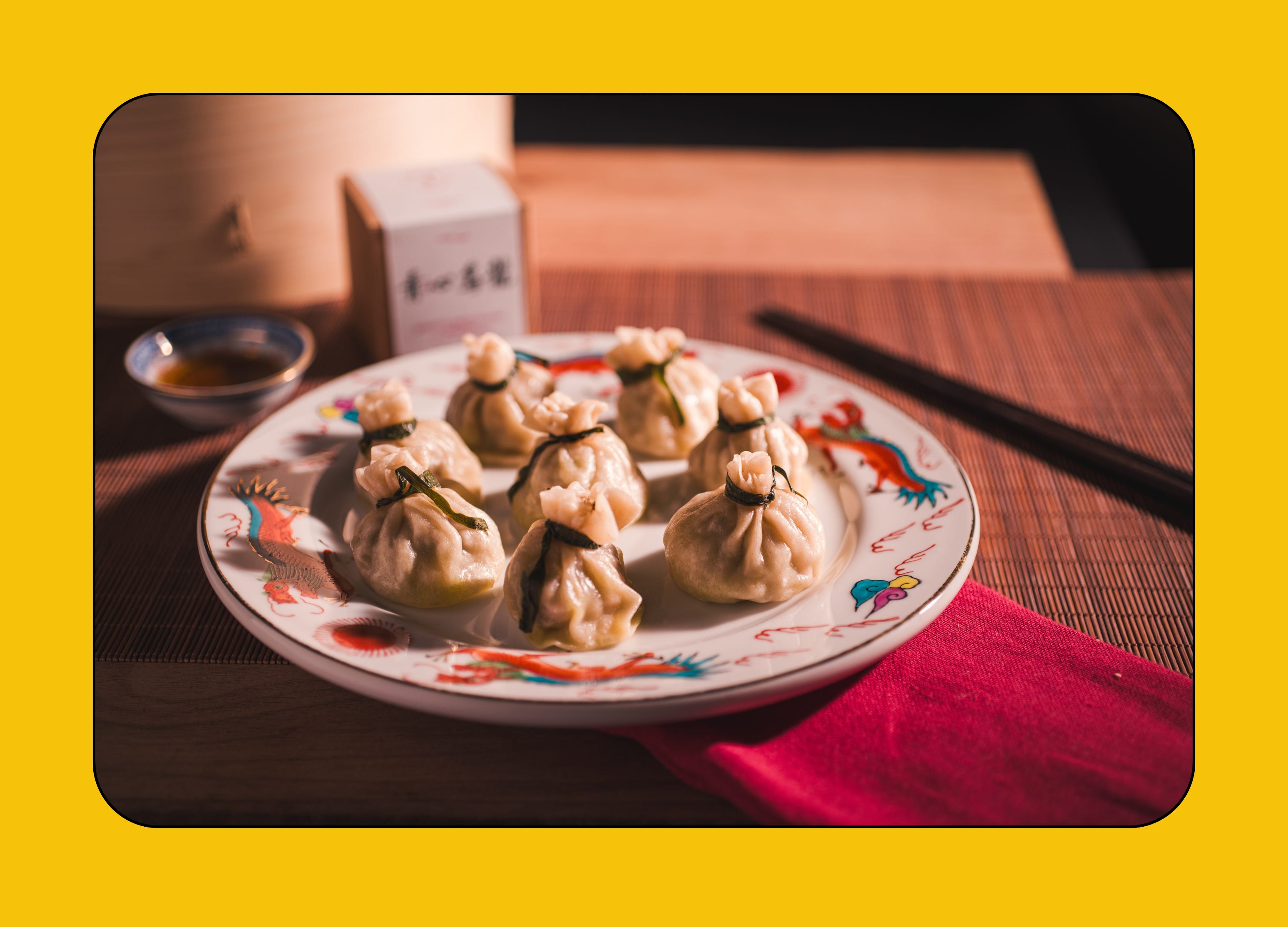
Then people can learn the stories of the original dish in the dumplings they love, and maybe be interested enough to explore beyond that.
Can you tell me a bit about the cookbooklet with Yun Hai, and how that came together?
When I started The Dumpling Club course, I made a resolution to do more collaborations, and so much of what they have fits into a dumpling. Soy sauce, sesame oil—they’re the perfect choice for what I need, with high quality ingredients. So I reached out. They wanted to do a booklet for dumplings for the Lunar New Year, and I went on their website to look at everything they have available, and decided on a few really classic, homey dishes inspired by their ingredients. I created six different dumpling fillings.
Not to make you play favorites, but are there any that you’re particularly proud of?
I think the oolong shrimp one is a bit more unexpected, since it uses tea as a flavoring agent. There’s also shrimp in it, so it’s a lot of textures and flavors in a little dumpling.
Above the Fold was created by Leah Mennies
Above the Fold is a reader-supported publication. To receive new posts and support my work, consider becoming a free or paid subscriber.
Comments
Nothing yet. Say the first thing.
Sign in to join the conversation.