
Hello! It’s been a few weeks since I relaunched, and the Make It series is going strong (even though I’ve filmed more BTS videos than I can humanly edit and post, lol. Stay tuned as they roll out.) These emails are a complementary way to keep you in the loop. Each week (on Wednesday, which is my unofficial day off, hence the title), I’ll drop in your inbox with the latest video and what’s going on in the world of creativity. I’m excited! So without further ado…
- Morgan
And more…
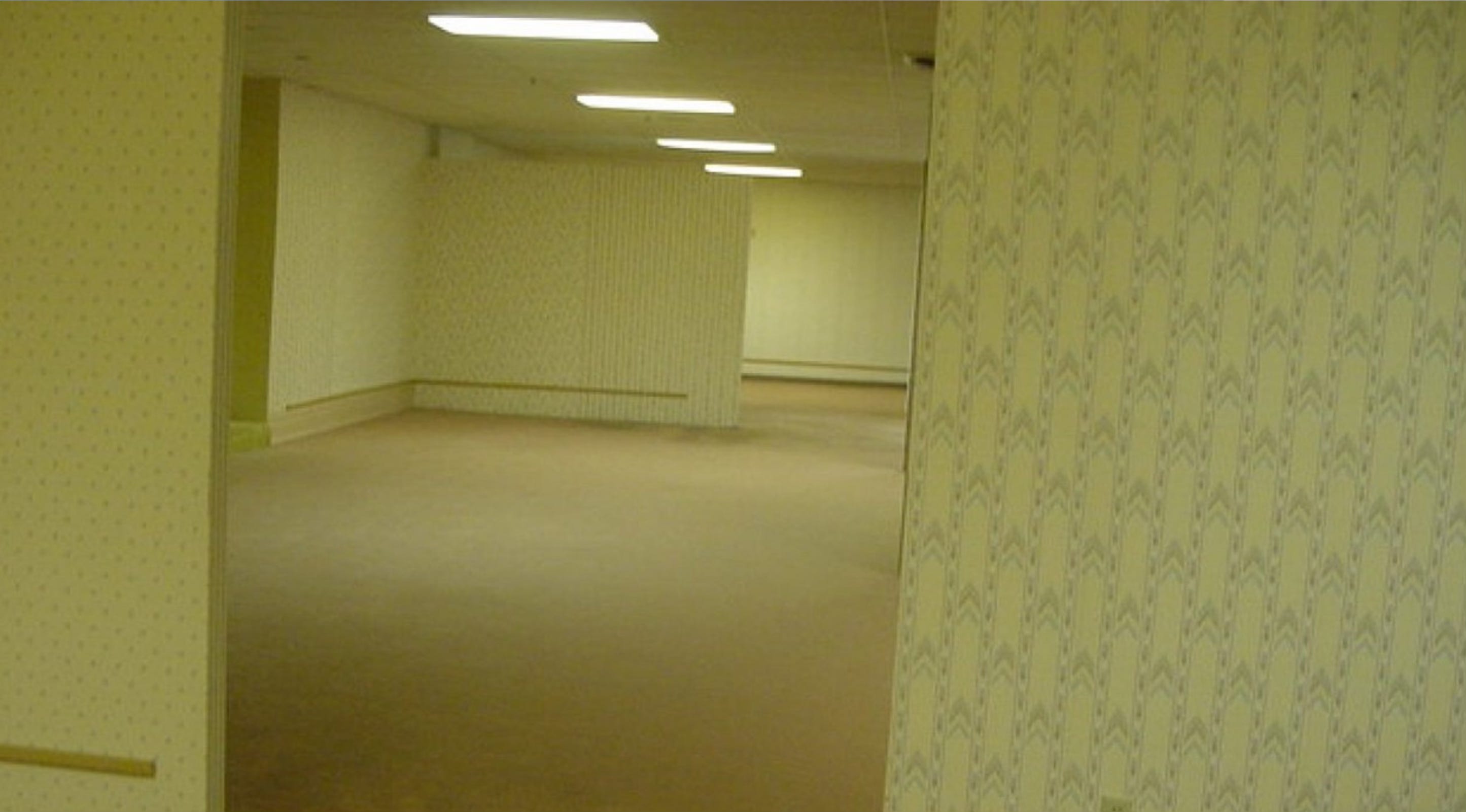
Obsession broke a box office record last set by E.T. in 1982.1 That’s major. Like many, I’ve been fascinated by the success of both Obsession and Backrooms, respectively. The director’s grassroot YouTube origins are inspiring (and also a spark to my feminist rage). But I recently read this article in IndieWire about the idea of “compression” that got me wondering… How much has marketing played a role?
Compression, as defined by the article’s author Dana Harris-Bridson, is “the craft of concentrating audience attention into a window short enough to make something feel essential.” They named this concept the “invisible force” behind these films’ success.
It reminds me of Hannah Gadsby’s explanation of comedy: building tension and releasing it. Harris-Bridson goes on to elaborate on the compression of Backrooms, Obsession, and also Issa Rae’s work and new vertical series, saying they have built up pressure over the years. Which was massively released via ticket sales when the two films hit theaters.
The concentration of attention, both organic and engineered, as the article points out, is central to marketing and begs the question of whether it’s the art of the actual product or the art of marketing that should take credit.
Like the philosophical riddle poses: If a tree falls in a forest and no one is around to hear it, does it make a sound?
The point of this isn’t to discredit years of hard work and natural talent. But it raises the concern of how opportunity is distributed when articles like this shine a harsh light on the possibility that talent isn’t always enough.
So, to get a seat at the same table as, say, Blumhouse, is the real art we need to be learning that of gathering attention?

Celebrities? Award-winning films? Top marketers? Nope, my association with Cannes, France will always be tied to this random man who corrected my “incorrect” (ahem, American) pronunciation at a bookstore back in middle school when I was researching a paper.2 “It’s pronounced kaaaaaaan, not can,” he said. Well, guess what? Lots of people at Cannes Lions are saying it my way.
The Cannes Lions International Festival of Creativity is far more desirable to me than the Cannes Film Festival. Instead of delivering 11-minute standing ovations, this festival brings knowledge and inspiration, and apparently also more Summer House gossip.
I’d be like a kid in a candy store. I love to learn about communication. That’s what advertising/marketing will always be to me, beyond sales, KPIs, and analytics. The creativity of communicating. It’s an art.
Here’s one fun, inspiring interview that got me thinking of how what’s right next door to us can have so much creative potential and collaborative spirit:
Have you ever hit publish on something and then noticed all the typos? I do this a lot and knew I couldn’t be alone. So I did some research. It turns out it’s a real thing, explained by a combo of very normal psychological experiences.
Top-down cognitive processing is one of them, which is “perceiving the world around us by drawing from what we already know to interpret new information.”
We also generalize lower-level tasks to maintain the bandwidth for higher-level tasks. In other words, our brains don’t always prioritize whether we’ve spelled it there/their/they’re when we need to meet a deadline.
The reason why we don’t catch these errors until after publishing is equally fascinating. Our brains switch modes from creator to viewer. So simple, right? But it has a huge effect. After it’s published, we drop predictive, familiar thinking and receive content as a new viewer/reader.
So next time you find yourself hitting the edit button right after publish, be gentle with yourself. You’re literally being human.
Here are two tips to use this knowledge to your advantage and stop typos ahead of time (because not even Grammarly is perfect.)
Change the font. I read that a font that’s more of a jarring departure, like Comic Sans (it’s ADHD-friendly too!), can be successful.
Use voice-to-text, then proofread. It’ll be something new you’re experiencing right off the bat!

The Las Culturistas Culture Awards were last week! If you’re as obsessed with them as I am, or just love their special brand of camp, listen to this NPR interview with Matt and Bowen.
It’s officially Cancer season, summer/winter solstice, and Mercury in Retrograde is upon us. Here’s the YouTube playlist I’m following to keep it all in check.
For the Team Ciara girlies: I’m obsessing over her wins, including this Harper’s Bazaar feature.
WRITTEN BY
The latest in the world of creativity, delivered every Wednesday to help you stay inspired and get through the rest of the week.
*Never written with AI. Proudly featuring typos that me and my ADHD will likely miss despite my own advice :)
https://www.hollywoodreporter.com/movies/movie-news/backrooms-sets-a24-record-90-million-opening-1236609070/
I know what you’re thinking, and, no, this man wasn’t French. He was also an American.
Comments
Nothing yet. Say the first thing.
Sign in to join the conversation.