
Happy Wednesday! This week, I’ve felt a sting of anxiety over silly things like, “What will next year be like?” Not knowing is my kryptonite. Whether it’s why or what’s coming, I want the deets. And a Magic 8 Ball isn’t enough. My Nancy Drew nature rises to the surface, demanding to find the truth (whatever that is)! But at least there is an antidote to it: knowledge. No matter how unrelated, I’ve found comfort in it. And it’s to your benefit this week, because I’ve found some fascinating topics to explore. So get cozy and, if you’re feeling anything similar, let the info swaddle, if not inspire, you. Knowledge, ahoy!
— Morgan
And more…
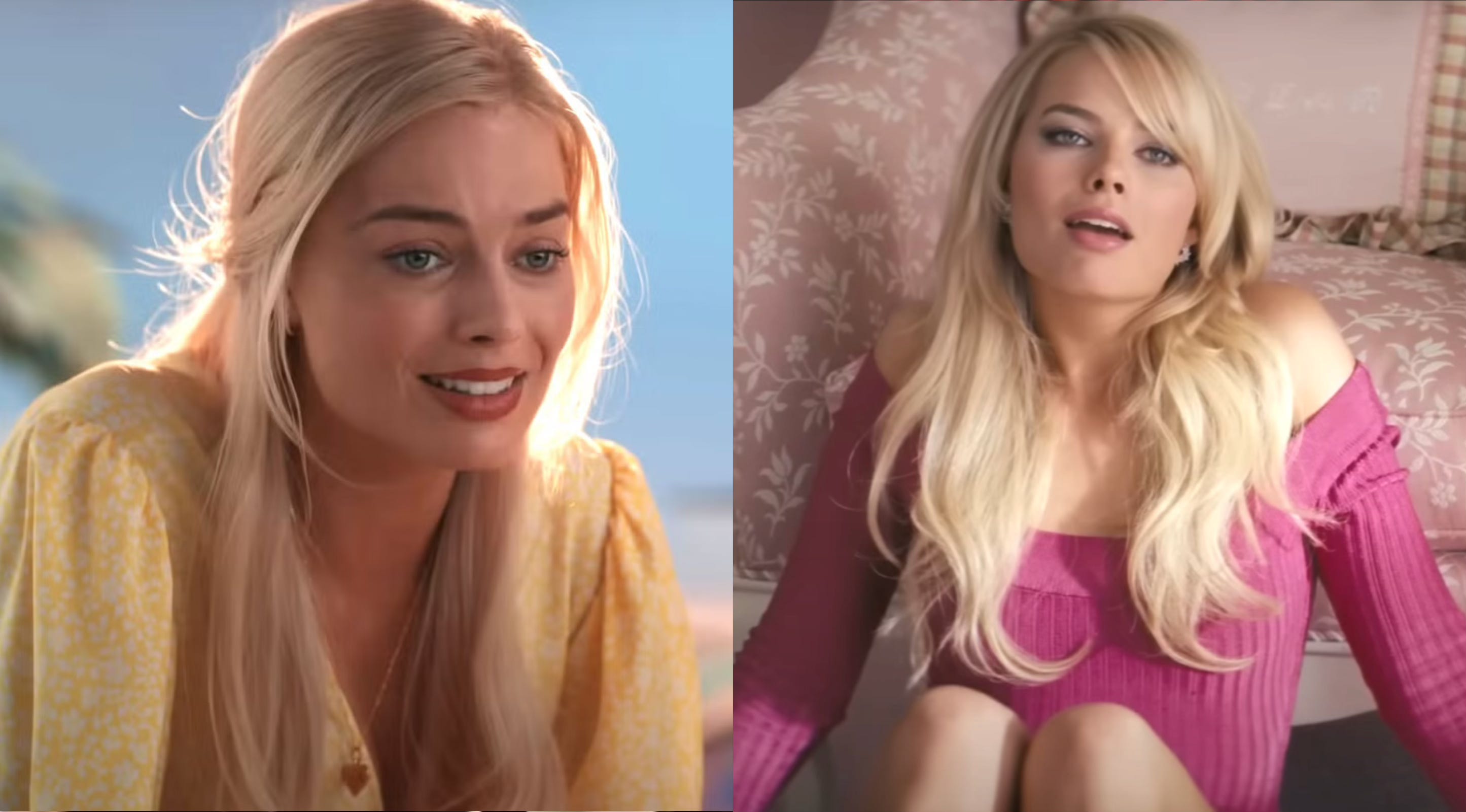
Male, female, queer, oppositional, objectifying, white, and imperial/post-colonial. In gaze theory, these are the primary types of gazes. The two most commonly spoken of are the male and female gazes, predictably sticking to society’s love of the gender binary. Historically, the male gaze1 has been society’s most dominant gaze. However, things are thankfully shifting.
But what about who views a creation? This is called the spectator’s gaze, which, in film theory, determines how and who the audience engages with on the screen.
It’s an important, if not overlooked, perspective. We challenge and critique the gaze of the creator, without thinking of the receiver beyond the uncharacteristic label of “audience.”
Why don’t we think of their gaze enough? And, also quite importantly, where is the reconciliation between gazes? Is the male gaze softened when they also approach a project with the spectator’s gaze?
This is how we get nearly all of Sean Baker’s films, the discourse about David Lynch and Mulholland Drive, and, as Collider labeled The Worst Person In the World, films which “barely pass the Bechdel test.”
This transcends cinema, bleeding into photography, art, etc. It’s rooted in the subject-viewer dynamic.
Too many people create with a “dance like no one’s watching” carefree approach. But someone’s always watching. There’s a responsibility to engage with them, rather than be oblivious.
How can we take the viewer’s gaze into consideration more?
The best answer I’ve found is to create from our own voice and experience. From creator gaze to viewer gaze. Like for like.
When that can’t be achieved, and we have to look beyond our own experiences, that’s when sensitivity tests come to play. But that’s a topic for an upcoming dispatch (and one I’m excited to explore, from the book Craft in the Real World by Matthew Salesses to Brent Forrester’s new series.)
In the meantime, explore creators who have done and are doing this symbiotic work. And see what you can learn from them!
How are they communicating with you?
What is most consistent about their messaging?
As a viewer, how do you feel spoken to?
How does it feel passive or active?
Tbh, I was going to make a list, but I like to do my research and got tired of Googling [name + controversy] to make sure nothing sneaky got past me. As many came up with sobering info.
As a pivot, I thought it’d be better to leave this exercise to you, so you can follow your intuition and curiosities wherever they lead you.
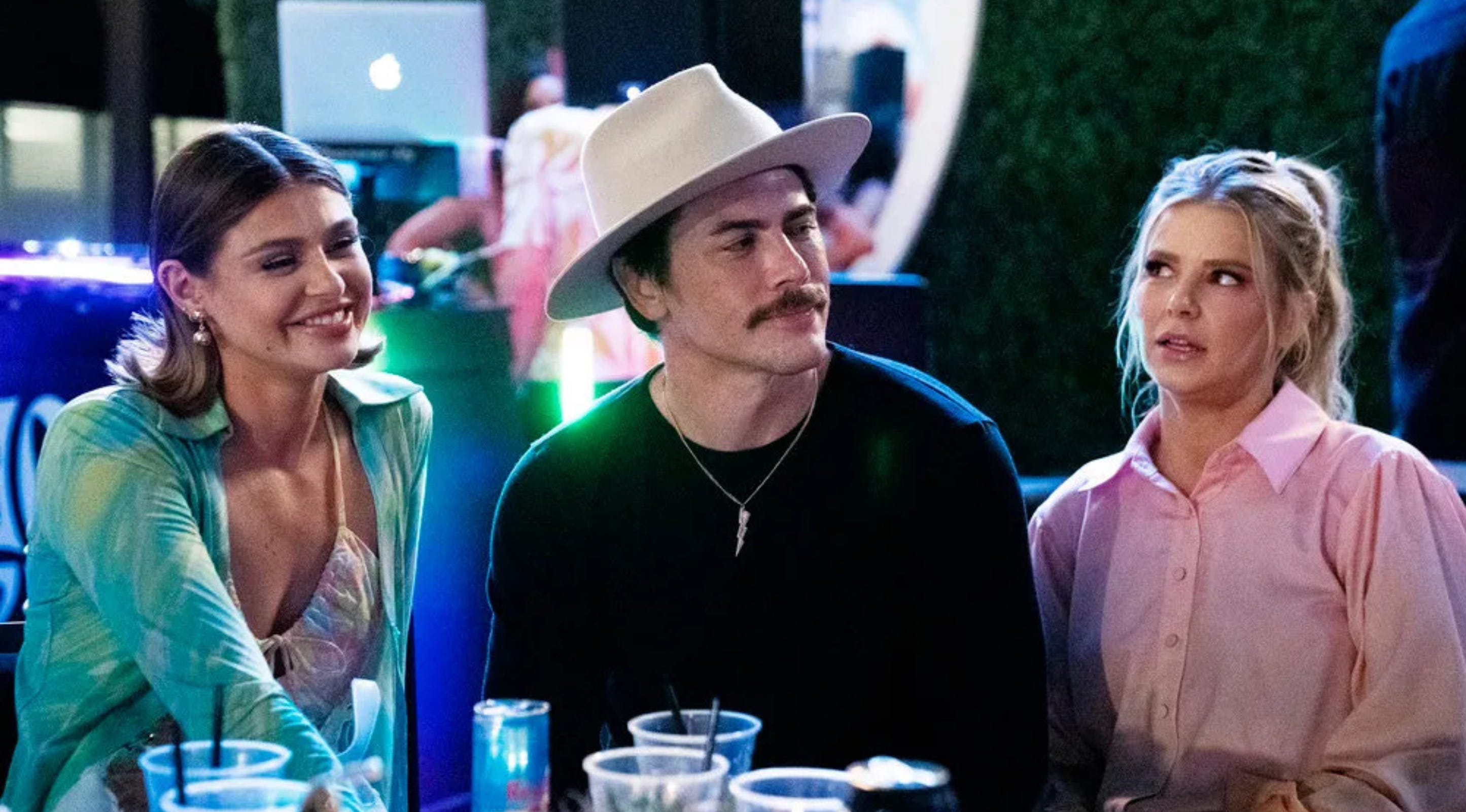
Scandoval, now West and Amanda. Is the scandal-to-spin-off-series pipeline even real? While I’m a dedicated Bravo viewer, I’m also fairly jaded when coincidence lands twice.2
Scandoval, the cheating scandal that rocked the Vanderpump Rules universe, happened in March 2023 when Ariana Madix discovered her partner, Tom Sandoval, had been carrying on an affair with their friend Raquel Leviss.
Bravo announced the (previously shelved) Vanderpump Rules spin-off, The Valley, on January 17, 2024.
Now the current brouhaha:
While the Summer House scandal timeline isn’t quite as neat, the West Wilson/Amanda Batula relationship betrayal surfaced in March 2026.
Bravo had already announced the Summer House spin-off, In the City, on September 17, 20253.
Without sounding like a conspiracy theorist (because that’s neither my vibe nor brand), I bring up these interesting coincidences for the sake of marketing psychology.
Let’s look at the anatomy of a Bravo psyop ;)
The age of appointment viewing is dwindling. It’s much easier now to watch asynchronously. Catching up isn’t a top priority. And this doesn’t help ratings. Having something to watch that people are already collectively talking about does. That brings back our appointment viewing urges. Now we can’t miss out. We must be in on the latest.
Even though I find the opposite more interesting, Bravo’s scandals are most likely organic and steeped in coinkydink because these men, Sandoval and West, are just that awful. But it’s what makes Bravo, Bravo (or: Bravo Bravo Bravo, if you’re Denise Richards.) It’s almost as common an occurrence as cast members going to jail.
Scandals like this benefit Bravo as much as it benefits the rest of the cast who weren’t affected by said scandals. Take Lala Kent’s “Send it to Darrell” merch that helped secure the down payment for her Palm Springs house4.
The buzz of scandal is real. So is the capitalism. As well as the lesson we, as creators, can take from it: create something to talk about*. It’s similar to compression, but at its inception.
*Now, that’s not a permission slip to go do something awful or to manufacture a “scandal”. It means think outside the box.
What conversation can bring people together around your work?
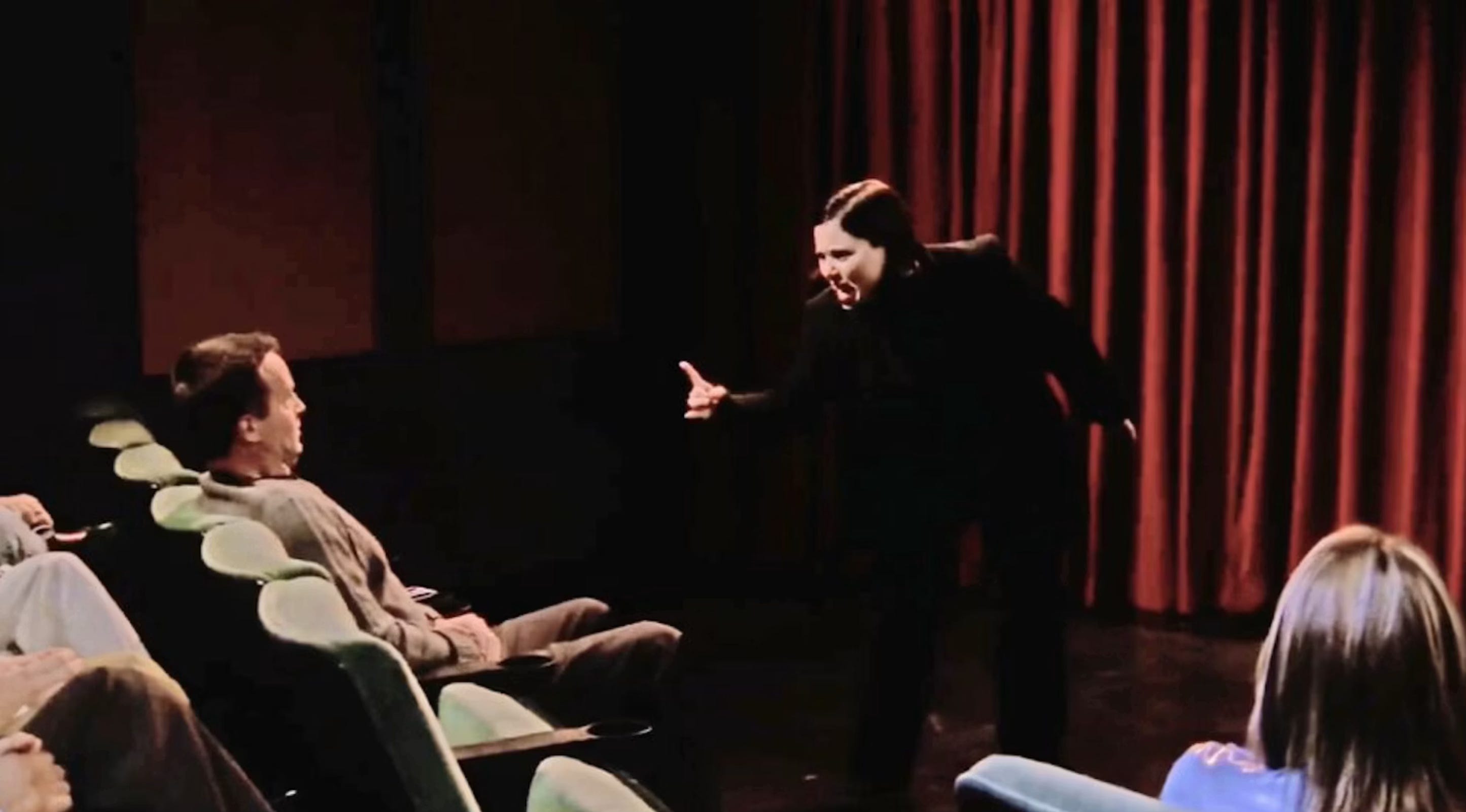
If you get the headline’s reference, you’re a real one. It’s a line from the one-woman show Joey sends Chandler to as part of his yearly distraction to keep the group away from his annual soap opera party on Friends. But it also is a sentiment that rings true when rejection stings.
Rejection can feel like an instant pity party, especially when it feels like it’s added up over the years. While nothing good comes from wallowing in disappointment, it’s important to identify what blocks and stories come up.
I recently received a rejection from a retail pop-up I was so excited about. I rationalized it by telling myself, “Now, I don’t have to assume any inventory risk” (business win!) and “I can take my energy and move on to the next opportunity.”
But it still doesn’t feel good. Mostly because of this fear I recently identified:
Being misunderstood.
In fourth grade, the Audubon Society held a contest for my class to submit drawings of birds for a show. When they called my teacher with the results, guess what they told her? They scolded the child who had an adult help them draw the quail. I was the only student who drew a quail, and I did it all on my own in the classroom. Despite my teacher vouching for me that I had zero help, they couldn’t be convinced otherwise. It was “too good.”
That was my first brush with being misunderstood like that, and not the last. When similar themes come up over and over, you start to weave a story about yourself.
It’s not just a story about rejection. It’s a larger feeling of people not “getting it”. In a way, it’s worse than feeling not good enough or too much.
But what I’ve learned is there’s a mindset shift to challenge this.
It’s as simple as this:
Ask yourself, am I showing up in the right places? And be brutally honest.
The right place for you likely is one you’re scared to approach. Yes, we can still be rejected there. But we likely are aligning ourselves with the safer option or holding back somehow. And that option rarely is aligned.
That was the case for me with my submission. Maybe it was more Larry David. And he’s not for everyone, and that’s okay. In fact, it’s part of what makes him so iconic.
It’s okay that I didn’t fit this store’s vision. They’re not the bad guys here. The only bad guy is the story we choose to tell ourselves about a “no.”
For me, the story is that this piece can now let its freak flag fly in my very own shop! A place where I never feel misunderstood and can embrace all my niche creative urges.
If you’re curious, check out the art print in question here.
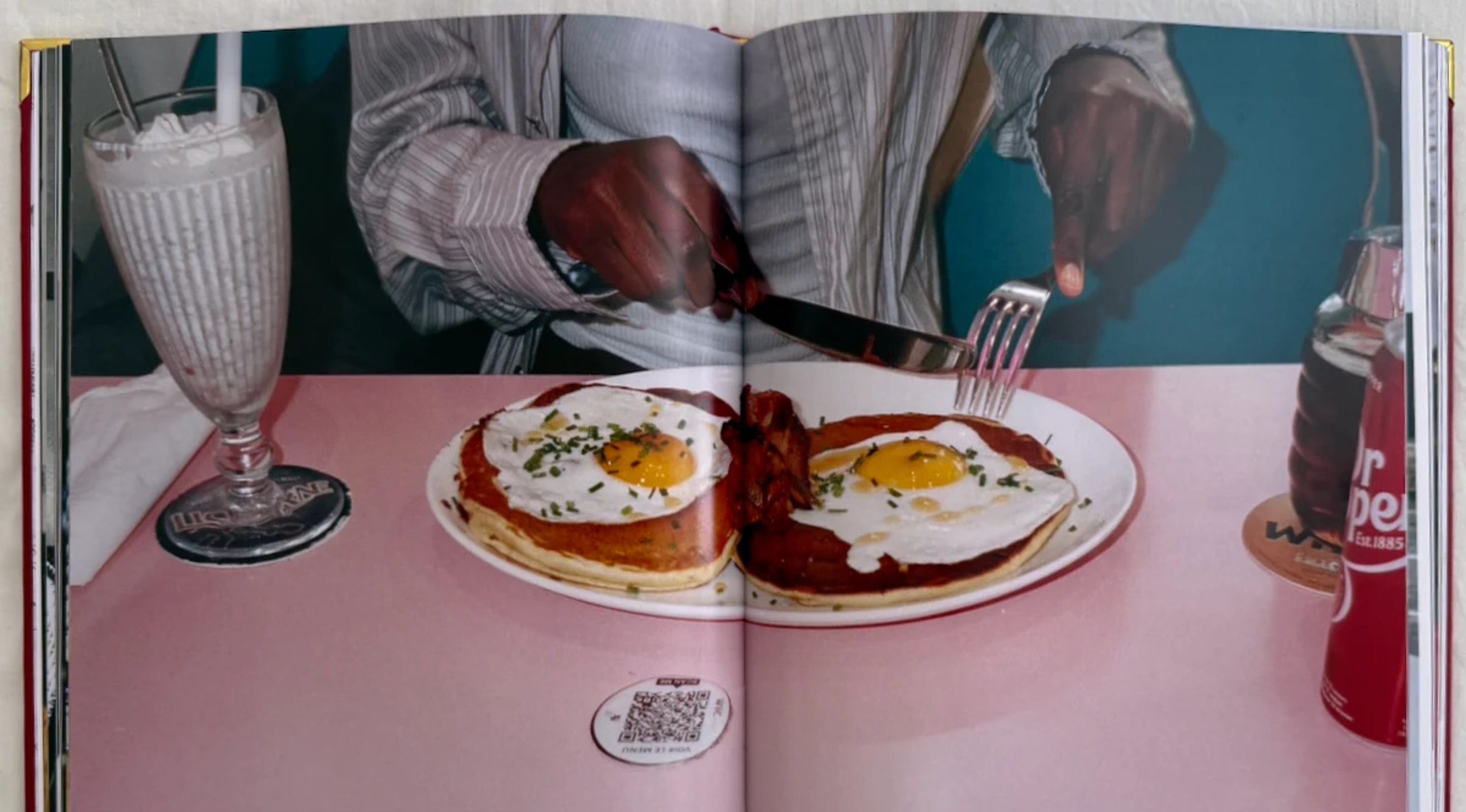
What’s for lunch? At IDEA, one of my favorite book sellers, it’s this clever photobook by Mark Abegg de Boucherville, titled Out to Lunch. Designed like a menu (clever!), this compilation of photos cheekily comments on the modeling industry’s ongoing battle with body image by normalizing seeing models, you guessed it, at lunch.
Gabriella Karefa-Johnson is asking the important question: WHAT IN THE ROBO-COP ARE THESE PICK-ME META GLASSES?
Since I started with the topic, here’s a nice bookend (pun intended) with a book to help with anxiety that has nothing to do with anxiety.
WRITTEN BY
The latest in the world of creativity, delivered every Wednesday to help you stay inspired and get through the rest of the week.
*Never written with AI. Proudly featuring typos that me and my ADHD will likely miss :)
This newsletter may include affiliate links. If you purchase something through my link, I may receive a small commission at no additional fee to you.
This was first coined by British feminist film theorist Laura Mulvey in her 1975 essay, “Visual Pleasure and Narrative Cinema”.
The one and only thing I’m not questioning is the rise of literal queens Ariana Madix and Ciara Miller! They are better off without the dead weight of Tom and West dragging them down and dulling their shine. May all the Love Island USA opportunities, TV, and brand deals be forever plentiful.
According to this very impressive timeline on Reddit. I’ve always said, Bravo fans make the best detectives.
https://www.bravotv.com/vanderpump-rules/style-living/lala-kents-send-it-to-darrell-merch-helped-pay-for-her-house
Comments
Nothing yet. Say the first thing.
Sign in to join the conversation.