
‘What religion have you?’ Ali asked. ‘Christian?’
‘I haven’t got any special religion this morning. My God is the God of walkers. If you walk hard enough, you probably don’t need any other God.’
Bruce Chatwin, In Patagonia
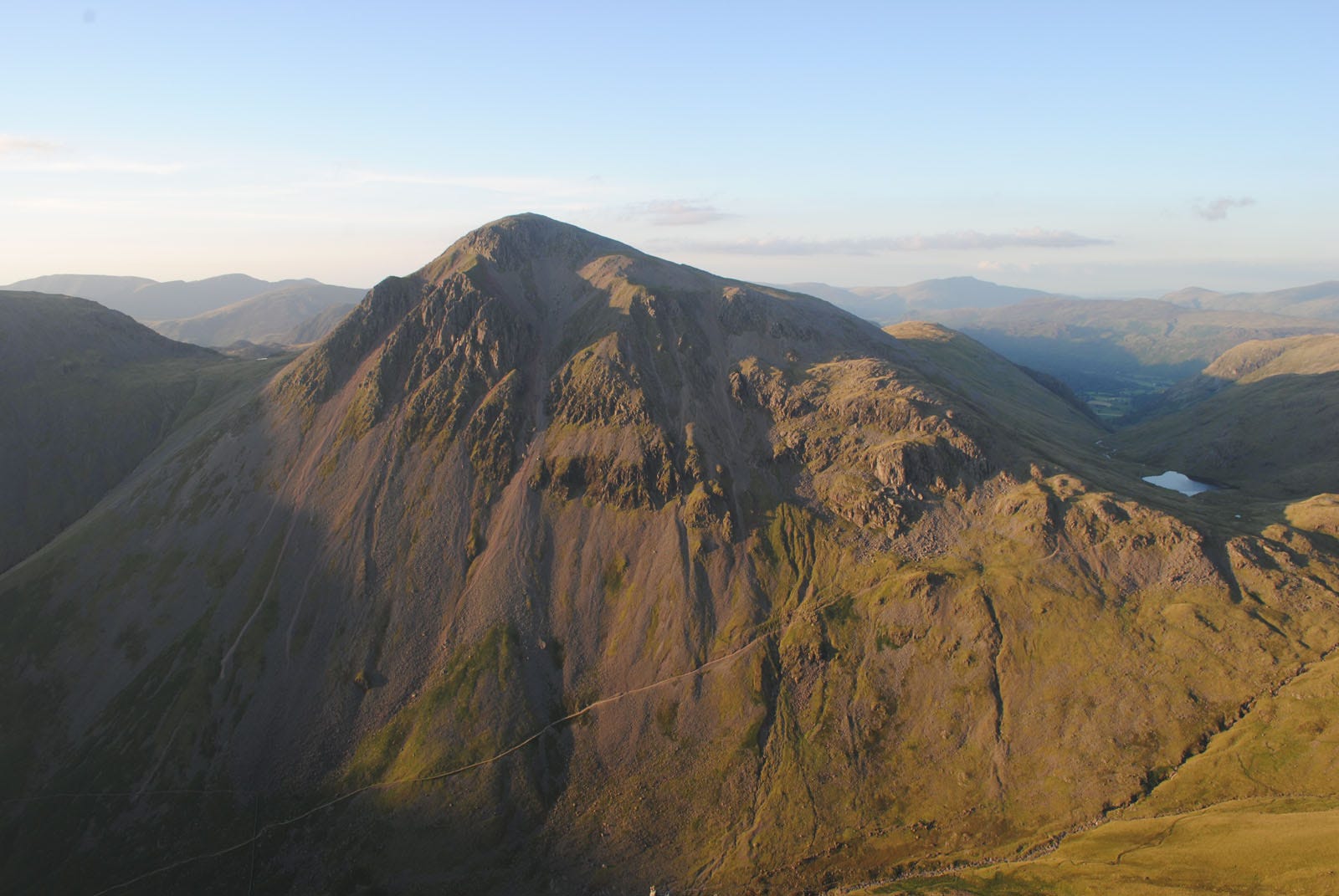
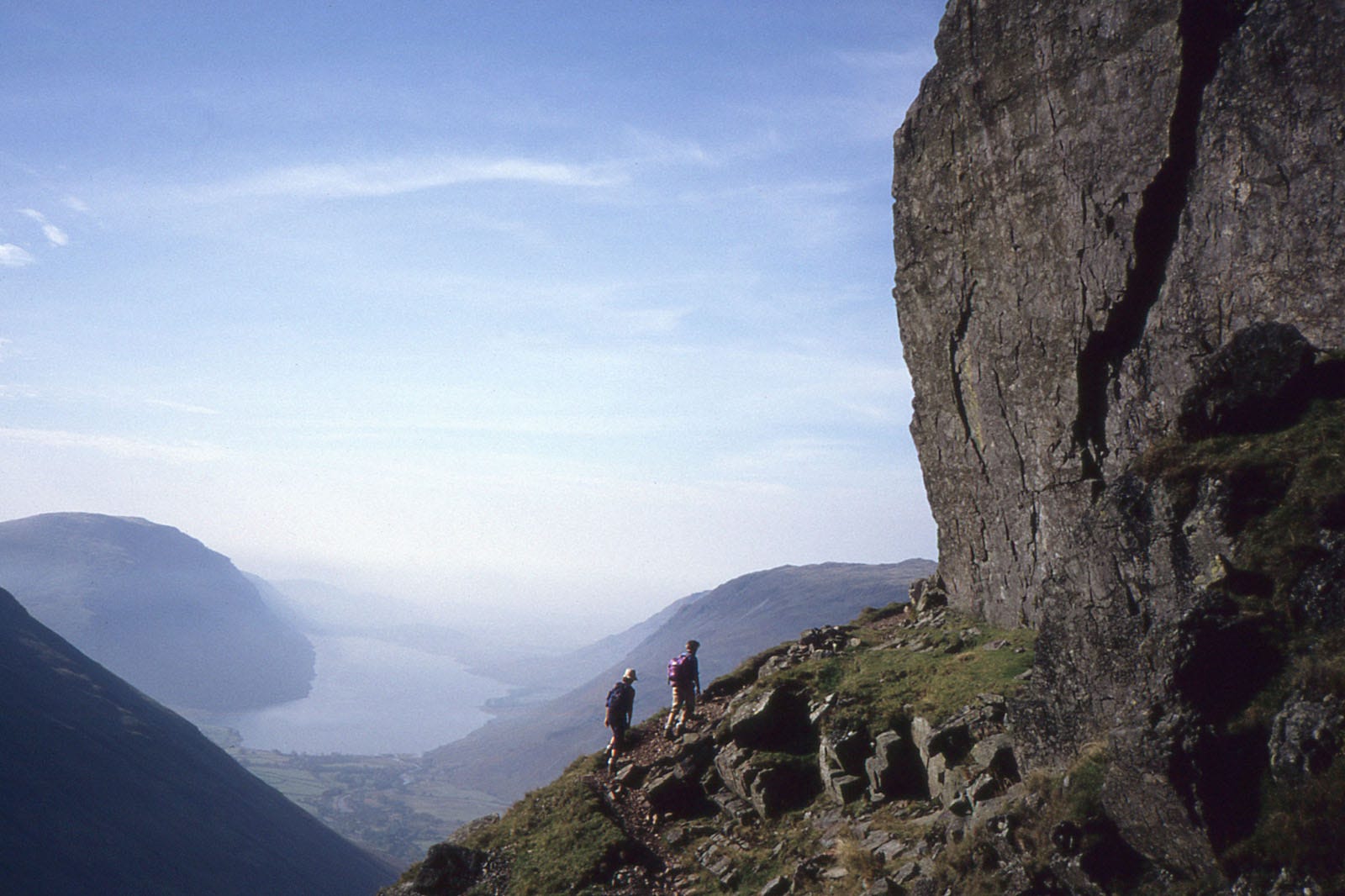
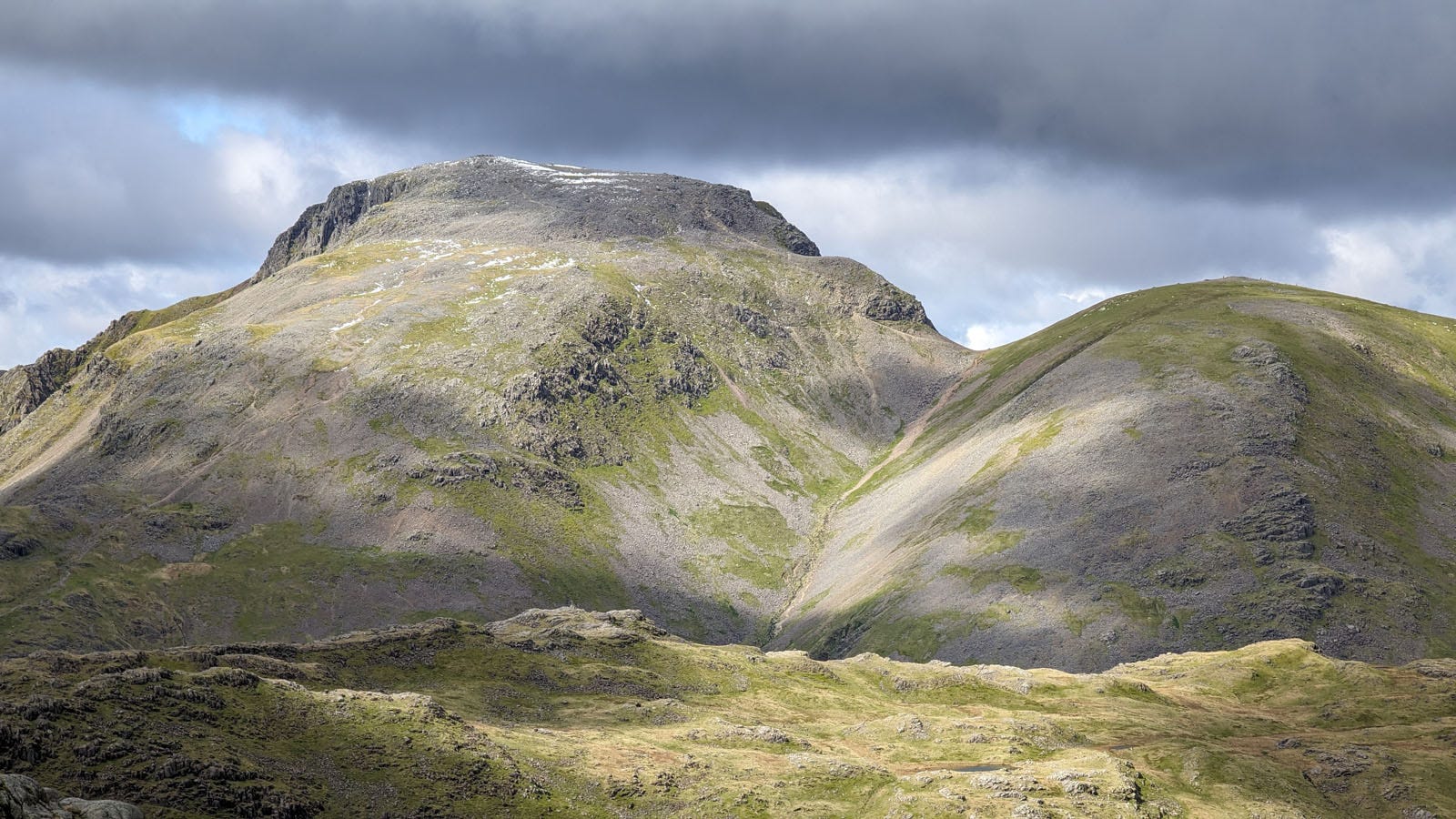
Moses Trod: it’s an ancient pathway around the high slopes at the back of Great Gable. The Moses who trod up from Wasdale Head and passed below the summit crags was Moses Rigg, whisky-smuggler and stealer of plumbago. But the original Moses trod up Mount Sinai, and at the top he met God.
The prophet Elijah met Him on a different hill, Mount Horeb1. First there came a rushing mighty whirlwind, making it hard even to crawl to the cairn, inducing adrenalin surges and the thrill of mountain adventure. But the whirlwind was not God.
Next Wednesday: Before the Leica lightweight, it was virtually impossible to photograph their climbs. But they did it anyway.
Then there came an earthquake, and various spectacular lighting effects described as fire in Heaven. But the earthquake and the fire were not God.
Finally there came a still, small voice out of the heart of the whirlwind. And the still, small voice was God.
Outdoor instructor Colin Mortlock has written a whole book (Beyond Adventure, Cicerone Press 2001) about his discovery of ‘an ultimate truth or essence that links everything in Nature into an infinite unity.’ Cicerone published six of my walking guidebooks but hasn’t been known for devotional literature. Even so, the discoveries in Mortlock’s book are religious ones. “Everything in Nature is alive in its own way … the rocks and the clouds, the rivers and the stars.” His experience in the mountains has also revealed that “those closest of friends, who had died in my early years, in an essential sense were and always would be still around.”
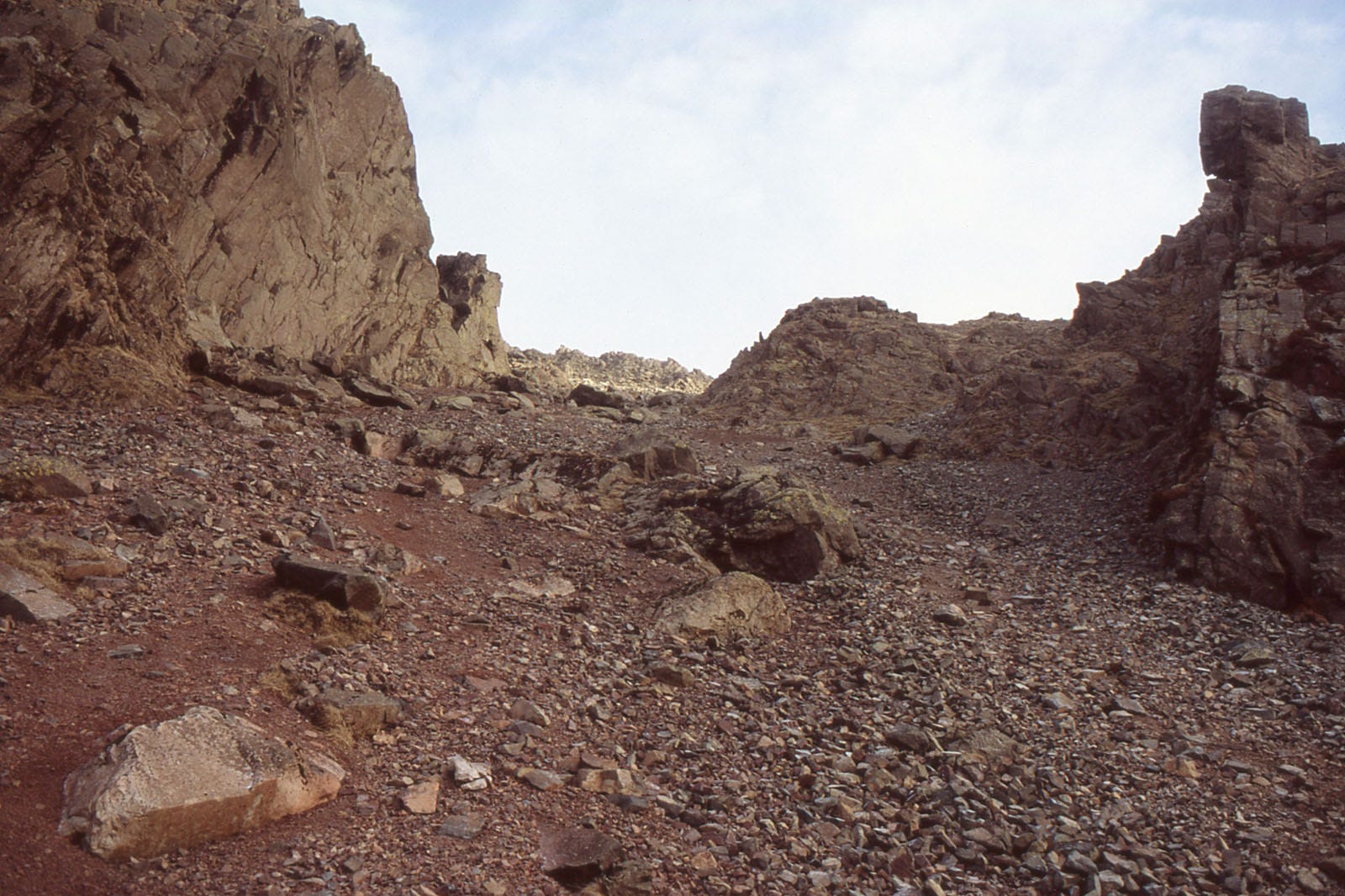
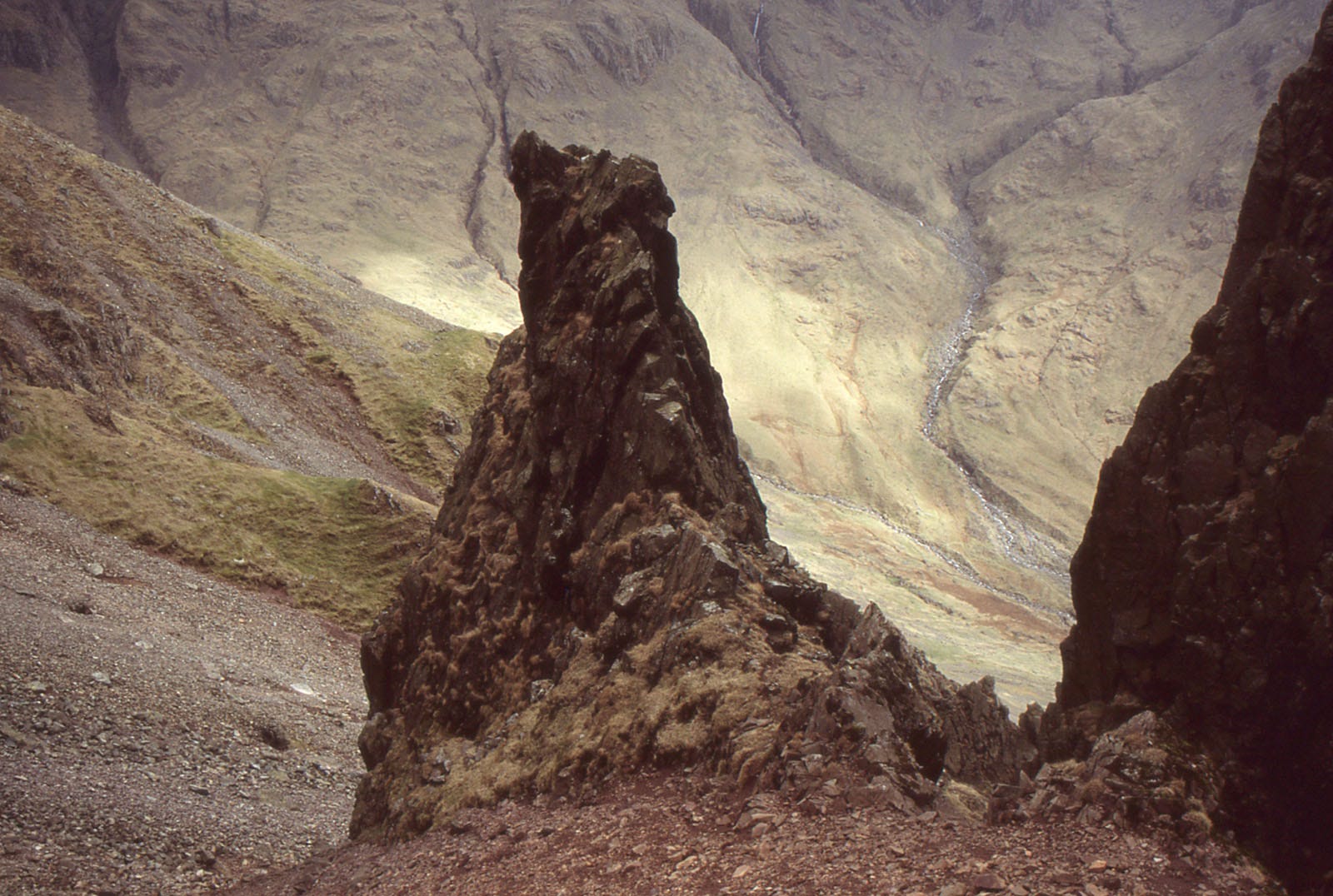
The moment in Great Hell Gate that convinces you that God exists in every pebble and that there is, indeed, life after death: this is, to the one who experiences it, totally convincing. Much more convincing than any normal everyday evidence or argument. To anyone else, so long as we haven’t yet met the ghost of rock-climber Siegfried Herford who supposedly lurks at the foot of Scafell Crag, it’s not convincing at all.
Colin Mortlock writes almost apologetically: mystical religion is not part of the normal stock-in-trade of outdoor instructors. But he has not been the first to find God in the great outdoors. The seventeenth-century poet Thomas Traherne, whose climbing ground was Calver Hill, north-west of Hereford, wrote in Centuries of Meditation:
I was entertained like an Angel with the works of God in their splendour and glory. All time was an eternity, and a perpetual Sabbath. The corn was orient and immortal wheat, which never should be reaped, nor was ever sown. The dust and stones of the street were as precious as gold. The green trees when I saw them first ravished and transported me, their sweetness and unusual beauty made my heart to leap, and almost mad with ecstasy, they were such strange and wonderful things.
For Wordsworth, as for Mortlock, these transcendent moments were found particularly on the high fells. As direct input from the Infinite to the ordinary walker, they can’t be communicated in cold type: but they can be expressed, as it were in-between the words, in verse.
A motion and a spirit, that impels
All thinking things, all objects of all thought
And rolls through all things.
Scottish mountain man Bill Murray, captured by a German tank crew in the western desert and stuck in a prisoner-of-war camp, kept himself going in two conncected ways. The first was writing up his mountain memories, with a stub of pencil, on scraps of toilet paper. The second was mystical religion: a direct apprehension of a monotheistic One, vaguely Islamic, maybe a bit of fifth-century neoplatonism. And so, on the top of Tower Ridge of Ben Nevis, in the dark, after a tough climb in dodgy winter conditions:
We seemed to tread air rather than crusted snow; we were light of foot; we walked like demigods in joyous serenity. The intensity of our exaltation seems peculiar to the following of a great rock-climb to a climax of supreme beauty… In the quiet I felt something of the limitation of personality fall away as desires were stilled; and as I died to self and became more absorbed in the hills and sky, the more their beauty entered into me, until they seemed one with me and I with them.
When we walked across the plateau, it became very clear to me that only the true self, which transcends the personal, lays claim to immortality.
Sitting beside a waterfall or on a mountain top was recognised in medieval China, and later in Japan, as a valid way of attaining enlightenment. Everythingness is not that different from nothingness; what cannot be expressed in words is best spoken of with extreme simplicity. So, the experience of Heaven in Great Hell Gate finds itself in the koan of Dogen:
In me is no mind;
when I hear rain from the roof,
the raindrop is me.
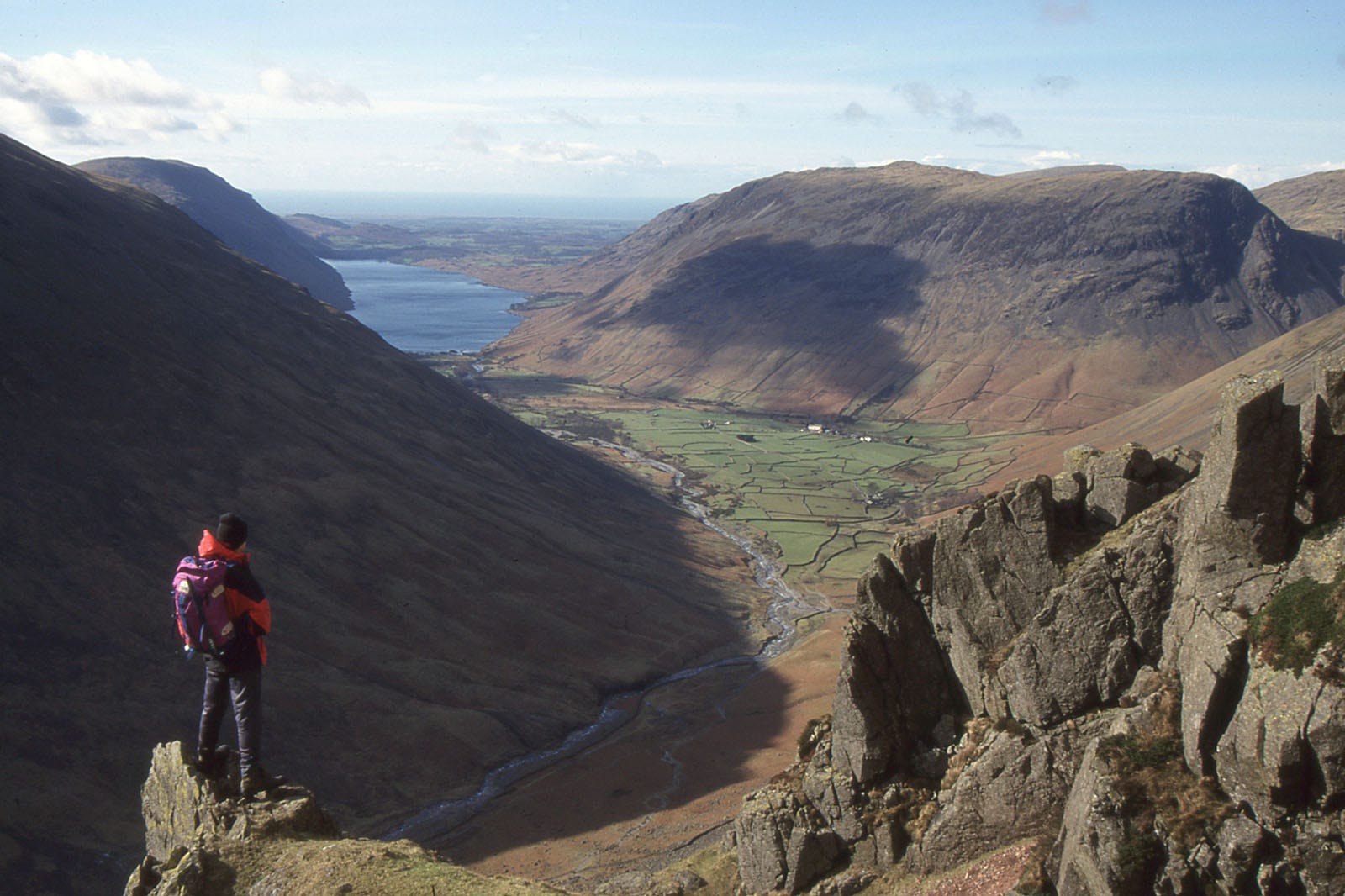
And on Great Gable, between two footfalls on the scree of Great Hell Gate, one becomes a pebble and the entire Universe.
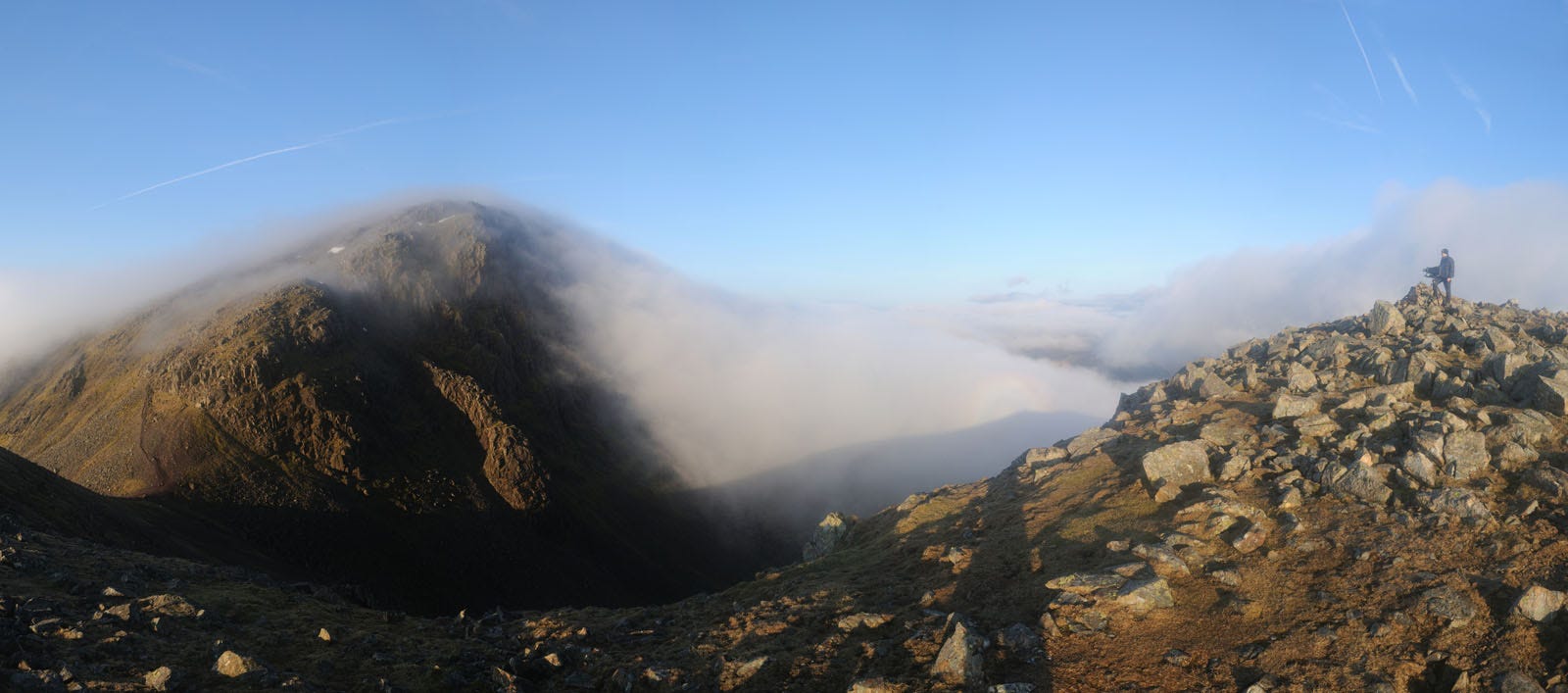
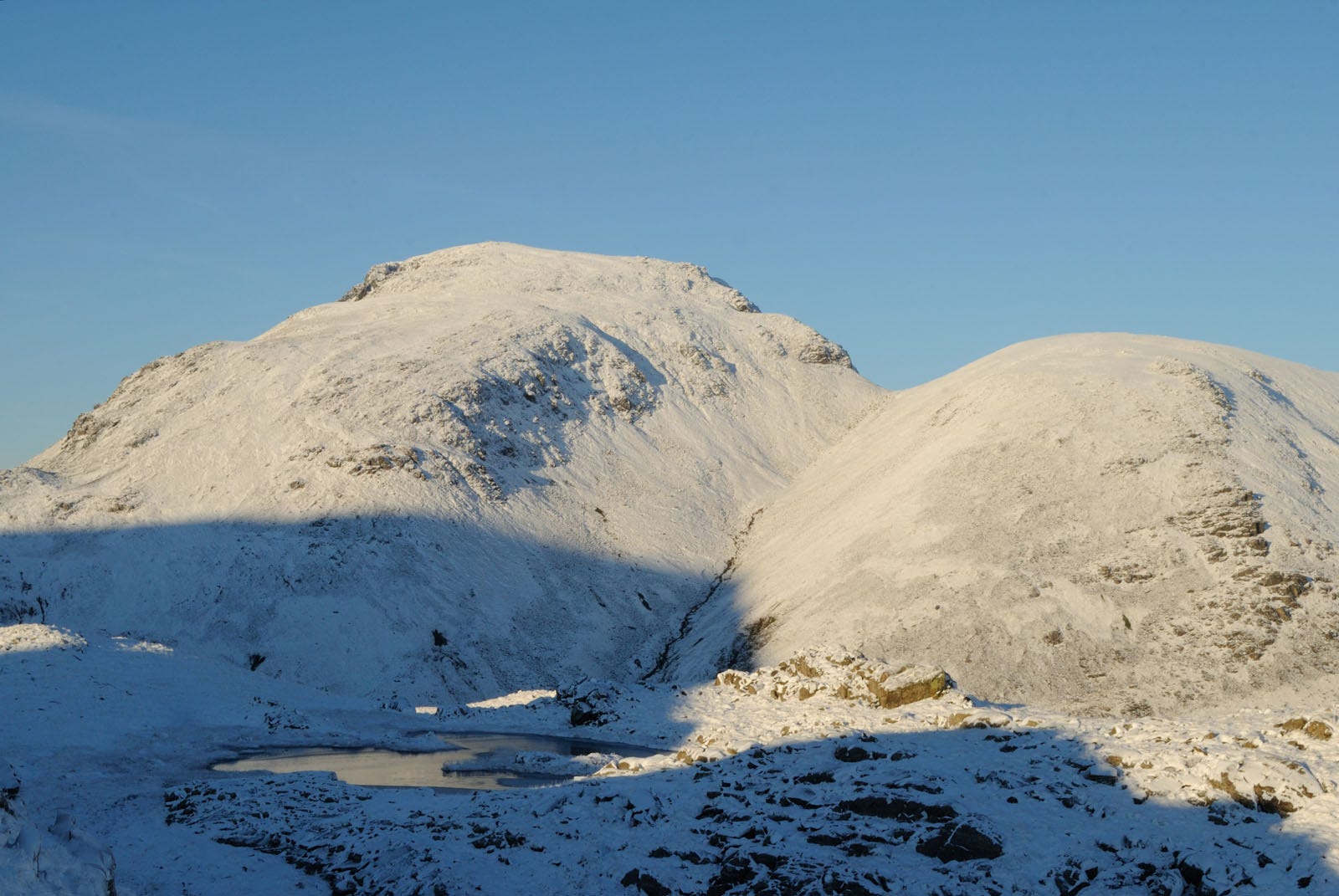
Maybe it is merely an aesthetic reaction to the Moderately Big. Maybe it’s the ancient hunter-gather brain, rewarding itself for spotting some great leaping-out spots and escape routes. Maybe it’s an exercise-induced flood of endorphin chemicals. But from time to time—at Westmoreland’s Cairn at dawn, running down Green Gable in the cloud, stepping on the top block of Napes Needle—comes an encounter with the Beyond. And what we get on Great Gable feels like the reason for being here at all.
Such feelings cannot be communicated or explained: not even by Wordsworth. There is, after all, no reason for being here. The moment of stillness at Westmoreland’s Cairn has no meaning, outside that particular moment, at that particular time and place.
There is, almost certainly, no God. But there is Great Gable.
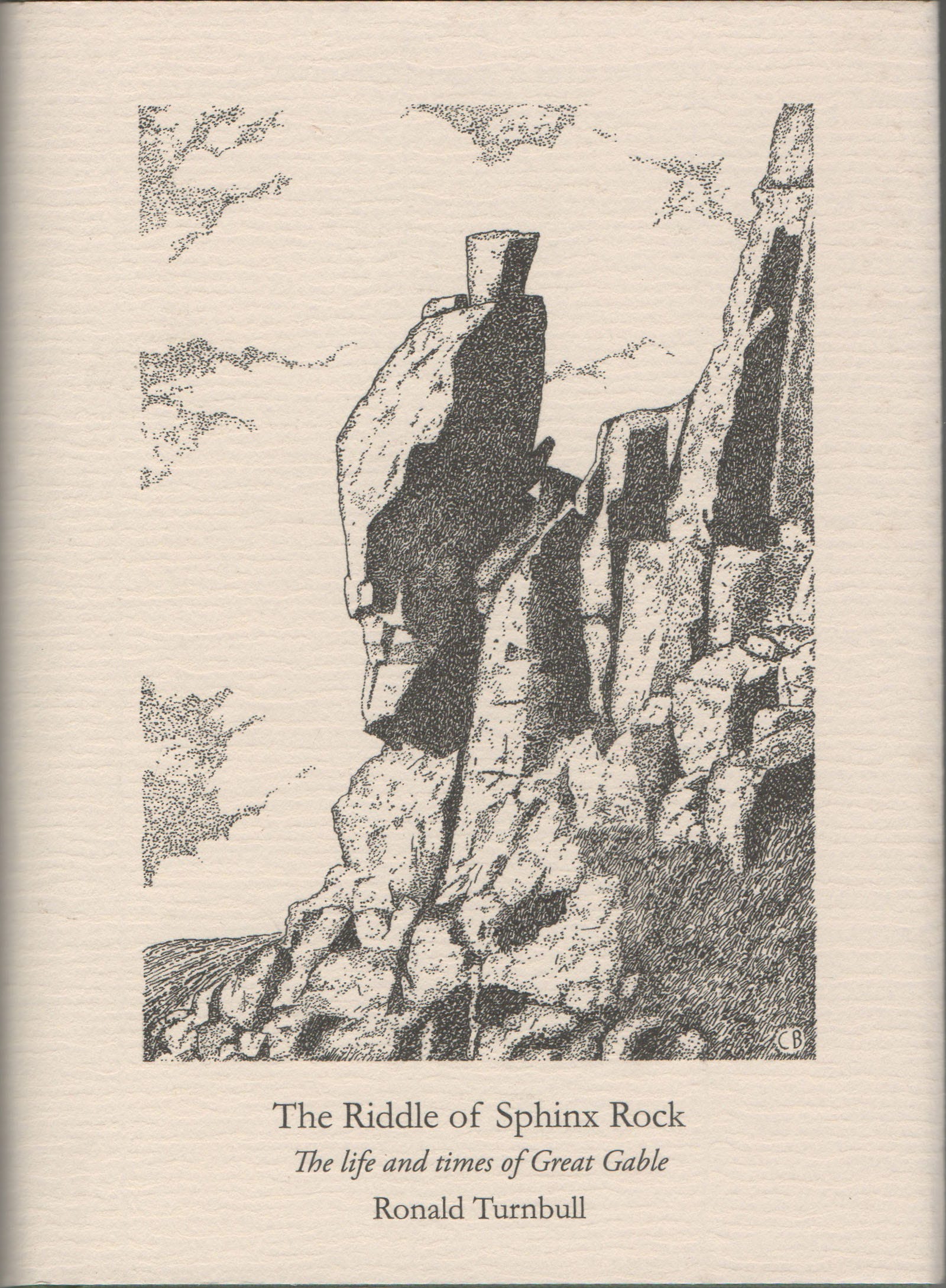
This has been adapted from the final chapter of ‘The Riddle of Sphinx Rock’, a small nicely produced hardback which is out of print but available second hand. For the first lucky clicker of this link there’s a copy on Abebooks at £12 including postage.
Some authorities say Mount Horeb is actually the same as Mount Sinai. Elijah’s hill-climb is in the First Book of Kings, chapter 19.
Comments
Nothing yet. Say the first thing.
Sign in to join the conversation.