
A quick note before we begin: This is the second episode of my inaugural series, When Science Meets Quran. In this series, my goal is simple but profound—to view the worldly entities around us through the majestic lens of the Quran. Today, we pick up right where we left off, looking up at the night sky.
We all had that moment in our pasts when we had a glance towards the stars at night and felt entirely overwhelmed by the sheer scale of it, a moment where we were compelled and pushed towards with no prior thought; A clutter of stars spread evenly across the sky, like a tapestry liquid silver on velvet
In that moment, you feel an overwhelming sense of belonging which is unexplainably astounding, we feel nature itself and without a single word uttered, the soul softly connects with it, to which the nature gently replies
The deep truth of stargazing is the realization of kinship: every ounce of iron in your blood, every calcium wave in your bones, and the very atoms forming the eyes you use to look upward were forged within the hearts of dying stars.
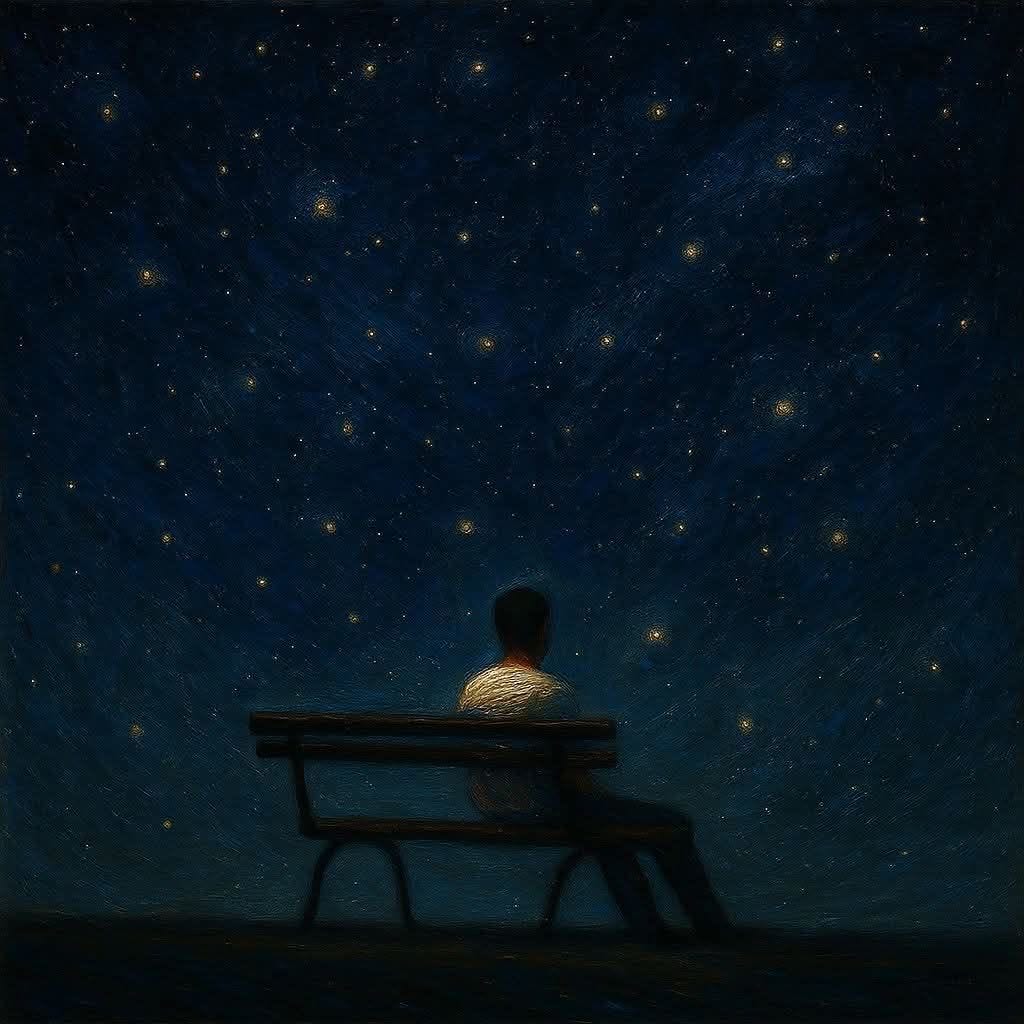
When you look at the night sky, you aren't looking at something separate from you. You are a piece of the universe looking back at itself, filled with a quiet, breathless wonder that no lens could ever truly replicate.
And while you adore this beauty, a question arises in the back of your mind: how was this created, what happened, what’s happening now, and what will happen in the end? This is not a question Homo sapiens asked only today; rather, it goes back to primeval times when philosophers and early stargazers truly observed nature. And hence, scientists today still wonder how nature responds the way it does.
In my previous article (Episode 1), I outlined my personal findings on how everything we see around us began, filtered through a Quranic lens. This is the second episode and a continuation of that journey. Here, we will be discussing the second major topic cosmology provides: The Early Cosmic Smoke and The Continuous Expansion.
Everything I mention here can be statistically proved and my findings are easily accessible across the internet, I am also extremely open to comments and suggestions, without a thought of judgement, I keep my opinions and data shared brief, yet not stagnant without going into minute subtleties and intricacies.
Let’s begin. Without letting our vivid thoughts distract from these arguments, let’s not forget the actual theme of this article. Previously, we saw how it wasn’t until the 20th century that science caught up to a profound reality: the cosmos isn't a static painting. It is alive, expanding, and was born from a dark, dusty haze.
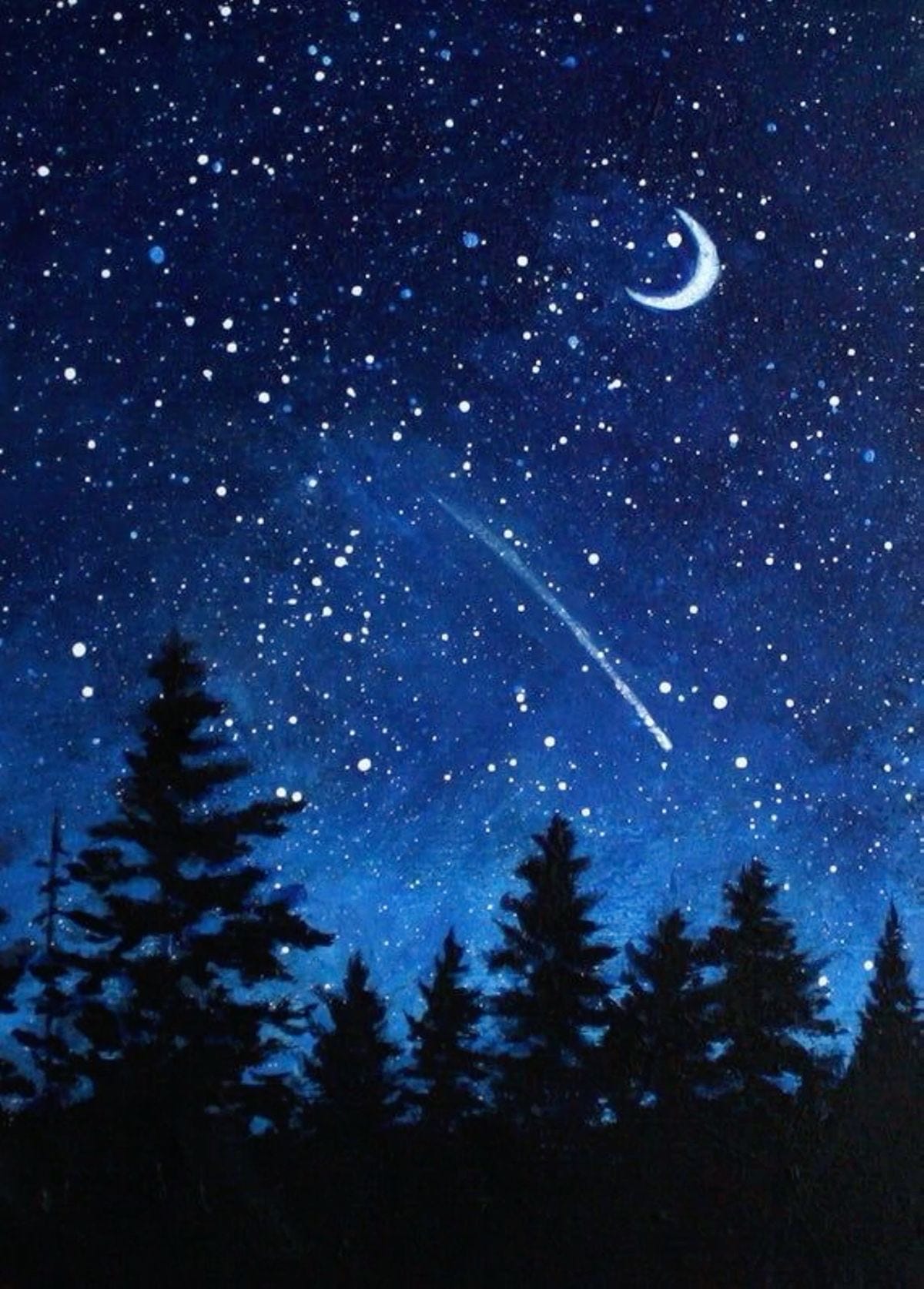
In 1927, the Belgian physicist Georges Lemaître applied Albert Einstein's equations of general relativity to propose a nonstatic, expanding model of the cosmos (Bahcall, 2015). Just two years later, in 1929, the astronomer Edwin Hubble provided the empirical proof. By observing the light from distant galaxies, Hubble demonstrated that they were continuously moving away from us, meaning the very fabric of space was stretching (Bahcall, 2015). This was confirmed by observing the redshift taking place in distant galaxies. Because the wavelength of light stretches as objects move away at extreme speeds, the light shifts toward the red end of the spectrum.
This monumental discovery shifted our understanding from a static universe into one of continuous, outward expansion.
Remarkably, over 1,400 years before modern telescopes confirmed this expansion, the Quran utilized exquisite language to encapsulate the same dynamic reality. It makes me wonder how magnificently the Quran highlights this fact, which took the minds of numerous scientists to theoretically, practically, and scientifically conclude—a theory built upon laws that were continually remanufactured and refined by subsequent generations of scientists.
In Surah Adh-Dhariyat, there is a verse that completely redefines how a believer views the night sky:
وَالسَّمَاءَ بَنَيْنَاهَا بِأَيْدٍ وَإِنَّا لَمُوسِعُونَ
Translation : We built the universe with mighty strength , and We are surely expanding it
The Metaphor of Craftsmanship: The verse uses the word بِأيد (literally "with hands") to describe how the universe was built. In Arabic poetry and rhetoric, this is an implied metaphor ’استعارة مكنية' for absolute power and deliberate, meticulous design. It tells us the cosmos wasn't an accident; it is a masterpiece woven together with immense intention.
A Continuous Motion: The real magic happens in the phrase وإنا لموسعون ("and indeed, We are its expander"). The Quran doesn’t use the past tense here. It doesn't say "We expanded it" and leave it at that. Instead, it uses an active participle. In Arabic grammar, this structure denotes a continuous, ongoing, and uninterrupted action. Which makes so much more sense that the lord of heavens didn’t describe it as an event in the past, yet an event that is ongoing, just a slight mechanical twist within the word made the grammatical and rhetoric beauty of Quran express it’s uniquenes
Allahu Akbar!
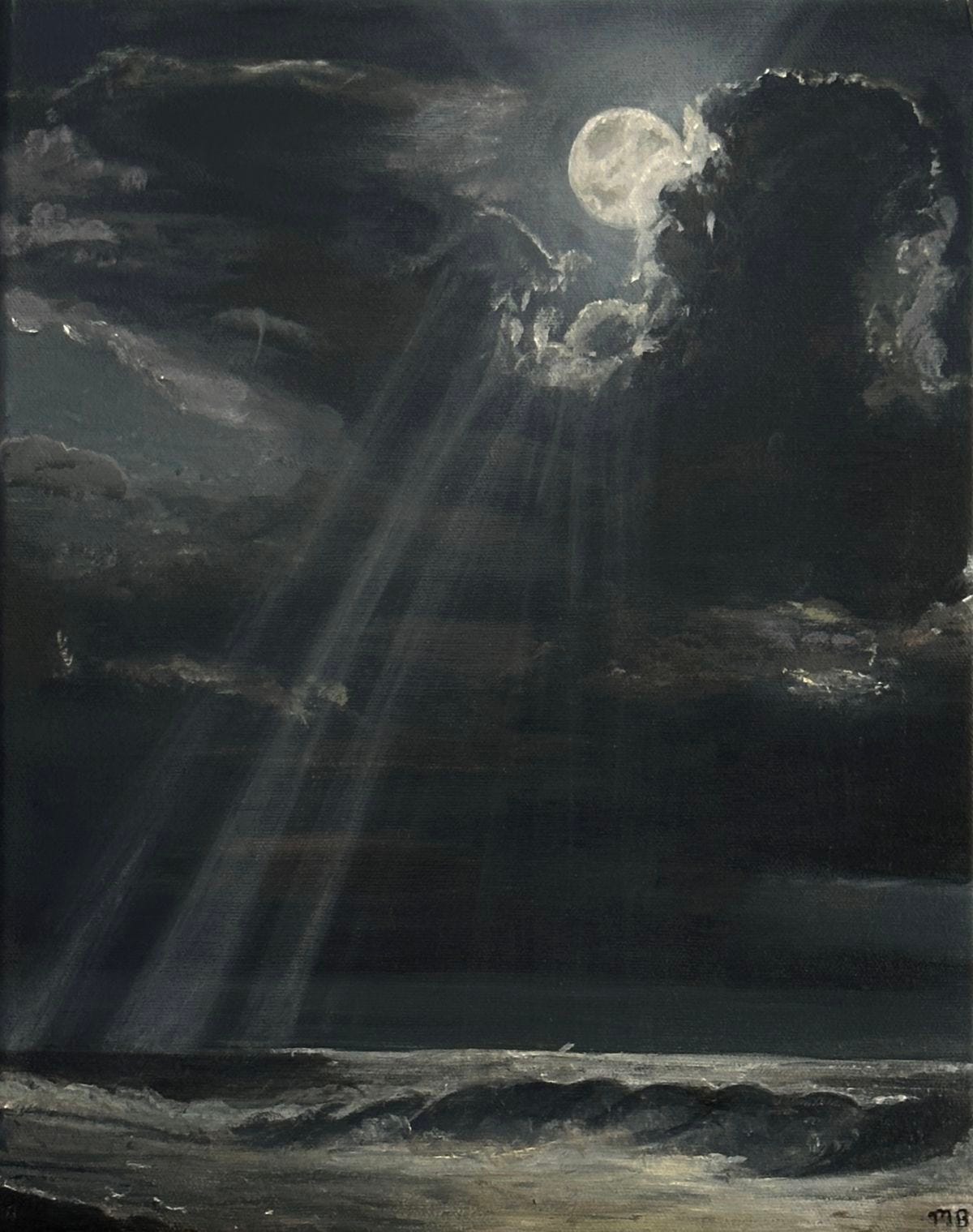
When you read that verse, you aren't just reading history. You are reading a live description of the universe breathing outward. Long before telescopes could observe galaxies racing away from one another, the language of the Quran was already describing a continuously stretching fabric of space.
Enlighten me with a more elite, precise description from a book which has no proof to be edited in the span of 1400 years unlike some other religious and ancient texts which were constantly edited and published by different people.
The Primordial Smoke:-
Let’s rewind the clock backwards, long before the galaxies formed and the first stars ever ignited, the universe was an entirely different place. Astrophysicists have established that the very early universe was an incredibly hot, dense, and opaque environment (Jones & Joan Lasenby, 1998). During this early period, often referred to as the cosmic "Dark Ages," the universe was filled with a swirling haze of hot primordial gas and radiation where light itself could not travel freely. It was only as the universe expanded and cooled that atoms could form, lifting this opaque "fog like dust" and eventually allowing cosmic gas and dust to bind as one under gravity to therefore forge the first stars (Jones & Lasenby, 1998; Vavryčuk, 2020).
Quranic disciplines explore this topic in Surah Fussilat. Here, Allah (swt) mentions how the cosmos arranged itself to form the universe. They were commanded by the Almighty to form, and thus they were formed. But let’s look at the brilliance in the terminology used. The ayah goes:
ثُمَّ اسْتَوَىٰ إِلَى السَّمَاءِ وَهِيَ دُخَانٌ فَقَالَ لَهَا وَلِلْأَرْضِ ائْتِيَا طَوْعًا أَوْ كَرْهًا قَالَتَا أَتَيْنَا طَائِعِينَ
Translation: Then He turned to the space, which was smoke, and said to it and to the earth, ‘Come into being, willingly or unwillingly.’ They both said, ‘We come willingly in your obedience.
The word chosen here is Dukhan, meaning smoke. Rhetorically, this serves as an extraordinarily precise metaphor. Consider the physical composition of smoke: it is essentially a mixture of hot, suspended particulates and gases. There is arguably no better word in the human vocabulary to convey the concept of a hot, opaque, gaseous early universe to a 7th-century audience—exactly what Jones & Lasenby (1998) and Vavryčuk (2020) proposed regarding the cosmic microwave background (CMB)—while simultaneously remaining stunningly accurate for modern astrophysicists describing primordial stellar dust and hydrogen clouds.
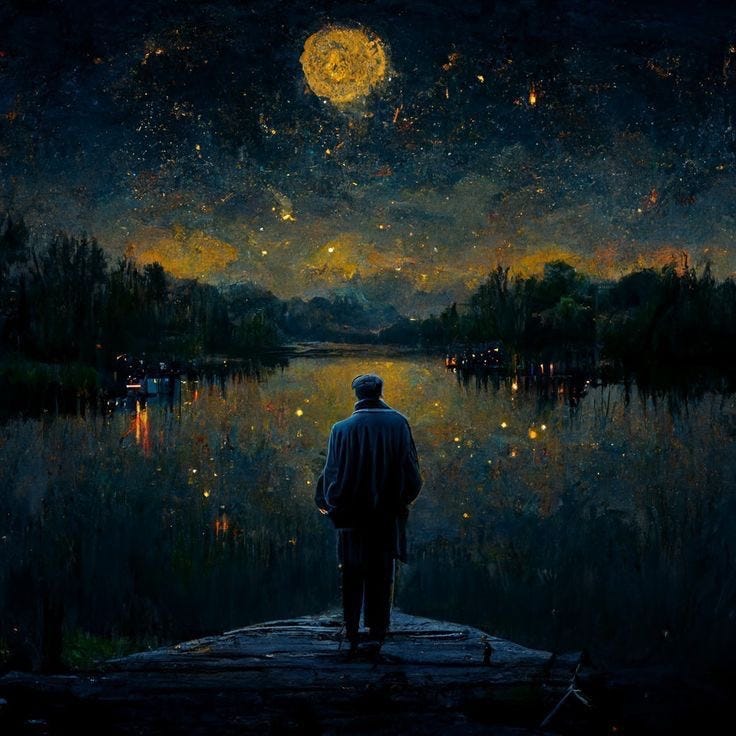
This is where the ayah beautifully bridges the gap and complements science. When God speaks to this chaotic, swirling haze and commands it to find its order, it accepts the command, says labbaik (here I am), and transforms into a grand cosmic forge. Today, we are essentially witnessing raw, formless dust being coaxed into the brilliant, highly structured galaxies and planets we marvel at.
This opens the window where we actualize and shed light upon the definition of our faith. How extraordinarily the Quran examines the very minute details and explicitly describes an event through an unexplainably precise mechanism of words, deep rhetoric, and eloquence! It fills every gap created in the minds of human scientists and their cosmology, all while being revealed in an Arabian desert where literacy was rare and simply knowing how to read or write was a flex.
Allahu Akbar!
This is the greatness of our Allah. He doesn’t need assurance to complete His will; He doesn’t require a hand in fulfilling His act. He just says كن (Kun — happen!) and it happens without a second thought. And the universe created is not even an explanation of His greatness. His independence is a profound reality that leaves the human mind entirely eclipsed. The entire cosmos, with all its swirling dust and stretching galaxies, is but a whisper of His boundless power—a masterpiece He sustains without effort, needing nothing, while everything entirely depends on Him.
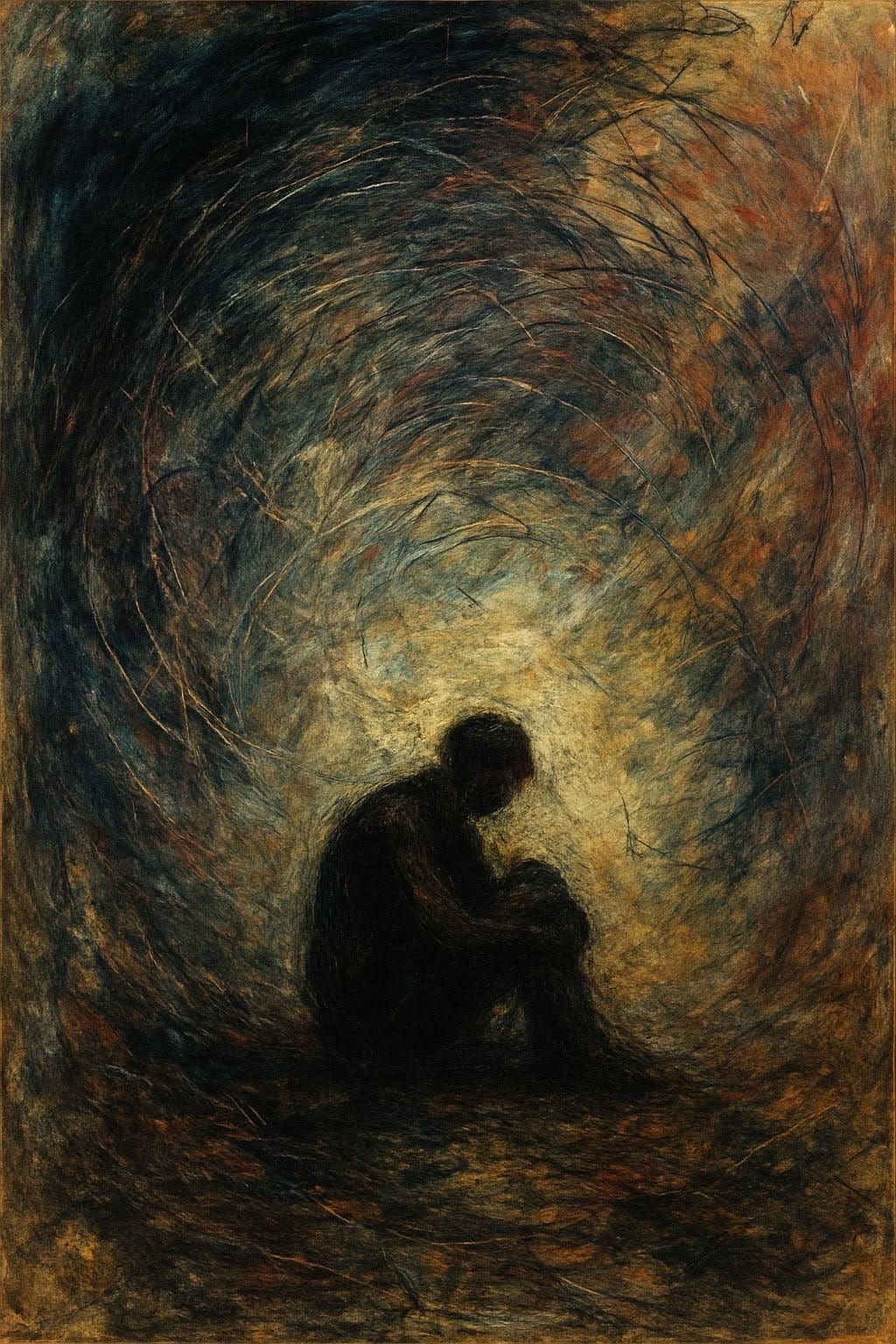
Unlike a human artisan who must rest after laboring over a masterpiece, Allah sustains the spinning of every atom and the expansion of every galaxy without a moment of fatigue. The universe does not drain His power; rather, the entire cosmos hangs upon His continuous will like a single autumn leaf hanging from an infinite tree. If He were to withdraw His attention for less than the blinking of an eye, reality itself would instantly dissolve back into the nothingness from which it came.
وَ الَّذِي خَلَقَ السَّمَاوَاتِ وَالْأَرْضَ فِي سِتَّةِ أَيَّامٍ ثُمَّ اسْتَوَىٰ عَلَى الْعَرْشِ ۚ يَعْلَمُ مَا يَلِجُ فِي الْأَرْضِ وَمَا يَخْرُجُ مِنْهَا وَمَا يَنْزِلُ مِنَ السَّمَاءِ وَمَا يَعْرُجُ فِيهَا ۖ وَهُوَ مَعَكُمْ أَيْنَ مَا كُنْتُمْ ۚ وَاللَّهُ بِمَا تَعْمَلُونَ بَصِيرٌ
Translation: He is the One Who created the heavens and the earth in six Days, then established Himself on the Throne. He knows whatever goes into the earth and whatever comes out of it, and whatever descends from the sky and whatever ascends into it. And He is with you wherever you are. For Allah is All-Seeing of what you do
Our Second Episode end here! Episode 3 coming soon
References and Sources :-
Bahcall, N. A. (2015). Hubble's Law and the expanding universe. Proceedings of the National Academy of Sciences, 112(11), 3173–3175. https://doi.org/10.1073/pnas.1424299112
Jones, A. W., & Lasenby, A. N. (1998). The cosmic microwave background. Living Reviews in Relativity, 1(1). https://doi.org/10.12942/lrr-1998-11
Vavryčuk, V. (2020). Universe opacity and cosmic microwave background. Monthly Notices of the Royal Astronomical Society, 496(2), 2200–2211. (Note: This reflects the updated astrophysical paper regarding cosmic dust and CMB).
No posts
Comments
Nothing yet. Say the first thing.
Sign in to join the conversation.