
Able Zine Issue 2
'Cultivating Community' with Sukhjeen Kaur
Content Warning: Gaslighting, Ableism, Mental Health
Dear Readers,
As we readying to publish Issue 2 we hope to continue highlighting individuals from Able Zine's community that can help us reflect on our theme of Environment.
We are pleased to introduce you to the first in our 'Cultivating Community' series. To kick us off, Chronically Brown founder Sukhjeen Kaur tells Able Zine about their experience building digital havens. Realising how the internet can be an environment for community, Sukhjeen facilitates an online network of disabled and chronically ill South Asians. Through her work, she challenges stigma within the community and confronts the cultural and emotional barriers to accessing forms of support and care.
We really hope you enjoy it,
Team Able Zine
*Please note: All of our previous newsletters are available to read on our website.
For enquiries and submissions for future newsletters please contact Noni Benus noni@ablezine.com
Introducing Chronically Brown
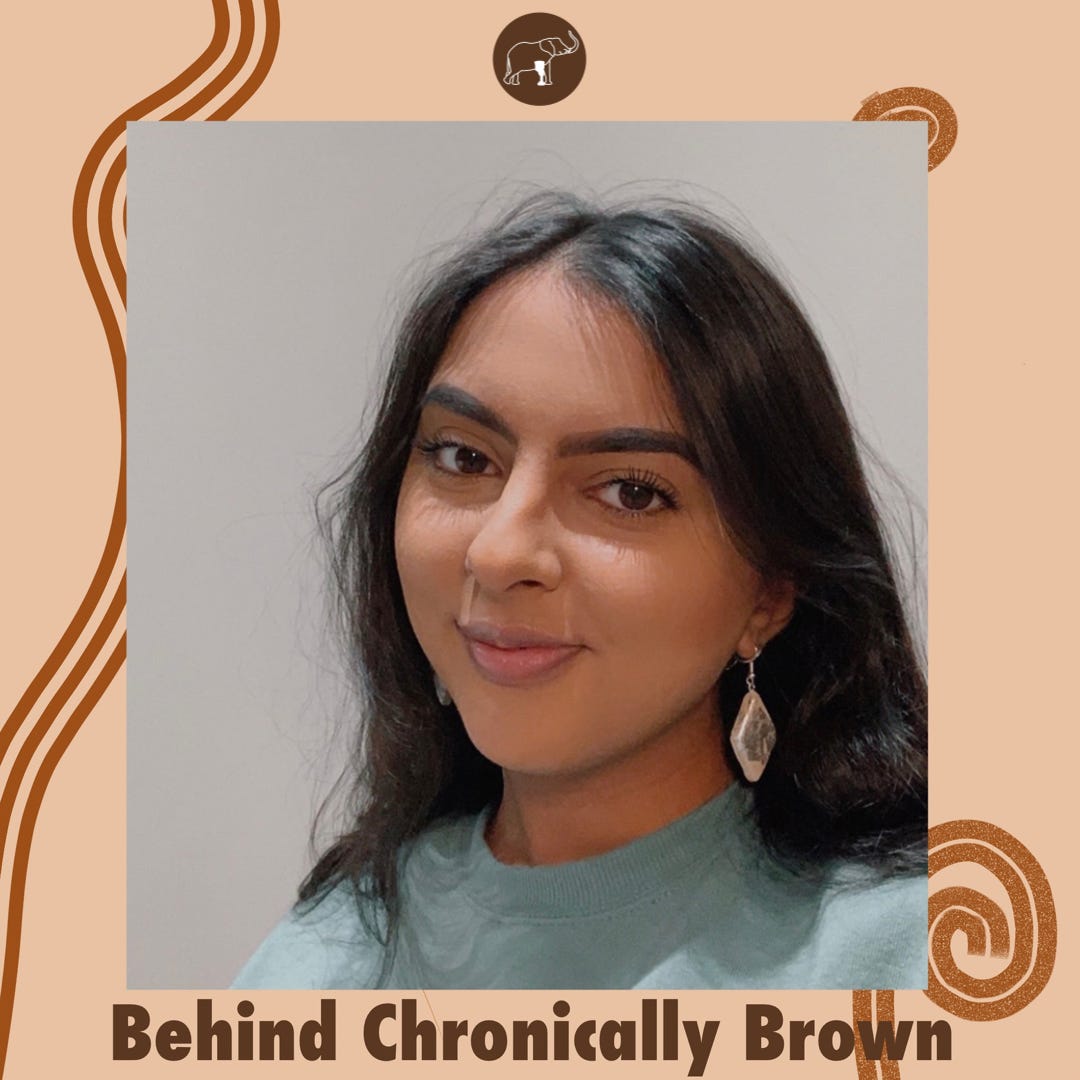
Sukhjeen Kaur (She/Her), is the founder and creator of Chronically Brown — a digital environment around disability within South Asian communities. Sukhjeen is 22 years old, studying Psychology and living in Worcestershire, England. We spoke to Sukhjeen about her experiences as a disabled/chronically ill woman navigating her illness and it’s intersections with a British-Indian heritage. How Chronically Brown came to be, and the need for more representation, information and understanding around chronic illness and disability within South Asian communities.
Chronically Brown Links -
Website
Instagram
Q&A
Can you introduce yourself and tell us a little bit about your personal journey with disability?
I live with a condition called Rheumatoid Arthritis and was diagnosed at 20 years old. This was during my time at university, so I went very quickly from an average university student that went out with friends and socialised every night to a disabled student that couldn’t leave the comfort of her four walls. Not many people understood my condition due to arthritis being associated with older people. This meant I received lots of weird looks and laughs (yes, I was laughed at) when I explained my condition with university students or staff. This meant I tried to keep as quiet as possible about my condition. Avoiding using my crutches even though I desperately needed them most days and taking painkillers like tic tacs to survive. It was an environment I hated the most and when the friends I made had disappeared after my diagnosis, I decided I was better off without them.
What inspired you to create Chronically Brown?
In the South Asian community, there is a popular saying and mentality of “what will people say?” which is linked to many taboo subjects such as mental health, sex, periods and disability. I was aware of this mentality from a young age when family members would live with mental health conditions in silence, which unfortunately led to upsetting circumstances.
Once I was diagnosed, I witnessed my family worry about who to tell and who not to tell due to the politics around this mentality. I was extremely angry that we couldn’t escape it and decided I wanted to talk out about it. Chronically Brown first started as a way to talk about my own illness and show my extended family what I live with. However, I noticed that there were many other brown people dealing with the same issues as me in the South Asian community and also felt like outsiders in the disabled community too. That was when Chronically Brown became a platform for chronically ill/disabled South Asians. Since then, I have noticed so many more friendships between South Asians who are also experiencing disability!
What common themes have you identified among the stories shared on Chronically Brown?
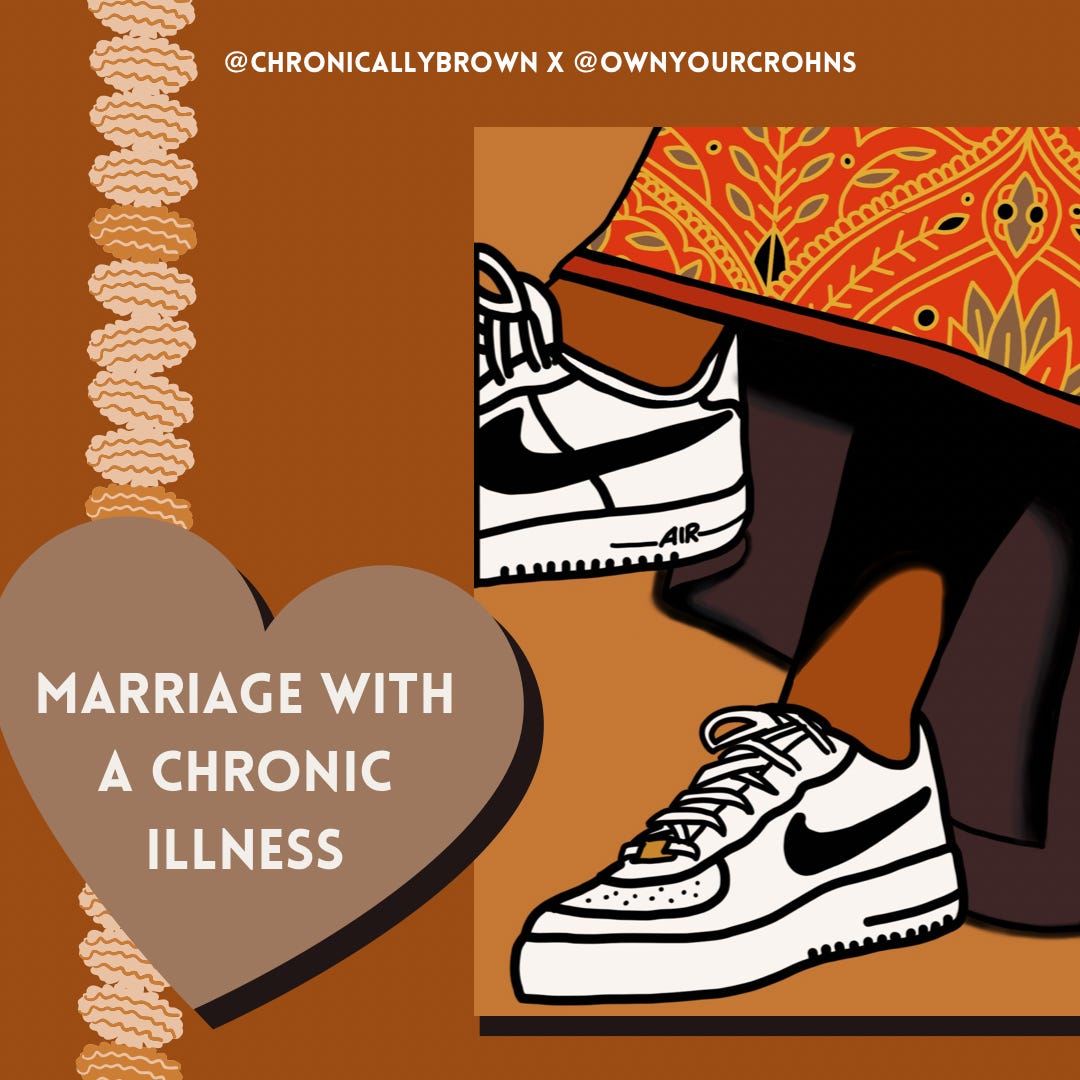
People usually want to share accurate information about their condition due to so much misinformation in the South Asian community. It sometimes has acted as a place for disabled South Asians to voice their frustrations within the culture and how it has suppressed their voices. I have also noticed how many disabled South Asians have internalised the ableism that is presented to them and they now worry about if they can have children, get married or have a career.
What challenges do sick and disabled people from South Asian backgrounds experience from their own communities?
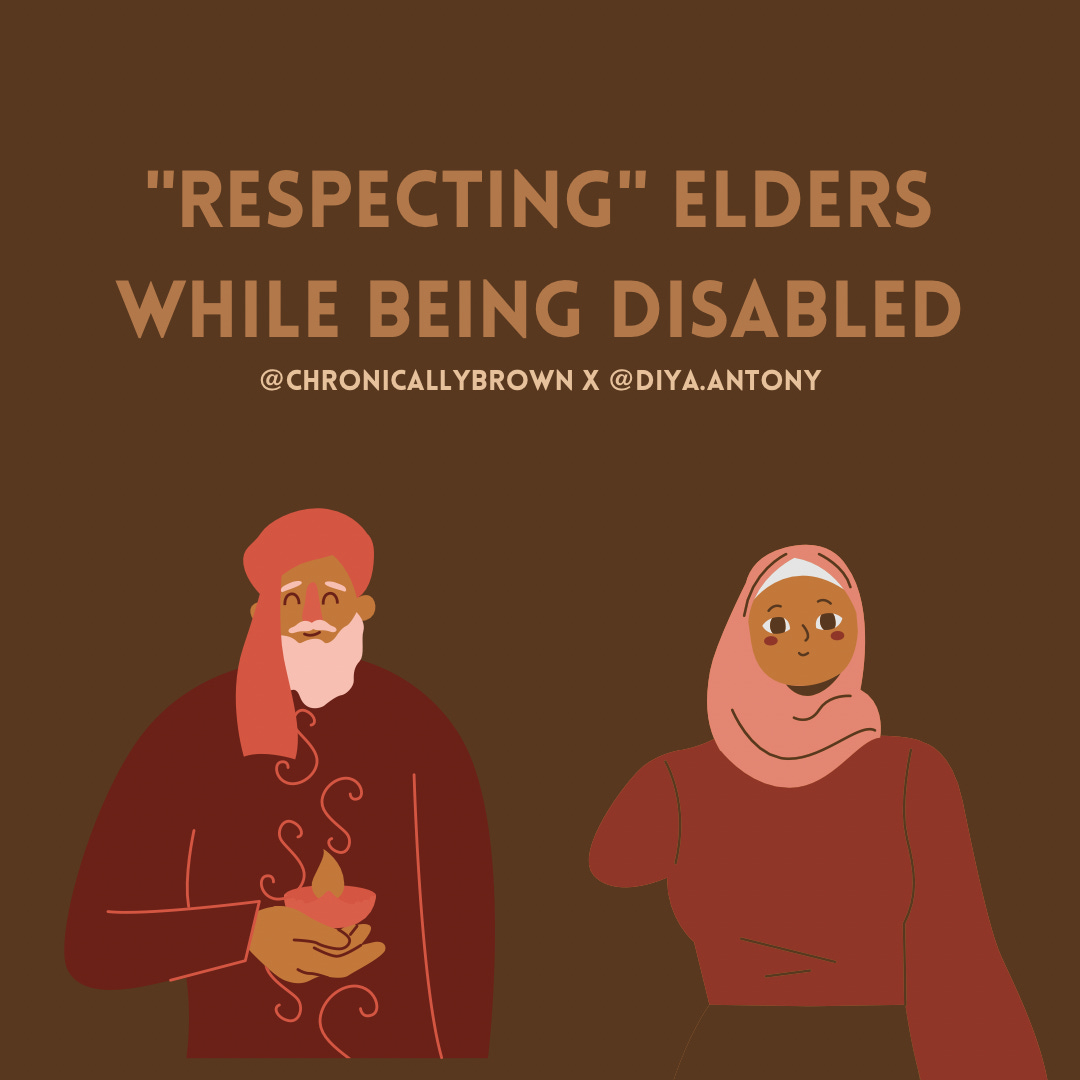
We all know ableism is prevalent in society, the one big difference for South Asians is they deal with it from their own households with no escape. Most South Asians are also not able to correct this behaviour either due to the perception that they must respect their elders and doing so is disrespectful to them. Some of the things chronically ill/disabled South Asians have shared with me include not being able to use mobility aids, western medications, or talk/complain about their symptoms. This is due to a lot of gaslighting to make them believe they are not ill/disabled.
What have your insights with Chronically Brown taught you about the way people from your community approach healing and treatment?
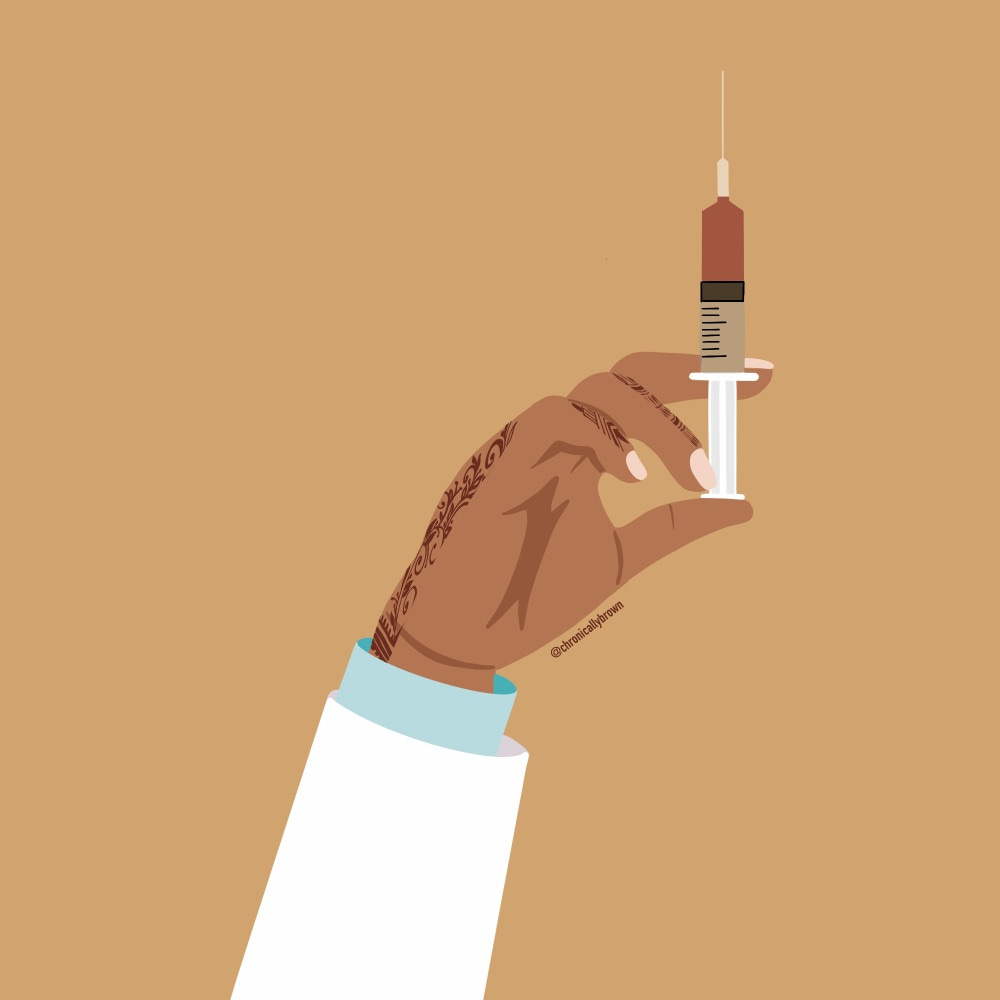
Western medication is perceived negatively by the South Asian community, mainly due to the long list of side effects that come with them. Many South Asians use the side effects to encourage the person to stop taking the medications and to start using herbal remedies instead. They aren’t wrong, remedies that include turmeric, ginger and garlic are anti-inflammatory and have even helped me in the past but to think these don’t have side effects too or that they can replace western medications is what is harmful. Another thing that is harmful is South Asians believing that praying or spiritual beliefs will help/cure them. Religion can be helpful to have belief in something bigger than what we see and can help some people. However, telling someone their condition will change for the better and they don’t improve after, can be harmful to the person.
As the creator of an online community, how do you navigate self care, burnout, and friction in the community for example?
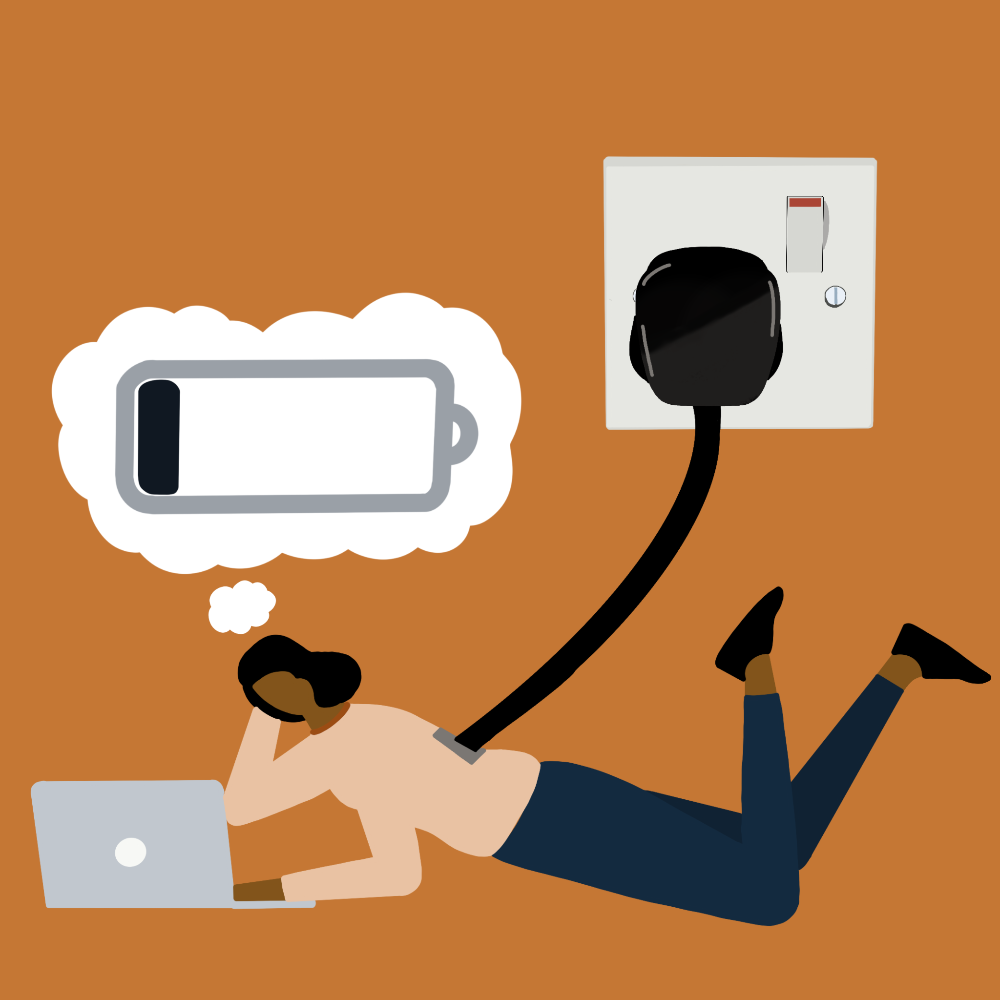
Planning and pacing is the thing that has made the community possible. Even when it seems like online that I have only just created something to post, I actually planned that at least one month in advance (including the caption & image descriptions). This gives me time to focus on my health or other things.
No one is perfect, mistakes happen including that one time I accidently spelt Pakistan as “Pakisatan” and had to apologise and take it down. The main thing is to own the mistake, apologise and correct it if you can.
The platform has a very specific niche which is one reason I think I haven’t come across much conflict on the platform. However, I did have one issue between identity-first language and person-first language which I used as an opportunity to ask what the majority of the community preferred and added a disclaimer to the page to avoid future upset.
How has your time creating Chronically Brown shifted your perspective on community and its importance?
Chronically Brown has definitely shown me the importance of intersectionality to make people feel included in conversations. As Chronically Brown gets bigger, this will always be at the heart of the work.

What can members of the wider disability community do to combat the whitewashing of online disability spaces? What can our readers do to support Chronically Brown and its contributors' experiences in general?
I think the first thing that needs to be addressed, is to notice the lack of diversity in disabled spaces. If you go on Instagram or Facebook, all you will see are white faces which can make many people of colour (POC) feel excluded. Once you’ve noticed, do what you can to change it. Give your space to POC to share their stories and experiences (NEVER talk for us, even if you know what we are talking about). Question platforms on why they aren’t showing POC. Find, talk and LISTEN to disabled POC. Share disabled POC work. Encourage platforms to diversify their volunteers/ambassadors/research etc. If white privilege is used in this way, we can make it that much more inclusive for others.

Get Involved
How do people go about being featured on Chronically Brown?
Writing your story about your disability and how your identity of being South Asian impacted that, include a photo of yourself and email it to contact@chronicallybrown.com. The feature will be shared on social media and our website!
What current accessibility features do you use, how can people get in touch to make requests?
We include alt-text/image descriptions on all our photos, include subtitles on all videos and we are always happy to create any more adaptations should anyone in our community need it. You can contact us through our email or message us on social media!
Comments
Nothing yet. Say the first thing.
Sign in to join the conversation.