
Hello World!
Disability related events (my favourite kind) are so often few and far between, which is why it was refreshing and exciting to have had a week of noteworthy events happening for the disability community here in London. So without further ado, here's a recap and review of two events I was fortunate enough to attend.
Also, if the accessibility of this email can be improved, please feel free to leave a comment or message me directly. Substack is a new format for us.
Thanks!
Claudia
(Founder and E-I-C of Able Zine)
I was invited to the premiere of the beautiful short film Beyond Vision by Hackney-based Hair & Care (H&C). H&C is a non-profit organisation that supports blind and low vision women and girls through accessible hair and beauty education—founded by award-winning hairstylist Anna Cofone, who, when she isn’t touring with clients such as Lana Del Rey, operates in-person workshops out of Hackney Depot with members of the blind community and volunteers from across the beauty and creative industries. Cofone's work is motivated by her personal experience growing up with a blind parent. Witnessing the exclusion he faced by the beauty industry, and the unmistakable confidence that pride in his appearance gave him, Cofone now works alongside others to challenge the ongoing failure of mainstream beauty culture to represent disability and make their products accessible.
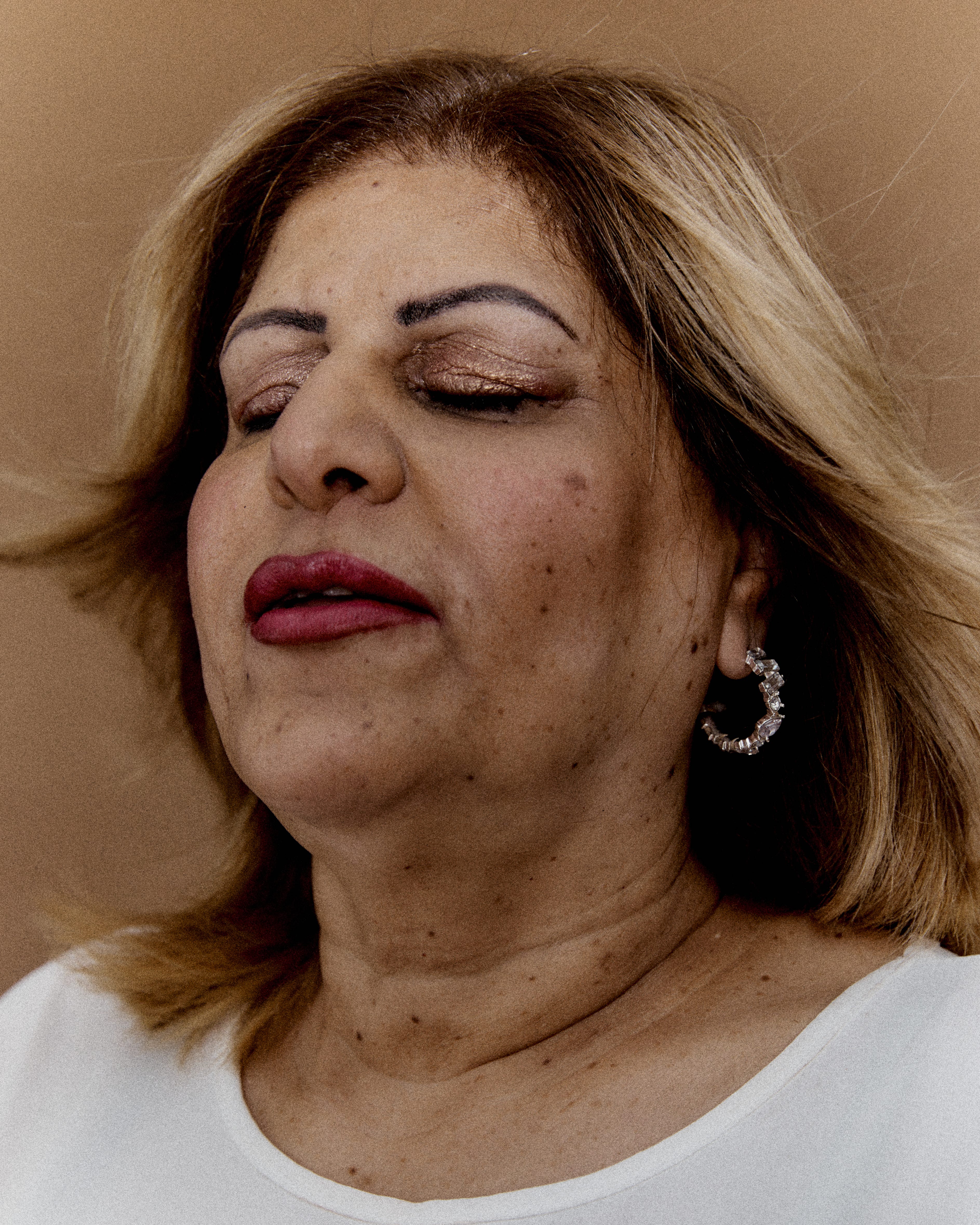
Beyond Vision showcases H&C’s work and the growing community of people who attend their classes. It highlights the impact of their mission, not solely for appearance's sake but for empowerment, connection, and world-building. The film documents a day when attendees had their hair and makeup done for a series of portraits photographed by the highly talented Charlotte Ellis. These portraits could then be used as professional headshots, something that requires means, trust and confidence, and is an asset which sighted people might take for granted. In a world where books are so often judged by their covers, you cannot underestimate the power and reach of a good headshot.
The short film, directed by Hector Hilleary, is shot in black and white and includes audio descriptions throughout. There are poignant and vulnerable reflections shared by the attendees, for example, Grace says, "When I first got registered, I didn't care about my appearance. Because I thought people don't see me. People don't see me. But, being beautiful or feeling confident, and feeling happy within myself, it's just amazing." As a way of sharing with the world what H&C does, the film offers only a snapshot. The organisation have begun an initiative, Making Fashion Accessible, whereby they partner with designers across London and Copenhagen Fashion weeks to offer touch tours of collections, audio descriptions at runway shows, and the chance for blind and low vision people to attend front row and experience the world of high-fashion for themselves. It breaks down barriers not only of accessibility, but also elitism, ableism and exclusion within a notoriously inequitable and shallow industry.
Next came a panel talk featuring speakers including blind presenter, author, and advocate Lucy Edwards, Jane Manley from the Royal National Institute of Blind People, fashion designer Chet Lo and Beauty Director Alex Peters of Dazed Beauty. The conversation highlighted some harsh realities about the state of accessibility within beauty and fashion, offered practical ideas about possible changes, and gave real insight into the lived experience of blindness and low vision. One audience member recounted the number of times they had applied conditioner before their shampoo, because the bottles lacked braille or any other way to differentiate them. Another remarked on how easy it would be to add QR codes to packaging, referencing the assistive technology many blind people use daily. Yet, product design continues to be an afterthought or designed solely for aesthetic purposes. Disability inclusion is an ongoing oversight because disabled people are (almost) never included in the design or marketing process. However, in exciting news, Lucy Edwards is in the process of designing her own makeup collection, Etia, with backing from Estée Lauder and TikTok. Perhaps, instead of a seat at the table, one can always build their own. Please support Lucy, her upcoming brand Etia, and other disabled-owned beauty brands, such as Human Beauty.
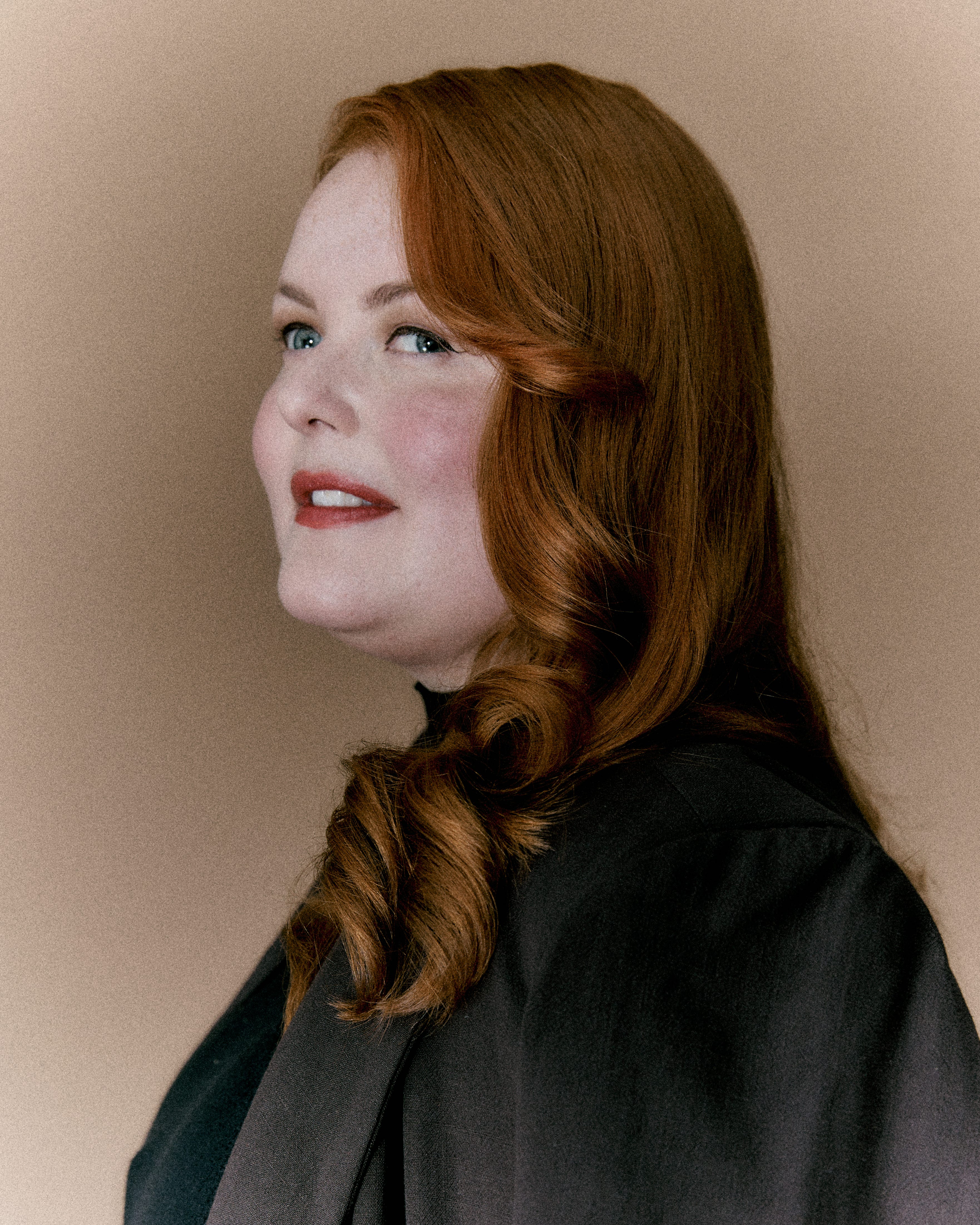
Hair & Care is slowly building a digital platform featuring hair and beauty education videos for blind and low vision people worldwide. I look forward to seeing what else they will accomplish more broadly within the fashion and beauty industries. Please consider spreading the good word and supporting their work here.
Open Style Lab (OSL) is a leader in the intersection of disability and design. Established in 2014, OSL is a non-profit organisation dedicated to creating a more accessible future through design education, research and public engagement. They specialise in co-designing alongside the disability community to create wearable product solutions that benefit all.
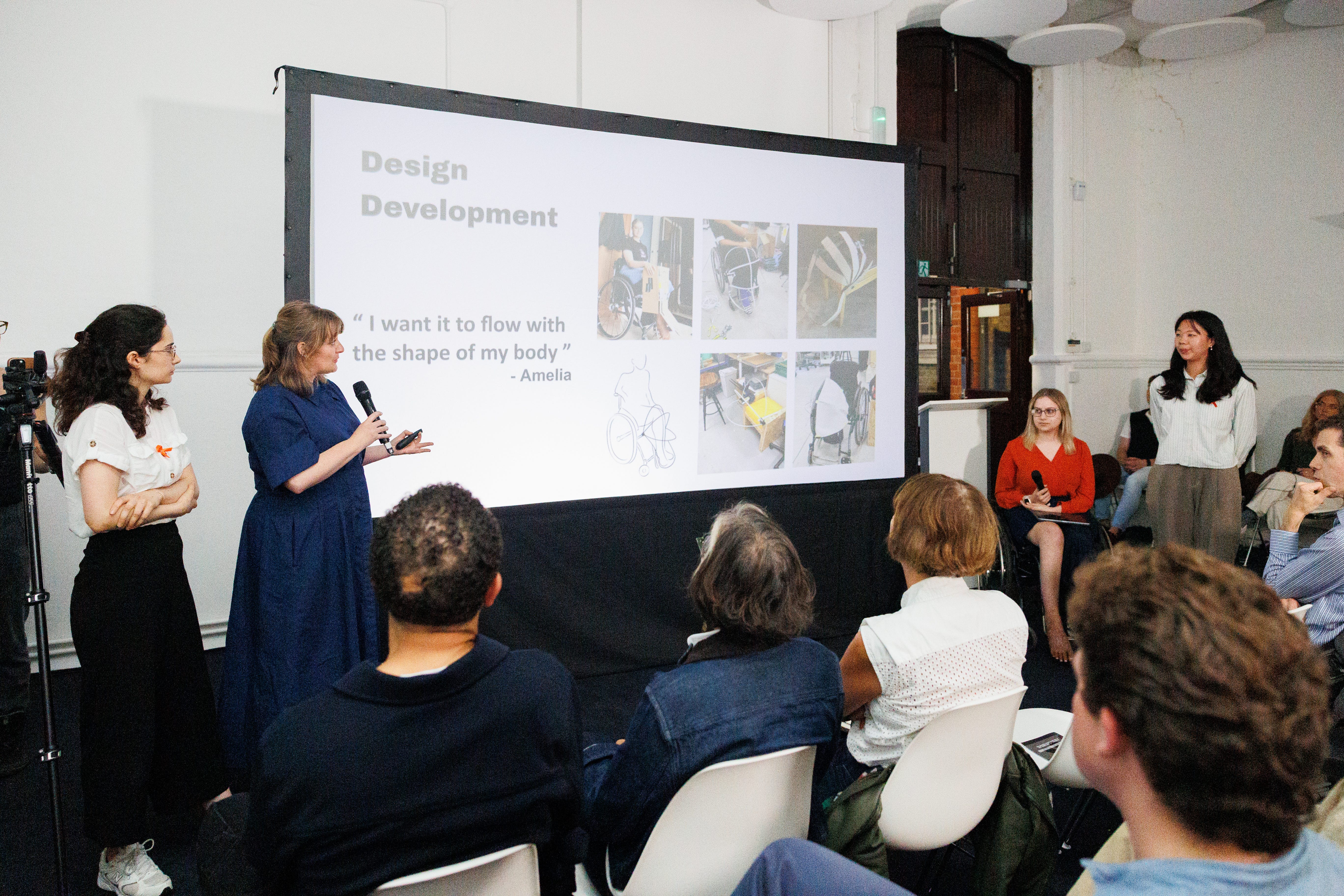
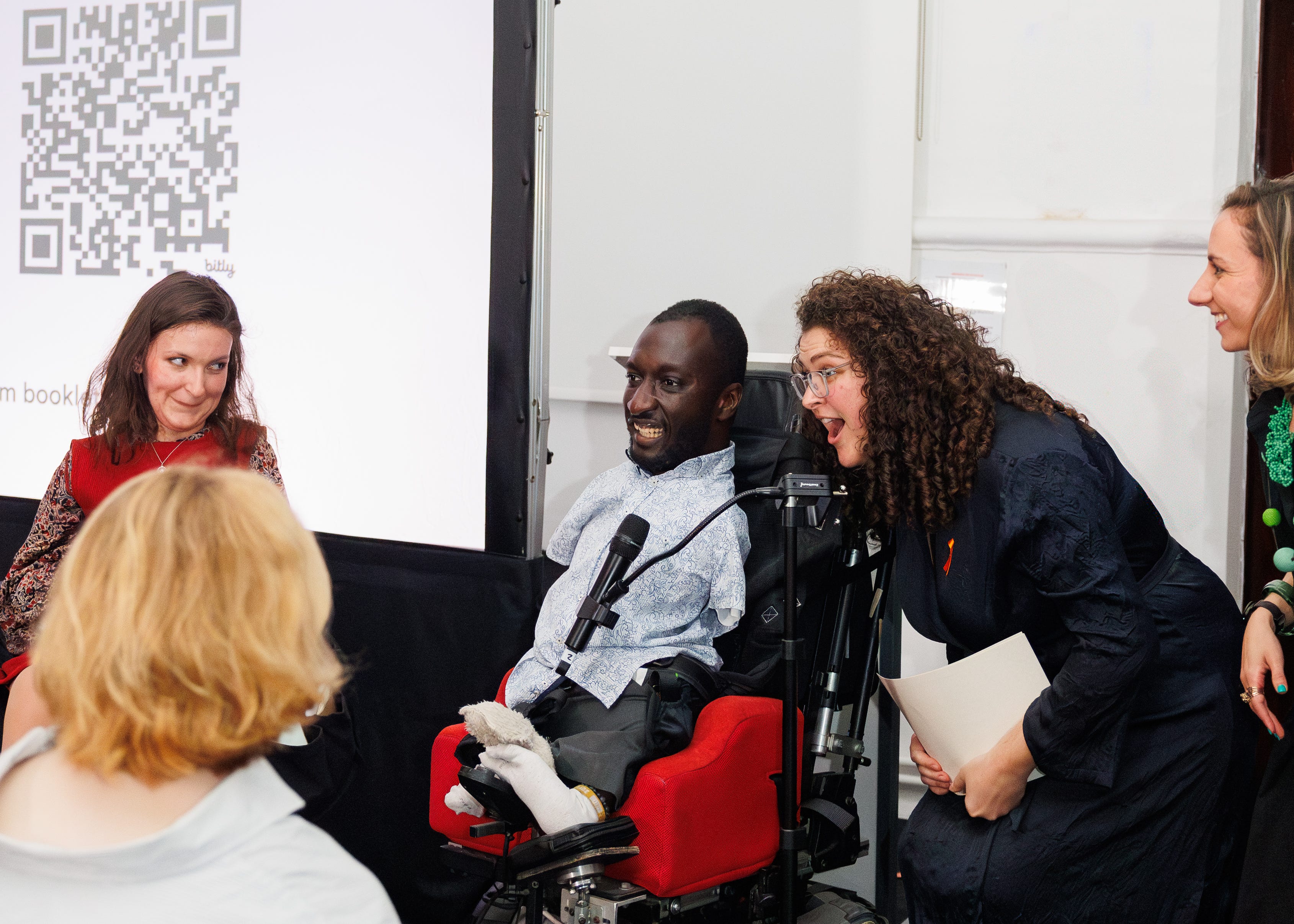
With a strong foothold in NYC, OSL has since established a branch in London, creating parallel design programs in two of the major design cities. Last week, they held their inaugural Design Impact Fellowship final exhibition and panel talk at the Zaha Hadid Foundation. The fellowship brought together 4 teams, comprised of designers, occupational therapists, engineers and fellows with lived experience of disability to tackle a design problem. Each fellow provides a different element of expertise or insight, enabling dynamic co-creation and team work to unfold.
In 2023, OSL researched and published a white paper which showed that 47% of people with physical disabilities find shoes the most challenging item of clothing to find and wear. Considering the pressing need for inclusive footwear design, the teams rose to the challenge; identifying areas of need and creating life-changing items for an accessible footwear kit.
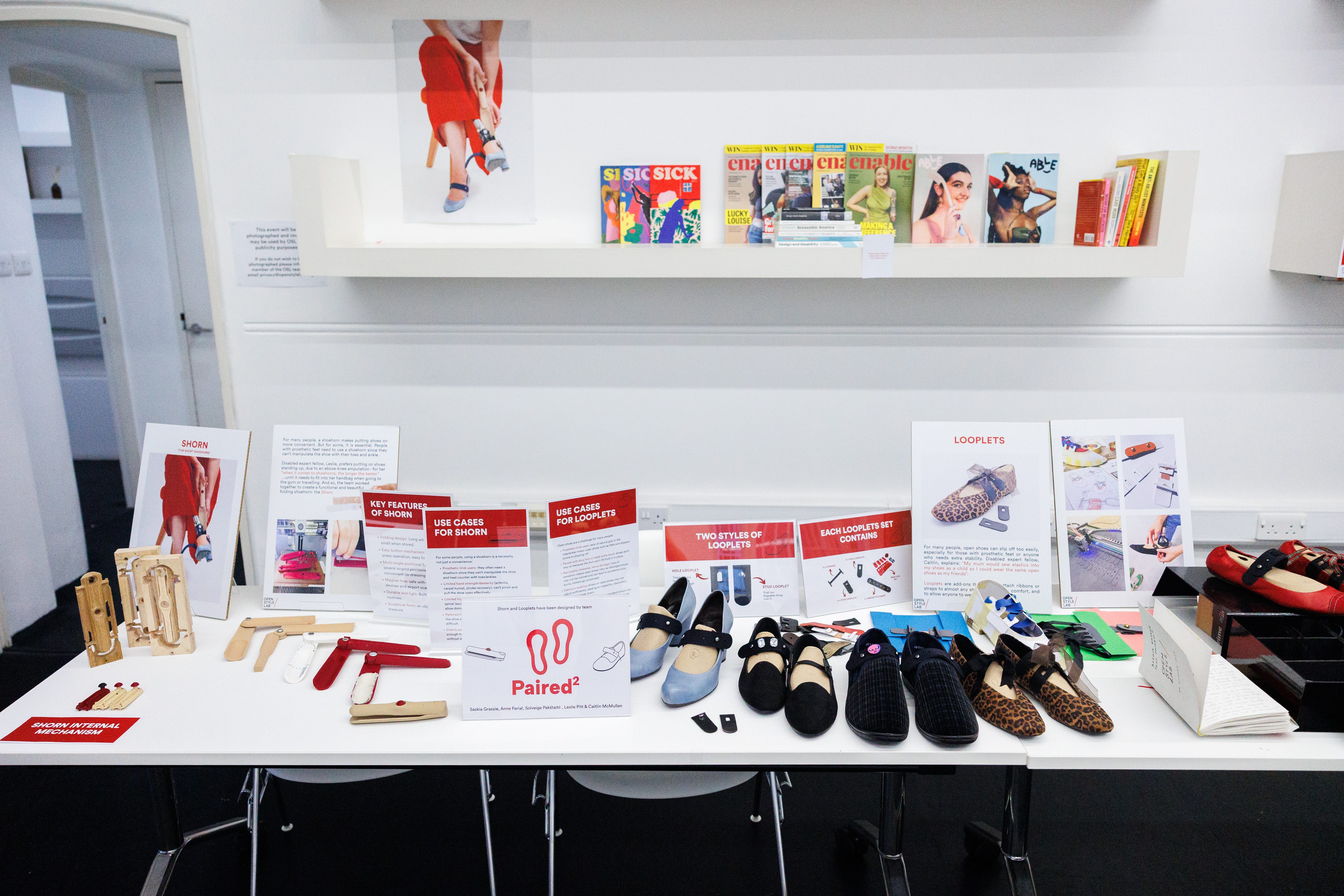
Over 6 weeks, the teams collaborated from ideation to experimentation, producing ingenious items including: a silicone insole with pull heel tab that can fit in any shoe, attachable shoe straps for prosthetic users, a retractable, adjustable shoe horn, a wheelchair attachment that removes the need for worn shoes but still provides cover, and toe cap patches to prevent scuffed toes for those with gait issues.
Listening to the teams describe their designs and the inspiration behind them led to lightbulb moments in disability awareness. For one fellow, an easy-to-pocket shoe horn would allow them to remove their shoes in public spaces such as shops, airports, gyms and hospitals in a way that feels safe and enables independence. The item, made from wood, is not only functional but also beautiful and sustainable. For another fellow who has Complex Regional Pain Syndrome, wearing shoes can trigger severe pain, as can wind, rain and sun. The solution? A functional and aesthetic attachment on her wheelchair, which doesn’t touch the skin, but instead folds over like a skirt with retractable half loops, the end product looking almost like a shell. It is a pain-reducing and protective design that could have wide benefits for people recovering from burns, post-surgery, and those who operate electric wheelchairs and other tech with their lower limbs.
The impact of the fellowship feels almost poetic. Design is woven into the fabric of society, but good design improves quality of life, whereas bad design hinders it. The team structure ensures that all angles are considered, and by drawing in additional product testers and disabled mentors, the real versatility of lived experience can be learned and embedded into the design process. The skills the fellows will be able to take into future projects and organisations are diverse. Ultimately we’re left to consider the same questions; who is in the room when we design products for the public? When we exclude the 1 in 5 with a disability, we limit the power, longevity and potential of good design.
OSL are looking for partners and manufacturers to bring these designs to the next stage, and make them available to the public. To support them, share or follow their work here.
No posts
Comments
Nothing yet. Say the first thing.
Sign in to join the conversation.