
This article originally appeared in the June 2026 issue of Revive the Table
In North America, we have done a great disservice to modern-day children by not allowing them the space to develop a healthy relationship with food.
It has become normal to label children as picky eaters and accept that the kids’ restaurant menu consists of pizza, fries and chicken fingers. This menu wouldn’t even be bad if these offerings were made from wholesome ingredients but, unfortunately, the pursuit of cheap and plentiful food has allowed highly questionable food-like products to infiltrate our food system.
It is common for kids to be given low-fat milk, pasteurized juice and soda, and be offered candy at every special occasion. They are often fed sugary breakfast cereals that start their day on a metabolic roller coaster that would leave anyone feeling hungry, irritable and unable to concentrate. And rather than parents sitting with the discomfort of their child refusing to eat what is served for dinner, many parents make a separate meal for their kids. And sometimes those meals aren’t even eaten as a family.
It’s hard for anyone to foster a healthy relationship with food when eating an abundance of ultra-processed foods and sugary beverages. Rather than food prepared using traditional techniques (such as turning milk into yogurt, or cabbage into sauerkraut), industrial processing produces vastly different products that are unrecognizable compared to what our ancestors ate, and these ultra-processed foods are designed to be addictive.
A diet that centers around whole-food ingredients like meat, eggs, full-fat dairy, vegetables and fruit will leave you feeling satiated and nourished and this nutrient dense, bioavailable food helps regulate everything from hunger, to energy to our emotions. This way of eating also supports a healthy gut microbiome, which does wonders for immune health and balancing mood.
I have some thoughts on how we can best support a healthier food culture at home, but I’m not a nutritionist or pediatrician. I am a former vegetarian turned rancher with a passion for real food, because returning to a real-food diet transformed my own relationship with food. Years of disordered eating mean that I understand how complicated one’s relationship with food can be. I also recognize that our food choices are affected by socioeconomic factors, as well as preferences and possible sensory issues. But despite the challenges, I know from experience that a lot can be gained from small steps towards healthier choices. Over time, to the best of your ability, moving towards prioritizing food that is made up of whole food ingredients will offer you and your family amazing benefits. Here are some ideas that have worked for our family.
· With rare exception, kids should eat the same meals as their parents. One of our first pediatricians recommended the one-bite-rule. I don’t think kids should be forced to clean their plate (that can cause other issues), but they should have to try things. It might take some time but if you set the precedent “this is dinner” and another option isn’t coming, even if they fuss, most kids will get the message. Within these parameters, we do respect preferences. We don’t make our kids a separate meal, but they do get some choices as to how things are prepared. For example, we’ll make everyone’s eggs the way they like them.
· We should do away with the kids’ restaurant menu (or have it be smaller portions of what is on the regular menu)
· A good gauge of quality is asking, can I make this food in my own kitchen if I wanted to? For example, even if you don’t render your own tallow or churn your own butter, you could, whereas you aren’t able to tackle the intense amount of processing necessary to create your own canola oil; you can make your own banana bread, but you’d be hard pressed to recreate the long list of ingredients found in many processed bakery items. Even if you buy prepared items for convenience, look for short ingredient lists with items you recognize.
· We can help our kids understand that it is okay to feel hungry sometimes. Kids need fuel for their growing bodies, but it’s okay to feel hungry before a meal, as we are all more likely to eat what is served for lunch or dinner if we don’t fill up on snacks first. Healthy, home-cooked meals shared as a family nourish us on a deep level, but I do remember as a new parent hearing these wise words: it matters more what a child eats than what time of day they eat it. Regardless of whether it is a snack or a meal, what maters is nutrient density. We can strive for real-food ingredients and if that comes in the form of a snack, rather than a sit-down meal, that’s okay too. Alas, many go-to children’s snacks are heavy on sugar and light on protein and fat, so here’s a list of my favorite real-food snacks.
· Hard boiled eggs or deviled eggs
· Ants-on-a-log: nut butter on celery with raisins
· Popcorn with lots of butter. We also love sprinkling on nutritional yeast, too
· Nori seaweed
· Cheese and crackers (I like making homemade sourdough crackers)
· Milk. I love raw milk but if choosing pasteurized milk, go for lightly pasteurized and choose full-fat and non-homogenized. Turning your milk into kefir is a great option for boosting the ecology.
· Pepperoni, salami or beef jerky
· Sauerkraut or kimchi
· Homemade banana bread or apple muffins (I always reduce the sugar in the recipe) topped with butter
· Olives
· Plain, full-fat yogurt with fruit
· Pork rinds
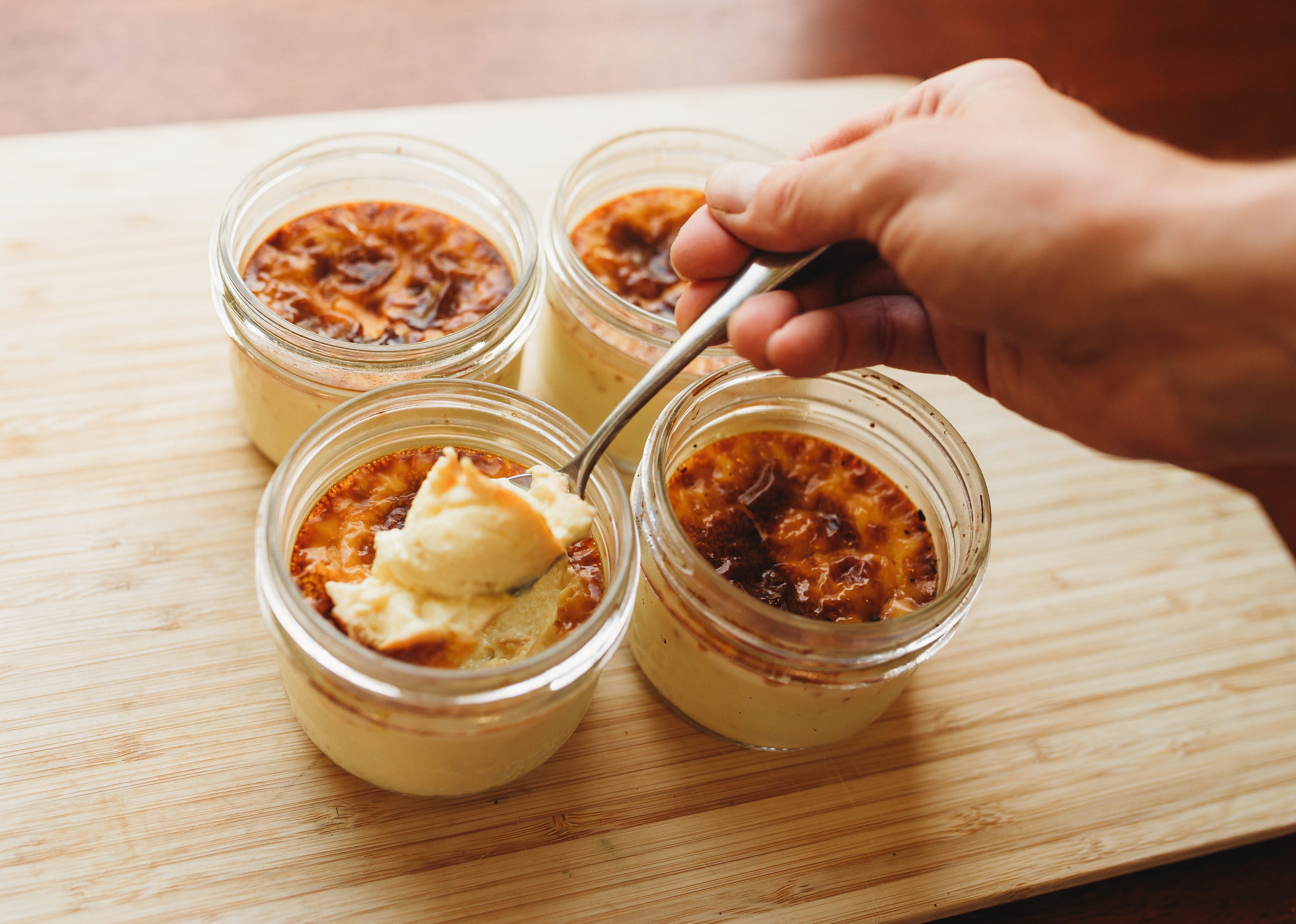
· Custard (one of the many recipes in my book Radical Farm: Animals, Food and Our Future)
· Homemade gelatin or chia pudding
· Ricotta cheese with maple syrup or fruit
· Rice pudding: leftover rice, butter, maple syrup, cream and cinnamon
· Dried tomatoes or apples
· Sourdough bread with lots of butter
· Carrots, cucumbers or crackers with liver pâté
· No-sugar-added fruit leather or whole fruit, ideally paired with nuts or cheese
· Butter dates (simply butter inside a date!)
· Smoothies made with lots of full-fat dairy. Use any leftovers to make popsicles.
Abey Rae Scaglione is a farmer in British Columbia, Canada. She is the author of Radical Farm: Animals, Food and Our Future, which includes information and recipes to help you reconnect with your food. www.radicalfarmbook.com
Comments
Nothing yet. Say the first thing.
Sign in to join the conversation.