

Keep reading:
Most summer Sundays, I find myself composting the colourful bouquet that just days earlier was in full bloom. I bury the slimy stems and watch as the petals fall, one by one, into the heap. As much as my head knows flowers, just like humans, are ephemeral — that we are at once living and dying — the smell of decay viscerally re-acquaints me with loss.
Try as we might, we cannot avoid loss. Loss is as much a part of existing as breathing. Every day, 50 to 70 billion cells in our bodies die as part of a natural rebalancing act.
Grief, Dr. Kenneth Doka tells us, is the “natural way” we respond to a loss in attachment. A constellation of feelings that ebb and flow, grief often includes sorrow, heaviness of heart, and agony of soul.
“We used to look at the function of grief as kind of allowing a process of detachment and a restoration of life … Now we emphasize that people really don’t detach … It’s the process of adjusting to in many ways what’s going to be a new relationship and a different relationship rather than simply the abolition or detachment from a relationship.”
And yet, dominant culture recoils from most loss. We dismiss, minimize, and deflect so much of our grief. We distract ourselves with screens and substances. We stumble to find words to express ourselves.
Other than the death of a loved one, rarely do we pause to honour the grief that comes from losing our attachment to friends, pets, jobs, language, culture, identity, purpose, status, or even our ideas about justice & fairness. Outside of funerals, where do we go to mourn all the little and big losses that accumulate over time? Neither the language of mourning or bereavement feels expansive enough. We don’t often conceptualize non-death losses as something befitting a public ritual, or significant enough for bereavement leave.
Doka terms this kind of hidden grief, disenfranchised grief. He writes,
“I define disenfranchised grief as grief that results when a person experiences a significant loss and the resultant grief is not openly acknowledged, socially validated, or publicly mourned. In short, although the individual is experiencing a grief reaction, there is no social recognition that the person has a right to grieve or a claim for social sympathy or support.”
My mind often wanders to William, dragging a decrepit walker across an empty parking lot to pickup a tallboy with scavenged change. Evicted from veteran’s housing, William could not stand the indignity of waiting in line for a shelter spot. Once a proud bull-rider, soldier, and police officer serving his reserve, the line was a shameful reminder of all he had lost. Identity. Purpose. Status. All passersby saw was another homeless man struggling with addiction. No one knew who William was or who William desired to be.
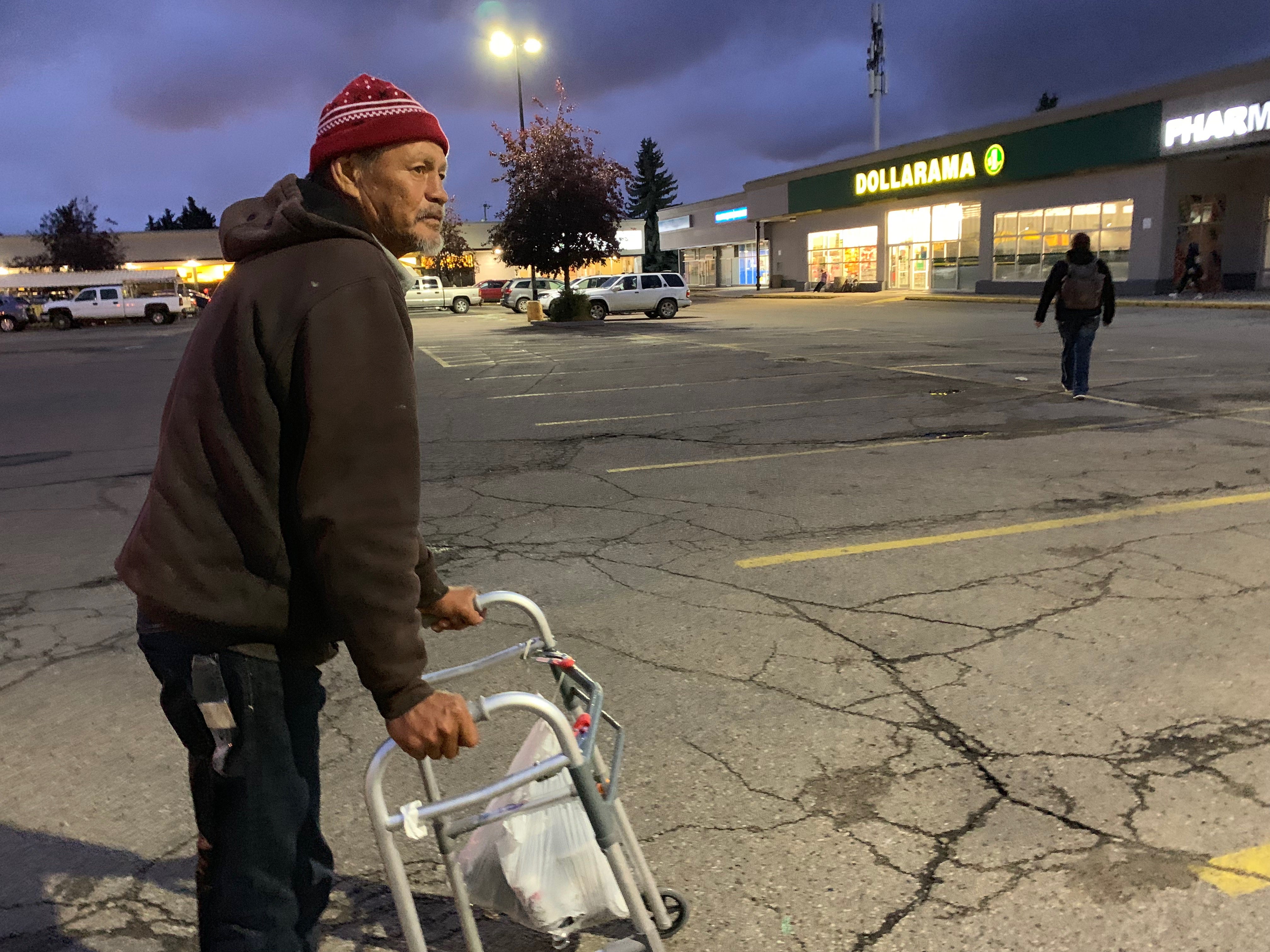
William’s plight hits hard. While I would never equate our experiences, I do know what it’s like to lose identity, purpose, and status — to experience what scholars call ‘existential shattering’ where unexpected events call into question the ways in which you make meaning and relate to others. When you lose your anchors and start to feel grossly inadequate, it’s unbelievably painful to find your way again. (And, I have been ridiculously privileged to have a deep support network and a skin colour which affords unearned status.)
Shame is corrosive — and incompatible with healing. To adjust to and integrate loss, we must be able to to move with and through the unpredictable waves of grief, without fear of exclusion, and re-affirm we are worthy of love and belonging.
Renee Blocker Turner and Sarah Stauffer, who explore how experiences of marginalization intersect with grief in their book Disenfranchised Grief: Examining Social, Cultural and Relational Impacts, write that
“Disenfranchisement is related to the deprivation of a right (e.g., to vote) or a privilege (e.g., to legal counsel), or is a felt disconnection (e.g., not sharing a sense of belonging) within a specified context (e.g., a democracy, a criminal or civil trial, or a school setting).”
Felt disconnection is a theme that shows up in pretty much every ethnography our team has collected with folks subsisting on the margins. A few years back, we looked across all the stories we gathered with people living rough. There wasn’t a single story that did not traverse through layers of unattended to loss, leaving folks feeling like they didn’t matter and didn’t belong. We were struck by how often service contexts — hospitals, shelters, supported housing — triggered shame & disconnection. Mitch, whose chronic illness left him in near constant pain and reliant on a wheelchair, was repeatedly turned away from the emergency room, told he was ‘abusing’ the system, and left to grapple with a body that no longer felt like his own.
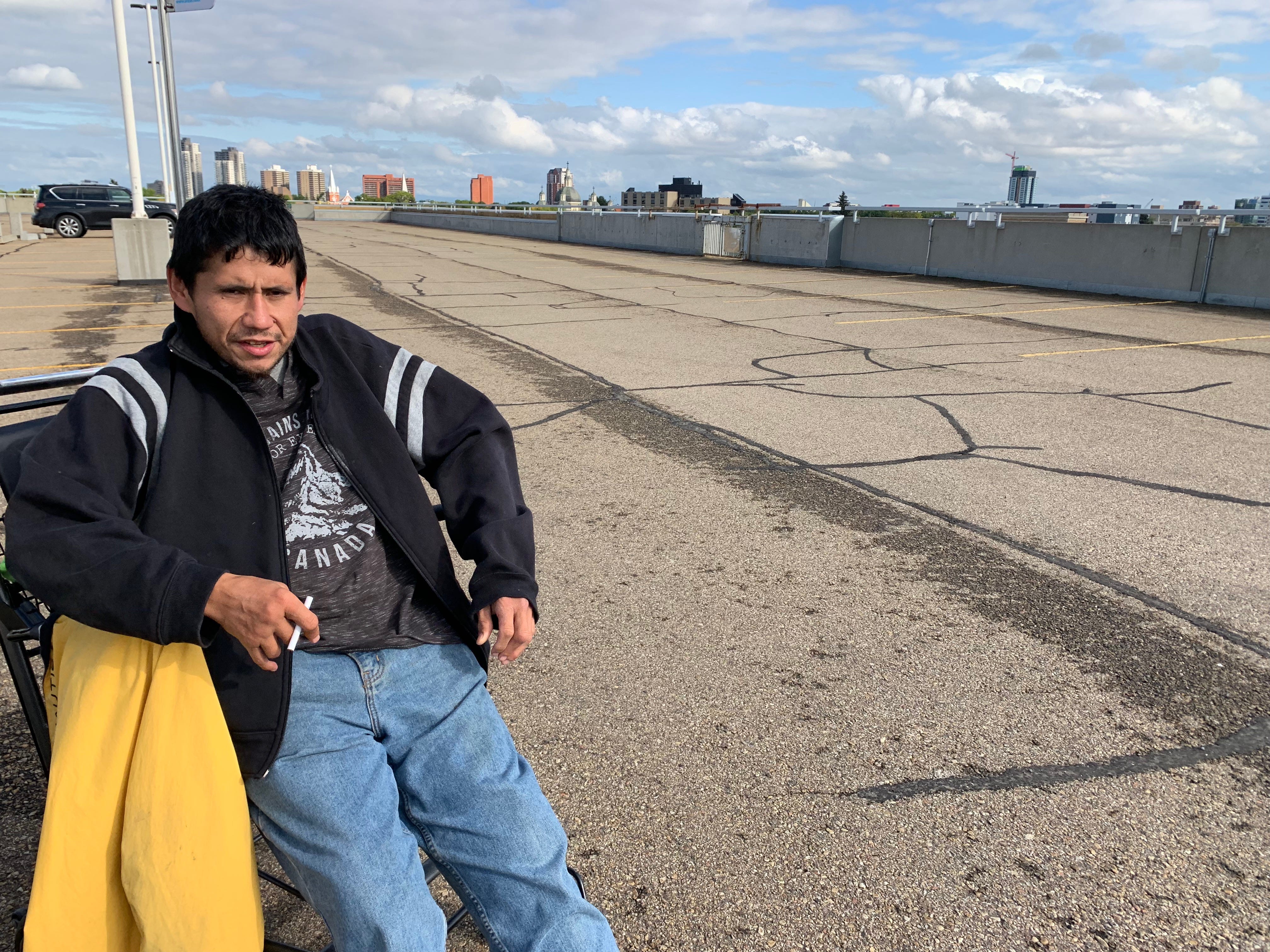
Acknowledging felt disconnection is a necessary step towards reconnection. (Re)connection is at the heart of wellbeing. We’ve learned from people like William and Mitch that we are well when we feel (re)connected to our bodies & selves, to friends, family & community, to nature, to culture, to the sacred, and to the human project of meaning making & self-actualization.
Challenge is, there are so few spaces and rituals for tending to loss and acknowledging felt disconnection across each of these areas. We internalize messages that others have it worse, that we just need to keep on keeping on, that we should be grateful for our basic needs being met.
This gap in public spaces & rituals for loss led us to co-create Soloss. Soloss is a network of everyday folks tending to each other’s loss and grief using art, music, movement, story, and ceremony. Folks with a creative, spiritual, or somatic practice are supported as ‘Losstenders’ — think a bartender, but for loss — and are matched with community members in the midst of grief and loss. Together, they mark loss. That can look like co-writing songs, painting, dancing, drumming, making caskets, exchanging symbolic objects, and the list goes on. Losstenders, in turn, are supported by a Circle of Support - Elders & wisdom practitioners — who hold space for processing their own and others’ grief. The goal of Soloss is to cultivate layers of collective love & care — drawing on the deep well of inter-cultural, spiritual, and expressive practices that are often outside talk-based therapies and Westernized medical care.
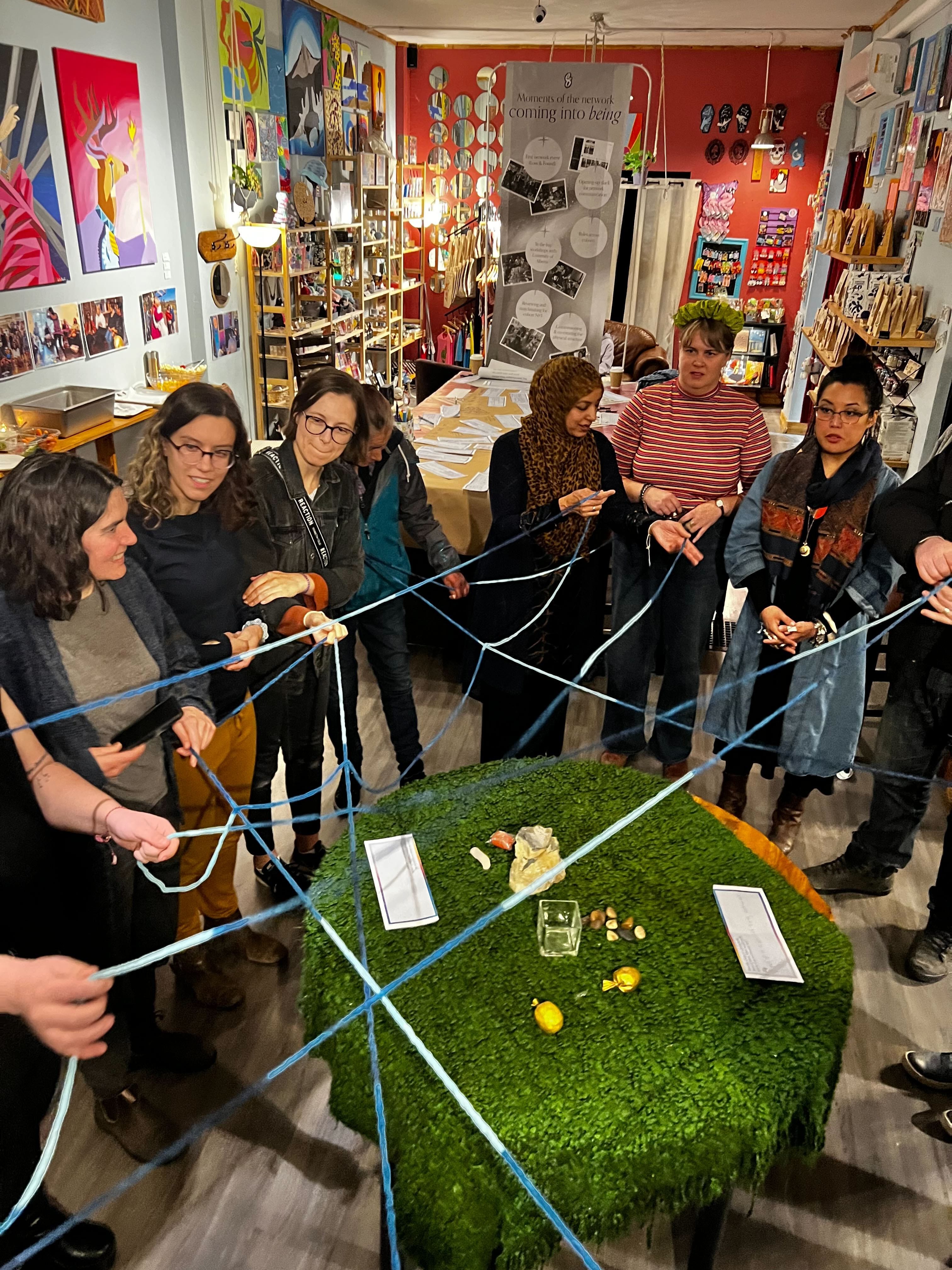
Increasingly, the scientific literature points to the efficacy of cultural, spiritual, and expressive practices for healing. For instance, across 100+ scientific studies, spiritual practice turns out to be a moderate predictor of post-traumatic growth, while religious coping is a strong predictor of growth after traumatic loss. At the same time, Turner and Stauffer’s book explores spiritual trauma and complicated spiritual grief, where one questions their meaning, purpose, and relationship with higher powers. Soloss seeks to make space for it all.
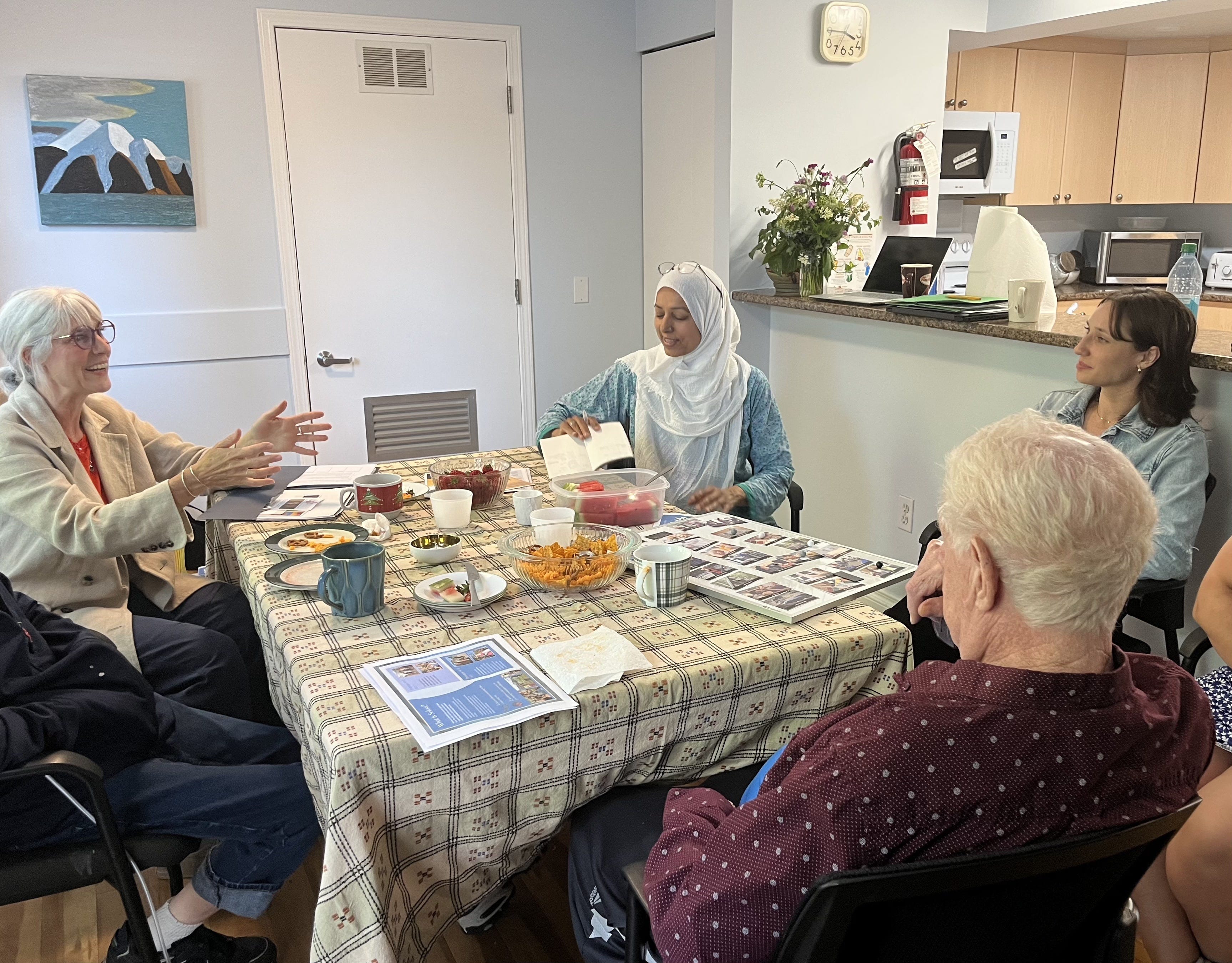
Over 2025, with partner organization posAbilities, Soloss is testing how to make space for grief and loss within group homes and day programs. Because of society’s tired narratives of people living with developmental disabilities — narratives that focus on looking after people’s bodies at the exclusion of their interior lives — we’ve found grief and loss to be especially disenfranchised. What might be showing up as ‘behavioural challenges,’ depression, aches, pains, and illnesses may very well be disenfranchised grief.
I’m feeling some of those aches & pains now.
With all of the economic and political turmoil, governments are slashing budgets and reverting back to basics. Much of our work, like Soloss, is under threat. We anticipate losing resources and losing ground. The fear of loss sits in my stomach, back, and throat. Rather than just soldier on, Soloss has taught me how important it is to acknowledge the sadness, anger, overwhelm, nostalgia, and trepidation — in other words, the grief — that comes even from anticipated setbacks — from having to change course, and say goodbye to a path you thought you were on. Even where change ultimately leads somewhere good, there are still losses to sit and move with. But because so many of us have been taught to suppress grief, it’s easy to fear change. I see that fear baked into so many of our social systems, which we humans have designed as machines of control with little tolerance for uncertainty, ambiguity, or learning.
If we want our social systems to be more human, then we humans must start by growing our capacity to be with loss, share grief, cultivate hope, and love.
“Deep sorrow, heaviness of heart, and agony of soul. It can also be understood as mental anguish and emotional suffering. Although there is an aspect of grief that is universal and familiar, on a deeper level, grief remains surprisingly unfamiliar and mysteriously strange (Naji Abi-Hashem, 1999, Grief, Loss, and Bereavement: An Overview).”
Grief is a response to separating or detaching from people, places, objects, functions, or ideas that hold meaning. Following loss, we face an up-and-down process of “readjustment, renegotiation, reorganization, and re-adaptation to living without what has been lost. Attig (1996) calls this process the relearning of the world.
So much loss & grief goes unrecognized — rarely do we treat the loss of self, capabilities, identity, status, culture, language, or future imaginings as events worthy of bereavement. While Western society marks death through rituals like funerals, there are few shared ways to honour the full range of losses — especially losses compounded by historical injustices and intergenerational trauma. These kinds of hidden losses are what is called disenfranchised grief.
Loss & grief that goes unrecognized festers, negatively affecting our mental, spiritual, emotional, and physical health.
While grief is a universal experience — one that underscores our shared vulnerability — few of us feel capable to sit with our own or others’ losses. Instead, we often deflect and distract.
Loss & grief is like a thick fog that obscures wellbeing. Before we can feel (re)connected to body & self; friends, family & community; land; culture; the sacred; and the human project, we must grapple with our sense of disconnection from these areas. Outside of therapy, there are few spaces & supports for healing, especially those drawing on diverse cultural, spiritual, and expressive traditions.
In place of dominant frameworks (you might have heard of the 5 stages of grief?) we can embrace ideas about grief that aren’t so linear, prescriptive, or fixed; that don’t try to hasten people’s ‘recovery’ from grief, cheer them up, or counsel ‘getting over it.’
Instead of replacing one limited framework with another, we can welcome a range of models. One of those models is called the dual processing model. It says we swing between confronting the stress of loss, and taking breaks from that stress. The goal is to accept that grief is a see-saw: our attention will shift back and forth from a loss orientation to a restoration orientation as we learn to rebalance (Stroebe and Schut 1999).
Reflect on what losses go recognized versus unrecognized in your life and your organization.
Open-up conversation about what collective care could look like in your context — how would people want their experiences of grief & loss acknowledged & held?
Co-create a ritual or practice for holding grief & loss. For example, lighting a candle, going for a walk, being in circle, etc.
Learn more about Soloss, a network of community members tending to each other’s grief & loss
Skim Disenfranchised Grief Revisited: Discounting Hope & Love

Comments
Nothing yet. Say the first thing.
Sign in to join the conversation.