

Every week, I aspire to use this newsletter to offer a lesson or pose a question that will help lifelong learners live better.
But this week, I’m coming up short.
As I write this, I’m lying in bed beside my sick husband, who seems to have passed along a lingering sinus infection. Everything that could have possibly gone wrong at work today did, and these are the first creative words I’ve drafted today.
But sometimes this is what it means to be a writer.
At the heart of everything I share here is a tension between my creative desires and my responsibilities as a mother, educator, caregiver, friend, daughter, and community member. There’s rarely a moment in the day I’m not needed by someone, if not 3-12 someones simultaneously.
How to balance it all?
I don’t.
Some days, I’m killing it in one area. Most days, I’m giving solid B- performances across the board.
If I’ve ever made this juggling act look easy, I can assure you there is a heck of a lot of effort on the other end — and not nearly enough time binge-watching Below Deck.
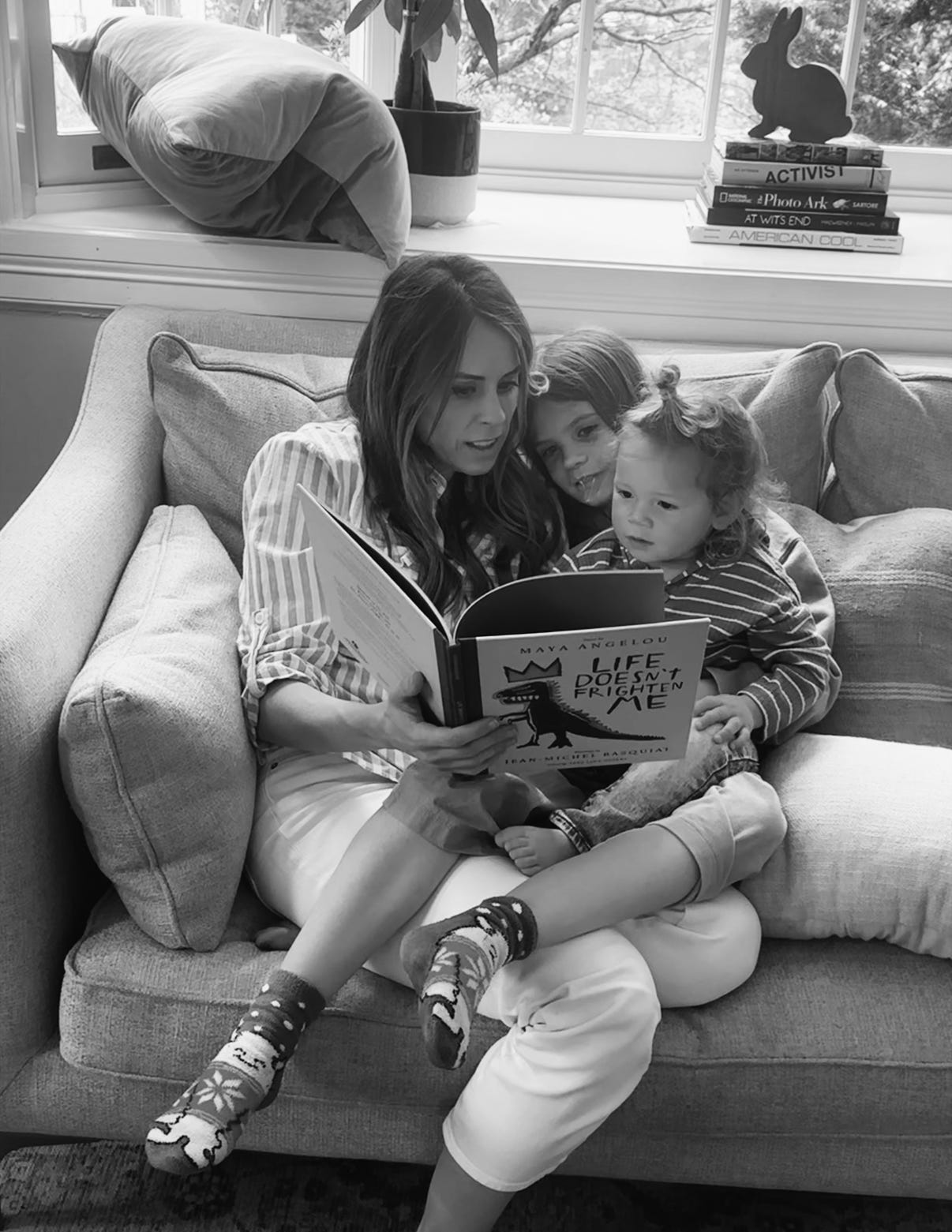
One of the most harmful and prevalent beliefs I struggle to let go of is the fantasy that I can do it all — without making sacrifices.
If, like me, you have a job and a family, it’s not easy to squeeze creative pursuits into a day that is rigidly fixed at 24 hours.
The real answer to that question is this:
I miss out on a lot of relaxing.
I work every day of the week (including long Sunday stretches).
I skip time with my kids.
I get up early.
I don’t watch much TV.
If I can escape for 24-48 hours, I do.
There’s a lot of ouch in this list.
I rarely feel triumphant when I wake up early to write. I don’t enjoy saying no to social events and time with my kids. And I begrudge missing out on beautiful Sunday afternoons when I’m sitting in my windowless office.
The sacrifice isn’t theoretical. It’s real.
No fast and friendly tips. No short corners. Not a nugget of gold for anyone in that hard reality, except…
What if this is the conversation creatives need to be having?
What if the sacrifices are a non-negotiable, unyielding part of the deal?
And, what if, instead of contorting our minds and bodies in search of an impossible solution to prove we can do it all without sacrifices, we accept the deal as it is — and start talking honestly about it?
To commit to a writing life is to throw logic out the door.
After all, who says, “Hooray! Sign me up!” for less sleep, less family time, less relaxation, less reality TV, and little money?
This is why writers like Elizabeth Gilbert call it a vocation — it’s because we’re driven to it, cast under its spell, and unwilling to accept a life without it.
Given the choice, we’d choose creativity over so many other things of high value. We accept the sacrifice (albeit sometimes miserably) because it doesn’t really feel like a choice at all — the work calls to us, a relentless master.
The hardest part of the sacrifices isn’t usually what I’m missing out on; it’s the stubborn, persistent feeling that I’m doing it wrong because I have to make a sacrifice at all.
Unless you are an independently wealthy hermit with no pet or relative to speak of, you probably relate to this tension:
Truth #1: The people you love need you.
Truth #2: You need something that isn’t them.
Holding these two truths is painful. Our desire to be everything for everyone in our lives is often at odds with the desire to make ourselves whole, especially if we…
Believe we should be able to write seriously without sacrificing rest.
Believe we should be able to pursue our ambitions without occasionally disappointing someone.
Believe there should be enough of us to go around.
Grief is the result of life smacking rudely up against our false beliefs. But no amount of time management, organization, or discipline can change the very real human limitations we all face.
The sacrifice is not evidence that we’re failing — it’s evidence that we’re choosing something that matters.
This is not a sob story. Nor do I wish to discourage anyone from following their creative ambitions. But I hope by acknowledging the challenges, we can dispel the myth that creativity is effortless — or that its pursuit is free.
Anything worth having is worth sacrificing for, especially when it’s the work that makes us whole.
These books are such celebrations — and revelations — of language that it’s requiring every bit of discipline not to escape back into them during the work day. I am swooning, actually swooning, over these two reads.
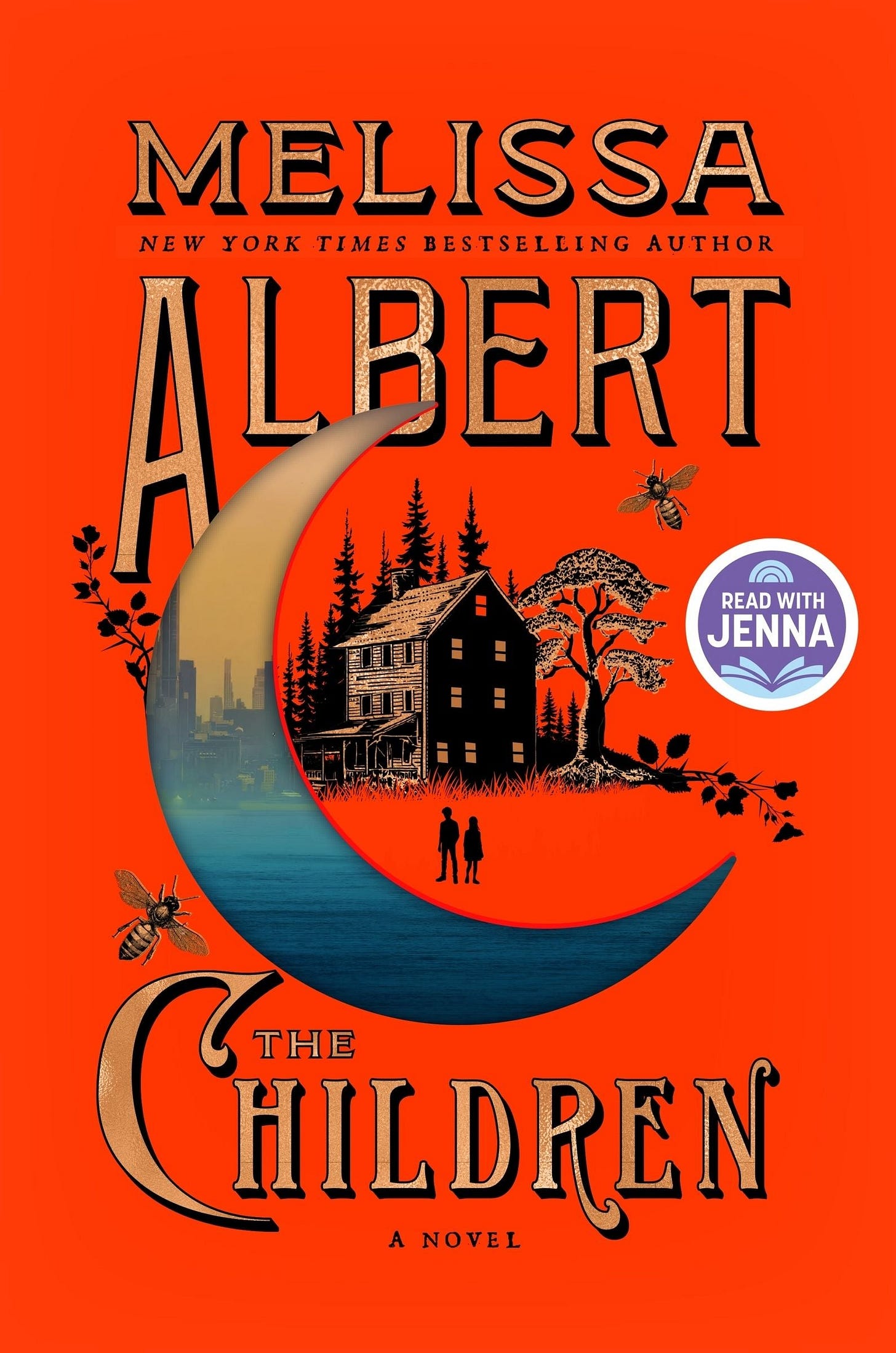
The Children by Melissa Albert: Orphaned and estranged siblings, raised in a spooky farmhouse in Vermont by their mother, a children’s author who featured them in her series of popular books, this book checks off every gothic suspense/magical realism square on my bingo card.
Beyond being enraptured by the premise, I find myself wanting to annotate the entire book as I read. Albert crafts sentences with such figurative richness that each one deserves a moment under the microscope.
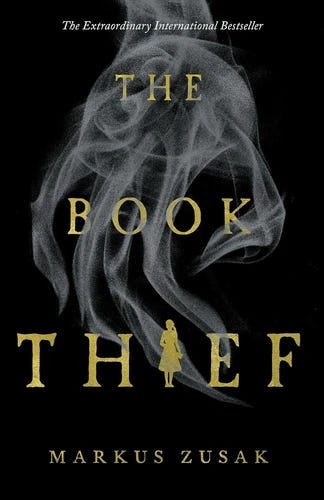
The Book Thief by Markus Zusak: Another masterpiece of craft, Zusak’s imaginative narration (Death tells the story of a young German girl during the height of the war) and creative form prove that the most memorable writing is often inventive. Again, I am pausing to devour specific sentences and lively verbs (“The bubbles ate her tongue,” “In the uneven circle, the minutes soaked by”), trying to resist the urge to pause and marvel, and to allow the story to carry me like a current.
Comments
Nothing yet. Say the first thing.
Sign in to join the conversation.