
A few months ago, I was talking with a lady who works at a well-known luxury brand, and we were confronting many of the “wicked” problems in fashion’s current system. While dishing out our woes, she said something that hit me, as I was furiously taking notes the entirety of that conversation: “Fashion is the most influential industry, and it has one influence that other industries do not = changing behavior”.
I processed that for a second and nodded, “Yeah, I think you’re spot on there”.
Think about it: Modern fashion’s influence spans farther and more personally than any other industry. It’s inextricably woven through cultures, identity, and belonging. Food is also up there, but fashion has more influential power at the individual level, since it acts as such a personal canvas for self-image and cultural expression.
For this reason, fashion plays a dual role as a “creative and cultural phenomenon”, infused as a significant artistic medium for both individuality and social norms.
With such a big influence potential, it has a unique power to not merely influence, but actually change people’s behavior and purchasing decisions.
It’s easy to lament that capitalism has eroded the preciousness of fashion and individuality. What once were true signs of uniqueness, differentiators, or originality, have now become a victim to capitalism’s enshittification of style sameness. Where ads for clothes ring dull, trends spread so rapidly that everyone suddenly wants to dress the same, and distinctions between brands blur, as they begin to melt into the central equilibrium of most desired, most demanded, most algorithmic. (See the now overdone and diluted “minimalist” or “clean girl” aesthetic.)
This is a result of what French theorist Jean Baudrillard likens to the “strategy of desire” and “system of objects”. His theory suggests that people are possessed by objects, some functional, some useless. The strategy of desire was a way to comprehend consumption in the new capitalist structure, criticizing advertising as a force that “homogenizes thought” as we all become absorbed by the same materialistic wants.
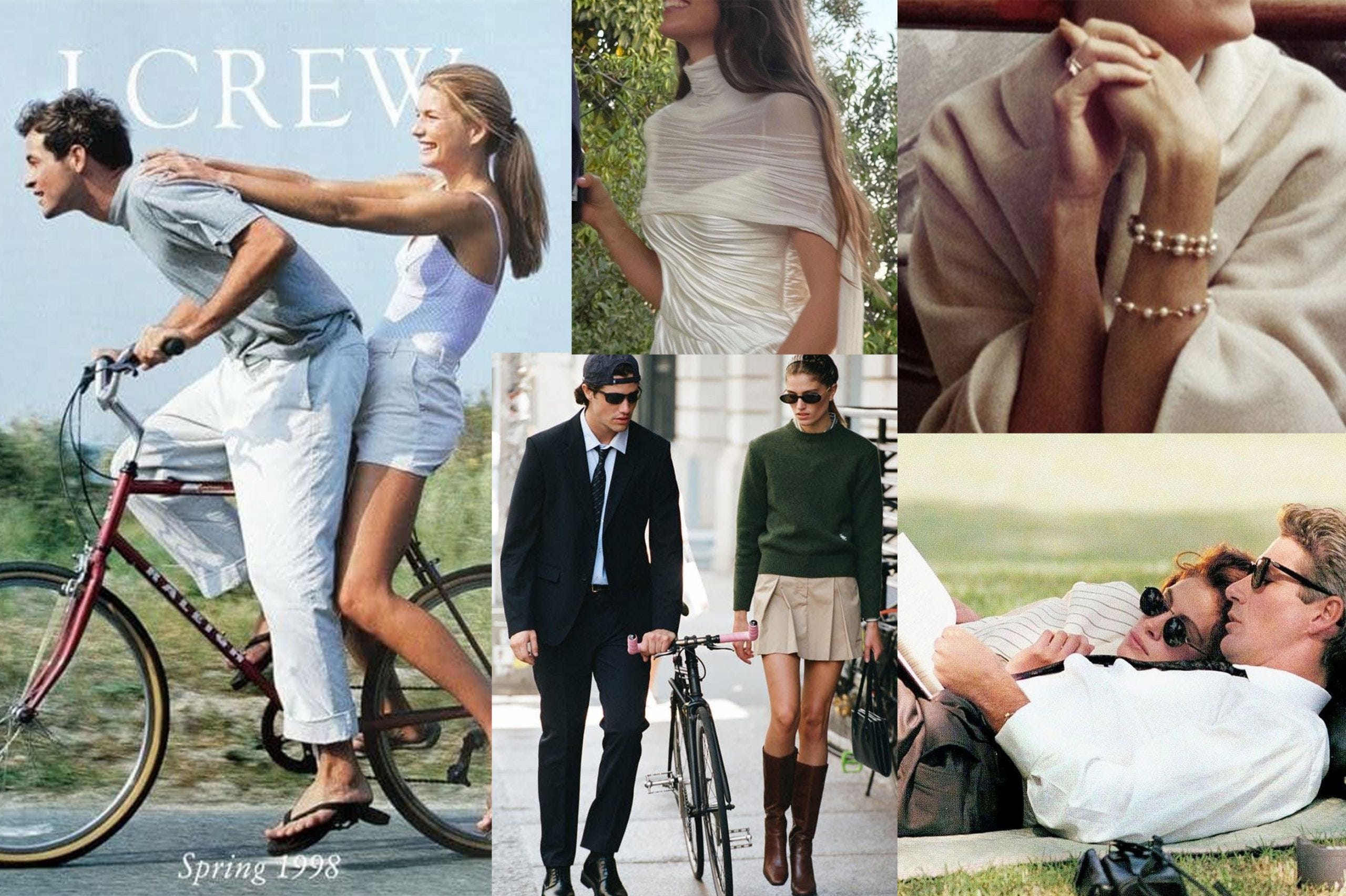
I like this theory as a good way to sum up the argument that modern fashion is less about individual expression and more about the commodification of appealing to everyone at once. At the time of this theory, advertising and marketing were the new frontiers of influencing the consumer, and fashion narratives that appealed to the masses in influential ways were just getting started.
Now, however, we are in an even more unprecedented era of influence beyond simple marketing. The era of the social media influencer.
Maybe we call it, “Strategy of Belonging?” “Strategy of Comparison”?? Whatever it is, the era of the influencer is the newest, most powerful frontier of changing consumer behavior.
Consumer behavior has never been so influenced before, now that there are essentially millions of content creators whose sole job is to “influence”, in cahoots with brands already using their typical marketing strategies.
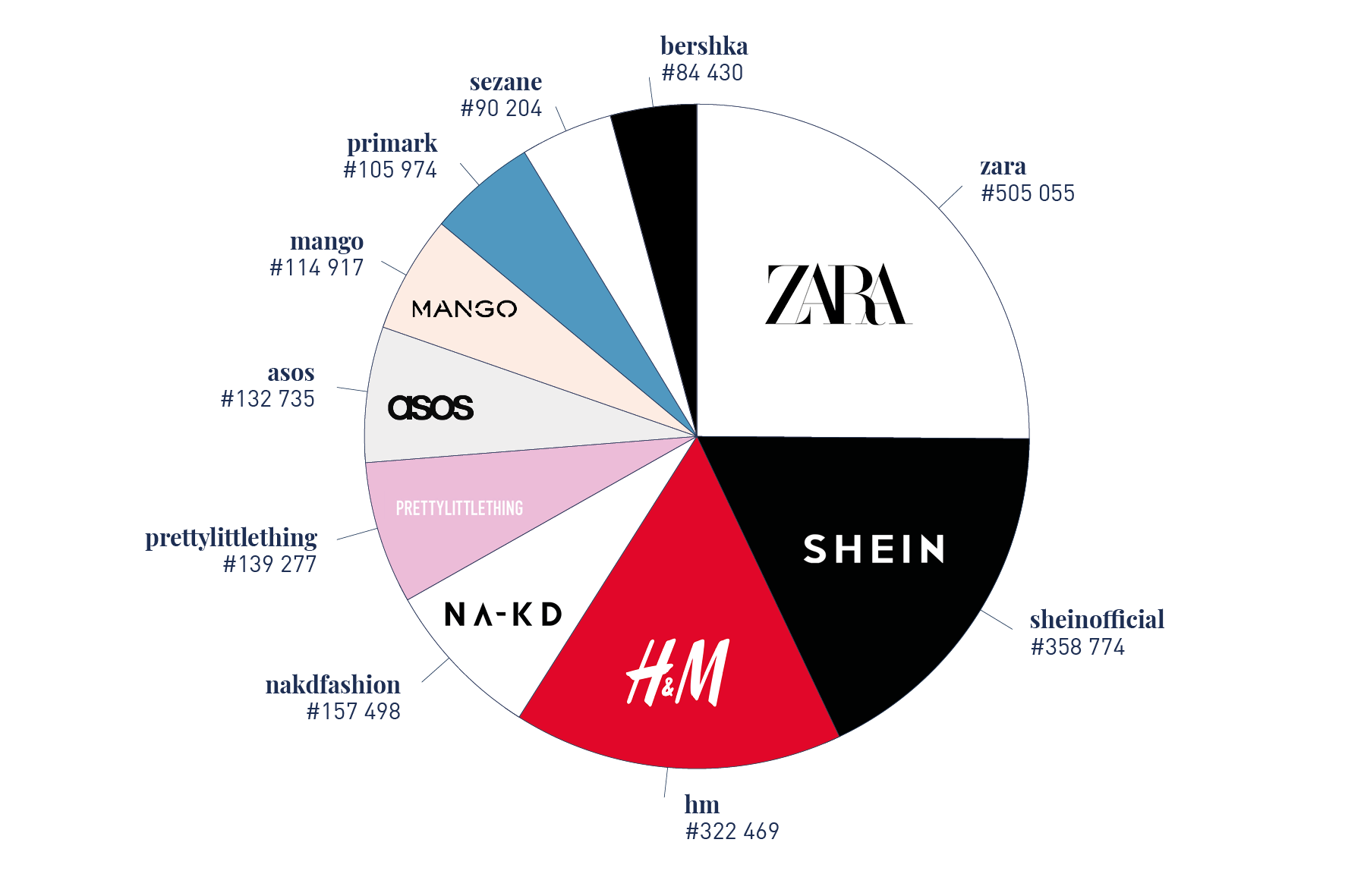
In a study, 94% of consumers indicated fashion/clothing as a reason to follow an influencer. Social media and user-generated content (UGC) are media of influence that are not going anywhere anytime soon. 79% of consumers recognize that UGC has a high impact on their purchasing decisions, indicating the growing importance of creating UGC to influence consumer choices.
The influence is in every part of our feeds and lives. And it shifts the strategy of desire narrative even more towards trend-driven, extreme comparison, a sense of worthiness, or inclusion/exclusion.
Fashion influence is no longer just about appealing to mass clothing preference, but also appealing to lifestyle preference. But the individuality is lost along the way! The cause is lost! We are being influenced into a homogenized lifestyle of consumption.
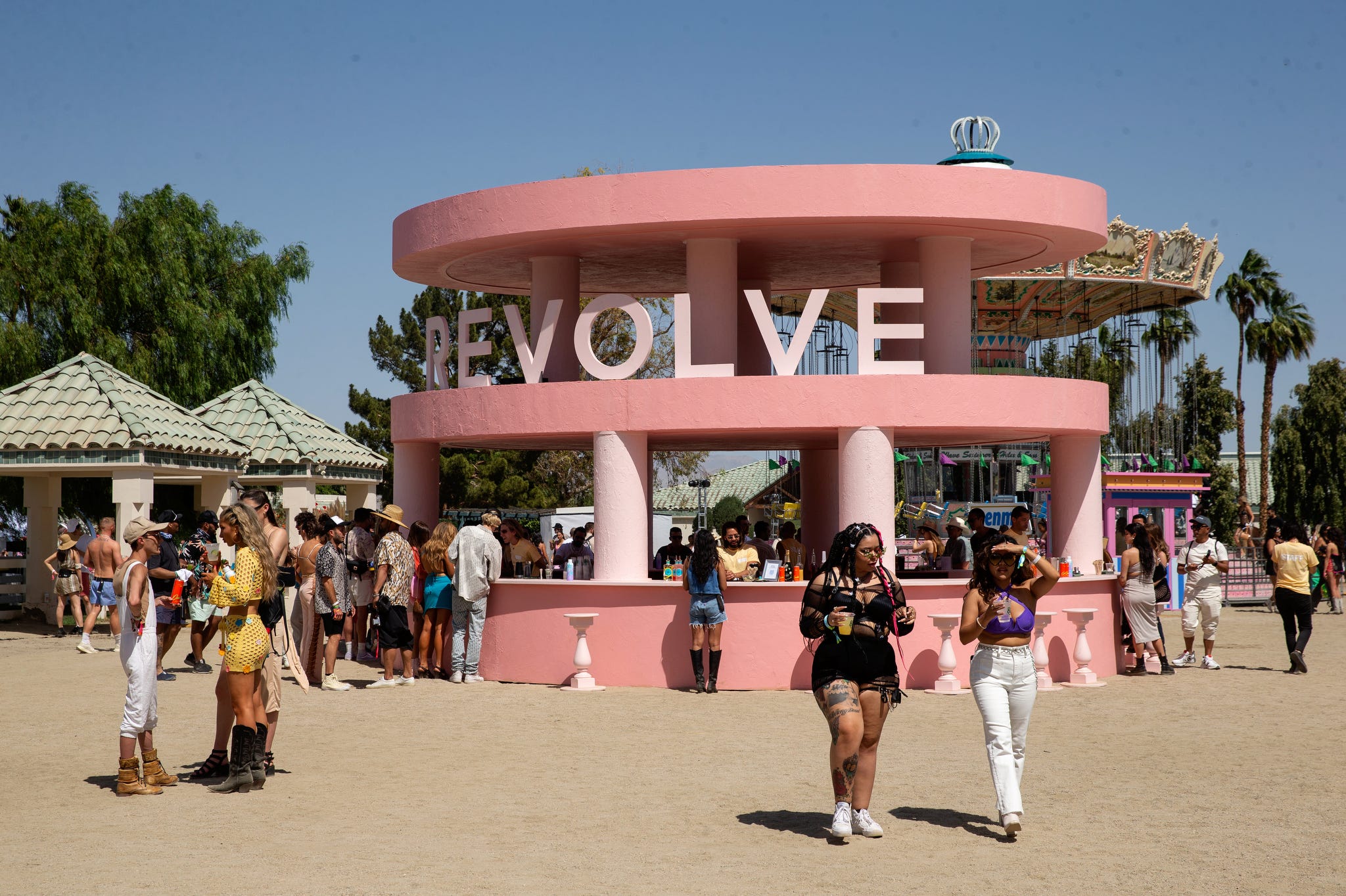
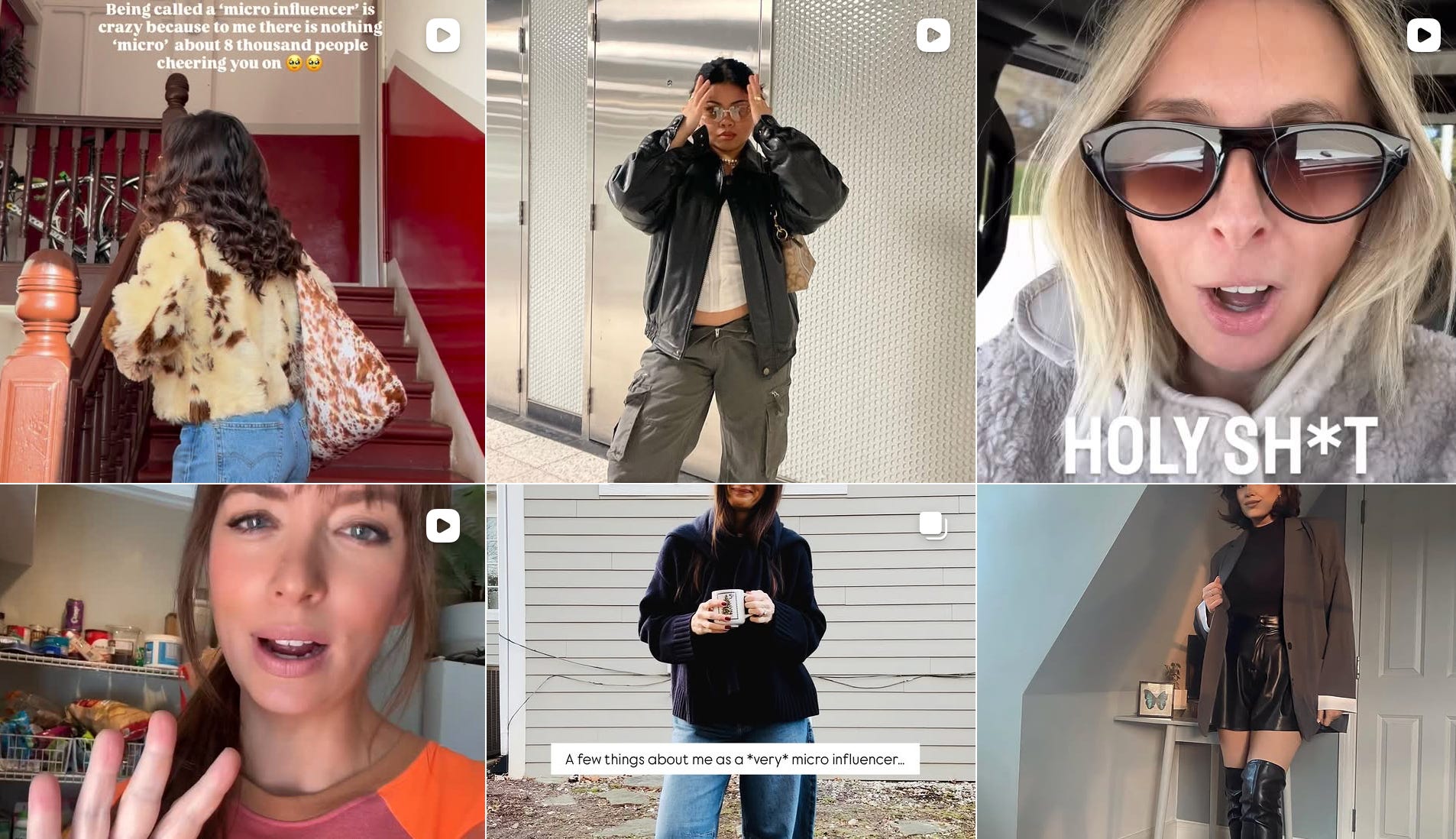
It’s easy to get bogged down by the macro influencers partnering with fast-fashion brands, who seem to infiltrate consumers more than activists do. Let’s not underestimate the power of the micro influencer, though1.
Even at Coachella this year, there is a marketing strategy shift from relying on A-list, high-follower celebrities to more niche micro-influencers, who are more reliable for content planning and authenticity and often have a more organic feel that draws audiences in. While they may not be the ones invited personally by brands for an all-inclusive stay in the desert, they still possess unique power in driving engagement through candid, unsponsored content. Which, ultimately, is what everyone wants more of - candid, unaffiliated, and accessible content.
The role of micro influencers will become strategically more important for behavioral change and activation among their consumers. As access to becoming an influencer eases, success won’t merely be a reflection of the number of followers, but of their ability to establish credibility. Authenticity will win over numbers, as long as the influencer can find ways to still elicit the aesthetic, desirable lifestyle while maintaining a strong level of relatability and genuineness.
Micro influencers get engagement rates around 7%, while macro influencers average out around 1-3% engagement rates. Smaller-scale influencers are viewed as a refreshing step away from mass consumption or sneaky marketing tactics. Instead, they go beyond marketing and tap into relationship building with their consumers.
Now, the narrative has the potential to shift from macro influencer, trend-driven consumerism, to a narrative aligned with follower values.
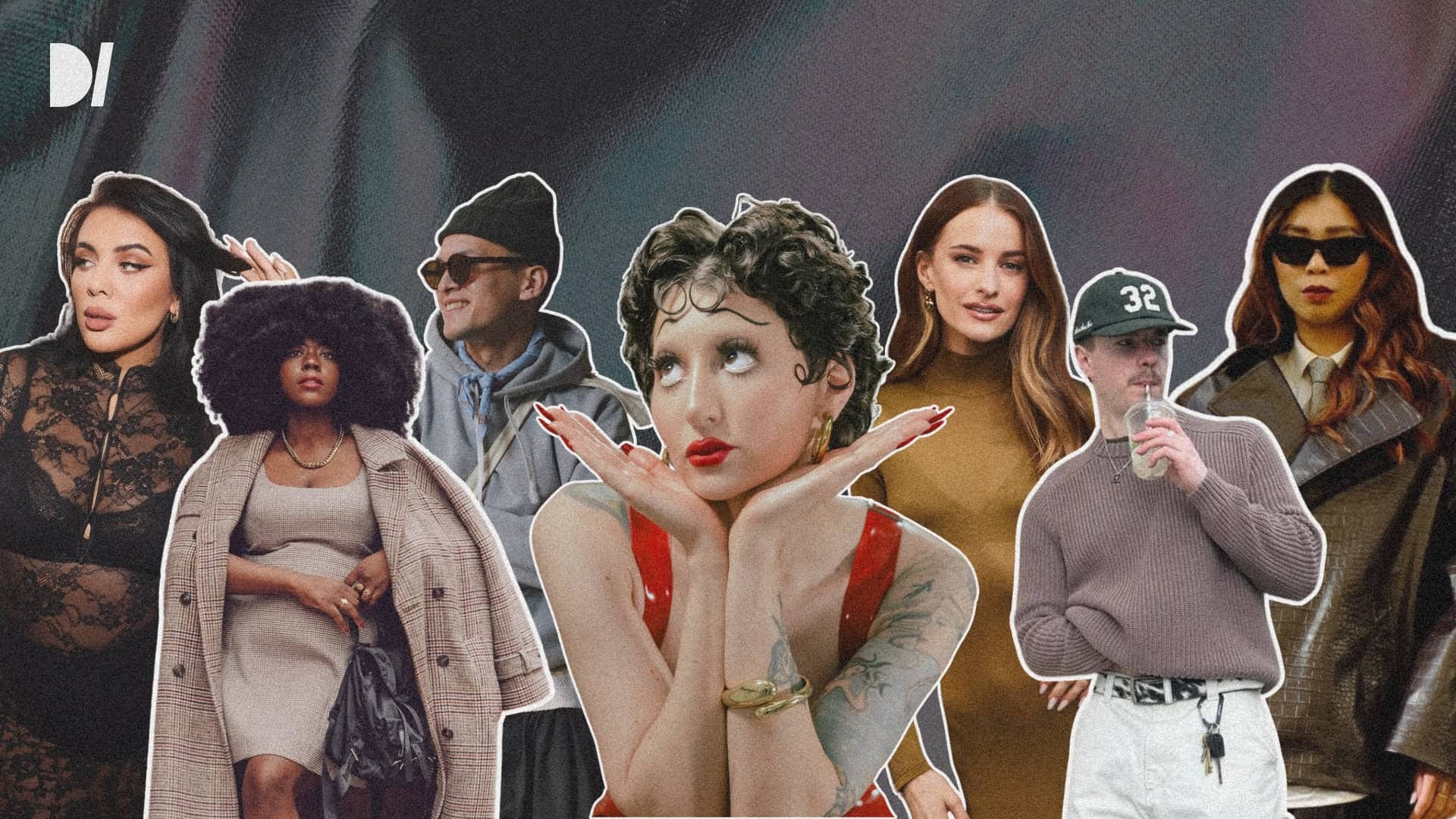
Sustainable fashion influence?
This doesn’t need to be an eco-warrior influencing just for the sake of sustainability. Circular fashion has countless other advantages worthy of influence beyond environmental.
Circular fashion principles can regenerate a sense of lost creativity in fashion and personal styles. Working with what we already own forces us to examine styling in new, creative ways.
Repairing, mending, and upcycling all encourage an exercise of creativiy, or personalization. When we let our minds expand beyond the boxes of what’s trending online or what our favorite influencer is wearing, we enter a cognitive realm of new possibilities. It’s like how every good innovation begins - writing down the most bizarre ideas that seem impossible or unrealistic, and letting your brain take you to the unencumbered places.
That’s what fashion needs more of. Less sameness from the ease of a scroll, and more spunk from figuring it out ourselves through experimentation.
That type of influence of circularity, intention, and slowness can lead to a broader societal restructure. More individuality, more creativity. Less consumerism, less emotional buying. Less style crisis, more in tune with what works for you. A step away from a reliance on overproduction, exploitation, and extraction, and the first step into awareness. Okay, you get it, circular fashion influence can be beneficial in many ways!
Acts of circularity bring us closer to our personal style, our values, and our relationship to our community.
A crucial component to credibile influence often starts at a local scale. According to this study that unravels the influence of digital times in fashion, the closeness of influencers in their communities drives proximity, adding authenticity, a trait “highly preferred by followers over the commercial-driven approach of celebrity influencers”.
Therefore, micro influencers involved in their communities have an opportunity to influence alternative strategies. Not just about consumption, but about sustainability, ethics, and small-scale engagement.
Micro influencers as not just influencers, but as credible, community leaders.
Here lies the PERFECT opportunity for influence away from consumption.
What do most consumers crave these days? Connection. We want to feel things, we want to support things that align with our values and give us some deeper sense of fulfillment, preferably, IN-PERSON.
Think about running clubs - run clubs in communities have been so successful because people love a community get together of a collective, feel-good mission. Not partying, not consuming. Doing something personally worthwhile and socially activating.
Circularity is the perfect value-aligned fashion structure to optimize at the community level, for a similar type of “feel-good” engagement! Consumerism, social media, and fast fashion are all part of the same gateway to the epidemic of lost community. But, I see boots-on-the-ground, circular initiatives as kind of an antidote to the lost community.
In the technical world of the circular economy, only focusing on large-scale transition is daunting. And it is a very, very long-term game. It involves a total dissolution of the current linear fashion system, and therefore, will not be a fast journey.
However, what we can focus on more to keep the circular dreams alive and in action are community-level initiatives. I’m dubbing it “community circularity”, where circular fashion principles are integrated and celebrated at a local level.
This doesn’t need to be complicated. It can involve seeking out local designers or brands, reusing or swapping with friends around you, taking clothes to local repair/mending/tailoring shops, and showing these often-underlooked shops some love!
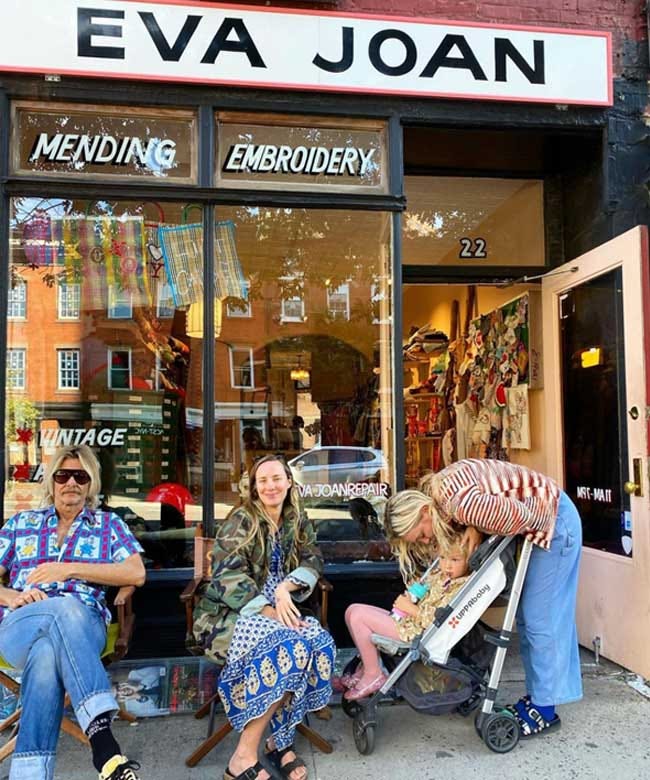
Instead of worrying about influencing at the MACRO level (aka all of the global digital sphere), micro influencers/community leaders focus on maintaining engagement at the MICRO level. At a micro level, the community is more engaged and thus more likely to gain trust from.
It’s the same with our own involvement in any social or environmental movement. Instead of always focusing on fixing MACRO global problems, often out of our control, what we can instead focus on are the MICRO local problems in our own neighborhood.
So, community circularity. It’s also a socially innovative type of influence. It involves collaborating and sharing knowledge, networks, and resources of circular design principles. In fact, the whole idea of circularity is hinged upon interconnectedness and reliance on other people. I am a big believer that doing things socially with others leads to more influential outcomes than taking the world’s problems by storm all by yourself.
The case for the sustainable fashion influencer:
Microinfluencers can’t compete with the numbers game with macro influencers or celebs. Just like we, normal people can’t compete with the oligarchs. So the question becomes, and something I am often plagued by in a movement towards lower impact awareness, can sustainability, authenticity, and outfit repeating still wield significant influence?
Well, they can, according to this study I previously mentioned. Just as macro influencers use the modes of “relatability and authenticity” to garner loyalty, micro influencers also use those strategies. The weakness of macro influencers is that they can feign relatability and naturalness to an extent, until it starts to falter.
As the divide between an influencer/celebrity life and a normal person’s life continues to widen, the real power of appealing to consumers lies in the ability to be real. It’s not relatable watching someone’s GRWM when they have millions of followers, brand deals out the wazoo, and a penthouse in Brooklyn.
You know what is real and approachable? Outfit repeating. Buying less.
Sustainable fashion actually appears to me to be a more attainable and realistic lifestyle for anyone. Seeing someone with influence who outfit-repeats or recombines clothes creatively signals to the consumer that it is indeed cool and desirable to do that. Encouraging people to get involved in circular movements within their own communities should also be cool and desirable.
This is your sign to immerse yourself in all that is happening around you. If you’re a champion for sustainable fashion, seek out the in-person opportunities that play to the principles of circularity. And maybe even, who knows, become a micro influencer. If you’re feeling spicy.
Xoxo
A micro influencer is a smaller influencer who typically has a following of around 1,000 - 100,000 people
No posts
Comments
Nothing yet. Say the first thing.
Sign in to join the conversation.