
After ten years of running my creative business, I’m rethinking my relationship with Instagram.
It took me a while to admit this to myself. I’m not leaving the platform; I’m simply letting it take a backseat while I figure out how to navigate this situation.
For years, Instagram has been a key part of my success as an artist, author, and creator. You can say it’s where I’ve been setting up shop1 on the Internet since my early years as a creative.
After all, it was where I first launched my career, after moving from my fun, creative pursuits on Tumblr and settling into a photo-heavy app that allowed users to reach a wide community of creative individuals.
Instagram in the 2010s was different. No personal branding, just literally vibes. Show me your coffee with the Valencia filter and I’ll share my flatlay photo complete with 10 other hashtags similar to #whatsinmybag and let’s go on a liking spree.
I was fortunate enough to attend an Instagram meetup in Manila and get featured on their homepage as a Suggested User2. It felt cool and full of possibility, and so was I. I would meet people in real life and we’d immediately connect. “Aren’t you @username on IG? I love your feed.”
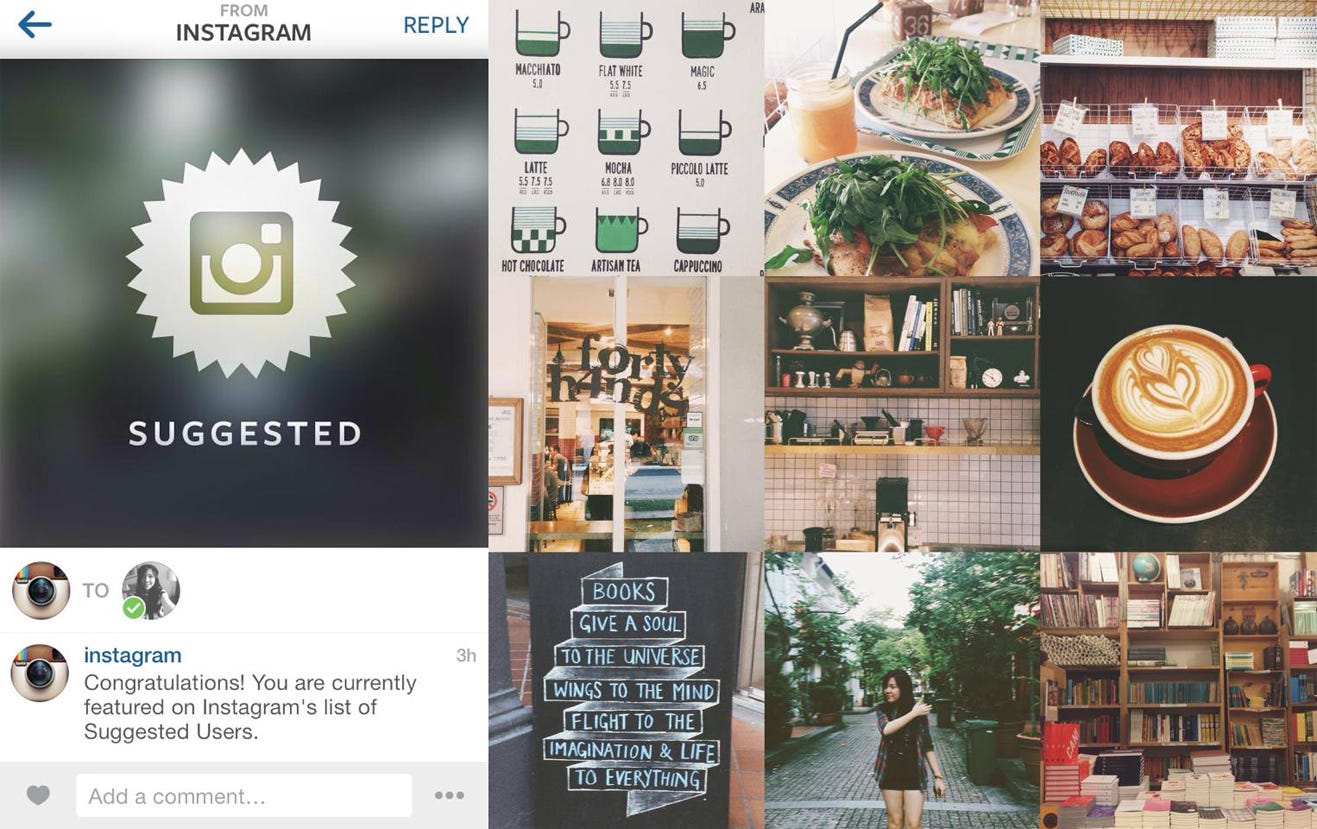
The app led to meaningful collaborations and features, and landed me projects I still treasure to this day.
I reached 100k followers in 2016, literally on the first full year of my creative career. It felt like I was on the finish line, except I didn’t prepare to join the race at all.
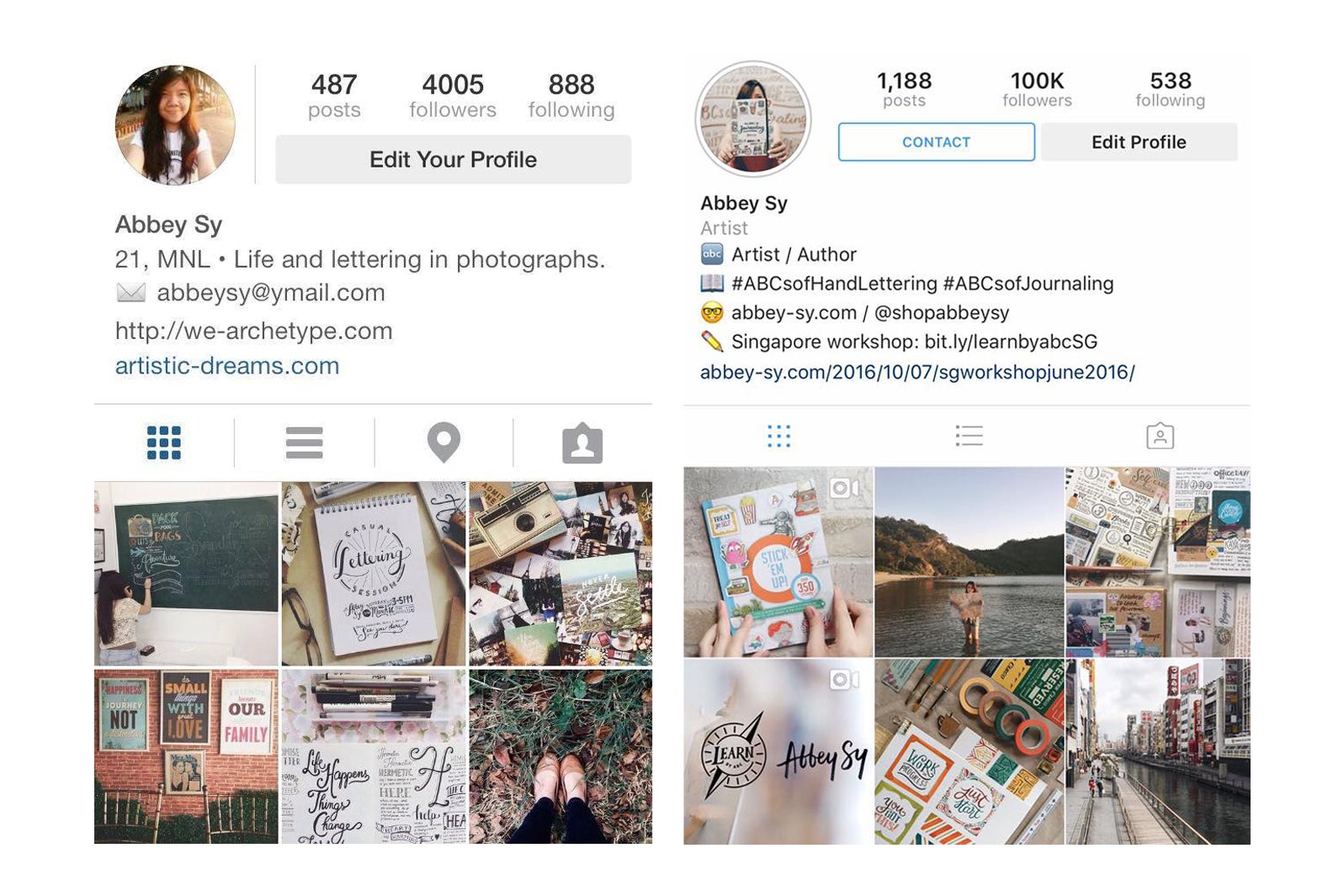
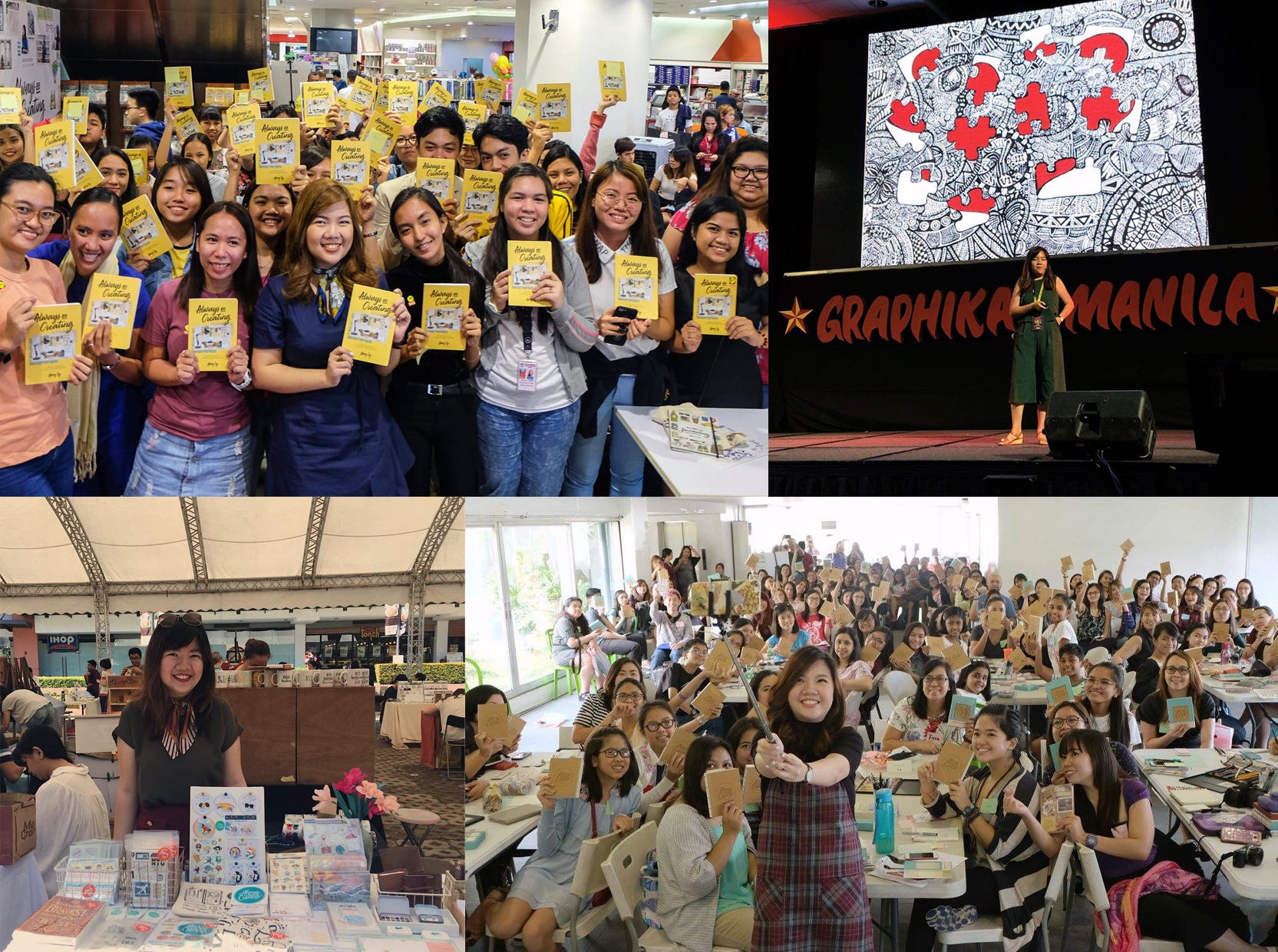
Things started to get serious once my followers racked up (organically) in a short amount of time. I think people were skeptical. Not to toot my own horn, but I did put out pretty good artwork—shareable, relatable, lettering pieces, a bit of journaling, and occasionally I shared my very packed schedule of workshops and book signings.
At the same time, it felt so nerve wracking—skyrocketing to so much followers. I felt like I was being watched. It meant I had to present myself professionally, and there wasn’t much room to just be. It was no longer, dare I say it, vibes.
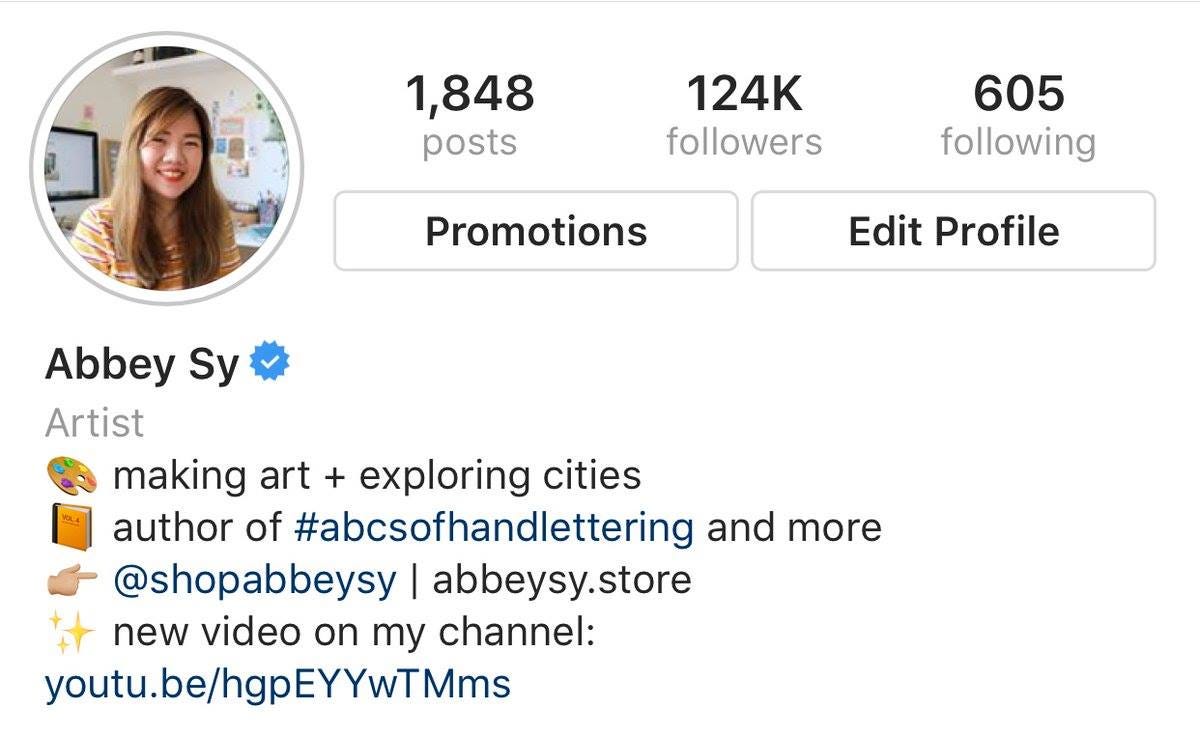
Having a large following meant people began to perceive me differently, and in many ways, that hasn’t changed. For brands or clients, it became about how they could work with me to sell their product or service3. For others, it was about gaining access to my audience, sometimes even forming friendships with follower count quietly in mind.
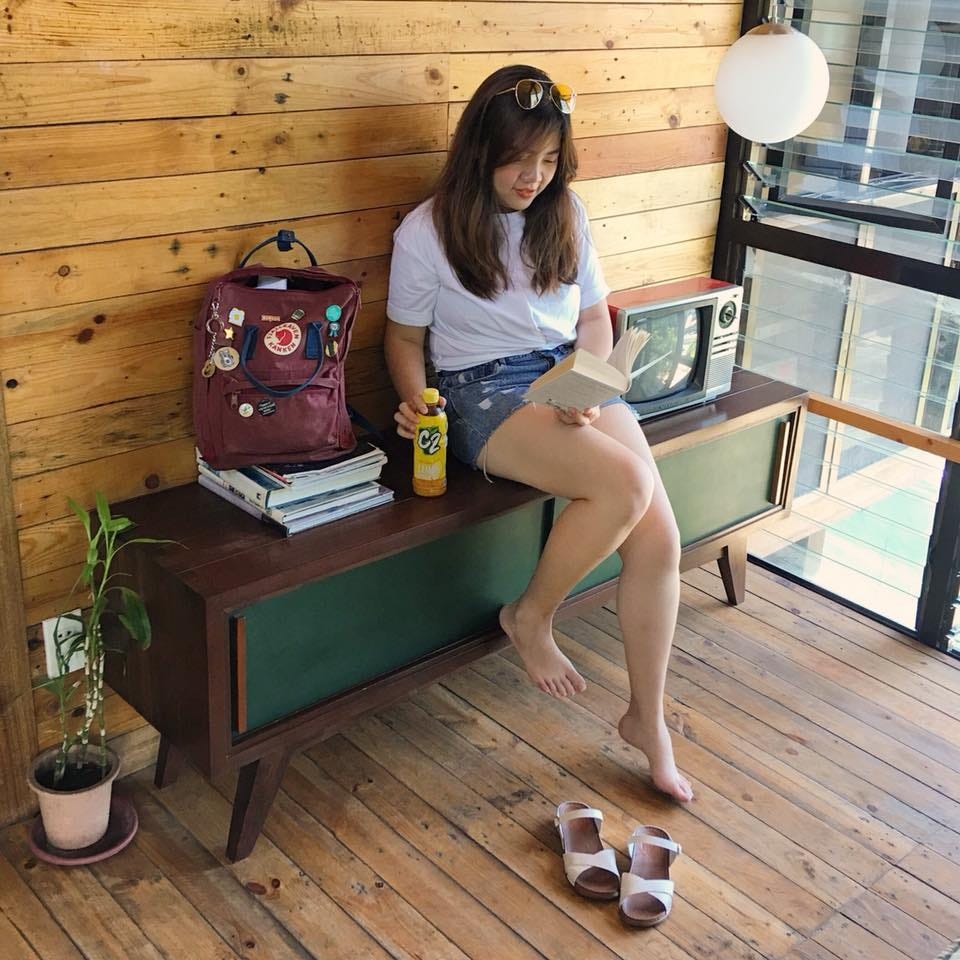
Suddenly, I was called an influencer and I didn’t like it. We now live in a creator economy, which makes it more acceptable to say you’re an influencer (or, I guess, now we say creator), but in 2016, that was frowned upon. I remember giving a talk at an advertising conference explaining that I film and make my own videos, and no one really took me seriously.
I couldn’t care less about those numbers, and thinking about fame always had a sour taste in my mouth. From a business standpoint though, I told myself it was good for exposure and could land me more job opportunities. So I kept going.
From my perspective, creating used to be painting, drawing, doing things with my tangible, analog tools—until it wasn’t. The moment creativity became measurable, my relationship with it changed.
I began using Instagram as a way of saying, I showed up. An artwork didn’t feel complete if I hadn’t shared it, and it had to look good. Lighting, hand placement, color choices. I found myself art directing every post to fit my feed the way I would art direct a magazine spread, and it didn’t sit right with me (even though, unfortunately, I still care deeply about this part of Instagram).
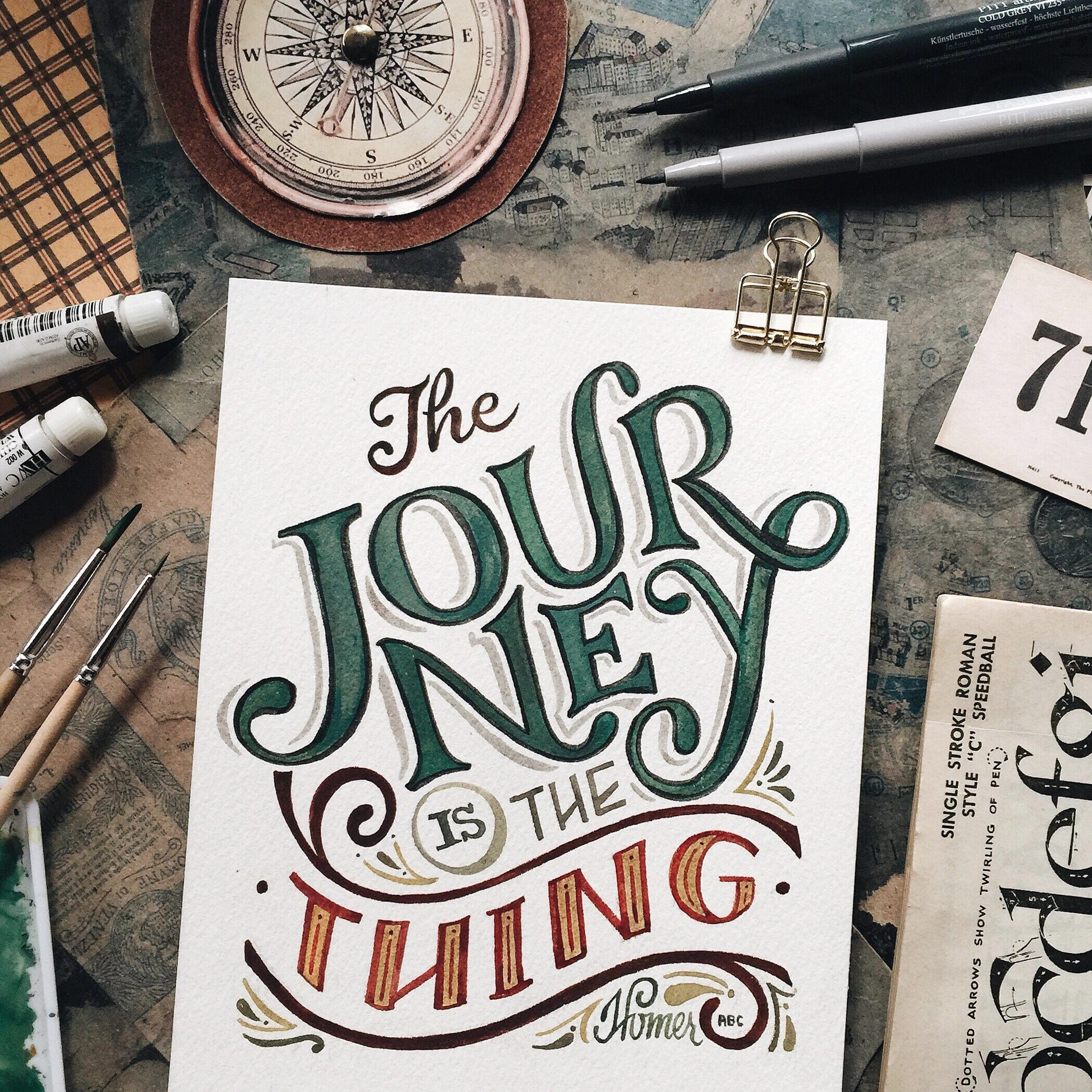
Every time I traveled, I felt the need to document my whereabouts and explorations. This was pre-TikTok and pre short-form content, but my workflow shifted once video entered the picture in a bigger way. Suddenly, it wasn’t just about making the art—it was about making art in a way that the algorithm would notice.
The hardest part was I couldn’t opt out. I had a new book or a project to promote. I needed to secure preorders before publishing. Staying visible felt directly tied to sustaining my business. You’d be shadowbanned4 if you stop posting for an indefinite period of time.
Additionally, what I was experiencing offline, whether it was meeting people at workshops, hosting events, or having real conversations, didn’t always translate into the numbers I saw online. Workshops would sell out quickly. Shop releases would wipe out within the first hour. And yet, a post could underperform and make it feel like something wasn’t working and I couldn’t blame anyone but myself.
I felt like time I could have used for making art was slowly being replaced by time to make the content of the art, which is another layer of work in itself. How does it become more appealing? What hook should I use to catch the viewer’s attention at the first few seconds of a video? My advertising background definitely stepped in, and instantly, my brain switched from creating to marketing.
I was genuinely upset when Instagram began diversifying its content—from just photos, to video, to carousels, to Stories (which has eventually become my favorite feature). Instead of riding the wave, I decided to focus my time and energy on building my YouTube channel. This was around 2018, when I also felt like I was at a crossroads in my career and was considering moving abroad. The timing felt significant.
Please enjoy a vintage channel trailer from when I first launched my channel below. I realized while rewatching that I am, still, this person. And I love that!
The growth on YouTube was slow, especially compared to what I had experienced before (on Instagram), but the creative fulfillment was unlike anything I had felt in a long time. I never consumed video before this, as I was mostly glued to blogs and visual platforms like Instagram and Pinterest.
It took me a while to get used to the workflow, but I can see that making videos aligned with my love for cinema and my desire to tell stories more thoughtfully. In contrast to the punchy, attention-grabbing nature of Instagram, long-form video gave me the space to express myself more freely, while still drawing on my skillsets in creative direction, lettering, and composition, in just a new and more expansive medium.
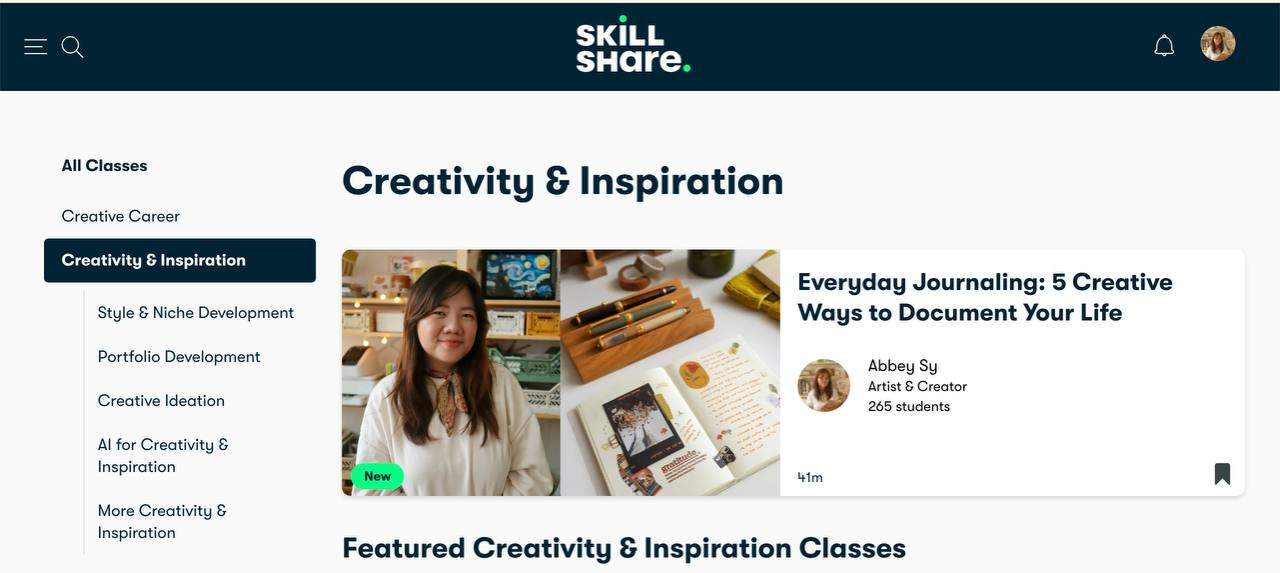
Last year, I finally fulfilled my dream of becoming a Skillshare teacher. Carrying over my experience with video, along with a decade of teaching in-person workshops, I found a sweet spot in wearing my teacher hat again, this time virtually. It allowed me to combine everything I had learned in previous roles, from scriptwriting to creative direction, in a way that felt integrated rather than fragmented.
As I slowly build my Substack, I am rediscovering a different kind of joy. It stems from slowing down, sitting at my desk, making sense of my thoughts, and offering broader context without having to fight for attention in the first two seconds. It feels less like showing off and more like returning to the work itself, which aligns with how I’d like to approach my creative practice moving forward.
Now that my workflow looks very different from how it did ten years ago, I find myself wearing many hats depending on the season. Some months I am primarily a freelance artist. Other times, a teacher. But the creator hat consistently demands the most time and energy, often without the same level of return.
I was initially hesitant to be active on Substack because I already spend so much time creating content elsewhere. On Patreon, I create regularly and am paid for that work, which I am deeply grateful for. On YouTube, there are occasional sponsored projects and brand partnerships. On Instagram, I am rarely compensated, aside from the occasional sponsored post. So no, 100k followers does not automatically translate into anything substantial financially.
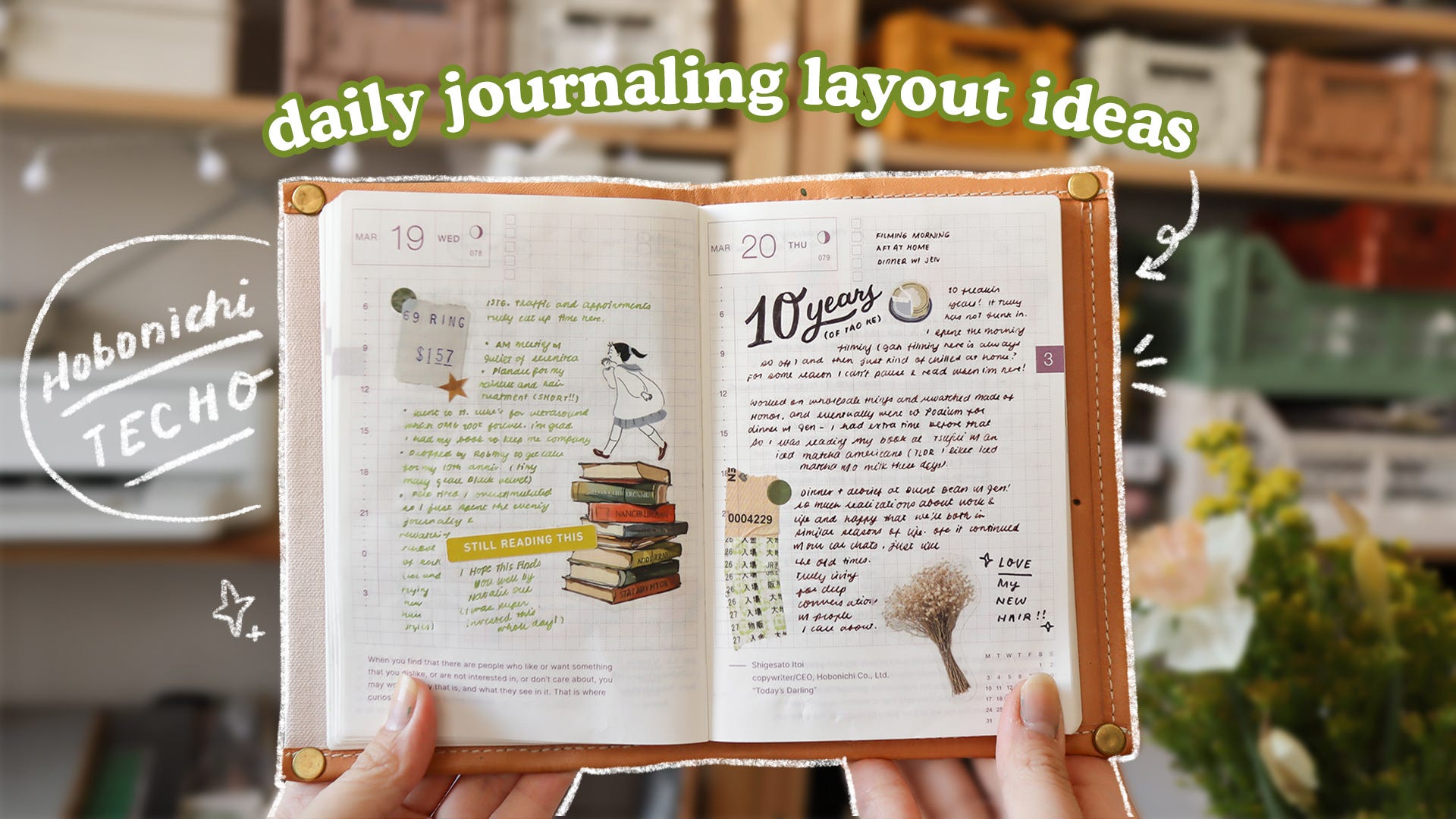
I could pursue more brand deals, but I have never wanted to turn my social media accounts into advertising space. I see them as a creative playground, and I am intentional about keeping them that way. I found myself questioning whether I am still making art, or simply producing content. The distinction used to feel clear. Instagram gradually blurred that boundary.
Being a creator requires a lot of integrity. How much am I truly willing to compromise for more views and more money? It’s easy to chase what performs, copy trends, and adjust my voice to fit the aesthetic of what is “performing well on social media”5. But I am doing myself a disservice by going that route, and I refuse to build my career that way.
Instagram used to be my homebase. Now, it just feels like a bus stop.
There’s a certain amount of grief I carry with this realization, but it is also a reminder that change can always be good. My story, I now realize, and the stories I hope to share more in the future, can live and thrive in other platforms that allow me to express myself in however medium and format I want, not just something under 60 seconds. I no longer feel the need to have to post everything on Instagram just because.
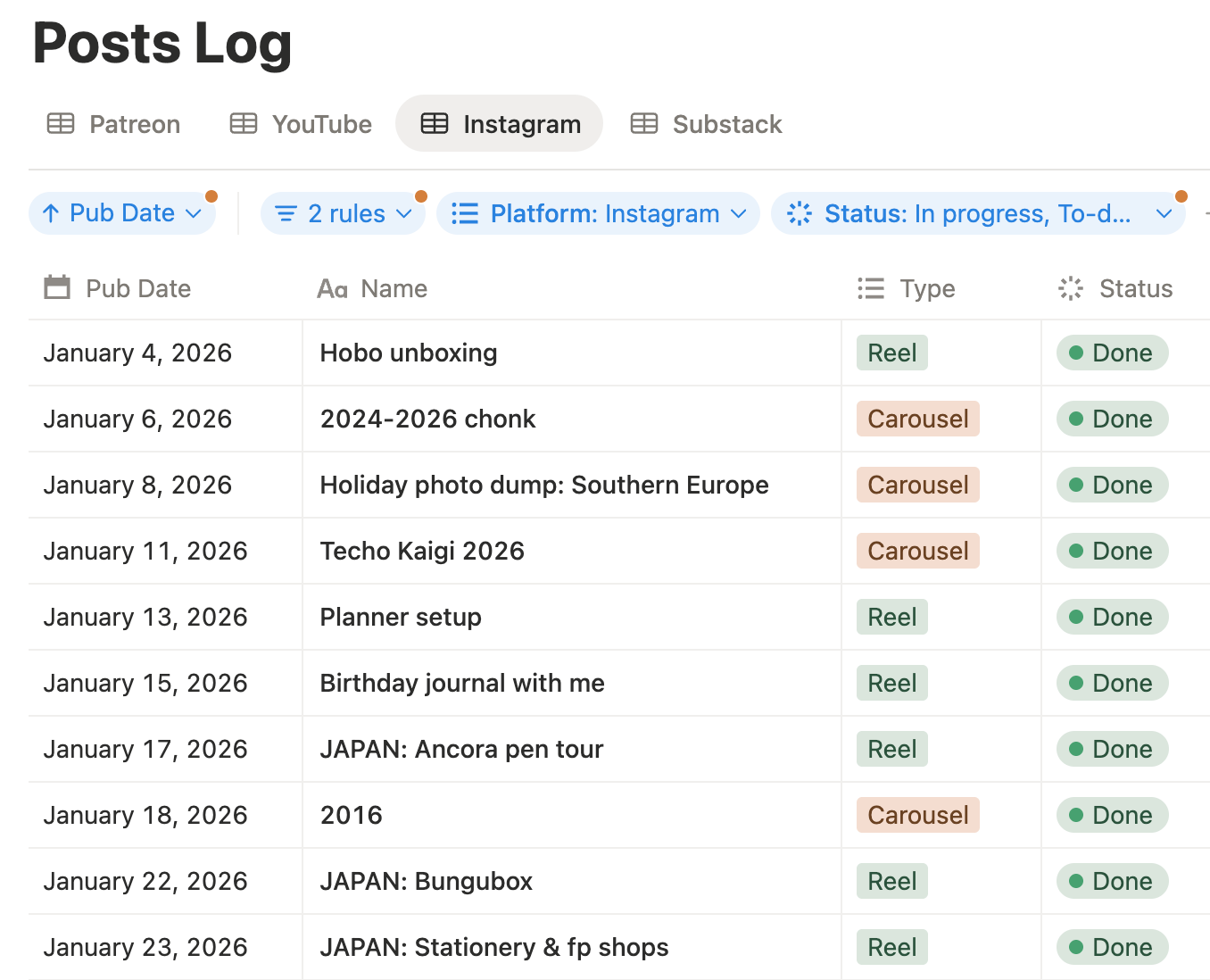
You can say I’m burnt out. Especially now, with the-ever changing social media landscape, I feel less inclined to keep showing up to a place that doesn’t feel right for me, and for how I want to move forward with my creative journey.
This is definitely not goodbye on Instagram. Instead, I’m giving myself some time to really peel back the layers and reconsider its role in my content ecosystem (I hate6 this word, but it makes sense in this context) and how I can spend more time creating without metrics hovering over me. And hopefully, allow me to recalibrate my relationship with the platform.
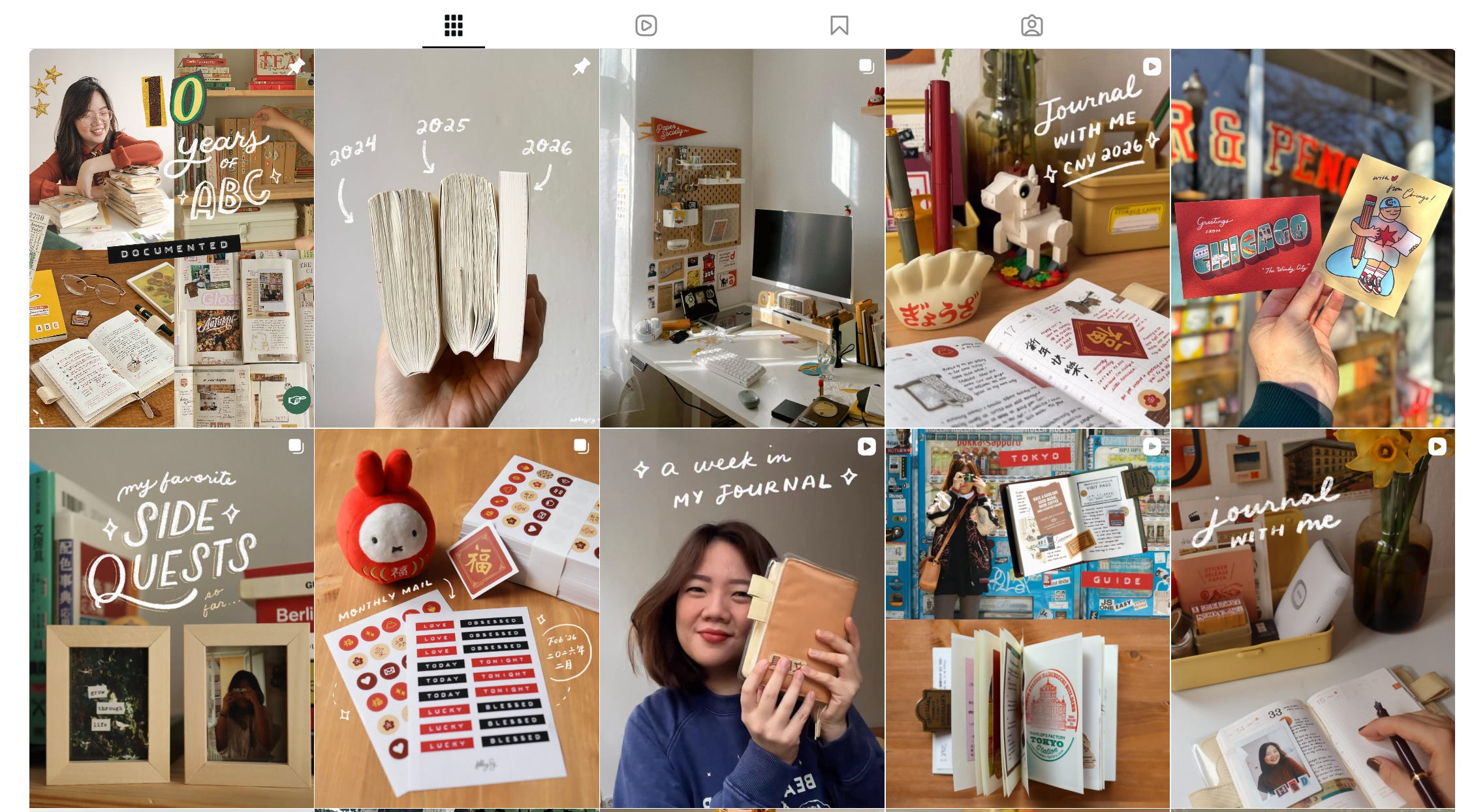
For now, I plan to prioritize my creative practice in a way that feels sustainable and honest. That means creating without constantly thinking about how it will perform, or whether it fits neatly into a format designed for quick consumption. It means giving myself permission to make work that doesn’t have to entertain, optimize, or prove anything.
I don’t want to feel like I’m performing my creativity anymore. I want to return to practicing it. And it starts with closing the app and picking up a paintbrush.
Thanks for reading!
This piece started on a random Wednesday afternoon while my train was delayed for half an hour. I’ve been thinking about writing about my relationship with social media for a while, and it felt like time to finally put it into words. I’m grateful to this platform for creating that space, and to you for taking your time to read.
If you’ve been on Instagram since the early days, I’d love to hear how your relationship with the platform has evolved. Has it changed the way you create? Or the way you see your work?
This meant your account was on the homepage, and people could see your work from literally anywhere in the world. I remember this got me my first 10k followers. It was pretty cool.
No shade to other influencers, this is really a job. Props to you! I just do it as a side gig because I simply cannot.
meaning, your posts won’t be recognized by the algorithm and you’ll be “banned” to reach more users because of lack of activity
comment “SOCIAL” and I’ll send you my foolproof social media template! JUST KIDDING
I don’t want to be that person but I truly hate the term journal ecosystem!
No posts
Comments
Nothing yet. Say the first thing.
Sign in to join the conversation.