
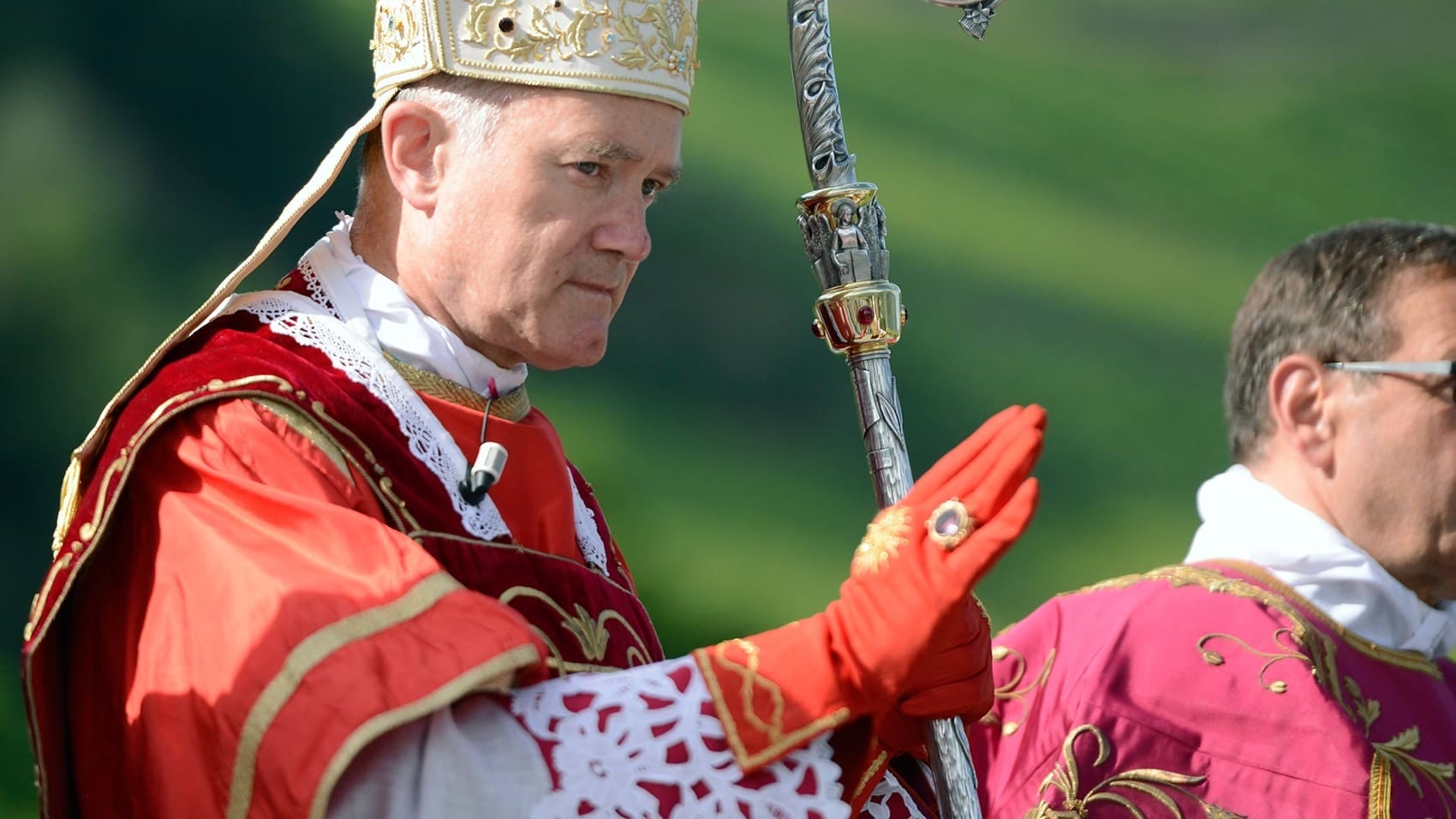
As traditional Catholics, we are no strangers to navigating turbulent waters. With the Vatican’s recent warning of automatic excommunications should the Society of St. Pius X proceed with its scheduled episcopal consecrations, many of the faithful are feeling a sense of déjà vu. We have been here before, echoing the "Operation Survival" of 1988 under Archbishop Marcel Lefebvre. For many followers of Tradition, even those who do not regularly attend an SSPX chapel, this moment demands clarity, historical perspective, and an understanding of what is truly at stake.
To understand why this situation matters to all traditionalists, we must acknowledge a fundamental reality: the SSPX has long functioned as the anchor and standard-bearer for the preservation of the ancient Roman Rite. While post-communion communities face a painful, shifting landscape under recent restrictions, the Society has consistently played the long game. Unlike institutes that have been forced into a difficult balancing act, sometimes mingling the New and Old calendars or facing outright suppression mandates regarding sacraments like Matrimony and Baptism, the Society has maintained a seamless continuity.
It is not merely about the Holy Sacrifice of the Mass; the SSPX has preserved the wider ecosystem of Catholic life, including the Rogation Days, Ember Days, the traditional Breviary, and ancient blessings like the Churching of Women. Even for those whose souls are nourished at diocesan Latin Masses or Approved Institutes, the historical reality is clear: the very existence of an independent traditional priesthood has historically acted as a gravitational pull, compelling Rome to make concessions for Tradition elsewhere. They are, in many ways, the elder brother in this fight.
When the headlines hit, the secular media and mainstream commentators will use weaponized language, declaring a formal schism. As informed Catholics, we must look past the optics and examine the underlying theology of crisis. The SSPX maintains that a state of necessity exists in the Church today: a crisis of faith that jeopardizes the salvation of souls. From a canonical standpoint, the Society argues that ordaining auxiliary bishops to continue administering Confirmation and Holy Orders is not an act of usurpation. These bishops will not claim local jurisdiction or set up a rival hierarchy; they are being consecrated purely to ensure the survival of the traditional sacraments for future generations. Just as in 1988, the SSPX views this not as an act of defiance against the Papacy, but as an act of vital preservation for the Church. Superior General Father Davide Pagliarani has rightfully urged the faithful to approach this moment with prudence, charity, love, and humility, avoiding bitter hostility while standing firm in the truth.
Whether your Sunday obligations are fulfilled at an SSPX chapel, an FSSP apostolate, an Institute of Christ the King parish, or a diocesan indult Mass, our response to the coming weeks should be unified by clear principles. First, we must reject the spirit of division. The temptation during a canonical crackdown is to retreat into tribalism. We must not fall into the trap of attacking other traditionalists who find themselves in different canonical arrangements. Those in Ecclesia Dei communities who are enduring heartbreaking liturgical restrictions deserve our prayers and empathy, not our scorn. Conversely, the SSPX deserves our profound gratitude and strategic support for holding the line that benefits us all.
Second, we must focus on the fruits. Our Lord gave us a timeless metric: by their fruits you shall know them. Look at the seminaries, the flourishing religious vocations, the large families, and the preservation of rigorous Catholic doctrine. These are not the fruits of a dead branch; they are the signs of a deeply rooted, life-giving vine. Finally, we must pray fervently for the hierarchy, including the Pope, the bishops, and the leaders of the SSPX. Our ultimate desire must always be the restoration of the Church and the regularized peace of the mystical body of Christ.
The Church is enduring a prolonged passion, and the canonical maneuvers we are witnessing are the systemic symptoms of that crisis. The SSPX has proven that it is built to weather these storms, playing a multi-generational game for the sake of Holy Mother Church. As the storm intensifies, do not lose heart, and do not let legalistic headlines shake your faith. Keep your eyes on the cross, maintain the fasts, love the traditional sacraments, and support those who have dedicated their lives to ensuring that the Catholic Faith, exactly as it was handed down to us, survives for our children and grandchildren.
Comments
Nothing yet. Say the first thing.
Sign in to join the conversation.