Over the last couple of years, numerous friends and family members have been puzzled and amused by the things I’ve done for the love of wine. Bought a wine cooler? Check. Separate glasses for red, white and sparkling wine? Check. Bottle cooler? Check. But here’s the thing: I spend a good amount of money to buy quality wines and I think it’s only fair that I let the holy nectar express itself fully, for me and my guests to enjoy. They understand my point-of-view (at least some do) and routinely ask me questions about setting up a wine bar at home. Based on my personal experience, here’s a list of things I suggested they ‘invest’ in:
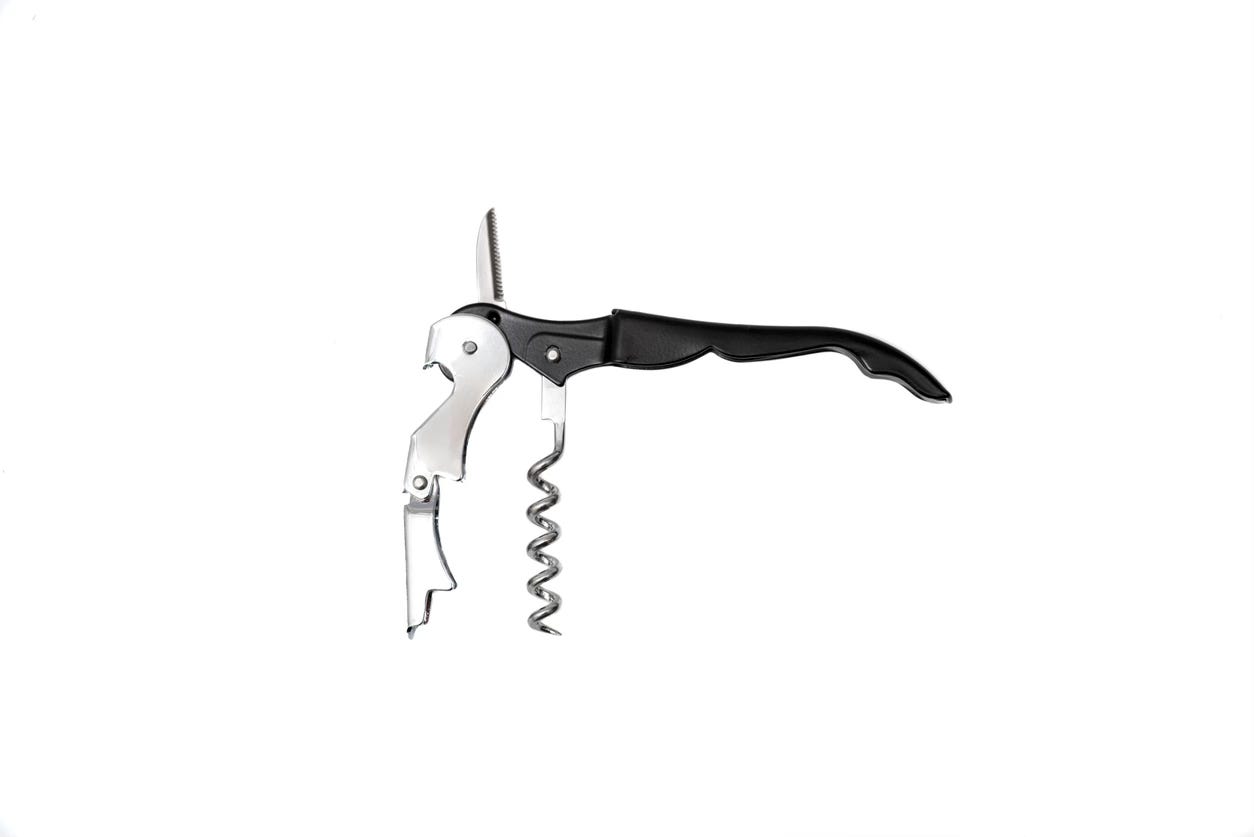
1) Waiter’s Friend: The simplest, most effective, compact and durable wine opener there is. A double lever corkscrew, it is commonly seen at restaurants and bars, can fit into a trouser/jacket pocket and is quite reasonably priced. Don’t buy the plastic, light-weight ones though. They’re cumbersome to use and can break easily
My recommendation: This double-lever corkscrew from Trudeau, an American company, that is sturdy and affordable. I’ve used it myself and can vouch for its quality.
A double-lever corkscrew
Available on Modern Quests. Rs 695.
Fancier version: The Le Creuset waiter’s friend which will set you back by Rs 11,159 if you buy it from Amazon. In Europe it’s cheaper – €28.95 at any kitchenware store or a wine bar. Makes for a great gift, I think. Plus, it comes with a five-year global warranty.
Available on Amazon India
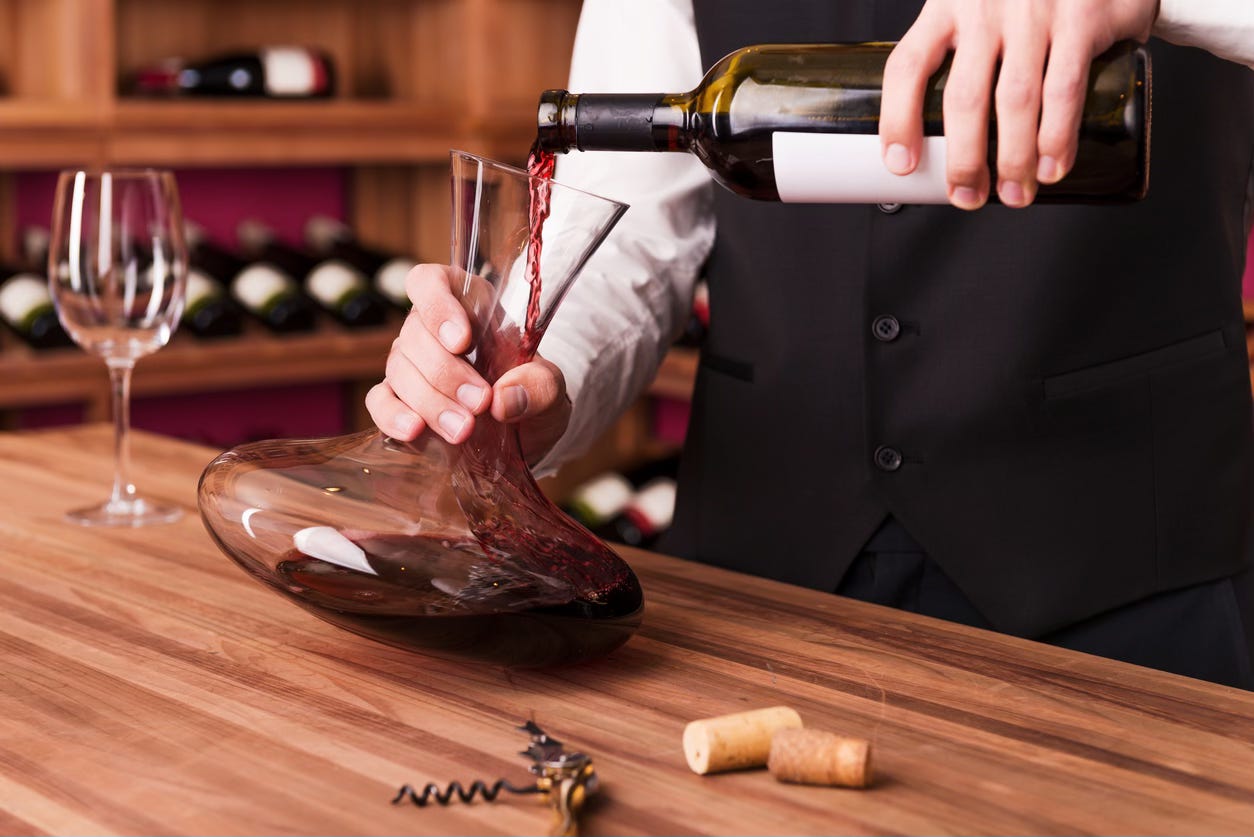
2) Decanter: An absolute must-have for any wine bar, the wide base of this vessel aerates a red wine to unpack its flavours and aromas and soften its tannins. Contrary to popular perception, some white wines too need decanting but those are few and far between. Basic rule of thumb that I follow: use a decanter for complex, heavy-bodied, aged or blended wines. It brings the wine to life and makes it more enjoyable to drink.
My recommendation: I’ve been using the Madeira wine decanter from Nicobar for approximately four years now and it’s been a breeze. More importantly, it won’t bust wallet. Available on Nicobar India. Rs 1450.
3) Glasses: Nothing irritates me more than seeing wine being served in the wrong glass. It is blasphemy and an insult to wine to serve it in a glass meant for a cocktail or whisky. I’m not being snobbish; there is a reason why a wine glass is designed the way it is. The wide bowl is meant to aerate the wine while the long stem is to be used to hold it. Otherwise, a drinker’s body temperature will warm the glass bowl and, consequently, the wine, changing its flavour and character. So, with that Ted talk out of the way, here’s a handy budget-appropriate guide to buy glasses and ensure that you don’t insult wine.
The most ubiquitous glassware brand is Ocean. You’ll find their products in bars, cafés, restaurants and even at home. That’s because they’re easy on the pocket and widely available. So even if some glasses break, you can easily replace either an individual glass or a whole set. I like to go a notch higher and have invested in Lucaris and Pasabahce glasses. Other brands include Spiegalau, Ridel, Nachtmann, RCR, Leonardo, Luigi Bormioli, Zwiesel and many more.
Red wine glasses: In general, there is an appropriate wine glass for each grape variety. However, due to the limited diversity of wines and glasses, I’m going to recommend glasses that are easily available (and replaceable), affordable and commonly used. Should you want to buy other glasses that are off-beat, fancy and/or unusual, feel free to do so. Now, the two most used red wine glass varieties in India are:
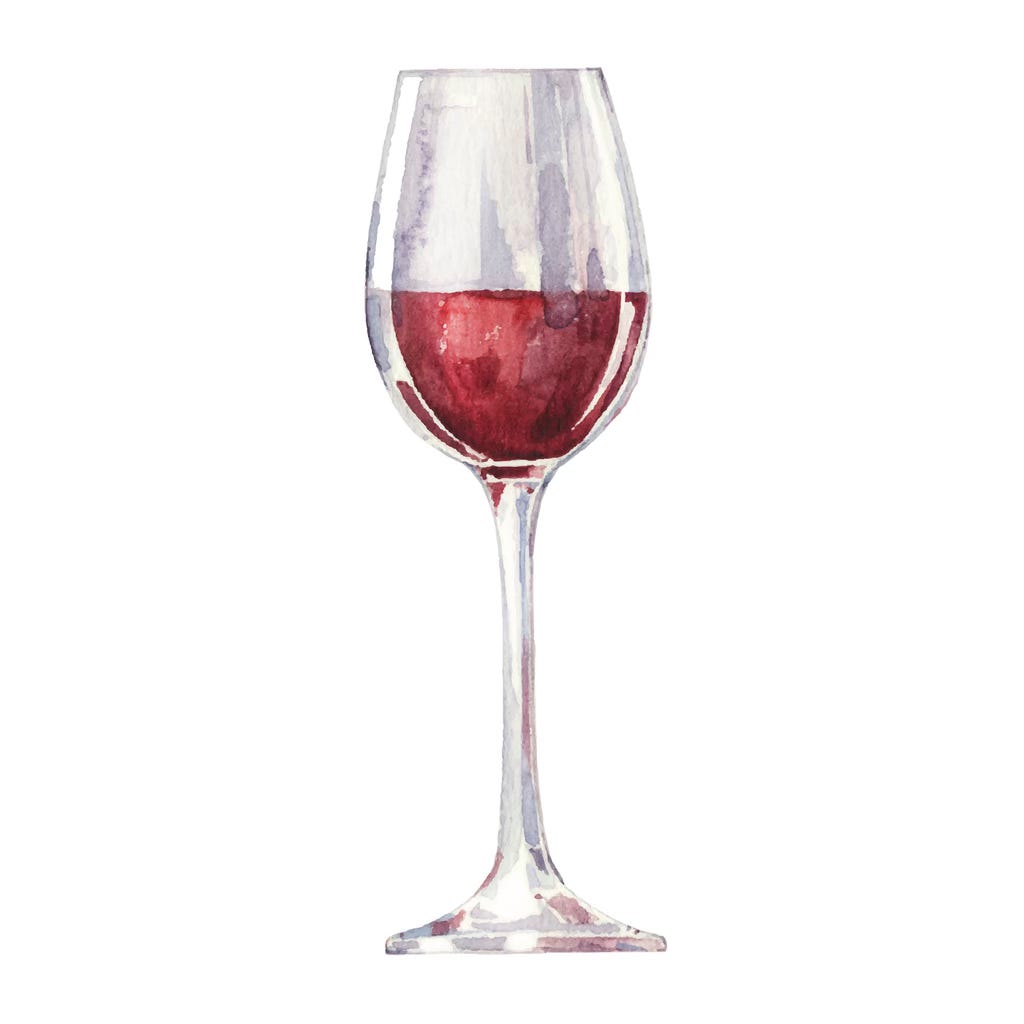
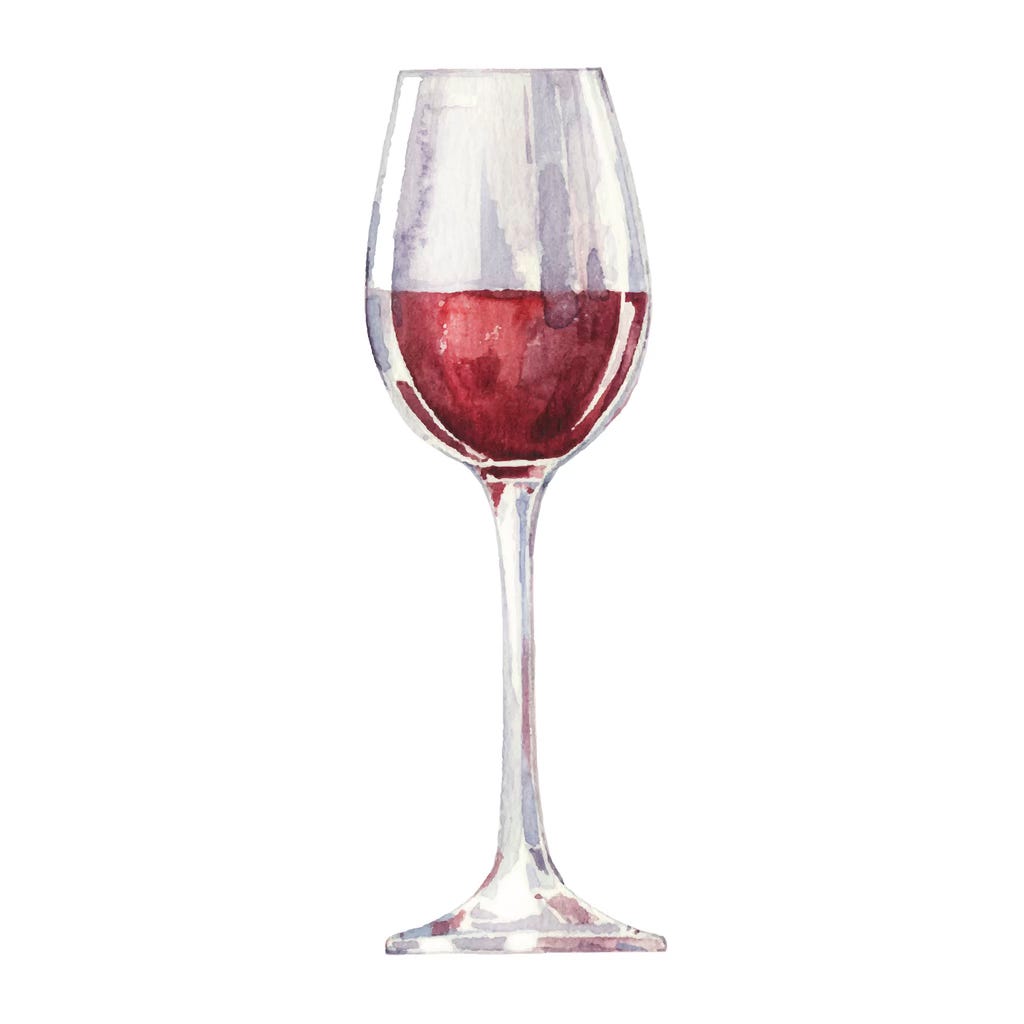
A) The Bordeaux Glass: Named after the French winegrowing region, this one has a narrow mouth, wide bodied, its designed for full-bodied wines like a cabernet sauvignon, merlot and malbec.
A sketch of a Bordeaux glass
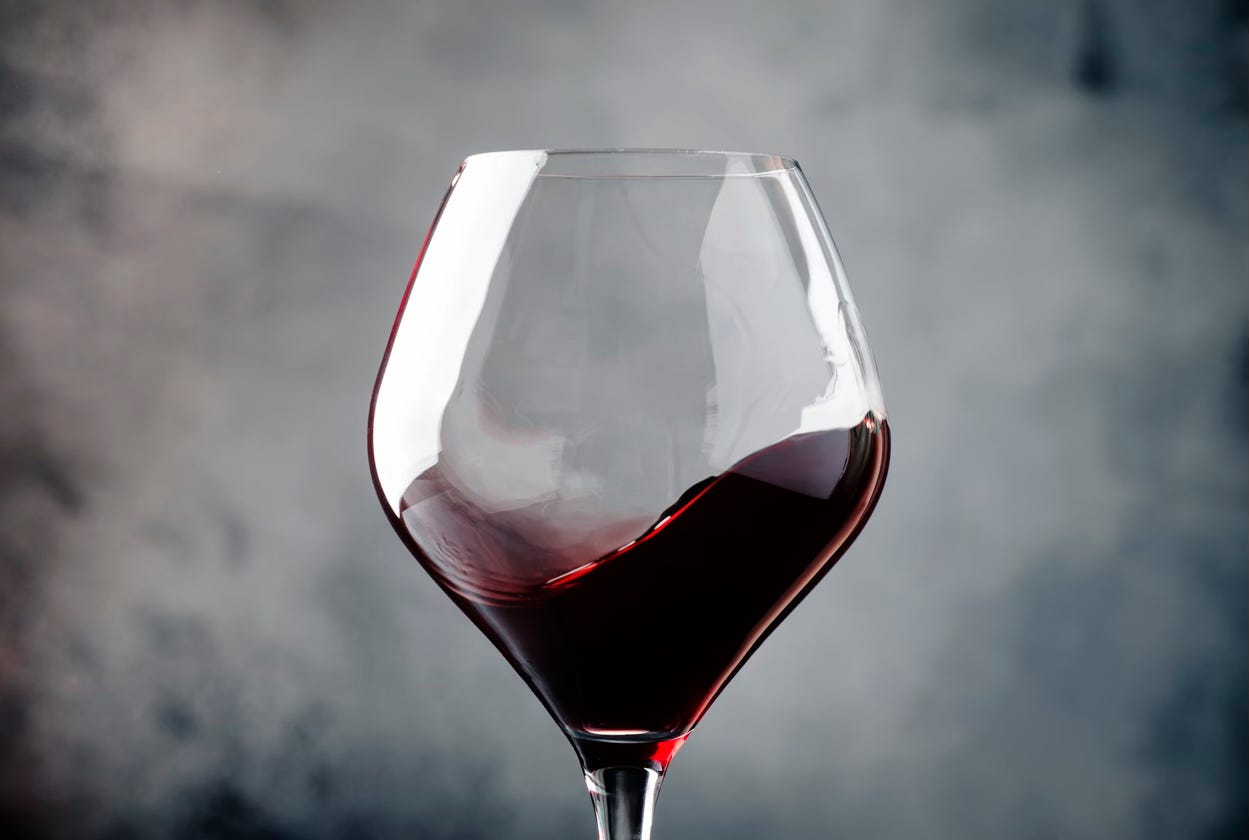
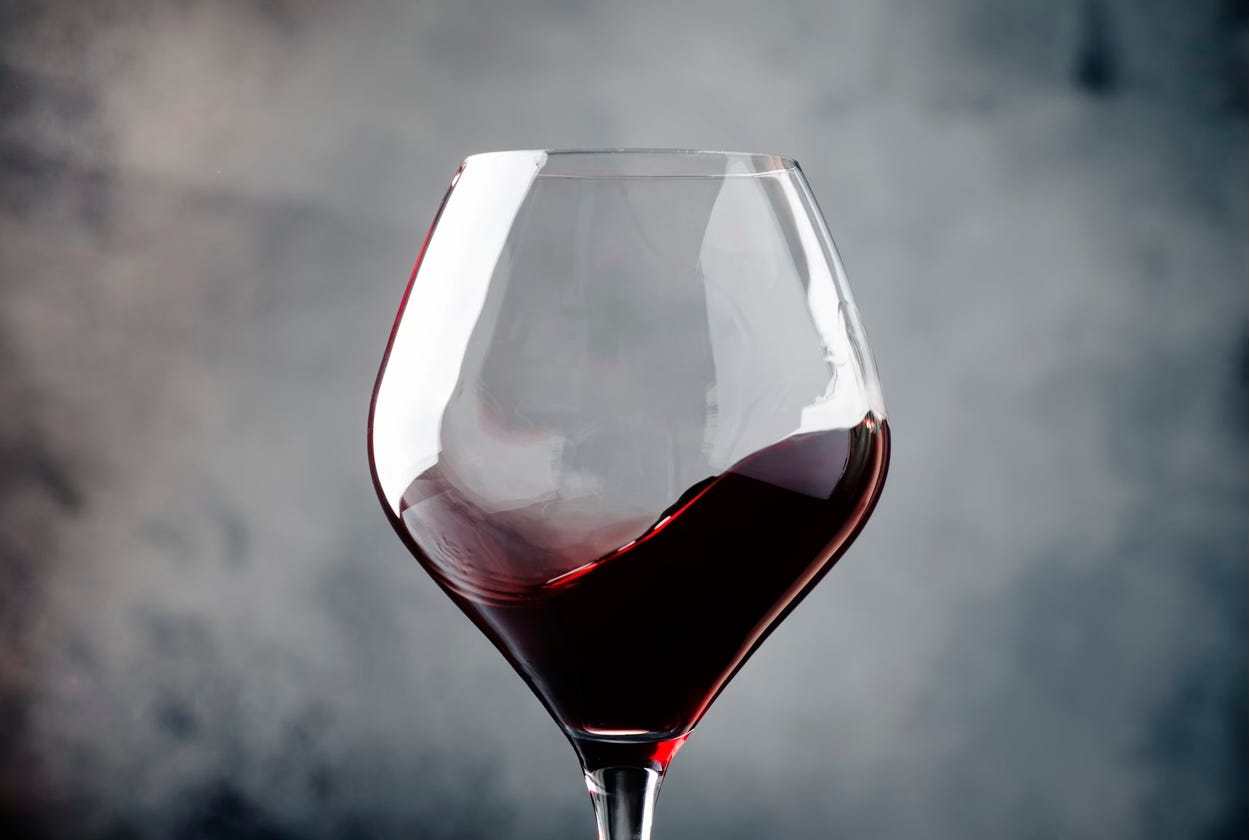
B) The Burgundy Glass: Again, named after the French region of Burgundy, this has a wider bowl and meant for wines that are lighter in body but heavy on aromas. The broader bowl size helps release those aromas and the narrow mouth prevents them from escaping the glass. Ideal for a full-bodied Chardonnay (white) or a Pinot Noir (red) – the native varieties for Burgundy
Burgundy glass.
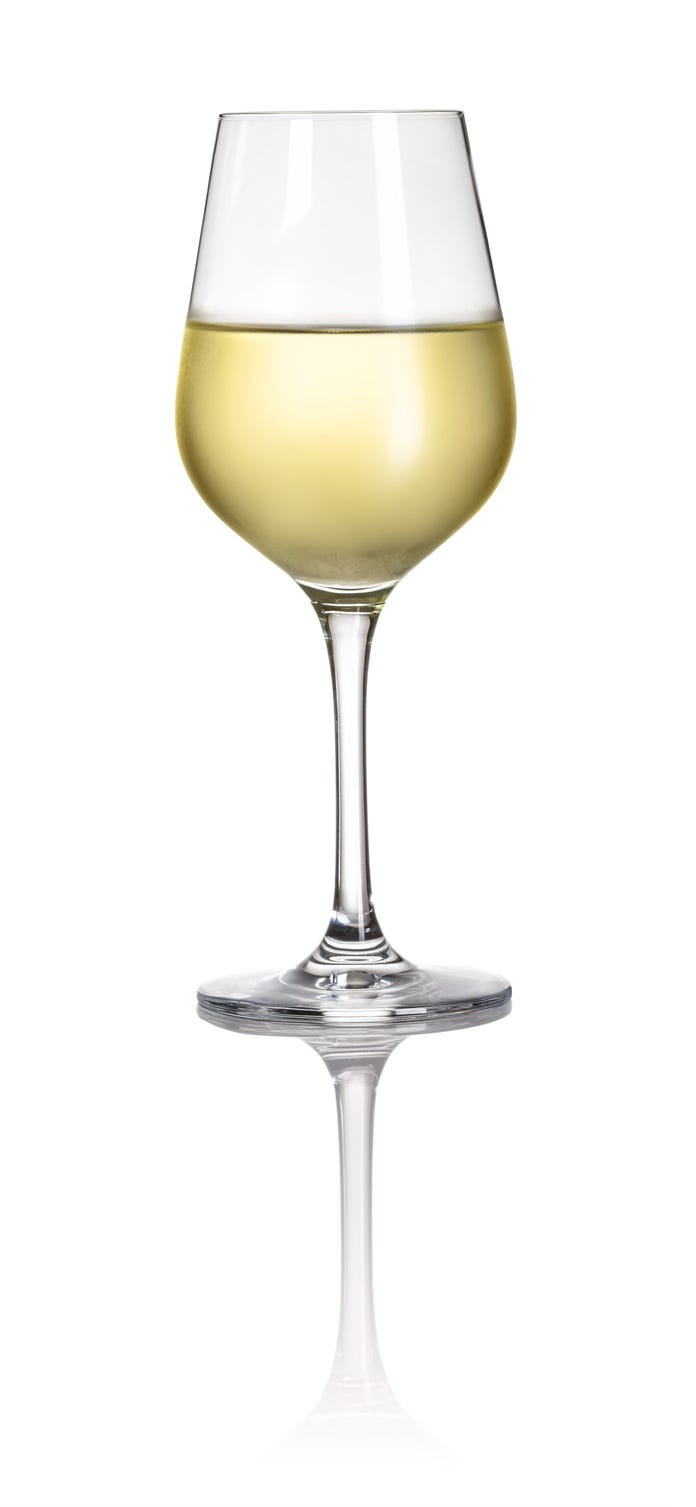
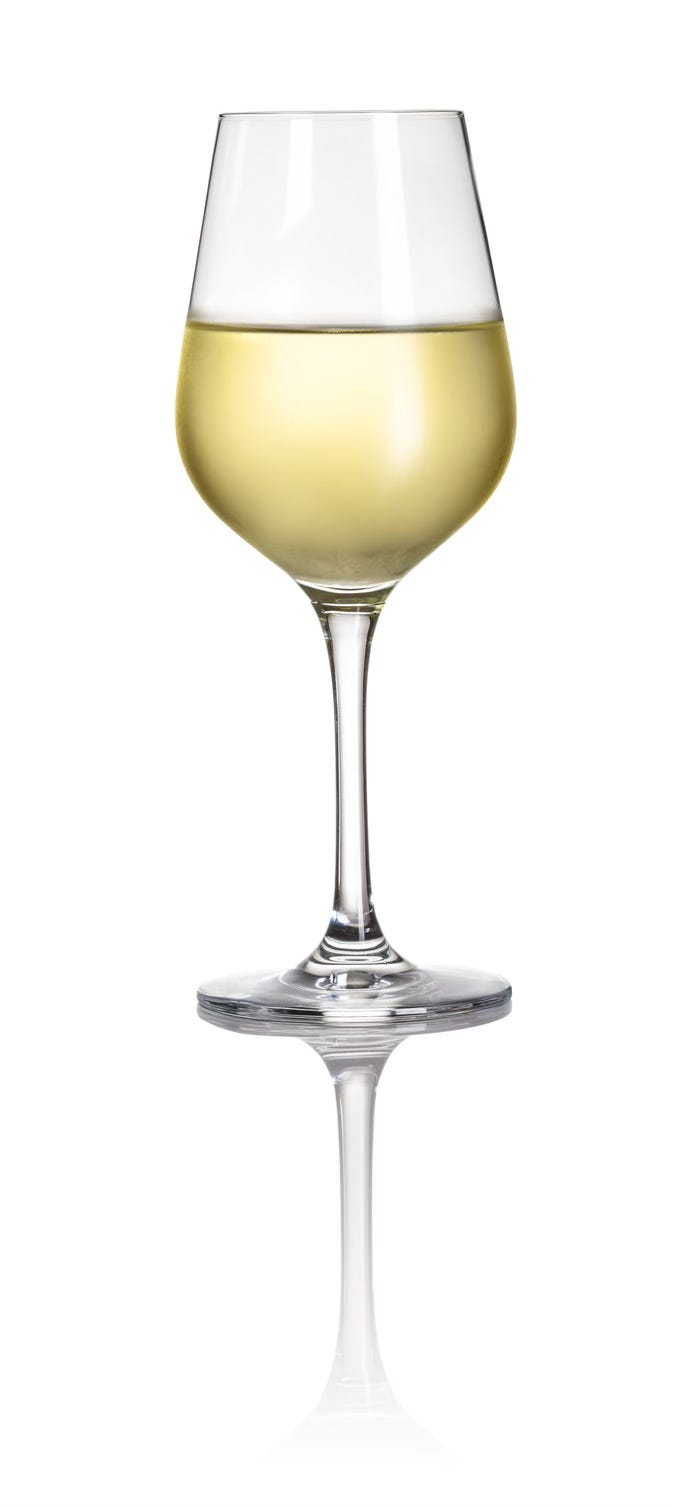
C) White wine/all-purpose glasses: As the name suggests, this is a glass that can be used across a range of grape varieties but is most used to serve white and rosé wines. It has a narrower bowl and is smaller in size compared to the Bordeaux glass.
White wine glass
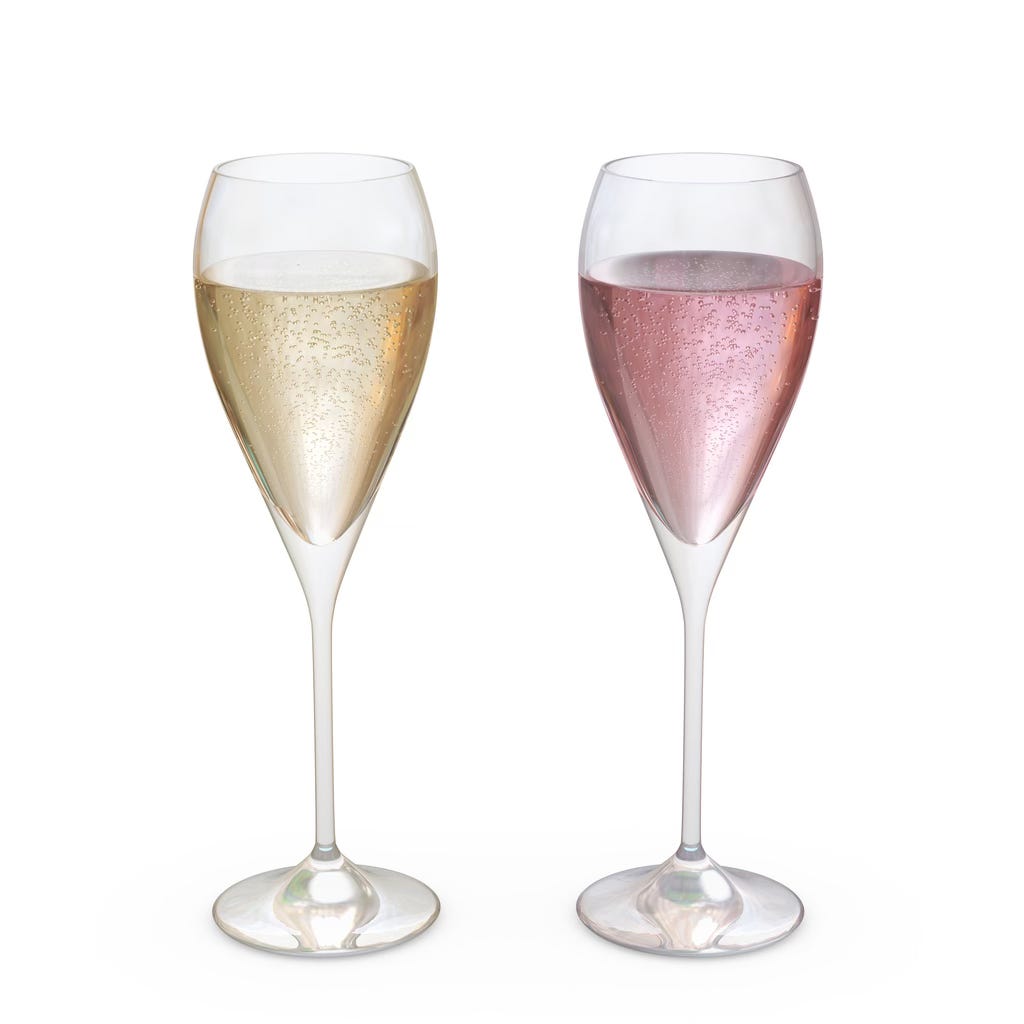
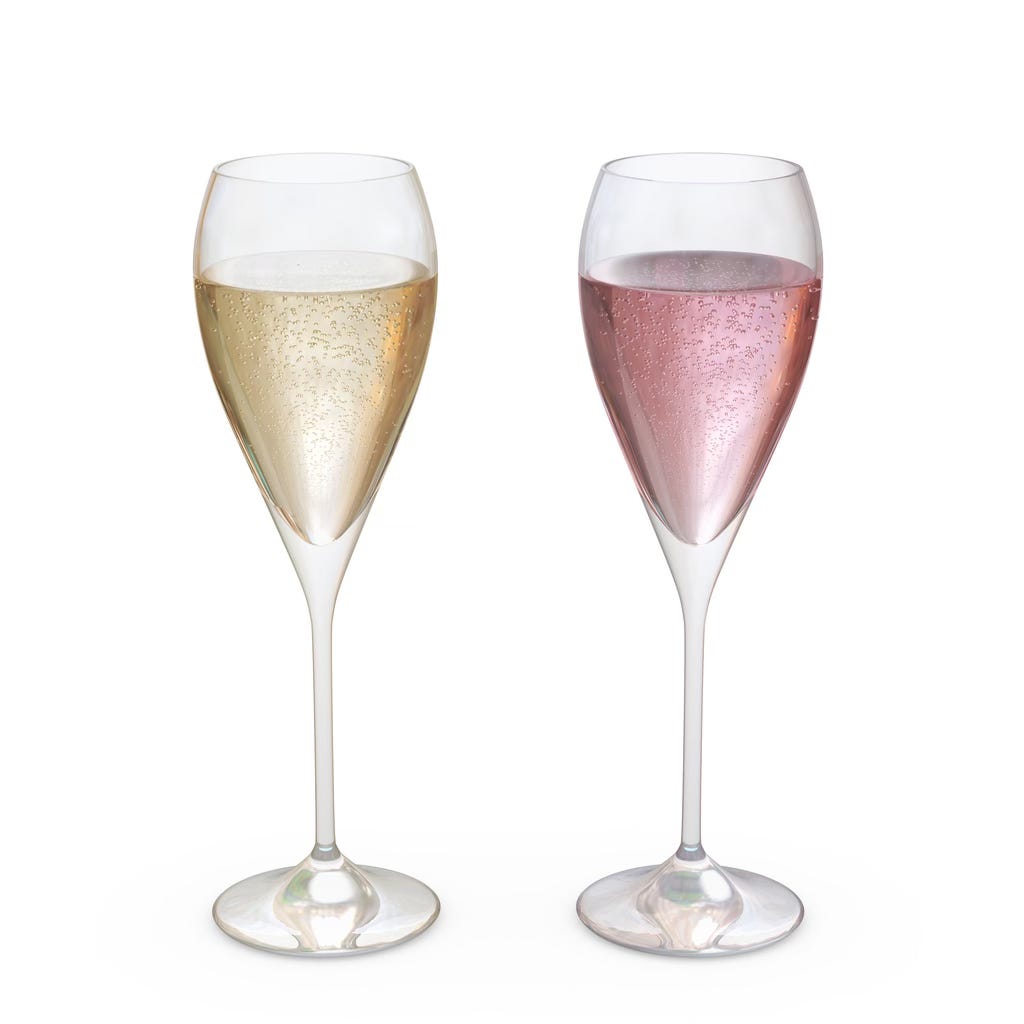
D) Champagne/Sparkling Wine tulips: Avoid using the slim flutes that are commonly used to serve bubbly. Reason: the narrowness of the glass prevents the champagne (or sparkling wine) from “opening up”. In other words, all its flavours and aromas get trapped and you don’t enjoy the wine as it should be. Instead, consider investing in a set of tulip glasses or even all-purposes; their broad bowls allow the wines to release their full bouquet of aromas and flavours. For vintage wines which have aged over many years and, therefore, have more complex flavours and aromas, stick with an all-purpose or even a Burgundy glass.
Tulip glasses for champagne/sparkling wine
How do I use these glasses?
Often, I tend to drink wines that are heavier in body and high on aroma. Such wines are usually blends of different grape varieties which make them more complex in terms of flavour. So, to uncork their full potential, I use the Burgundy glass which serves another purpose: its wide bowl acts as a decanter so if I’m short on time, I can skip decanting and get straight to the business of drinking.
The Bordeaux glass, on the other hand, makes for a good white wine glasstoo. So if you’ve got budget constraints, or if white wine/all-purpose glasses (see below) are unavailable, this can be a handy substitute.
Buy these wine glasses on Amazon, The Bar Collective, Modern Quests, Myntra and other online stores . Upmarket crockery stores in most major cities will also stock some of these brands. On average, prices for a set of six glasses start between Rs 1500-1700 (approx.) and go up to Rs 36000-37000 (approx.). Some brands only offer sets of two or four so please check before you make your purchase.
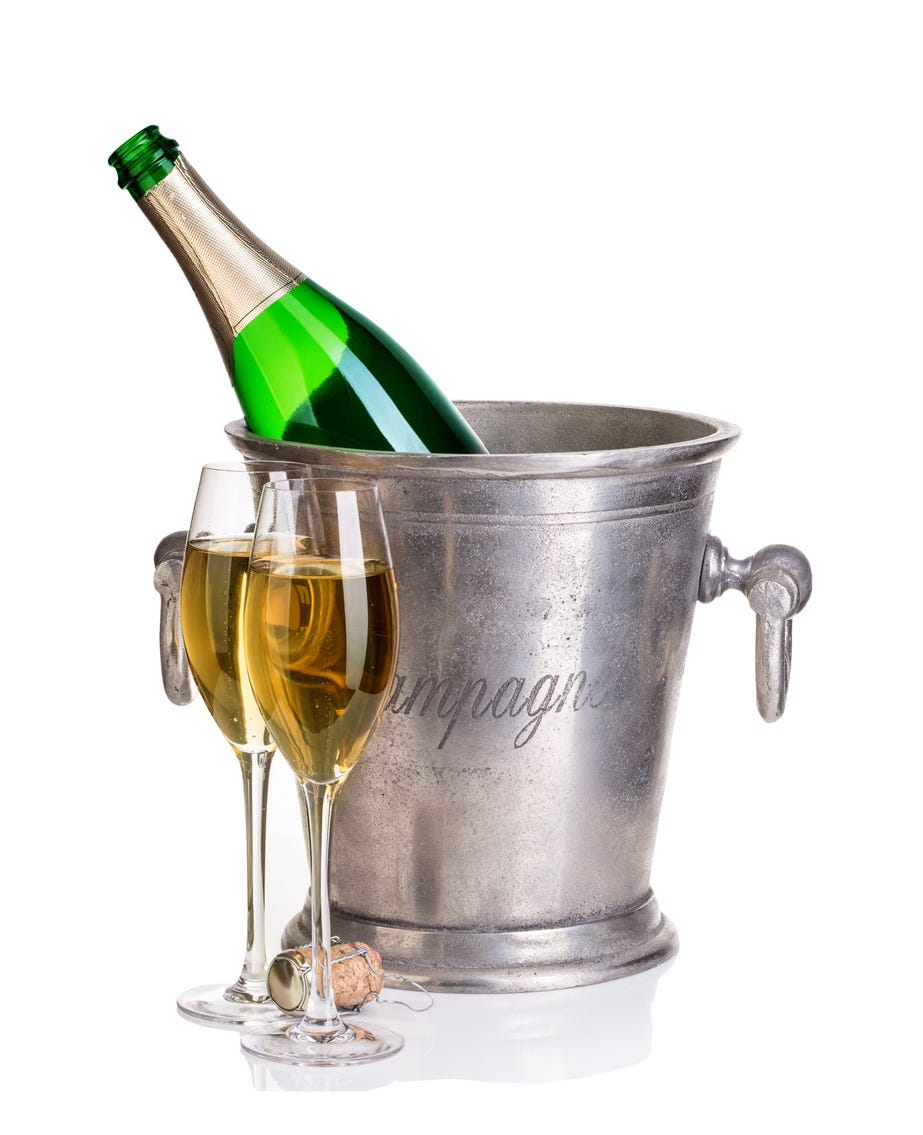
4) Champagne cooler bucket Don’t be mislead by the name. This nifty thing can also be used to chill red as well as white wine. Fill half the bucket with cold water, add some ice to it and put the wine or champagne bottle inside. The presence of water will ensure that the bottle’s surface gets cooled from all sides. If you just add ice cubes, the small gaps between them will allow warm air to pass and slow down the cooling process. Extremely handy during parties/get togethers.
Available on Amazon and other online stores. Prices start at Rs 1300 per bucket (approx.)
Champagne bucket
5) Bottle cooling sleeve A more compact wine cooling option is this insulated case filled with gel. Think of this as an ice pack for wine. Put the sleeve in the freezer a couple of hours before you open the wine, so that the gel inside freezes over. After you’ve served the wine, take the sleeve out of the freezer and just cover the bottle with it. It’ll keep the wine cool till gel inside has melted.
Available on Amazon and other online stores. Prices start at Rs 349 per sleeve (approx.)
6) Wine chillers/refrigerators: A worthy investment if you spend on expensive wines or would like to consume them after a years, after they’ve aged a bit. The main difference between a regular fridge and a wine cooler is temperature. A standard refrigerator will almost always operate at one fixed degree because of the diversity of things it has to house – veggies, cooked food, sauces, beer, dessert etc.
On the other hand, a wine fridge allows you to adjust the temperature according to the wines you’re going to store in it. Most importantly, because a regular fridge has much lower levels of humidity compared to a wine chiller, the corks of your bottles can dry out. Lastly, a dedicated space for wine eliminates the possibility of food aroma from creeping into the bottle. When you open the bottle, you want to be able to smell the scent of wine, not of daal or butter chicken that were also stored in the fridge.
Kaff, Haier, Celfrost, Leonard, BlueStar, Faber, Carysil and numerous other brands make wine chillers that you can buy from Amazon or an upmarket home appliances store. The smallest fridge can store eight bottles while the biggest one can store upwards of 100. There are 16, 32, 46-bottle options too and all of them come with digital temperature controls, and you can choose between a freestanding model or a built-in one. Some coolers even have a dual zone temperature control feature that allows you to set different temperatures for the upper and lower halves of the cooler. Honestly, a dual-zone cooler is a bit of an indulgence. A single zone version works just as well. I bought a very basic 16-bottle Celfrost cooler in 2019 for Rs 27,000 and it works like a charm.
Available on Amazon, The Bar Collective and other online stores. Also available offline at leading home appliances retailers. Prices start at Rs 18,000 (approx.)
Over the last few years, I’ve used all of these accessories and they’ve certainly elevated my wine drinking experience (and lightened my bank account). There’s plenty more wine accessories but I’ll write about them another time. For now, these are the ones you should have at home to make your journey into the world of wine an enjoyable one.

Comments
Nothing yet. Say the first thing.
Sign in to join the conversation.