
There is a particular kind of smallness people usually seek out.
You see it in a way when you stand in front of the ocean, sitting under the sky full of stars.
We stand at the edge of mountains and feel strangely relieved.
Isn’t it curious that we humans are drawn to vastness and things that dwarf us, things that remind us how little we are in the scale of the world?
Part of what we seek in vastness may be awe, but perhaps what we seek is interruption.
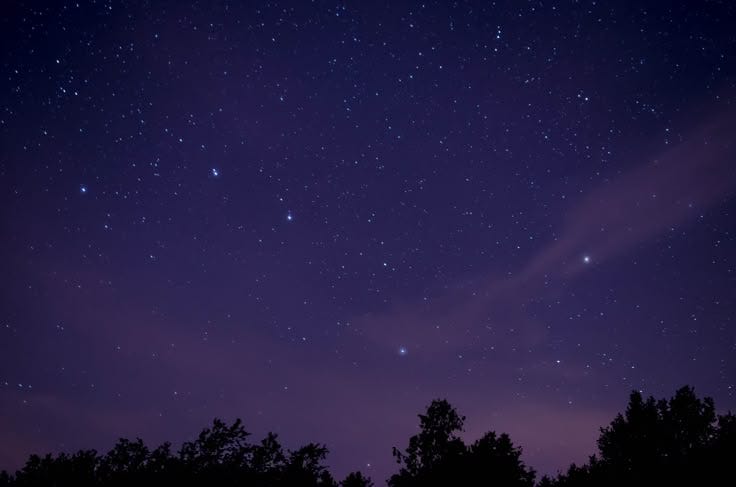
The vastness temporarily quiets self-focus.
My life, my problems, my image, my overthinking.
The endless inner narrations.
When life feels too much, the mind narrows over the problems, anxiety and overthinking.
Making everything else way too unreal.
The constant monitoring, the comparing, the over interruptions, and the private negotiations between who we are and who we should be.
Modern life sharpens this.
We are asked to curate ourselves, improve ourselves, explain ourselves, and perform ourselves.
The self becomes a project and a burden.
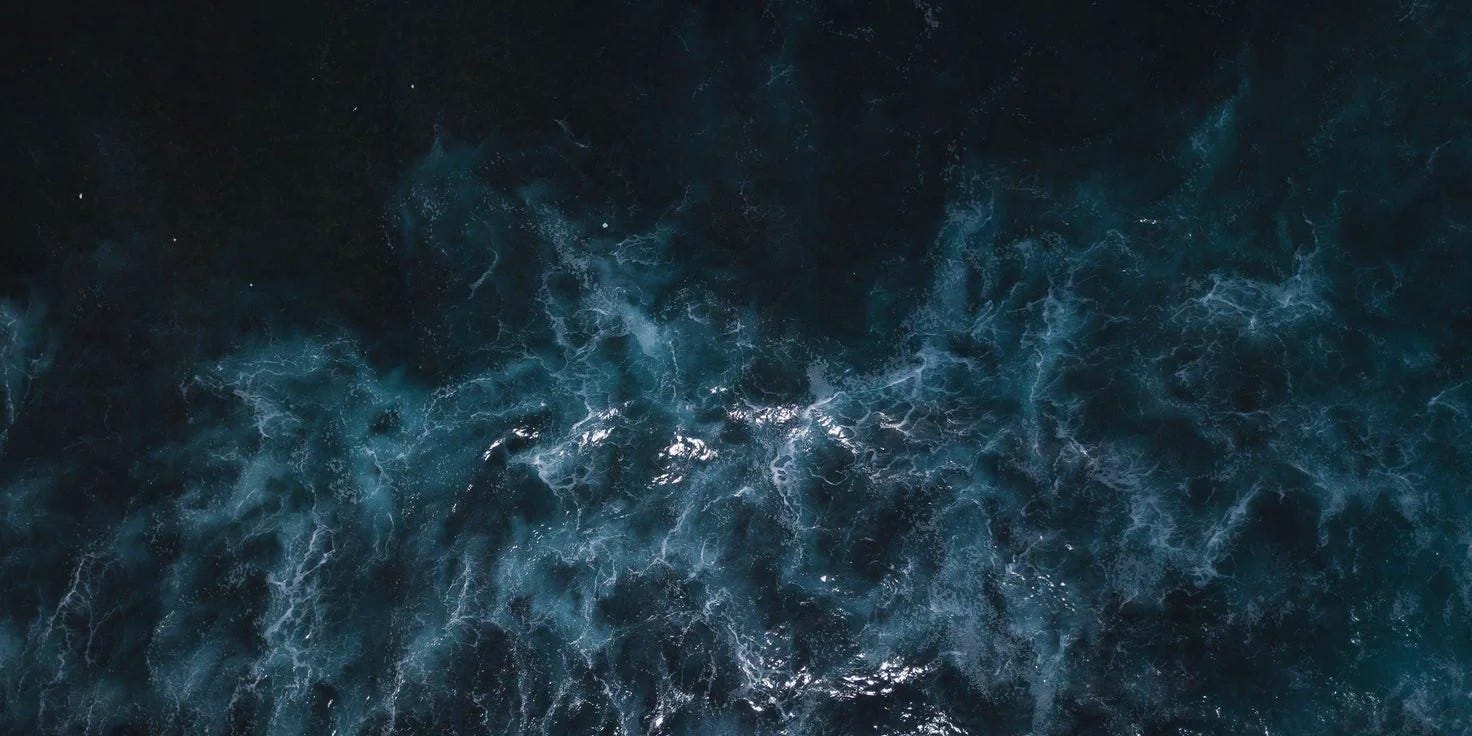
Awe can soften the control, because it gives a safe encounter with surrender.
For people exhausted by managing everything internally, that loss of control can feel like freedom.
Sometimes people seek vastness not only for wonder but for disappearance.
A relief from self-consciousness, burden and just a wish to dissolve.
We look for a certain form of smallness because they don’t diminish the self, but loosen the grip.
Psychologists call this the small self.
You are not the centre, and that’s beautiful.
In awe, the self doesn’t disappear. It simply stops demanding so much attention.
As we lie under the starry night, our minds wander and with the same anxious thoughts and feelings, but too small to notice.
Personal worries feel proportionate again.
Its paradox is that by making us feel smaller, it often makes life larger.
And not all smallness is liberating. Some are deforming.
A quieter, more corrosive kind.
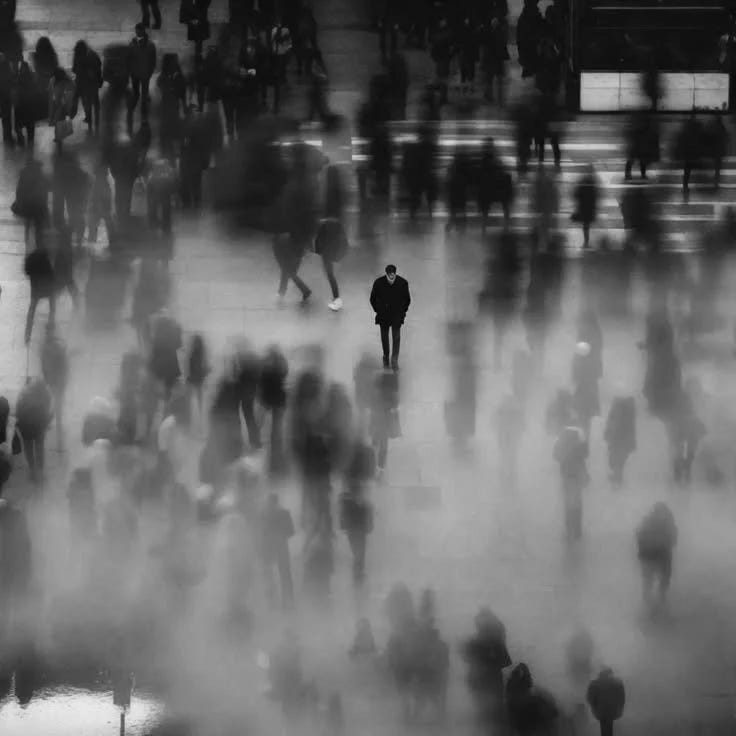
The one we find not under the stars but with the expectations, in rooms.
Not in the face of vastness, but in the presence of people.
It appears when people edit themselves to remain acceptable. When needs are too softened into suggestions.
When disagreement is mistaken for danger.
It can look like politeness.
Like love.
Often, like self-assurance.
There is a strange habit that humans have to shrink in order to fit in, to belong.
Making themselves easier, more accessible, likeable and agreeable, less demanding.
Taking up less emotional space to save the connection.
We often present ourselves as a different version, a smaller version.
And this shrinking is often rewarded.
We call it patience.
We call it humanity.
We call it understanding.
But is it really?
We start accepting breadcrumbs and assume that’s all we deserve.
Some relationships make one feel small by reducing oneself.
We lose self-importance. Our own perspective.
This smallness teaches self-diminishment.
Asks people to become less.
Makes us believe that less is good.
And this is where the distinction matters the most.
One expands and the other contracts personhood.
And perhaps this is why awe matters more than it seems.
Perhaps we are drawn to vastness because it offers a corrective.
It is a reminder that one can feel humbled without being erased.
There is a kind of smallness that frees us because it reminds us we belong to something larger.
And there is a kind that asks us to take up less space.
It may be worth learning the difference.
I hope we all choose wisely, because we are so much more than we imagine.
Until next time,
Love,
Aayushi.
Thanks for reading, By Aayushi! Subscribe for free to receive new posts and support my work.
Comments
Nothing yet. Say the first thing.
Sign in to join the conversation.