
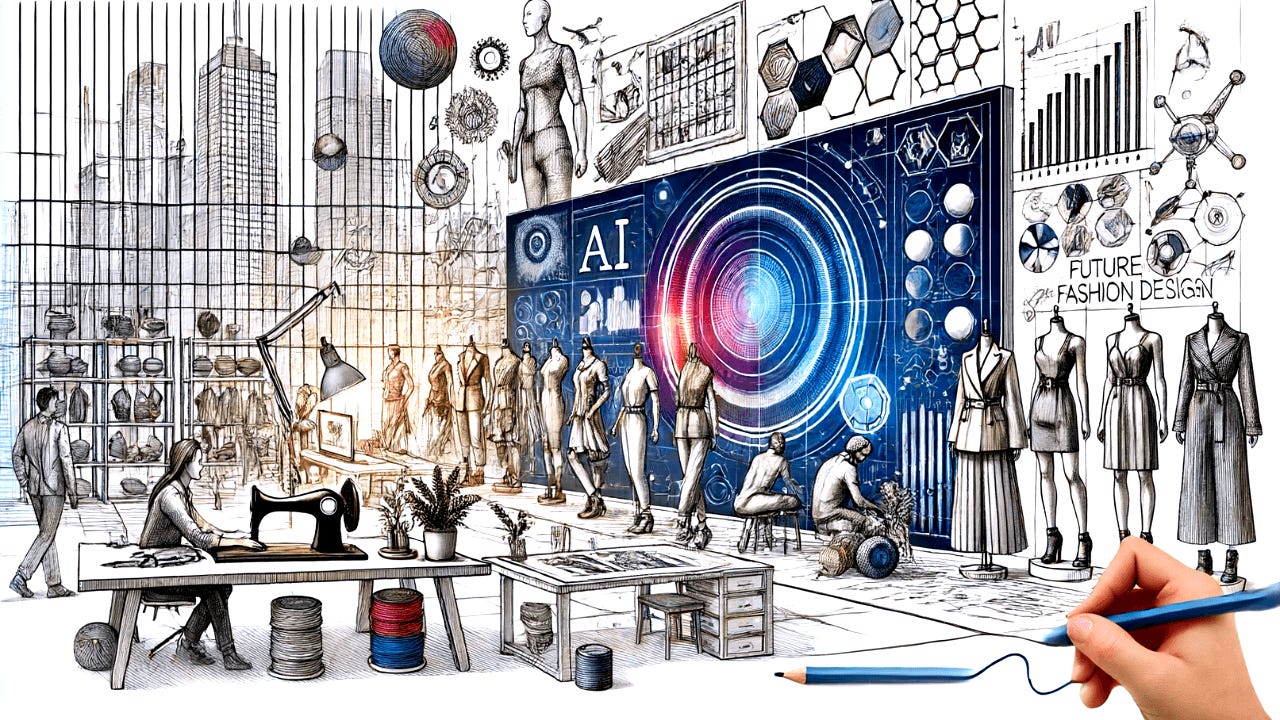
Recently, Jeffrey Katzenberg, co-founder of DreamWorks Animation, made a bold claim: AI could cut animation labor and production time by 90%.
That number is designed to provoke. But the conversation it sparks is one our industry can’t afford to avoid.
Small independent animation studios don’t have the luxury of dismissing AI as hype — or fearing it as apocalypse. They need to actively integrate AI into their animated content pipeline. Not to replace artists. Not to cut corners. But to increase quality, accelerate iteration, and unlock creative bandwidth we simply didn’t have before.
Here’s what that actually looks like on the ground.
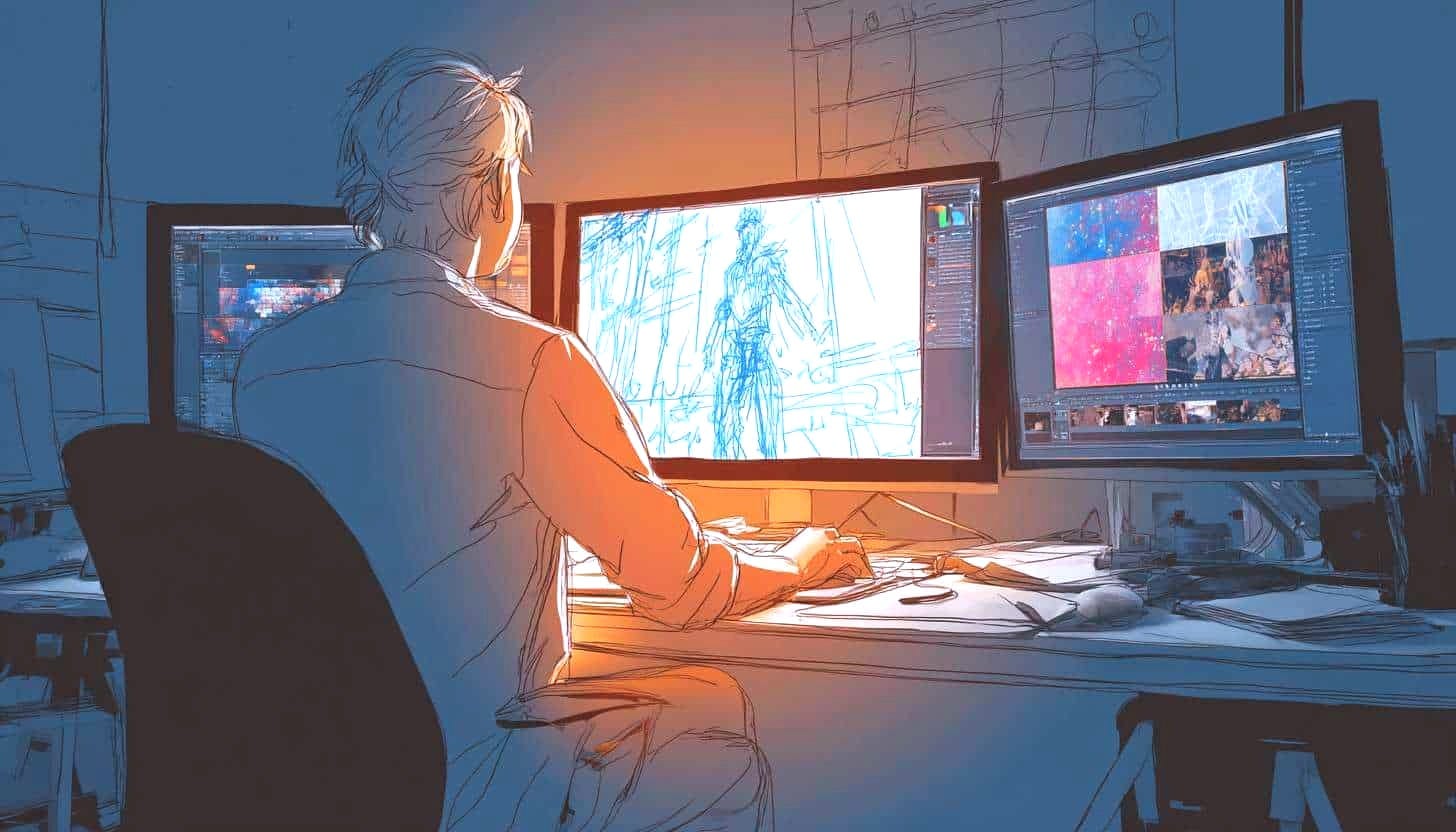
From the multiplane camera to CGI, from motion capture to real-time rendering — animation has always evolved through tools.
AI is another tool. A powerful one. And like every major leap before it, it changes workflows far more than it replaces creativity.
The key distinction? AI doesn’t eliminate the need for taste, storytelling, timing, or visual cohesion. It compresses the mechanical overhead that used to slow those things down.
When Jeffrey Katzenberg talks about a 90% reduction, he’s likely pointing at production time and labor intensity — not the disappearance of animators.
And in some parts of the pipeline, that scale of compression is plausible.
But here’s what doesn’t shrink:
Creative direction
Story architecture
Performance nuance
Editorial judgment
Brand voice
Emotional intelligence
If anything, those become more important.
AI removes friction. It doesn’t replace vision.
For large legacy studios, AI represents disruption.
For indie studios, AI represents leverage.
They don’t have 300-person teams. They don’t have nine-figure budgets. They live or die by efficiency.
AI gives independent studios:
More shots per dollar
Faster iteration cycles
The ability to prototype bold ideas without catastrophic risk
Higher baseline production value
It’s not about cutting jobs. It’s about multiplying output.
In a landscape where attention is scarce and timelines are compressed, speed is creative power.
The anxiety around AI in animation is understandable. This is an art form built by craftspeople who’ve spent years mastering their skills.
But history suggests something important: when tools evolve, roles evolve.
The animator of the next decade may spend less time manually keyframing and more time directing performance.
The storyboard artist may function more like a visual showrunner.
The technical artist becomes even more central.
The barrier to entry lowers — but the bar for taste rises.
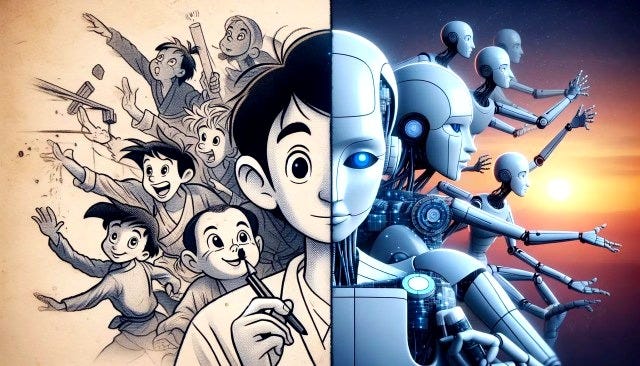
I believe AI is inevitable in animation. The question isn’t whether it will be used — it’s how thoughtfully it will be used.
For independent studios:
AI assists. Humans decide.
AI accelerates. Humans refine.
AI expands possibility. Humans shape meaning.
We won’t see a 90% reduction in creativity.
We’ll see a 90% reduction in friction.
And for independent creators, that changes everything.
The future of animation won’t be human or AI.
It will be human with AI.
And the studios that learn to integrate it intentionally — not reactively — will define what comes next.
Additional Sources:
Comments
Nothing yet. Say the first thing.
Sign in to join the conversation.