
Season 20, Episode 09: The art of the book adaptation
16 May 2026 – People often consider closeness to an original an important metric in adaptations. I don’t care about it.
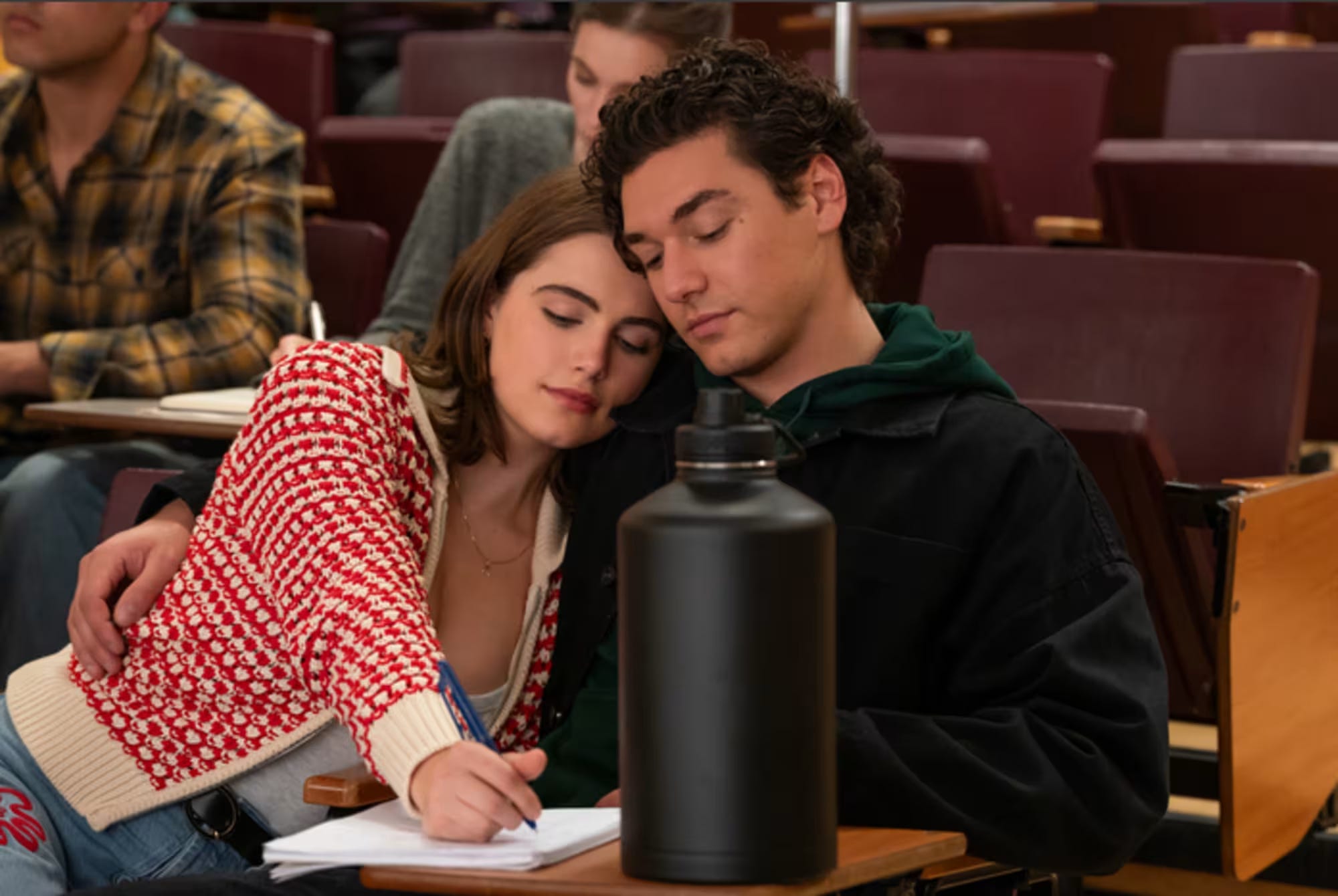
As double english and film major, book-to-screen adaptations are often my favorite pieces of media to consume. The first books I ever loved were Harry Potter and Percy Jackson, both of which now have several adaptations* to varying degrees of success. I’ve obviously seen all of them.
*Throughout this article, I’‘ll often refer to these adaptations as “film,” however this can mean both movies and TV.
Unlike many readers, I didn’t pick those series up as a little kid, though. I read them for the first time at 13 years old, and I’m forever grateful that I did, even though I can’t remember why I picked them up.
Three days ago one of my most highly anticipated adaptations was released: Off Campus. Despite having a full time job, I managed to finish my watch of the show in two days.
Now, I’m not saying the book series the show is based on is revolutionary. In fact, they’re fairly basic, sometimes problematic, hockey romance novels. I’m not blind to their many problems. Still, they were some of the first romance novels I read that weren’t YA.
The adaptation exceeded my expectations, and has absolutely made the books better. Not only has it fixed anything problematic, but they’ve also added depth to trauma (thanks to the ten+ years since the books were released) and added new plot elements that make the entire series more enjoyable.
I doubt everyone will love it, and I know many book-fans are mad about the changes even when they’re realistically for the better.
One thing I hate about online book/film culture is the strange obsession with fidelity to originals. Perhaps some of this hatred is because I’ve readily studied both mediums and I know the impracticalities of making texts identical to their source, as well as the necessity for change and intertextual conversation.
Robert Stam argues for intertextual dialogism with adaptations, basically meaning that all film adaptations of any text will forever be in conversation with adaptations that have come before it, cultural moments, authorial dissonance, and more. When a text is moved from paper to screen, the added layers necessarily equate to change.
Everything is an interpretation. For example, if an author descibes the outside of a house in a book, they may say it has classic white siding and beautiful windows with blue shutters and a long, dark pavement driveway. Maybe they even detail what you can see through the windows or the vines that grow up one wall despite attempts at gardening.
This is all to say, no matter how specific an author is in their descriptions the filmmaker may see this house in a completely different way than you or I do. This isn’t a bad thing.
In film, every choice matters in a different way than they do in a novel.
On the page, a description or plot point is usually explicitly meant to be understood and interpreted by audiences. On the screen, there are thousands of tiny details that affect your mood and understanding of the story without you even noticing, like tiny, out-of-focus items scattered around a bedroom.
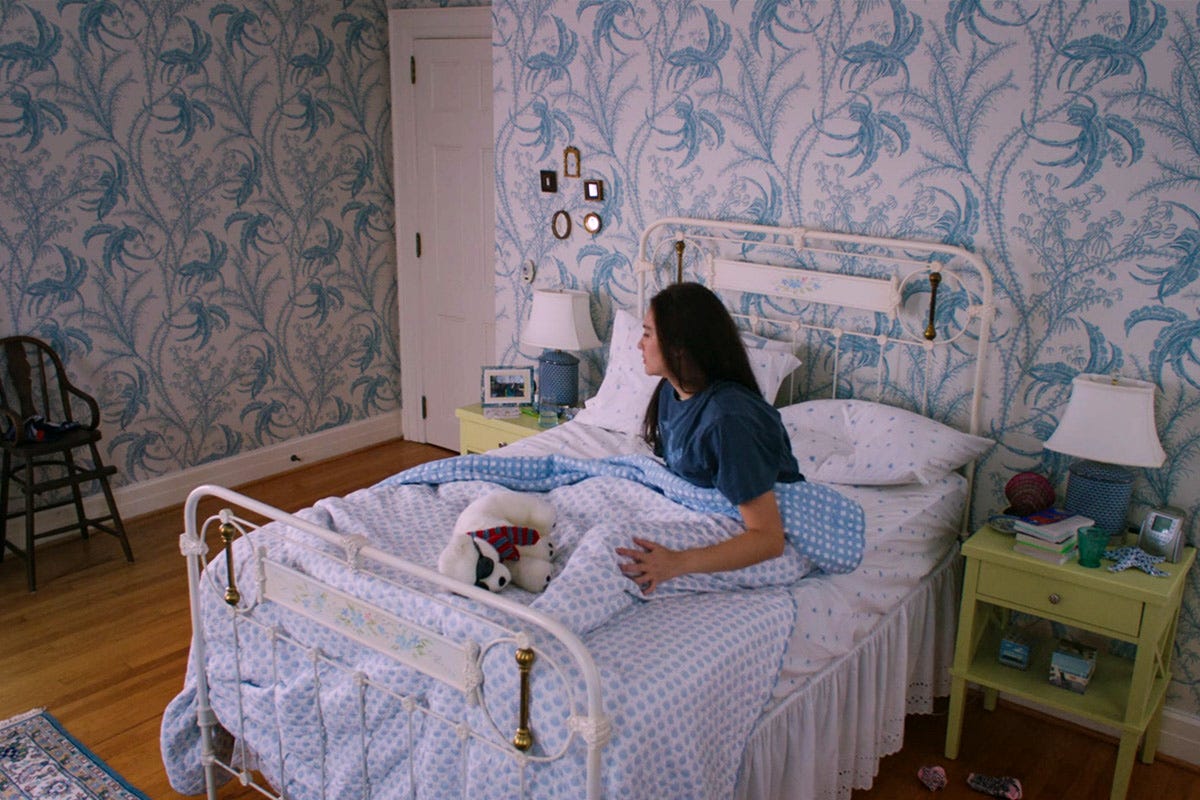
In this example of Belly’s room in The Summer I Turned Pretty notice the books on the nightstand, the socks on the floor. These aren’t details you consciously recognize while watching. Instead, they serve to build up the atmosphere of the entire series.
Understandably, there are times when fidelity is still important. When it comes to representing communities of any kind, sharing often misrepresented or unrepresented stories, etc. these things should remain similar. Note, I don’t mean to say exactly the same.
Using my first example of Off Campus, the show adds important layers to the histories of the characters that was previously missing. I won’t go into detail as to avoid spoilers, however know that it was a great move that is a common choice implemented in recent adaptations.
Other controversy often comes in casting, as seen in Off Campus with the character of Tucker, or in Wuthering Heights. These situations are very different, though.
In terms of Wuthering Heights (2026), though I am no expert on the situation, I understand that Jacob Elordi’s character (Heathcliff) is depicted as darker skinned, and marginalized for this. Because his race therefore plays a role in the character, it’s something important to abide by in an adaptation.
That being said, I also think the film was aiming at a loose adaptation, so I’m unsure of the explicit details of this adaptation. Please leave a comment if you know more about this, I’d love to learn!
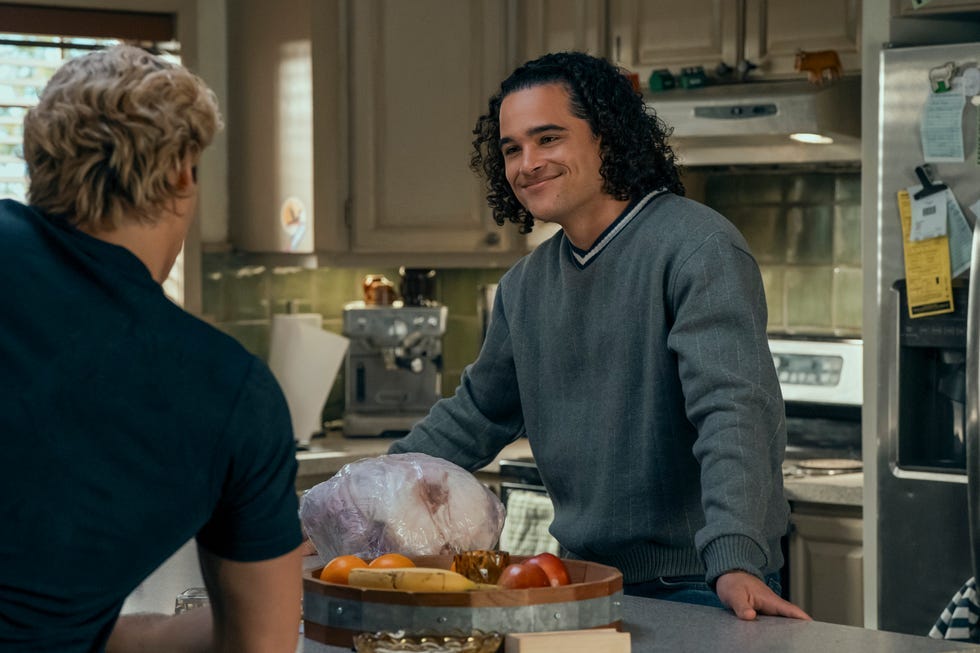
For Tucker in Off Campus, his casting is adding diversity to a completely white book. People are upset because he isn’t what they imagined, which is understandable, however I wholly believe in multiple interpretations.
When I first read the books I had a fancast for all the main characters, and I know my cast wouldn’t please any fans. It’s often fun to imagine characters beyond author intent, and it really does no harm until people begin contributing to hate on real actors.
Adaptations are a way to introduce more people to books you love, or to discover new books you plan to read and love.
My favorite series and films tend to be made from novels, however my favorite books tend to be ones that don’t have adaptations. Some aspects of novels, namely the way they can inspire feeling, cannot be translated.
However, some books I found to be lacking in some ways ended up my favorite adaptations (i.e. Off Campus or TSITP).
In general, though, we need to be more accepting of adaptations that differ from their originals in good, meaningful ways. Keeping our critical thinking hats on to determine when these changes are important or not is vital.
Novels and film are first and foremost about storytelling, about connecting people.
When we criticize every change, regardless of its potential significance, we lose sight of the core intentions behind these art forms. We also inadvertently hurt people, whether it be lovers of the text or people who have worked diligently on it.
Obviously, criticism is okay and often necessary for conversations around film and books. The main issue I see with online critics of these adaptations is that they often view change as bad, no matter what.
If we open our minds more, consider every factor and audience we can, then our criticism can grow beyond vapid comments into insightful discourse.
There is an insane amount of upcoming adaptations, and I sincerely hope we can all go into them with a deep breath and an aim for a more holistic outlook.

The two adaptations I’m most looking forward to are June 10th’s Every Year After (previously Every Summer After), an adaptation of a romance novel I loved and November 20th’s Sunrise on the Reaping which is a Hunger Games prequel.

I’m not expecting t-for-t recreations and honestly, I wouldn’t want that. It’s so much more fun to be somewhat surprised by what I see, especially when I’ve read the book and know what’s theoretically coming.
Your reaction to the surprise of change is wholly up to you to determine.
P.S. This week’s song is Gracie’s new single, which I’m obsessed with. It is also sooooo Garrett Graham from Off Campus.

No posts
Comments
Nothing yet. Say the first thing.
Sign in to join the conversation.