
Exactly 2 years ago (1 February), when I arrived at MIT on my Fulbright Fellowship in 2024, I experienced pure brilliance.
But what I didn’t expect was humility.
In a place filled with Nobel laureates, innovators and boundary-pushers, the real secret ingredient wasn’t intellect - it was curiosity…
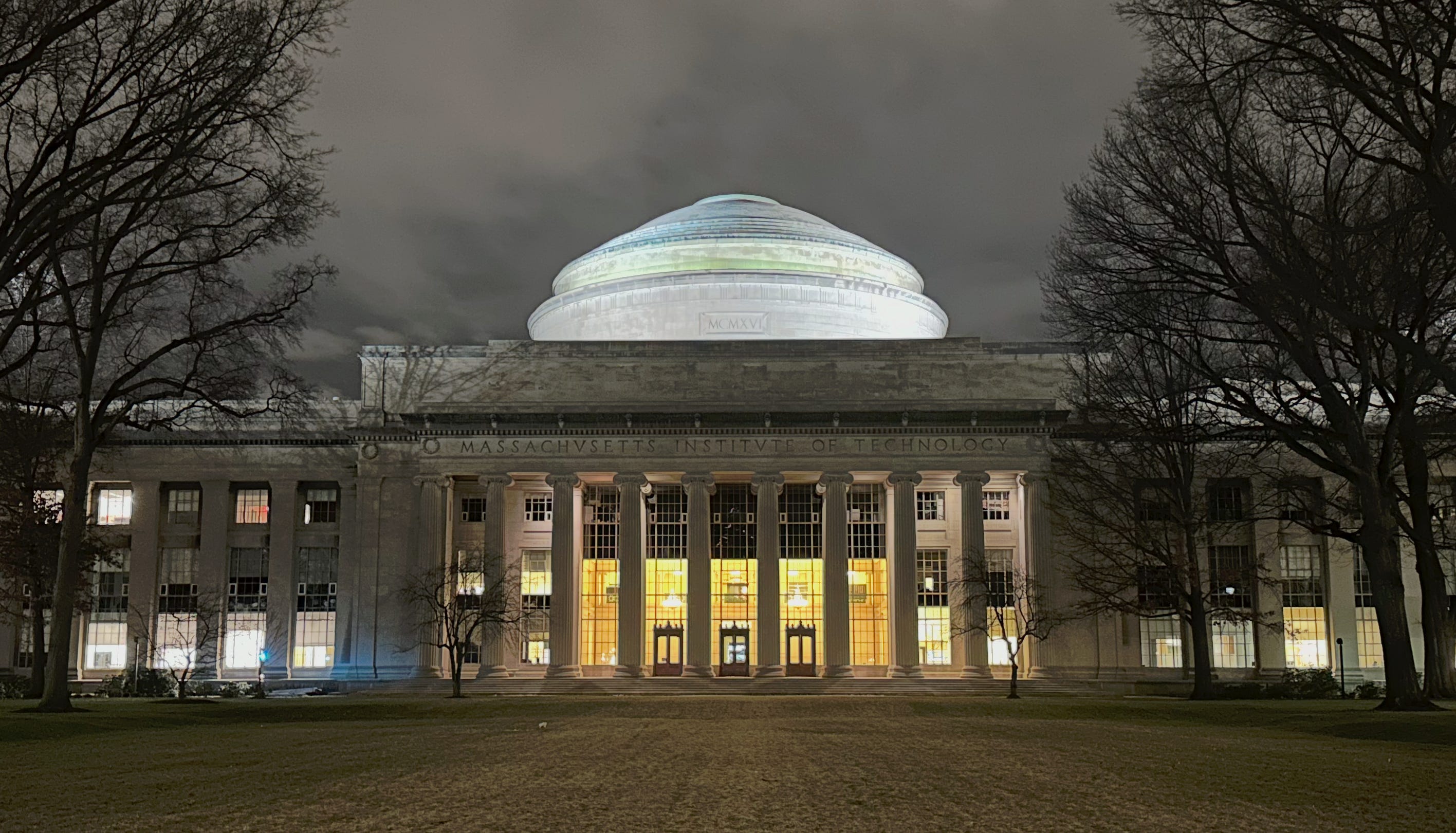
Thoughts are with my friends and colleagues at MIT (and in the U.S.) who are currently experiencing extremely cold conditions (-15 to -25 C). Above picture taken on Feb 2nd on a cold evening; -12 C - as a South African, this is cold! :)
MIT taught me that being a professor isn’t about having the answers.
It’s about staying endlessly fascinated by the questions.And that’s what I want to explore today - How professors really think.
The mindsets, the paradoxes and the reinventions that shape those who spend their lives studying the world - and, in the process, are constantly reshaped by it.
First-up: Let’s talk Curiosity Over Certainty
There’s a common myth about academics: that we’re driven by certainty - that research is about proving something true.
In reality, the best professors are driven by doubt.
At MIT, you quickly learn that knowledge isn’t a trophy - it’s a moving target.
Every time you answer one question, ten more appear.
And that’s not frustrating - that’s exhilarating.
The greatest thinkers I met weren’t obsessed with being right.
They were obsessed with staying curious.
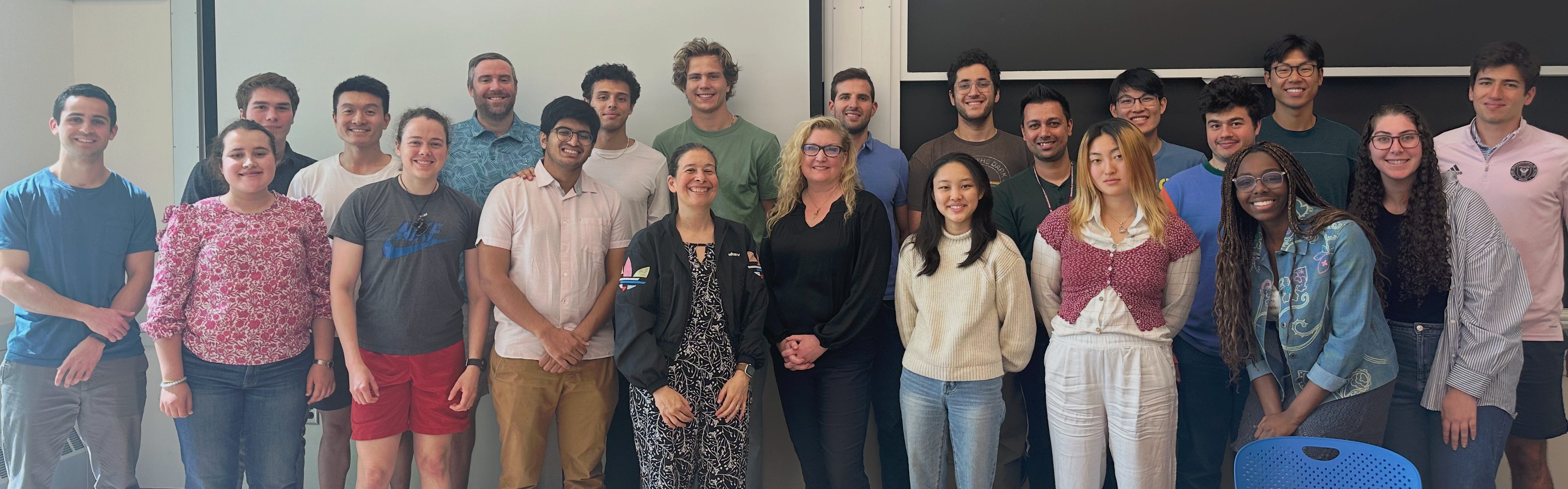
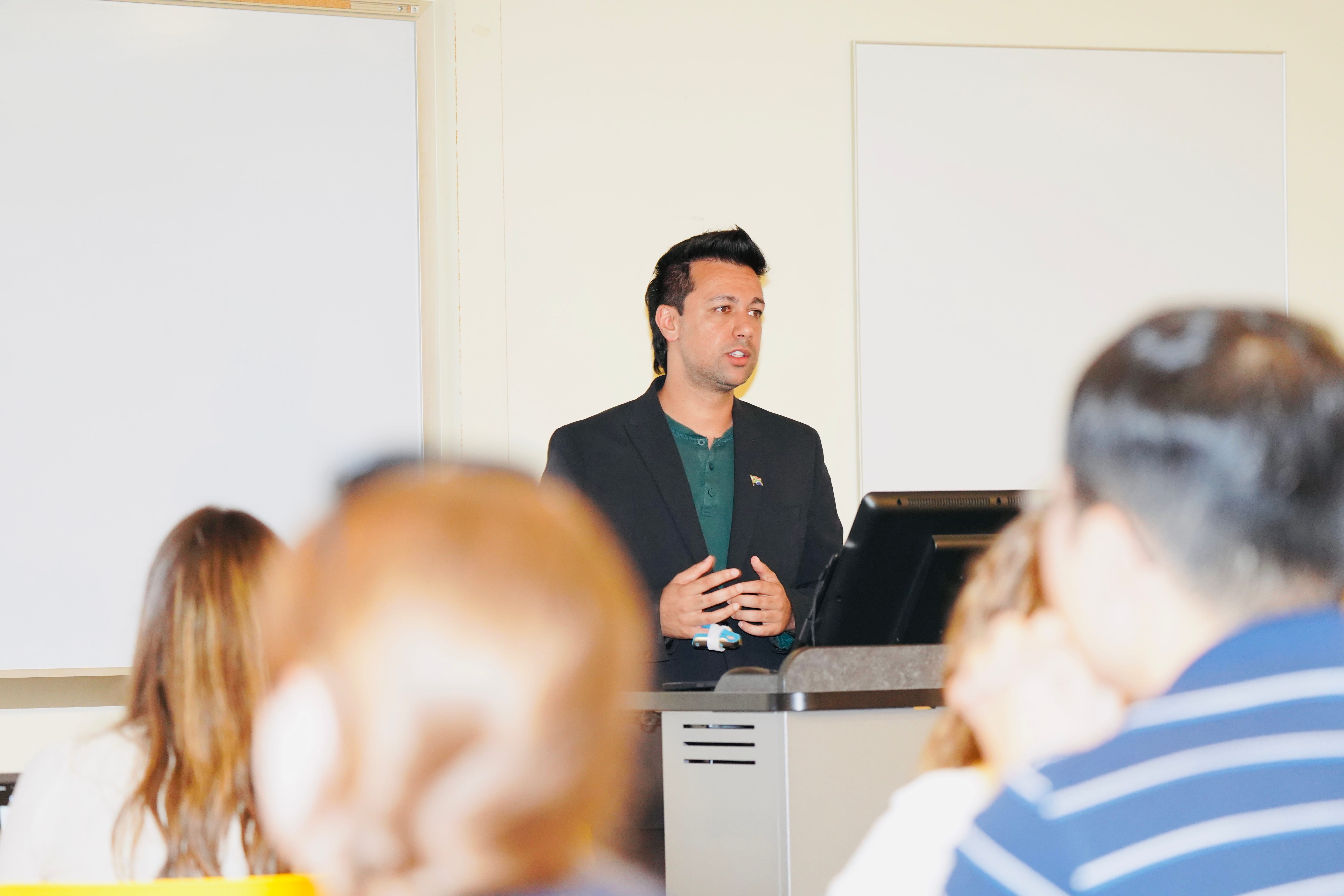
Above picture taken after an astonishing spring semester (May 2024). This class was on Sports Engineering and Technology (2.98). Class led by Prof. Peko Hosoi, Christina Chase (also Directors of the MIT Sports Lab) and Henry Wang (PhD Candidate). I was humbled to sit in and help co-instruct.
One professor at MIT told me, “The moment you think you know, you stop discovering.”
That stayed with me.
Because curiosity isn’t just an emotion. It’s a discipline.
It’s the willingness to be wrong publicly and still keep asking the hard questions.
Next, let’s discuss Reinvention as a Professional Habit
At most universities, expertise is your identity.
At MIT, reinvention is your oxygen.
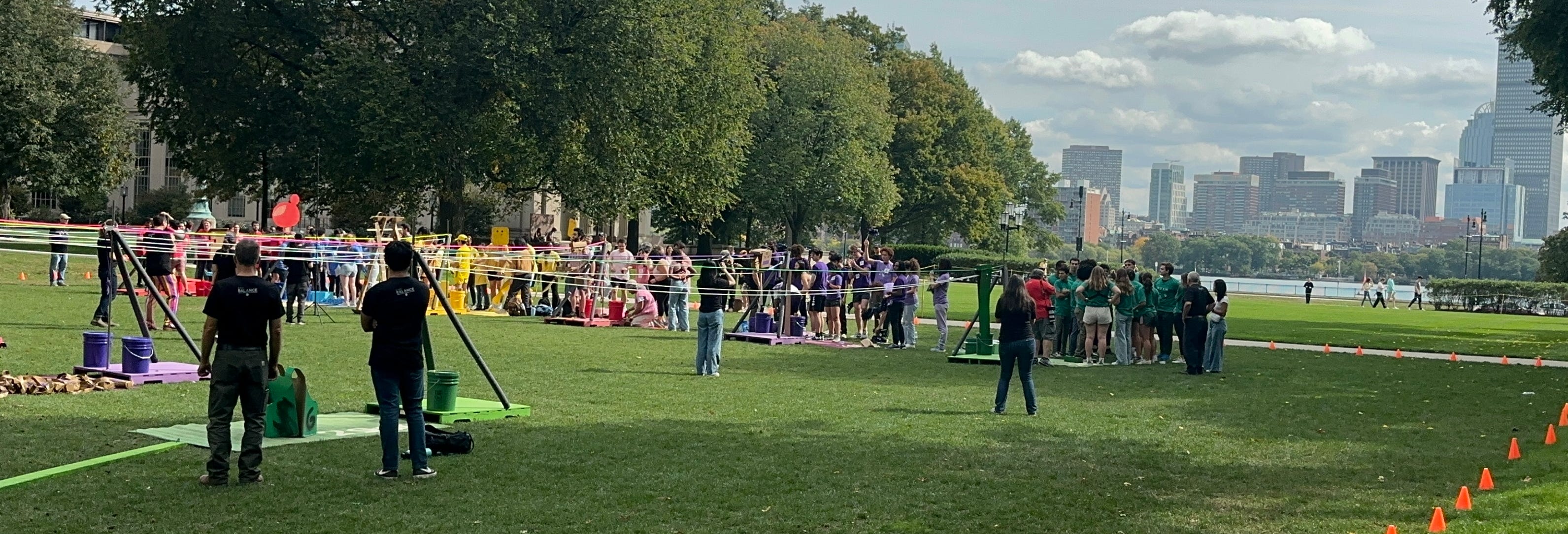
Professors there move between disciplines with astonishing #balance and fluidity.
An engineer co-develops a cognitive neuroscience tool.
A psychologist codes an algorithm for empathy detection.
A designer co-teaches with a roboticist.
Every project blurs the boundaries of what a “department” even is.
That’s because they see reinvention not as a risk - but as a responsibility.
In fast-moving fields such as AI, XR and sports analytics, what you know today might be obsolete in 18 months.
The best academics don’t resist that.
They anticipate it.
They treat every project as a prototype - a living experiment.
And maybe that’s how we should all live: not as finished products, but as continuous prototypes of own ourselves…
I now want to touch on The Duality of Professorship
There’s a quiet paradox in academia.
You spend your life trying to master something - only to realise that mastery is temporary.
Over the years, I’ve seen professors in their 60s auditing classes taught by PhD students who are also teaching assistants.
Not out of obligation - but curiosity.
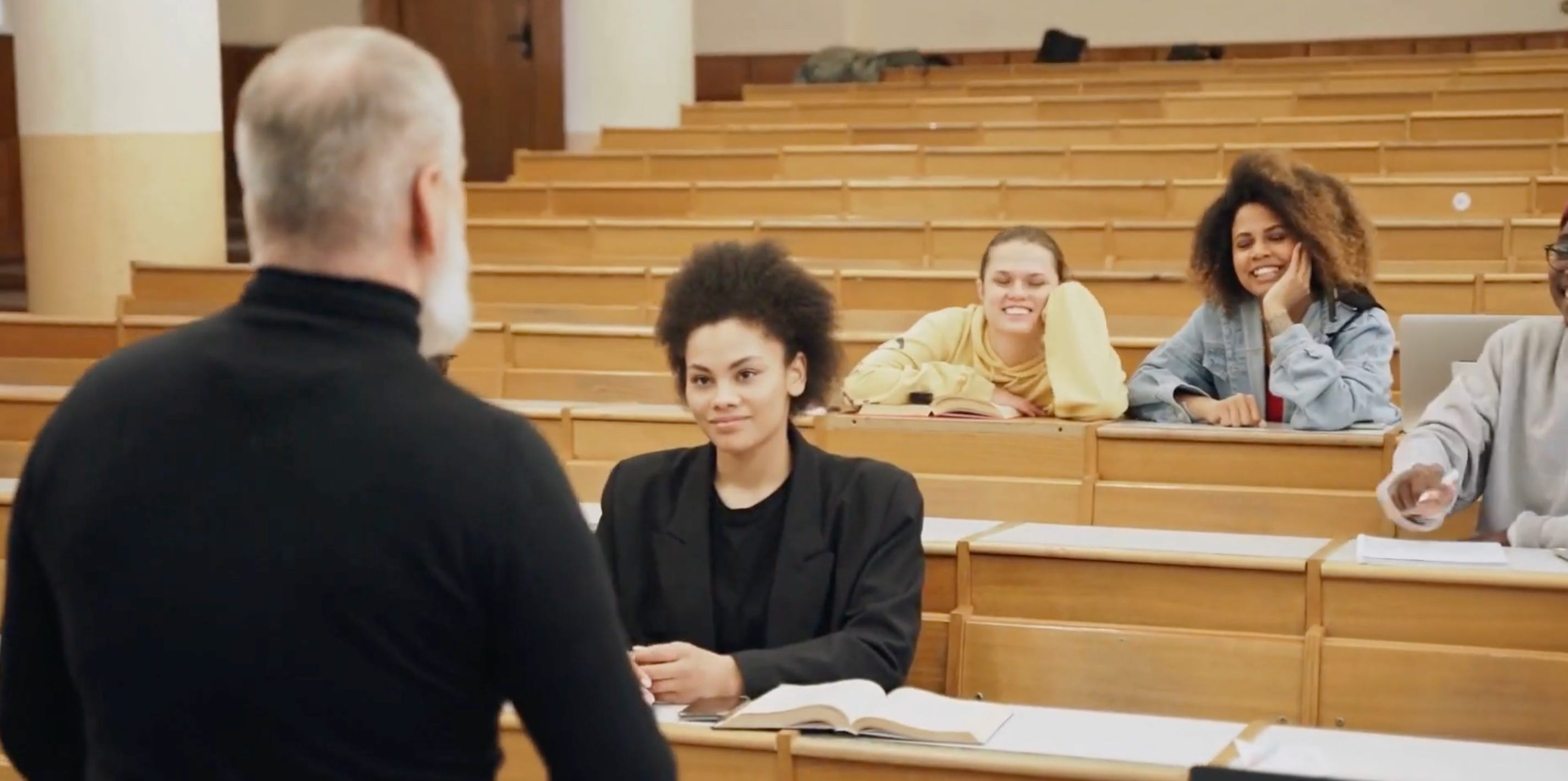
That’s when I understood that the true definition of a professor isn’t “one who teaches.”
It’s “one who keeps learning - out aloud.”
We often think of reinvention as starting over.
But reinvention, in its truest form, is staying connected and being in motion - mentally, emotionally and intellectually.
Every great professor is, in essence, a lifelong student, just disguised as a teacher.
My next question to you is: what is a Cognitive Gym?
Some of the greatest universities are like a cognitive gym.
And just like any gym, it doesn’t reward strength alone - it rewards endurance.
Every lecture, experiment, or late-night conversation tests your intellectual stamina.
But the real exercise isn’t in the brain - it’s in the ego.
Because to grow in such places, you must constantly face ideas that dismantle your own.
One afternoon, after a seminar on augmented learning, a student said to me:
“We keep designing smarter systems - but are we becoming smarter humans?”
That question cut deeper than any critique.
It reminded me that academic strength isn’t about defending your work.
It’s about letting it evolve.
Just like in sport, the mind must stretch to improve - even if it’s uncomfortable.
The next part of this video that we talk about is: The Human Equation
Behind every paper and publication lies something deeply human - frustration, failure and the quiet courage to keep showing up.
What we often call “rigour” is really persistence in disguise.
One professor told me 10 years ago, “If your experiment always works, you’re not asking the right question.”
That line could easily apply to life.
The courage to fail publicly and still keep teaching - that’s not just academia. That’s humanity…
And maybe that’s the greatest lesson academia can teach the rest of us:
That intelligence isn’t found in knowing.
It’s found in becoming.
So, in Closing – let’s touch on something called: The Reinvention Loop
In the end, being a professor isn’t about status or authority.
It’s about stewardship.
The best professors don’t stand above knowledge - they stand beside it.
They guide it, question it and pass it on.
So whether you’re in a classroom, a startup, or a stadium - remember:
You don’t have to be a professor to think like one.
You just have to be curious enough to reinvent yourself - repeatedly.
That’s how professors think. And that’s how progress happens.
Until next time ;)
🎬 YouTube Channel
👉 https://www.youtube.com/@A4Digest
🌐 Website
👉 https://www.habibnoorbhai.com/
👉 https://www.linkedin.com/in/habib-noorbhai-phd/
🐦 X (Twitter)
No posts
Comments
Nothing yet. Say the first thing.
Sign in to join the conversation.