
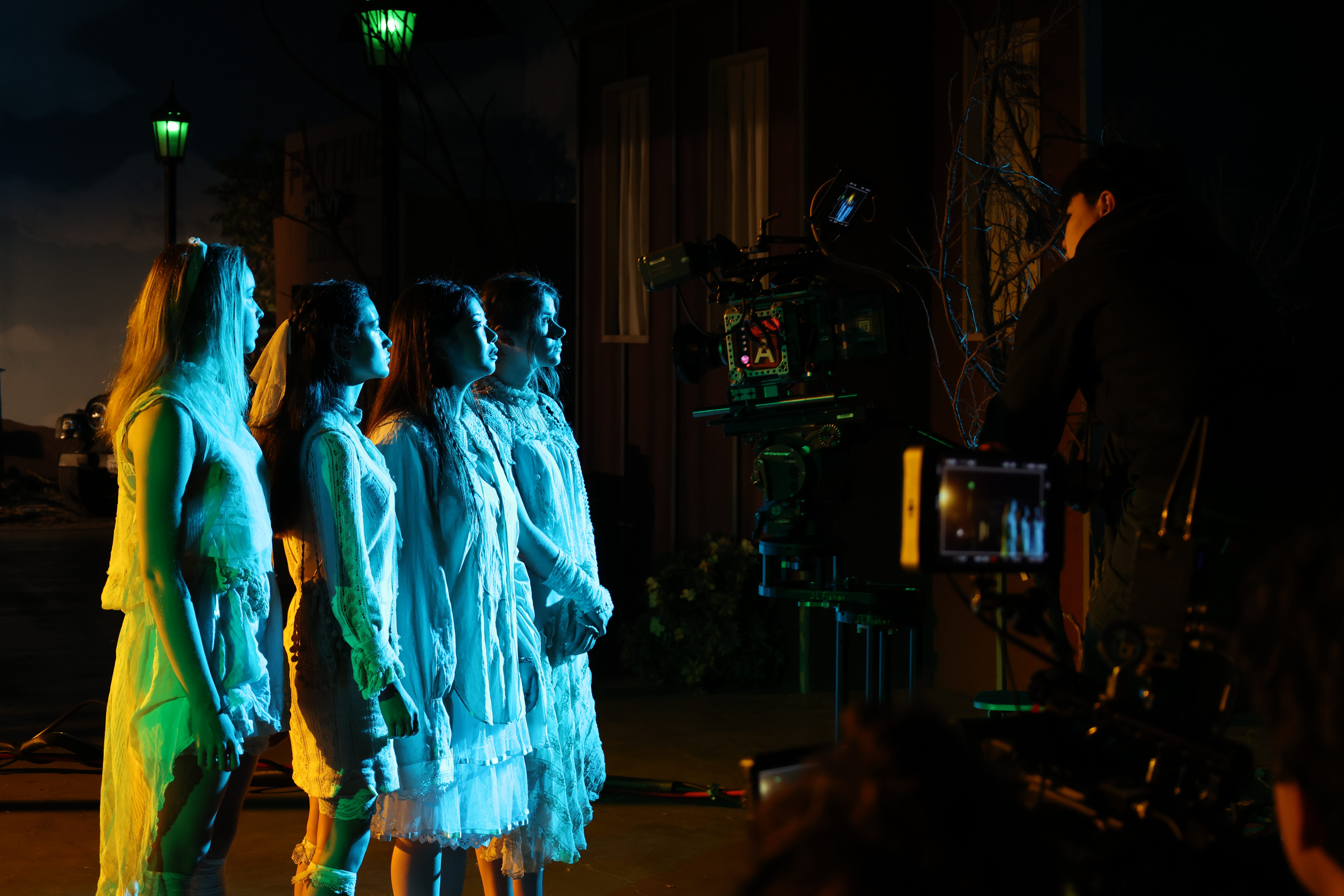
First, our town existed only on paper — a collection of sketches and possibilities. Then it became something we could touch: paint, lumber, and the first hints of a real place. Before long, a life-sized diner, museum, and graveyard stood beneath 140 feet of painted sky. In Week Five, the final ingredient arrived: lights, cameras, and people — actors, more specifically — transforming our town from a set into a living, breathing place.
The actors who arrived represented a rare collision of worlds: young performers just beginning their careers, some as young as 14, working alongside veterans with more IMDb credits than years lived by many of our campers. Some, like Lukita Maxwell, came directly from this year’s biggest Hollywood releases, including A24’s Backrooms, the studio’s highest-grossing film. Others were familiar faces from films our campers grew up loving, like Heather Matarazzo from The Princess Diaries and the cult classic Welcome to the Dollhouse.
For our students, suddenly these weren’t distant names on a screen — they were collaborators, standing beside them on the set they had built.
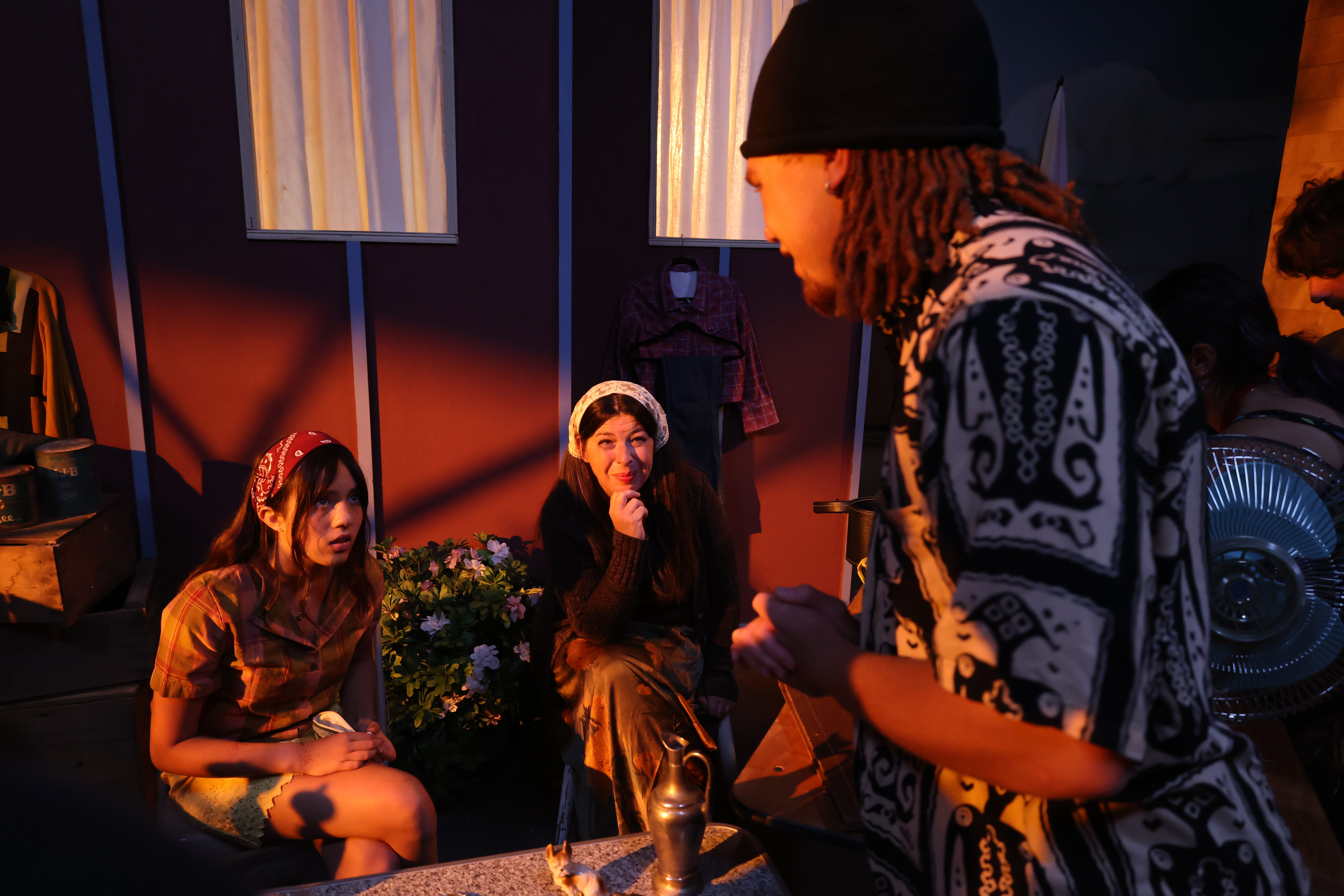
This wonderful blending of youth and experience was never more apparent than when Aria, a 14-year-old camper-actor, played opposite Heather Matarazzo. On the page, there are very few lines between the mother and daughter duo. Director Pascal and his two actresses realized they needed more to help them get into the scene — sometimes these things only become apparent once you’re on set and under a major time-crunch, which is both thrilling and hair-raising — so Heather and Aria began to ad-lib, inventing a strange mother-daughter dynamic where Aria was the responsible party, urging her mother to be reasonable and part with her cherished possessions in the hopes they may etch out a living this month.
To see the two invent together, one great line informing the next, was like watching two old titans play off each other, except that one was a freshman in high school. It was incredible to witness, and spoke to not only Aria and Heather braving the unknown together, but the incredible work acting teacher, Josephine Chiang, did to prepare Aria for this massive moment (more there below). The lines they ad-libbed will likely make the final cut of the film — a reminder the script is a living, breathing thing that sometimes takes huge leaps forward minutes before you shoot it.
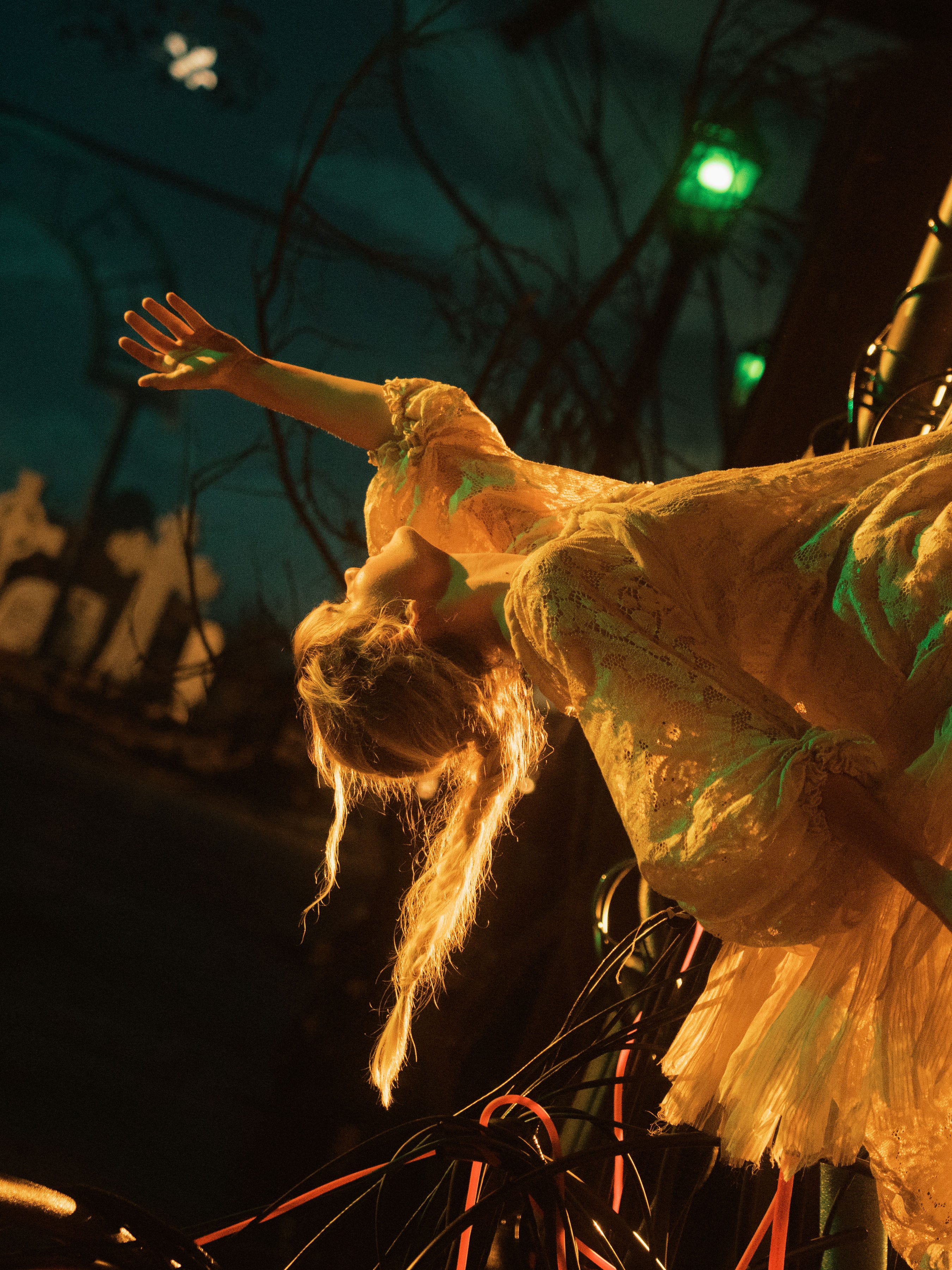
Something extraordinary began to unfold as the week progressed — not just with our visiting actors, but across the entire crew. Suddenly, our students were watching the things they had written only weeks before, the sets they had spent hours painting and building until they felt real, being captured and preserved forever. Their ideas were no longer sketches in a notebook or conversations in a room; they were becoming images, moments, and memories — brought to life by their peers working alongside industry pros.
There was a look in many of the students eyes familiar to every filmmaker who has ever experienced it: the realization that making a film is a little like dabbling in magic. You start with almost nothing — an idea, a feeling, a fleeting image in your mind — and somehow, through hundreds of tiny acts of collaboration, it becomes something real. A place. A mood. A living world that didn’t exist before.
That feeling is rare. You have taken something invisible and made it visible. You have captured it, preserved it, and created something you can share with your friends, your family, and anyone willing to step inside the world you imagined. For a moment, you feel a little like a sorcerer: you whispered something into existence, and now everyone else can see it too.
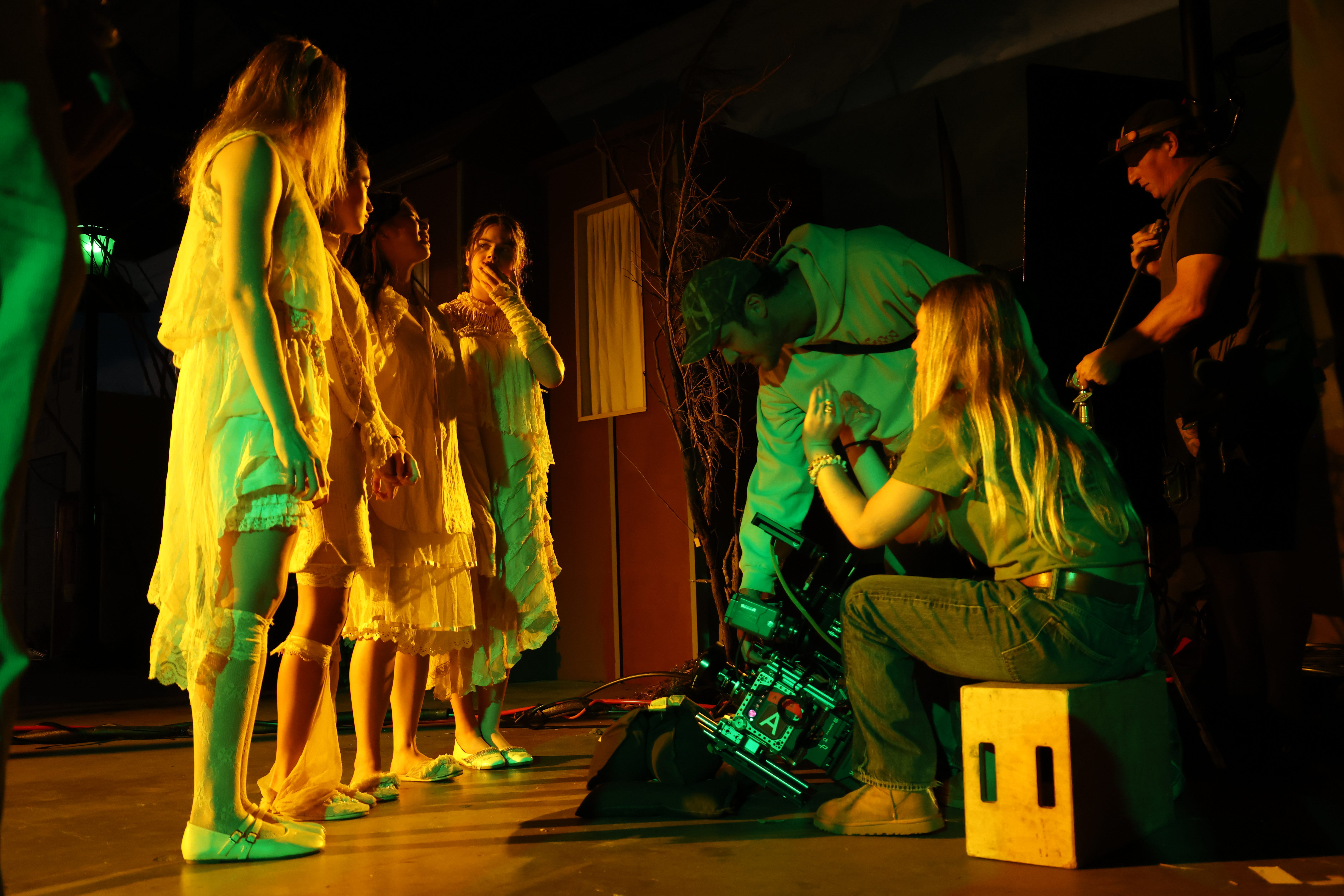
When Lukita Maxwell, fresh off this year’s massive hit Backrooms, arrived on set to act opposite Scoot McNairy — the veteran actor who recently played Woody Guthrie opposite Timothée Chalamet in A Complete Unknown — she experienced something she had rarely, if ever, encountered on a film set.
After her very first take, the high schoolers watching from behind the monitors erupted into applause. It wasn’t the polite, obligatory applause of a professional set — it was pure, unfiltered joy. They were celebrating the impossible thing they had just witnessed: an idea they had carried in their heads for weeks suddenly existing in front of them. Lukita began to tear up. So did camp founder Joe.
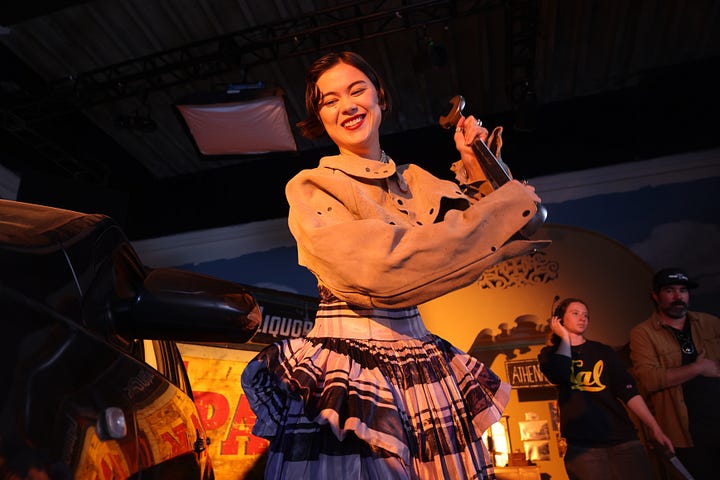
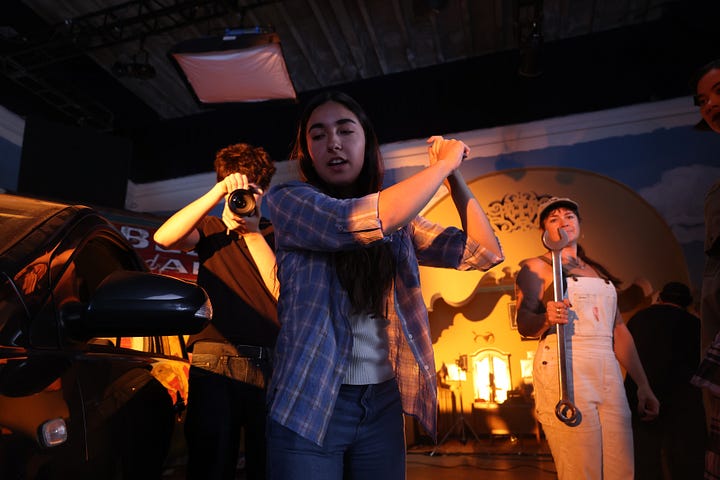
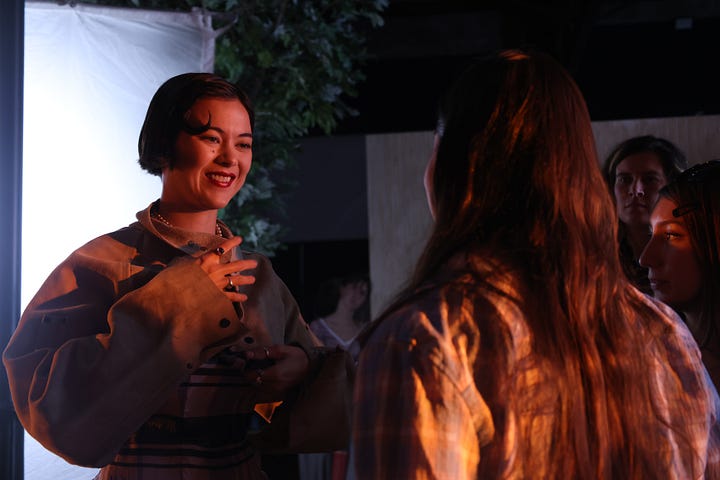
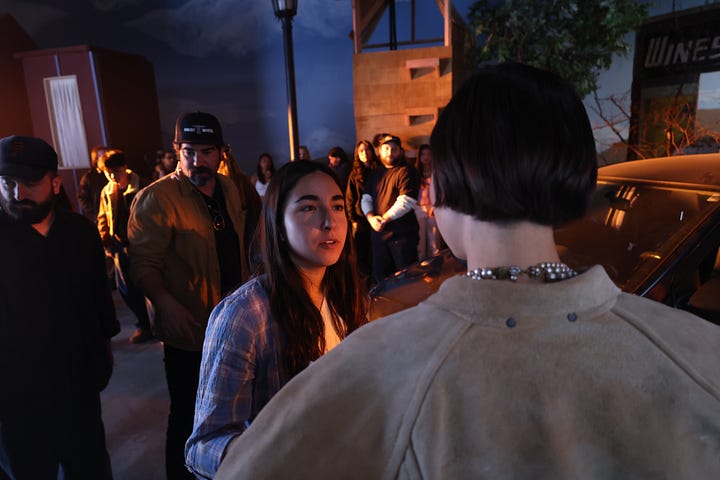
These actors are in extraordinary demand — one visiting actress told us she had been home for only four days this entire year because she had been working so constantly — which made their decision to come to San Francisco and become part of the students’ film all the more meaningful. Their presence was already a remarkable vote of confidence. But what happened in that first take revealed something even more powerful: the joy of filmmaking itself.
This is not usually what happens after a first take on a Hollywood production. But maybe it should. The scene was directed by Camila, a student who flew in from Brazil for the summer, and shot by Story, a student cinematographer from San Francisco.
Again and again, actors and visiting faculty remarked that what they felt at 48 Hills was a rare and powerful reminder of why they fell in love with filmmaking in the first place
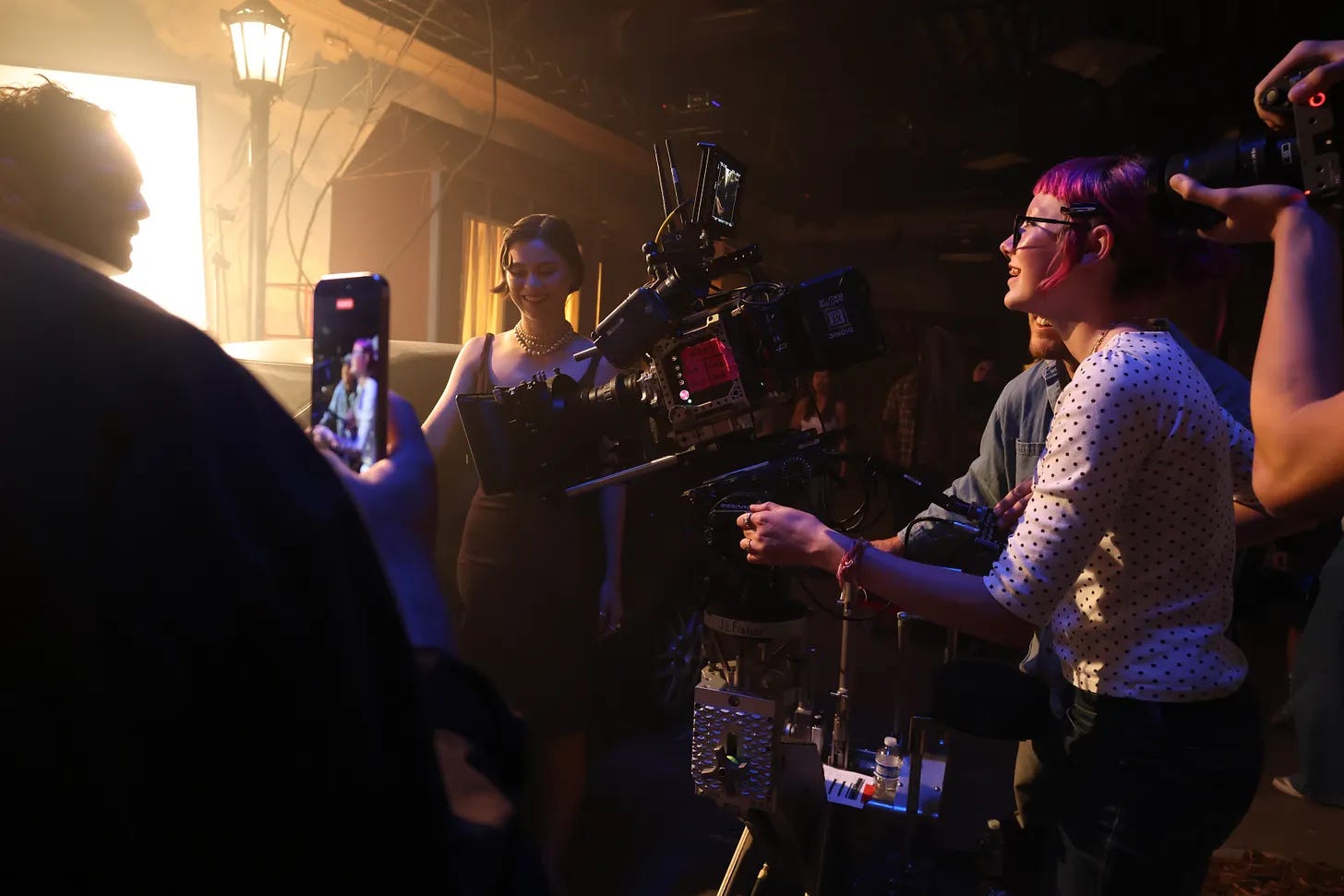
This kind of a program, this way of creating, is unfortunately rare, though it shouldn’t be! But in most other programs, students study actors like these from a seat in the audience — at most, maybe they get to ask them a question in a Q&A. Here, they cast them, direct them, light them, act across from them. They are in the thick of creation with them as equals — these actors show up having read the script, but it’s the students who will guide them from a cursory understanding to the nuanced one they’ve been cultivating for weeks.
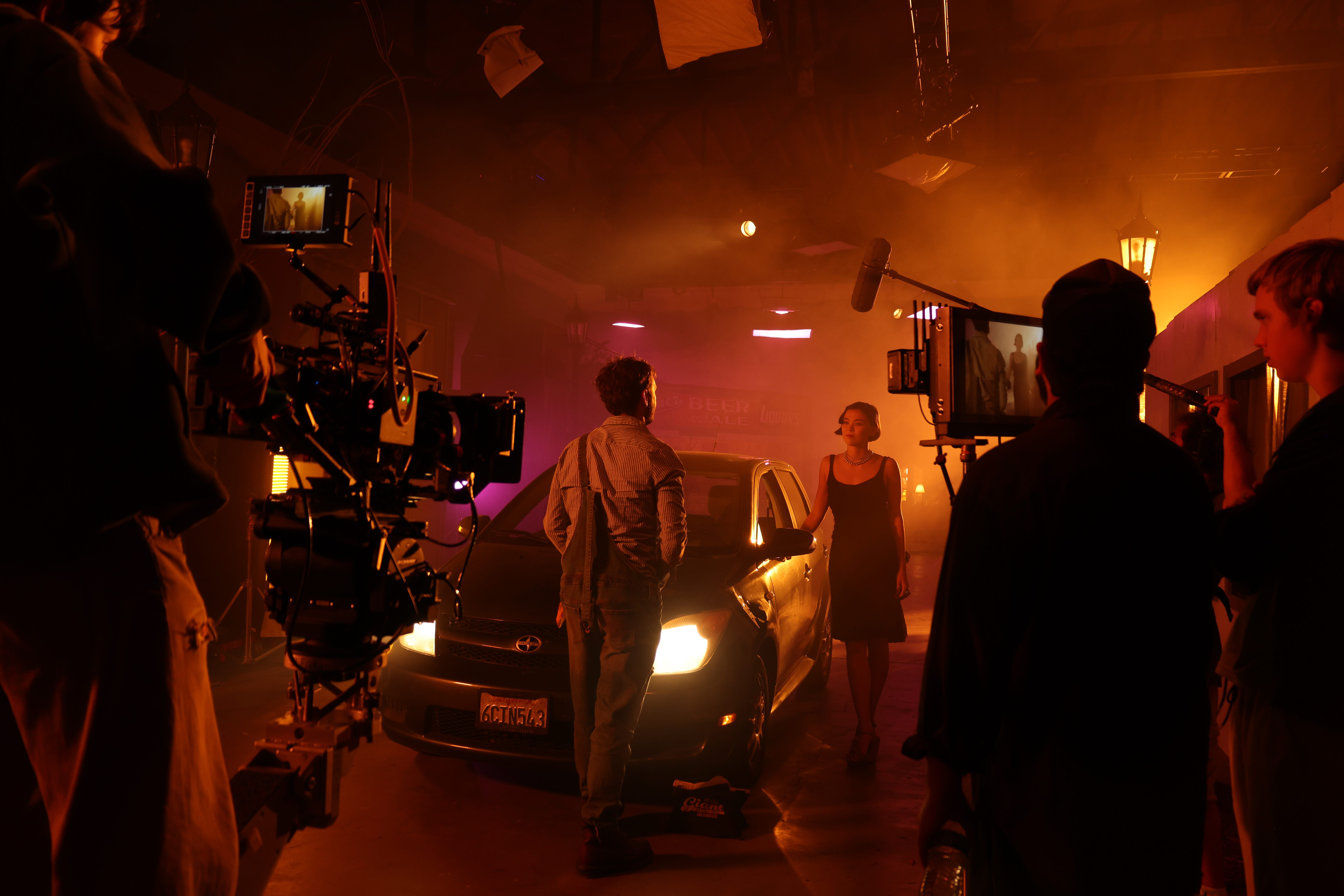
That distinction is what transforms this from mentorship into a true creative exchange. The veterans bring a lifetime of experience: the instincts, craft, and countless lessons that come from years on set. But the students bring something equally essential — an intimate understanding of the world they created, a perspective that no one else could have. They are not simply learning from these veterans; they are collaborating with them. Each side arrives with something the other needs.

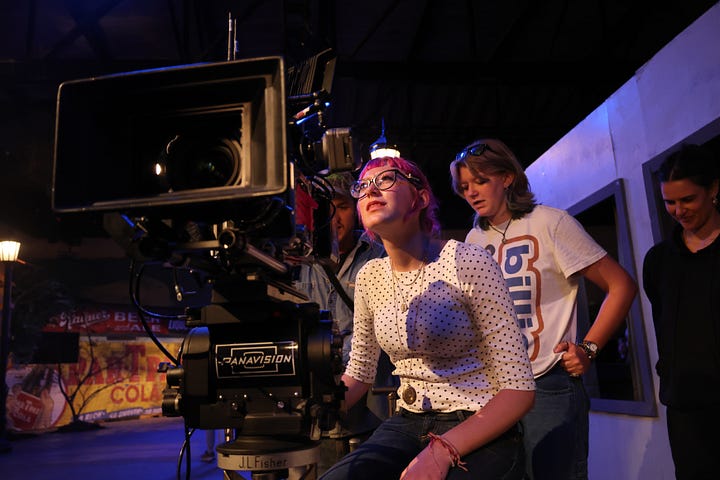
The students in the acting department arrived from every experience level, from theater-trained to commercially-focused, with several being entirely new to film. Getting all of them to play within the same tone on a film that was still finding its own tone, fell to Josephine Chiang, a beloved indie actor and teacher who came in from New York to run the department.
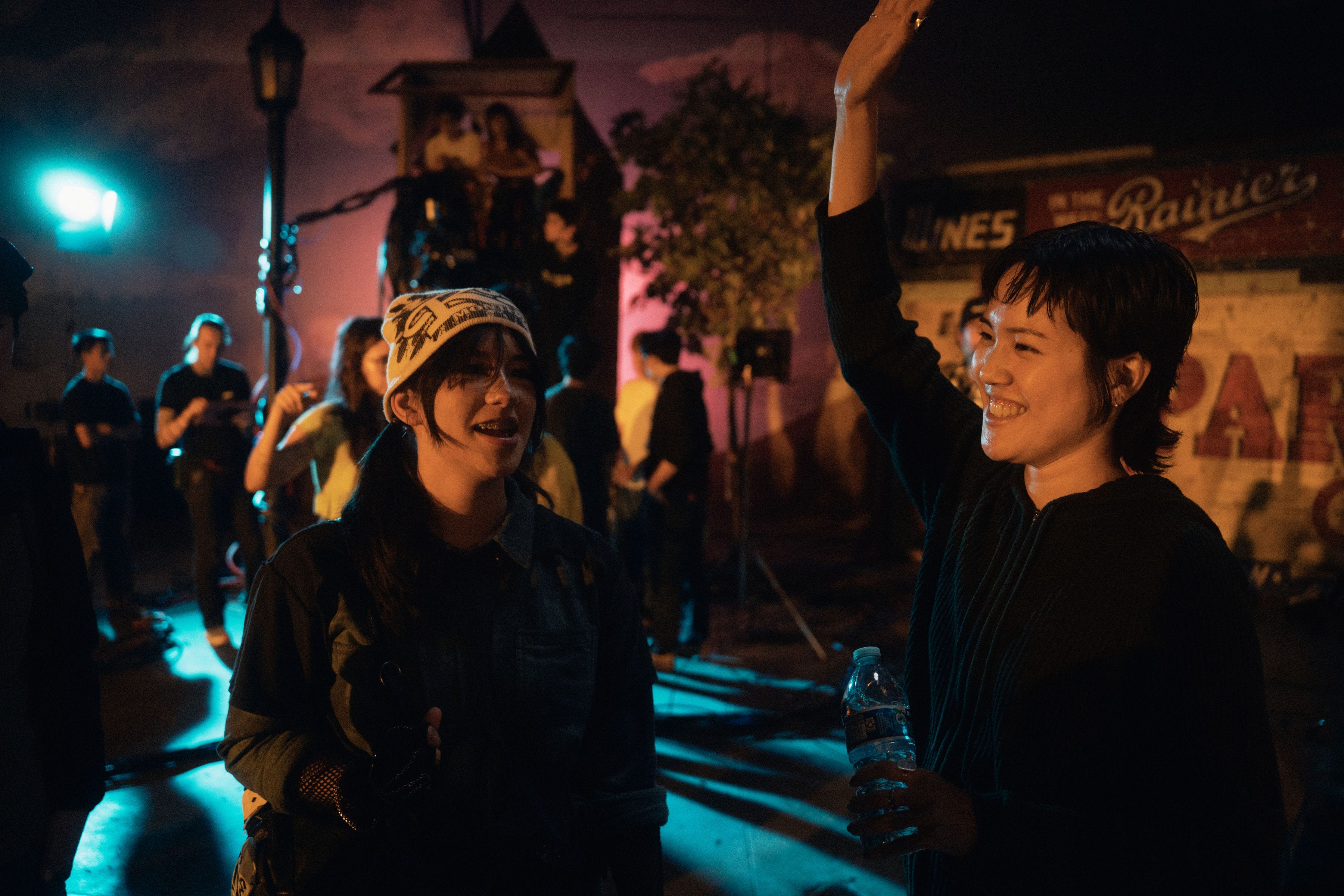
Before there was a script, Josephine began Week One with improv games that taught students to trust their first instincts. From there, they started everyone “flat,” delivering lines stripped to the same neutral tone so they could build up together, making discovery a collective process.
This is critical for young actors — instead of rushing towards big expressive emotion as young performers so often want to do, this roots them in the words, then eventually slowly building towards feeling together.
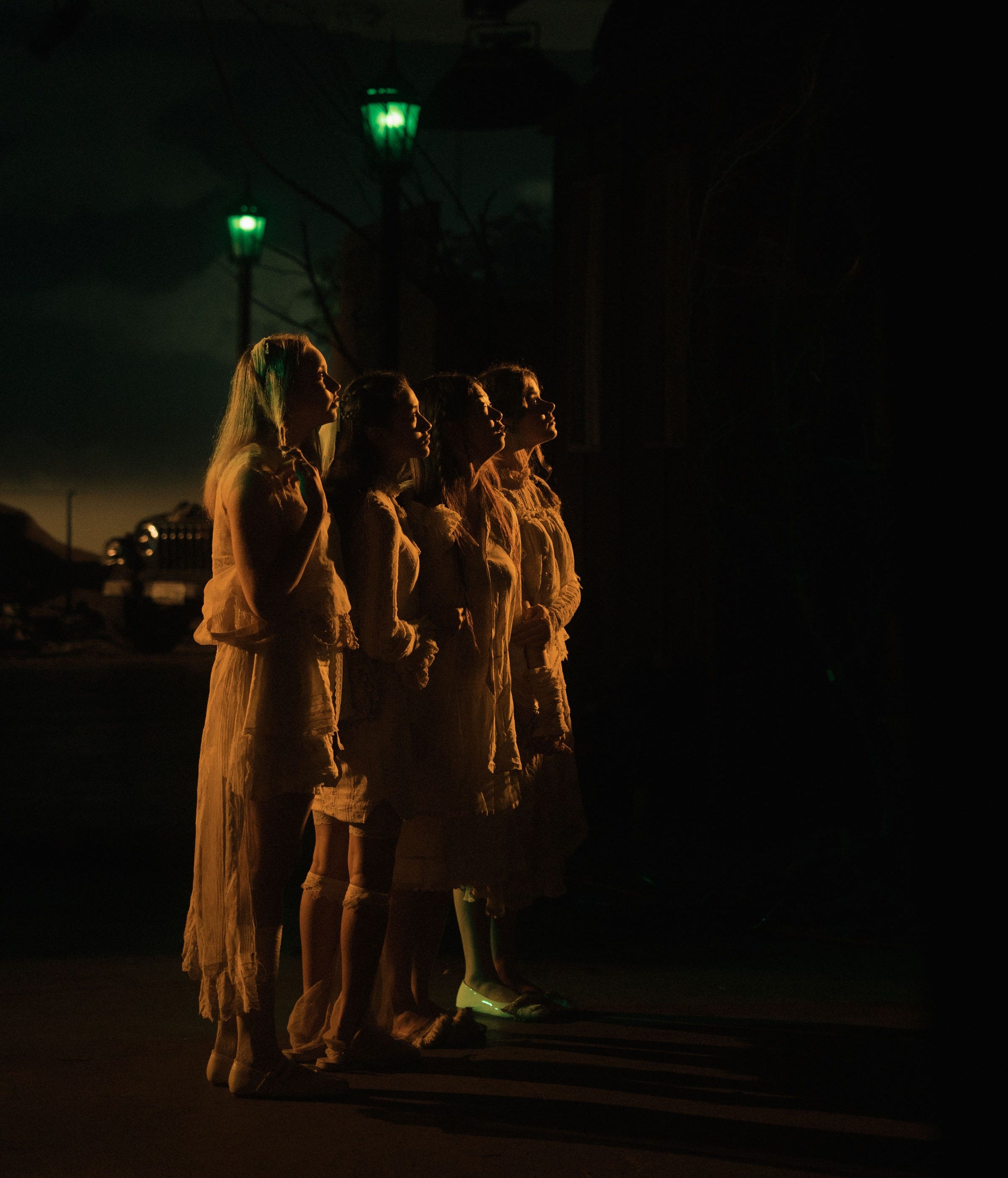
Next, Josephine worked from the body. The “Returners,” an ensemble of inseparable of Robin Hood-esque girls who steal from the living and give to the dead, needed to move like one organism, so Josephine had the actors pick a herd animal to move like. They landed on the crow and, surely, their movements synced into something slow and deadpan, and their speech followed into the same stilted register.
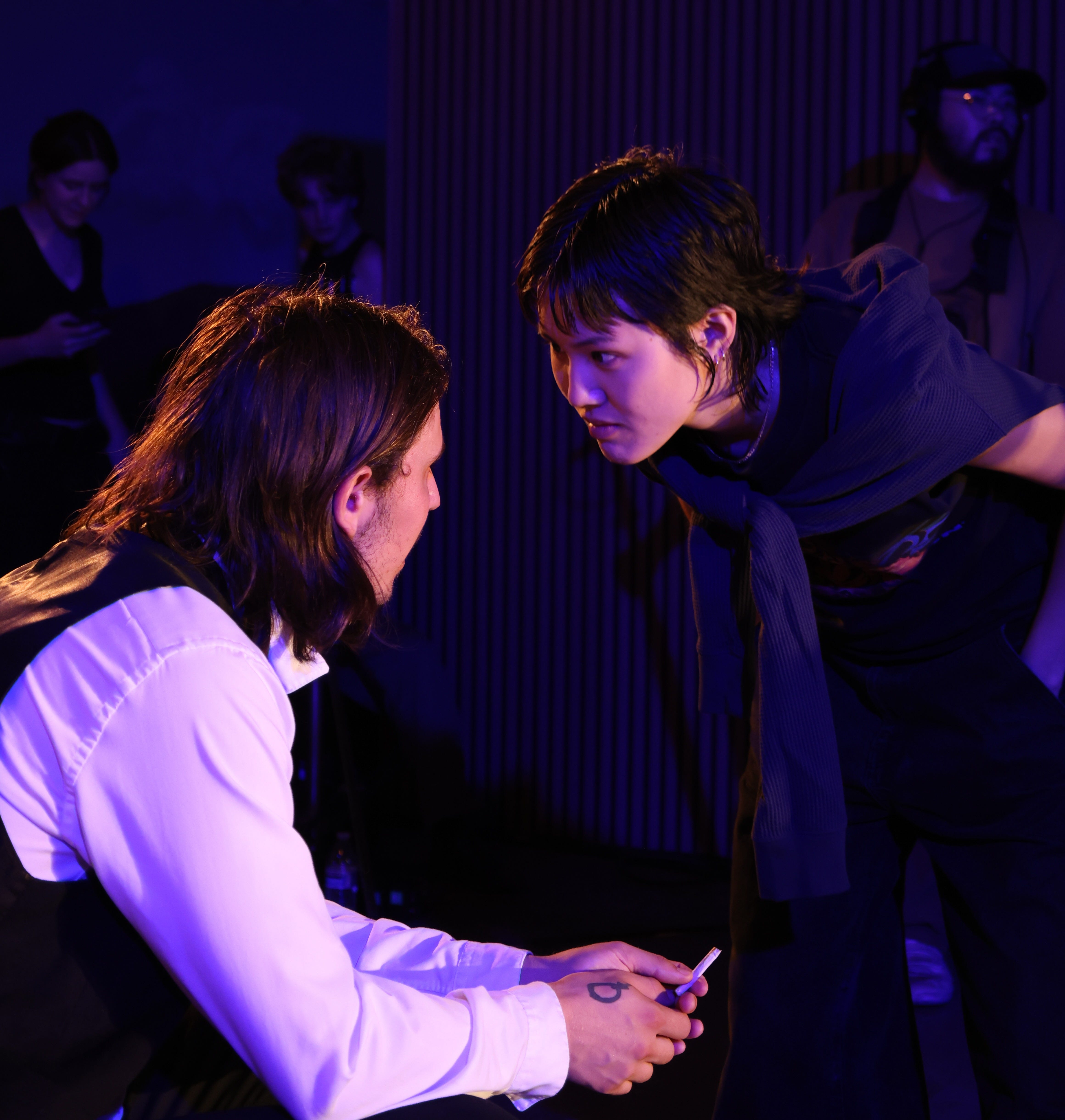
From that somatic foundation came the character-specific work. Once there was a script, students kept journals in their character’s voice about the full day their character lived, and built playlists to help drop them straight back into character in between setups.
That groundwork helped Aria improvise so freely opposite Matarazzo in the scene that opened this dispatch. As Josephine puts it: when in doubt, the actors think their character’s thoughts. By now, they have written enough of those thoughts down to have them ready.
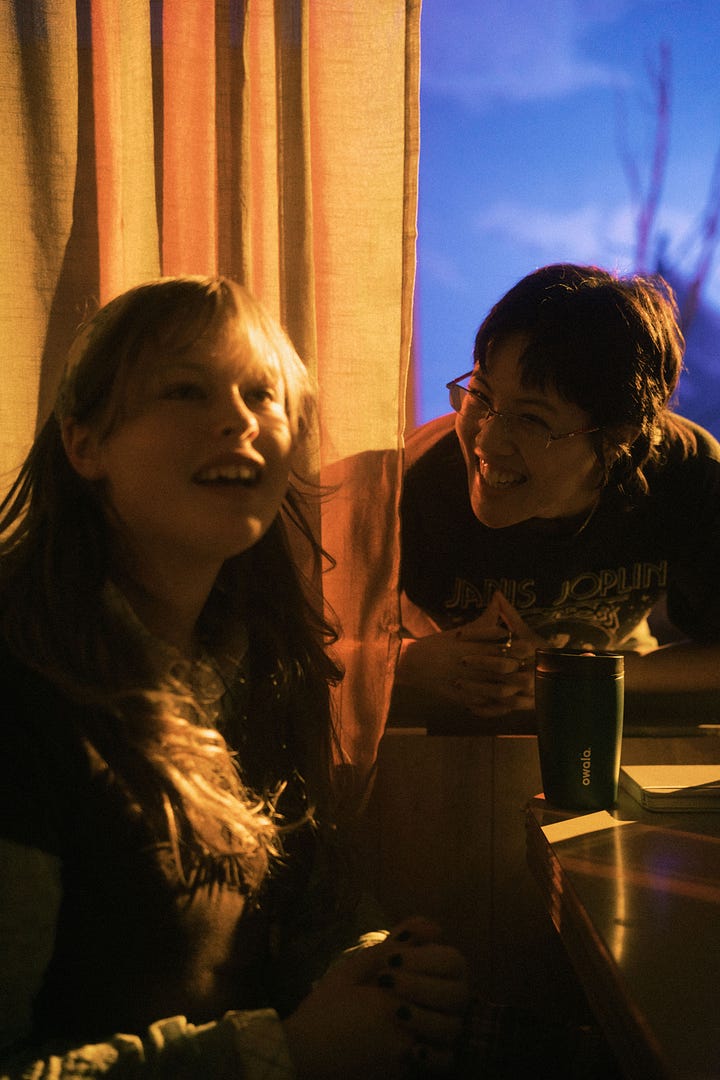

Drew Daniels, the cinematographer behind Oscar Best Picture-winning Anora, came to lead our cinematographers, and light quickly became one of the film’s secret ingredients. Light touches everything — every building, every face, every corner of the world we’ve created. It can reveal or conceal, warm or isolate, make something feel familiar or completely otherworldly.
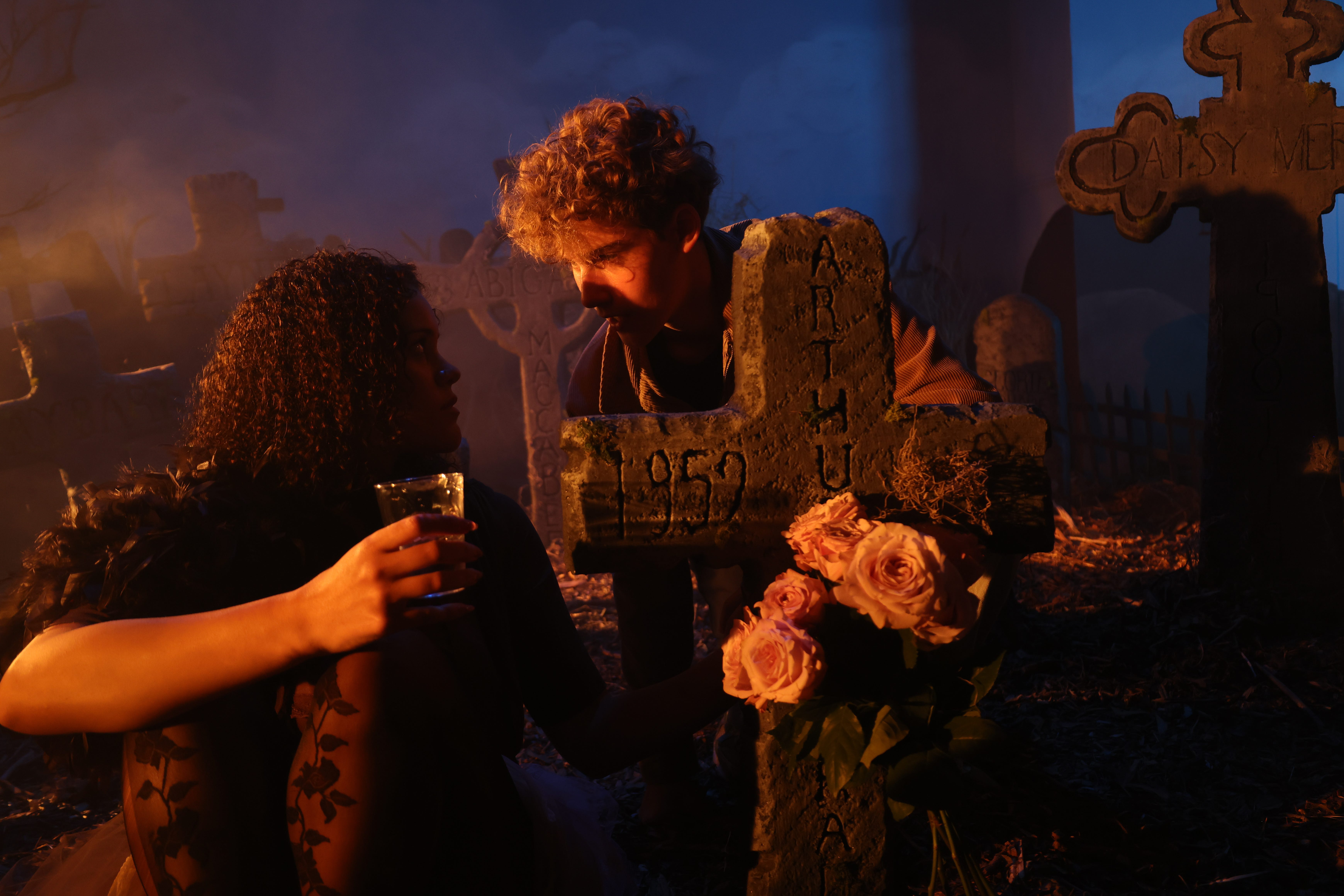
Outside, filmmakers have to work with the light the world gives them. Inside our warehouse, we get to invent it — every source of light becomes a creative choice. A street lamp, a glowing window, a passing headlight — each one is placed with intention. A fixture just beyond the frame can become our sun or moon; a carefully shaped beam can split an actor’s face, revealing one side while concealing another. Unlike the real sky, ours has no limits: we can move it, change its color, or create a world with more than one sun.
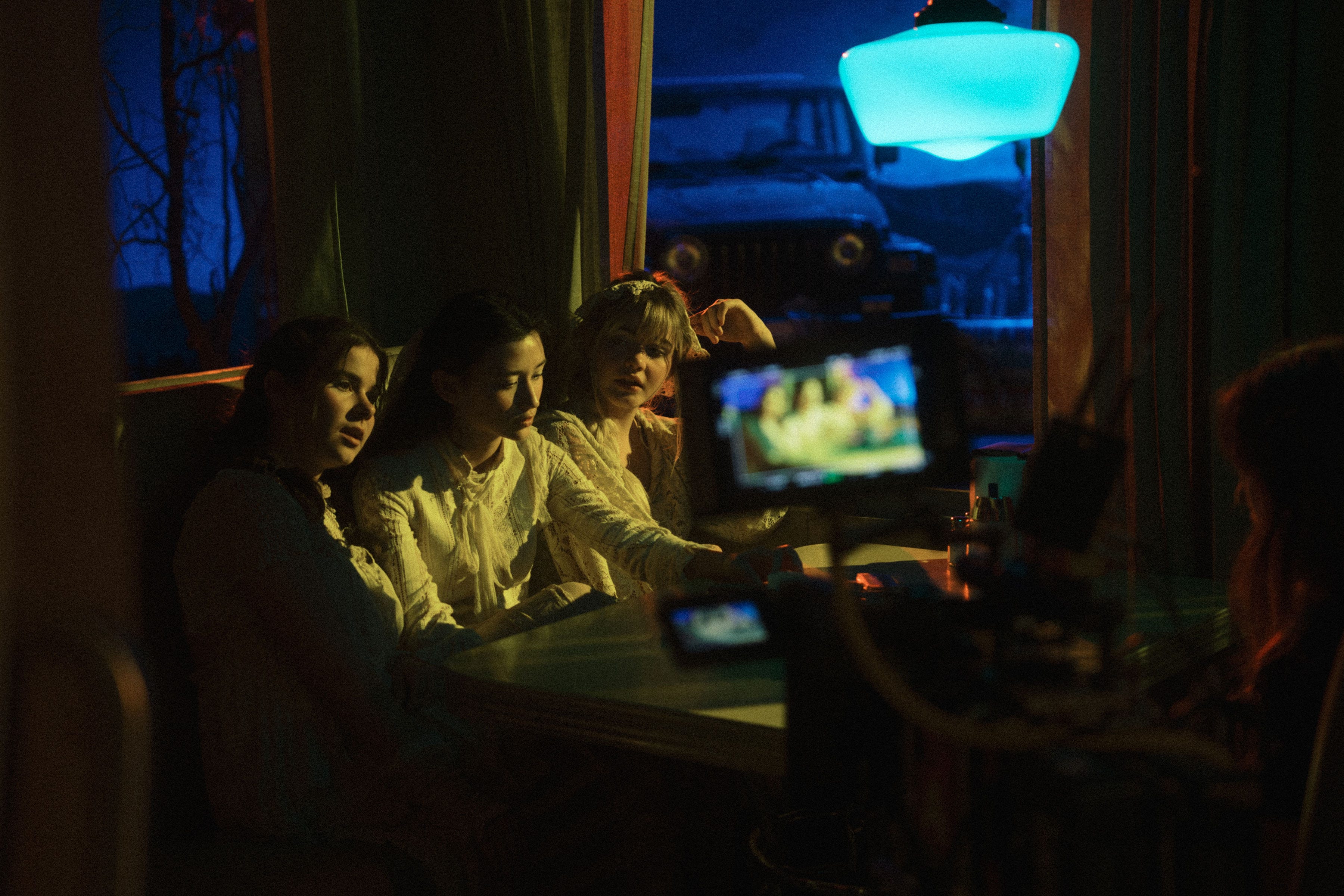
At first, some students wanted to match the painted sky to the color of a real one, familiarity winning out. Then came gaffer Mina’s iPad, which allowed us to adjust the color of every light in town a thousand different ways. Suddenly, the students weren’t just recreating the world outside — they were designing one of their own.
Slowly, the urge to recreate the familiar gave way to something stranger. The town began to drift away from reality and into its own universe — one that could only exist inside this film. The resulting movie has a glow that is neither night nor day, some strange netherworld where the sun perpetually threatens to set and the moon lingers long past nightfall. What began as an experiment became a defining feature of the film’s visual language.
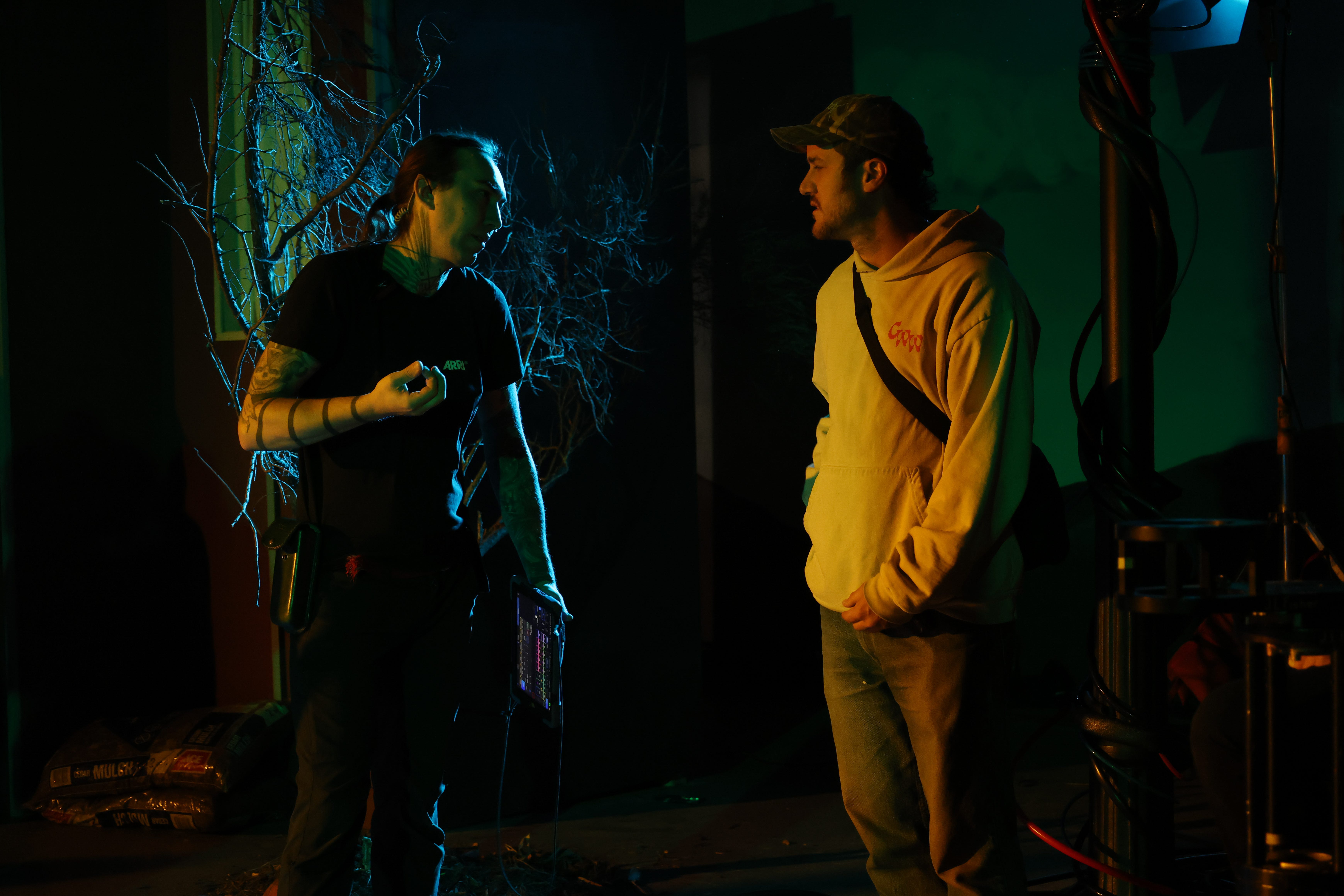
This helps define the film’s tone — because if there is no true distinction between night and day, what does that mean for the people who inhabit this unusual purgatory? They exist in a place outside ordinary time, where morning never quite arrives and night never fully settles. The world feels suspended, just like the characters themselves: waiting, searching, carrying histories they cannot escape and futures they cannot quite reach.
Laura, a student director from Brazil, told us light was the single biggest thing she learned all week.
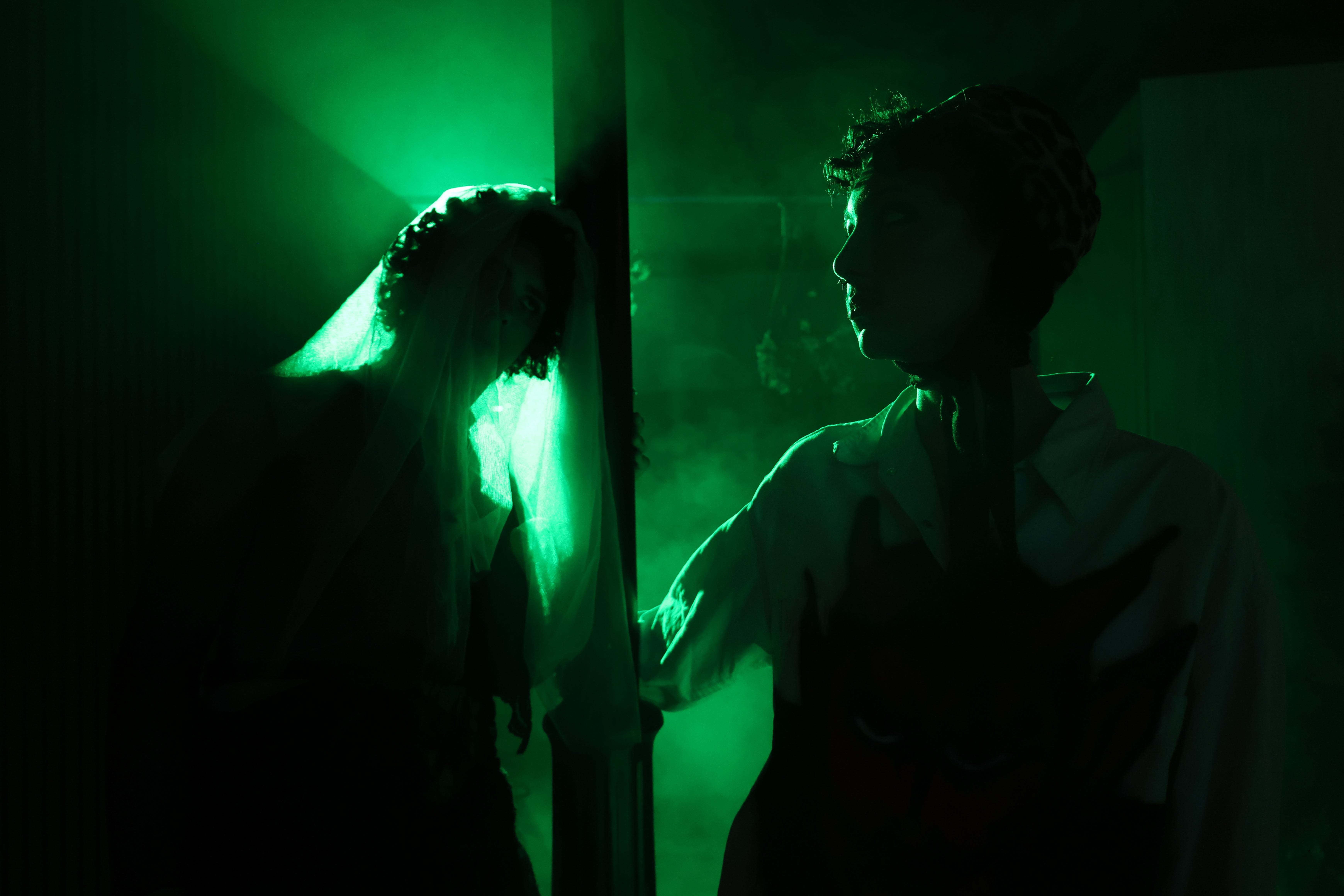
Light is mood — and as such, it’s one of the most powerful tools of expression we have as filmmakers. But often when starting out, its beguiling, and filmmakers lack the time, patience, guidance or resources to harness it’s power.
As audiences, it’s one of the first thing things we feel, long before characters explain themselves through dialogue, light has already begun telling their story. Light tells us what kind of place we have entered, what feelings live there, and what histories linger in the corners.
Before dialogue reveals who our characters are, we watch the light pave their way as they move silently through their surroundings: past cozy dwellings where old televisions flicker through stained-glass windows, beneath street lamps pulsing an artificial green, through streets where long shadows stretch across buildings.
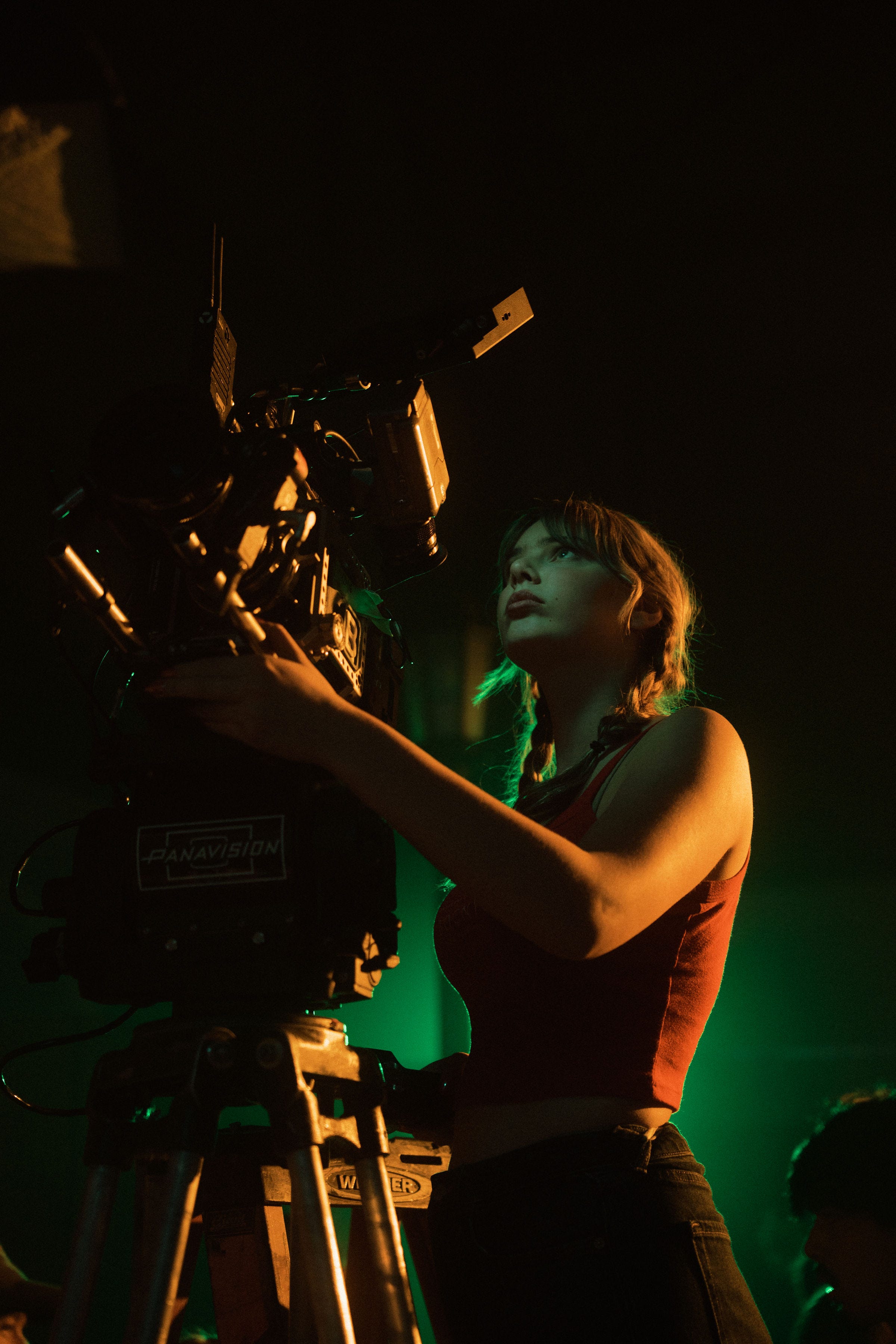
There is a loneliness embedded in this town, a feeling of people searching for something just out of reach. The artificial sunlight hums orange, bathing everything in a warmth that somehow feels distant.
If the sun were a different color, if the shadows were shorter, then the words spoken here, the rich histories of these characters, would feel totally different. Light is that strong.
As an example — in one subplot, a girl comes to town hoping to reach the streamer she’s been following but will never be able to meet. But, for one moment, the light from the streamer’s window touches her face anyway. Hildy, one of the students who imagined the scene, watched it come together and was surprised by how much feeling had been hiding inside her own idea.
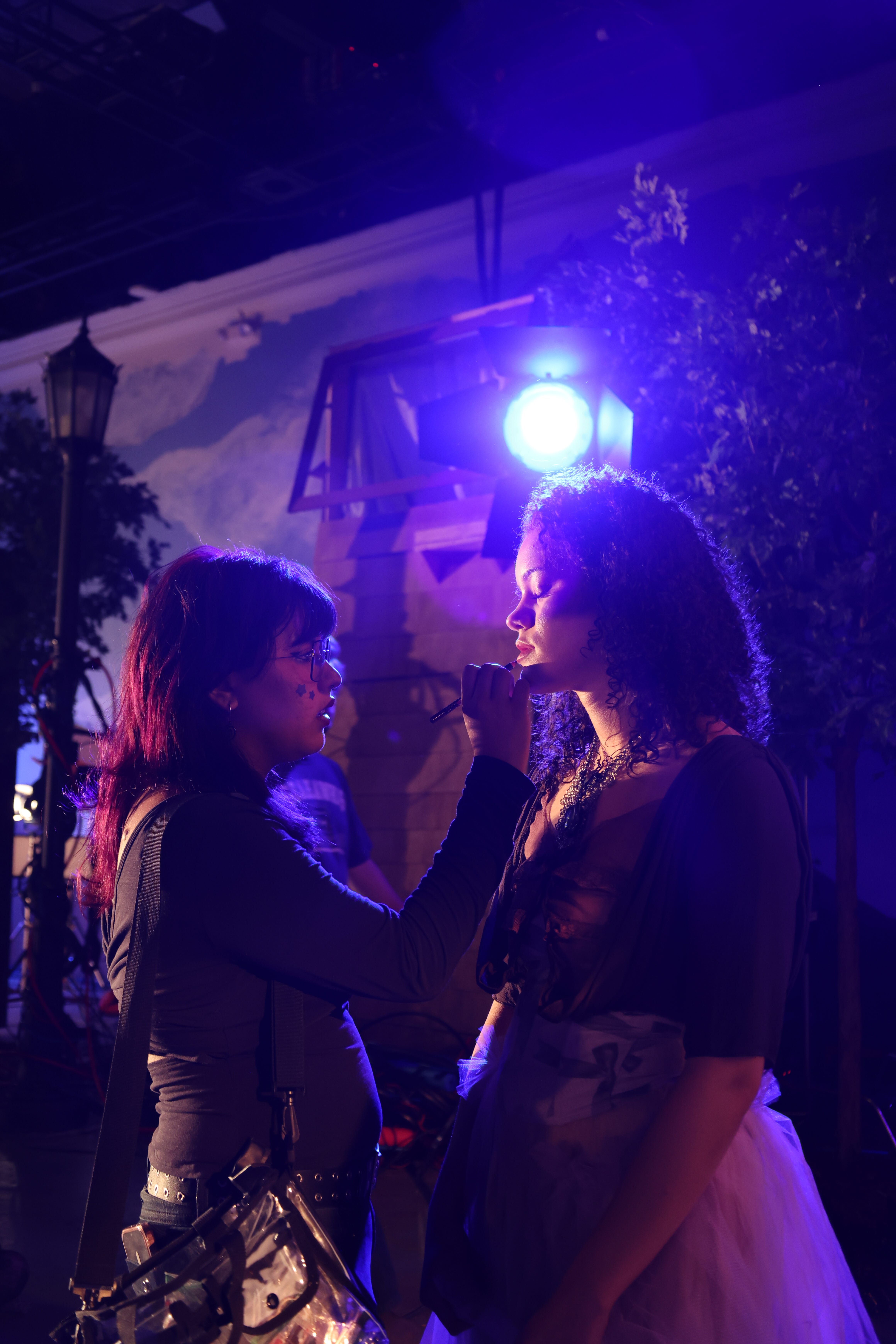
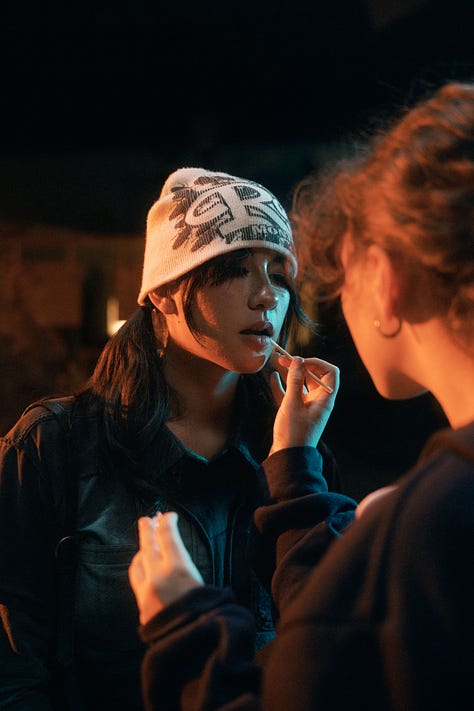
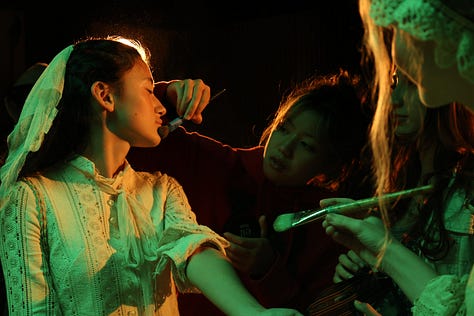
The Hair and Makeup team had revelations of its own.
Sitara, a student in the HMU department, built a look for Oona, a student actor, which changed how Oona could play the character. The makeup caught the light in his eyes and seemed to hand Oona the confidence to take full hold of the character. Sometimes the fastest way into a role is a face you can believe when you look in the mirror.
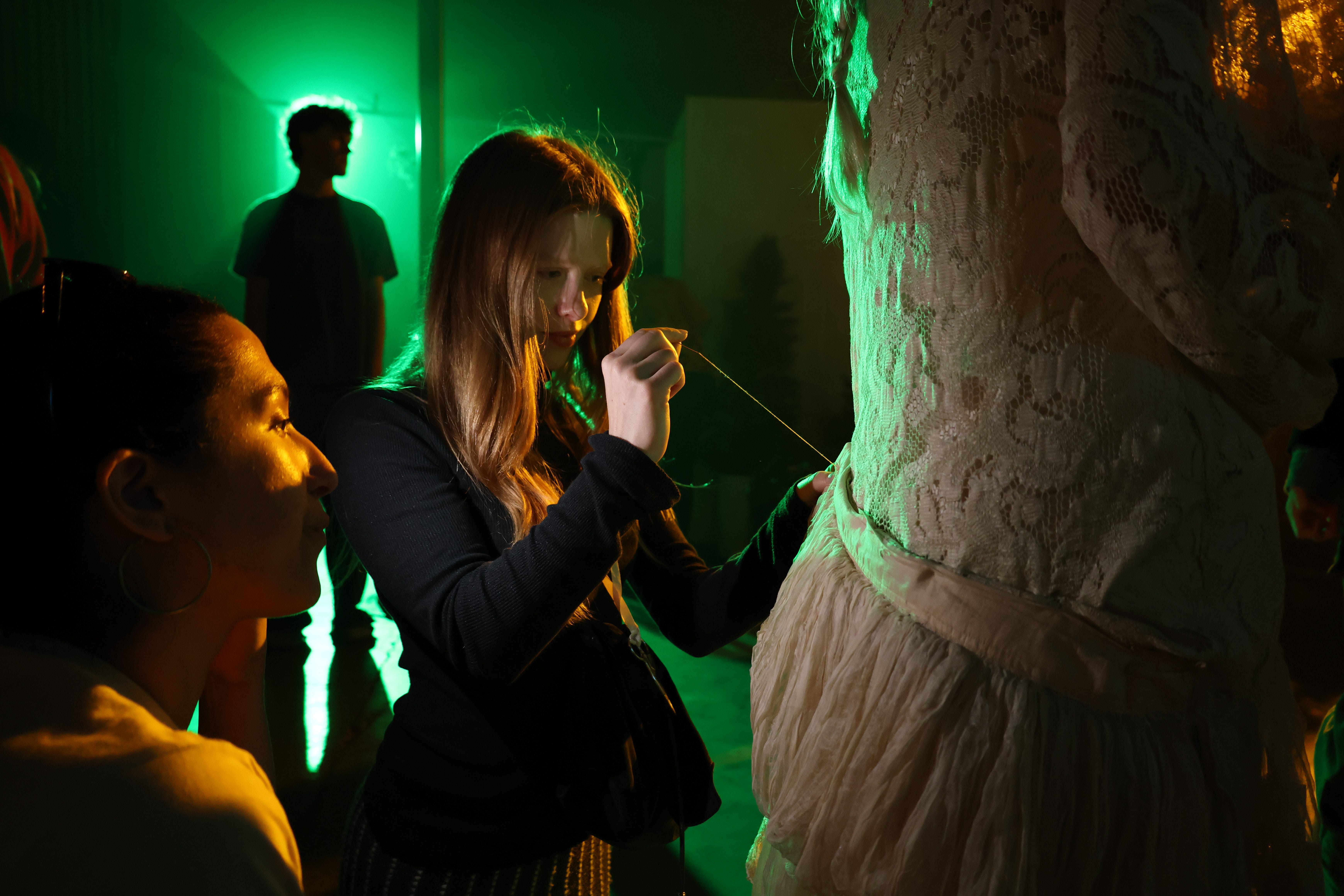
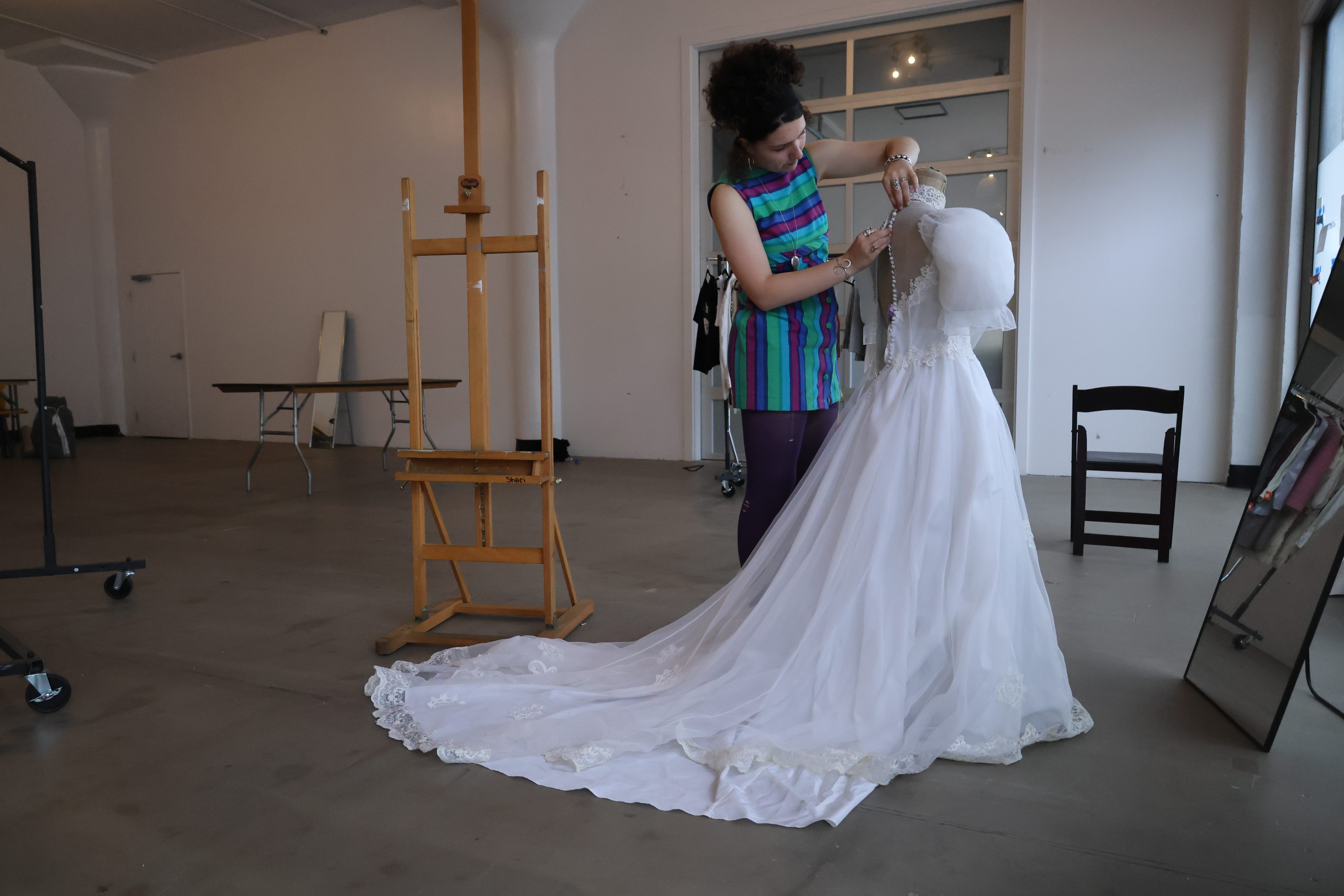
Costume informs character too. Kinsey Thomas, our lead Costume Designer who’s got a decade of experience under her belt, brings her students in to rehearsals so they can watch a character come to life — how they move, whether they hunch, how different clothing materials might breathe and flow best with their movements.
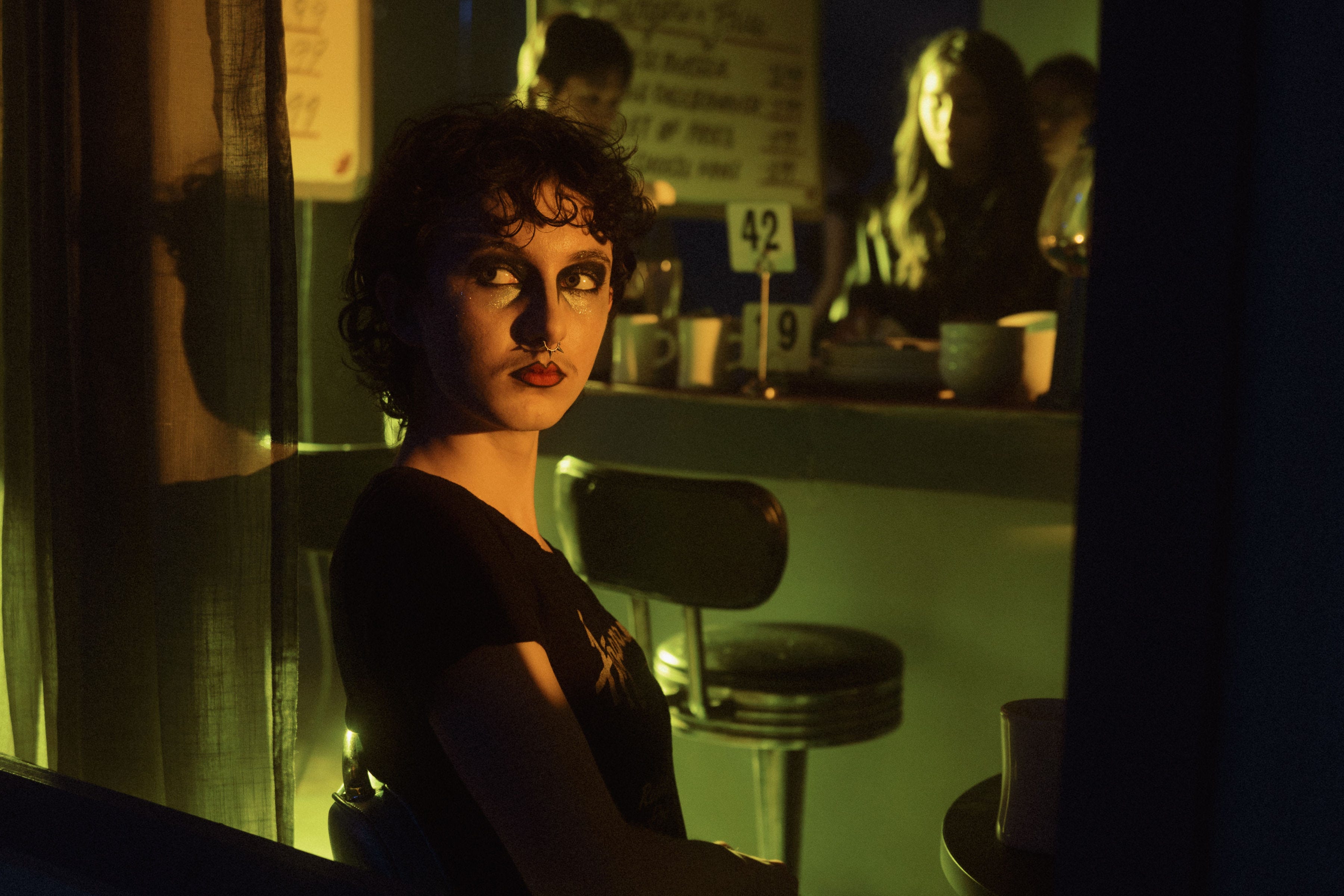
Val and Suzie, the town’s “Runaways,” became a perfect example of the actors leading the designers. Rather than starting with a fixed costume concept, the costume students watched Oona and Sage discover their characters in rehearsal — how they moved, what they held onto, what they seemed to carry with them. The designs began to follow.
What emerged was something fluid and Araki-esque: layers carefully curated but also seemingly collected along the way, a look that felt both iconic and lived-in. Their clothes suggested histories — pieces gathered from the dumpsters of every town they had passed through, remnants rescued from forgotten places, assembled into something entirely their own.



Production doesn’t slow down after a breakthrough — it only grows more ambitious. In Week Six, the cameras will keep rolling, new scenes will come to life, and new actors will arrive to step into the world the students have spent weeks building. Each arrival will bring the same mixture of excitement and uncertainty: a fresh collaboration, a new interpretation of these characters, and another reminder that filmmaking is an act of constant discovery.


But as the production grows, so do the challenges. More scenes mean more moving parts, more voices to align, and more opportunities for unexpected obstacles to emerge. The students are learning that making a film isn’t about eliminating uncertainty — it’s about learning how to adapt, problem-solve, and create together when the unexpected inevitably arrives. The world they imagined is no longer just being built; it is becoming something alive. Something that must evolve, breathe, and change.
No posts
Comments
Nothing yet. Say the first thing.
Sign in to join the conversation.